


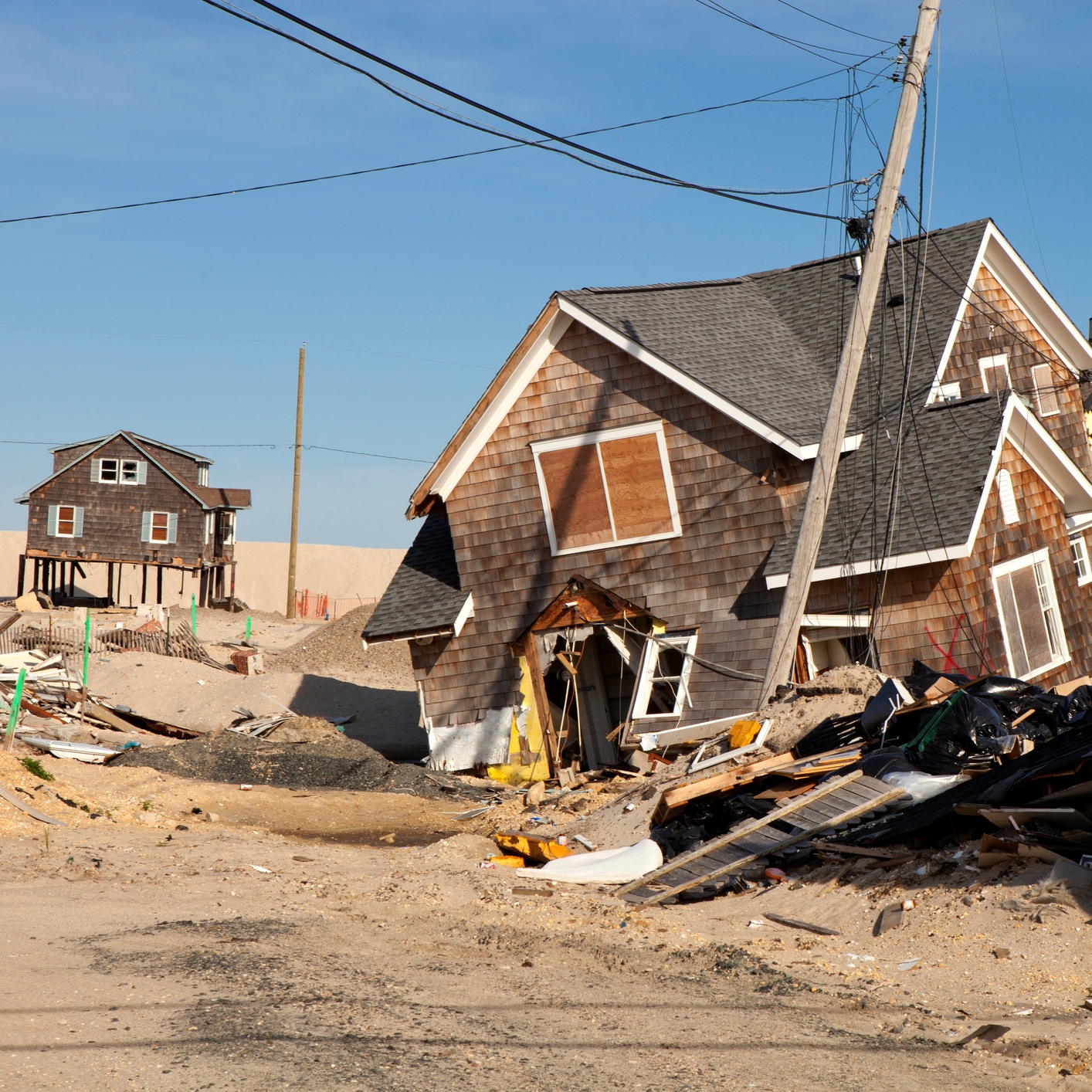
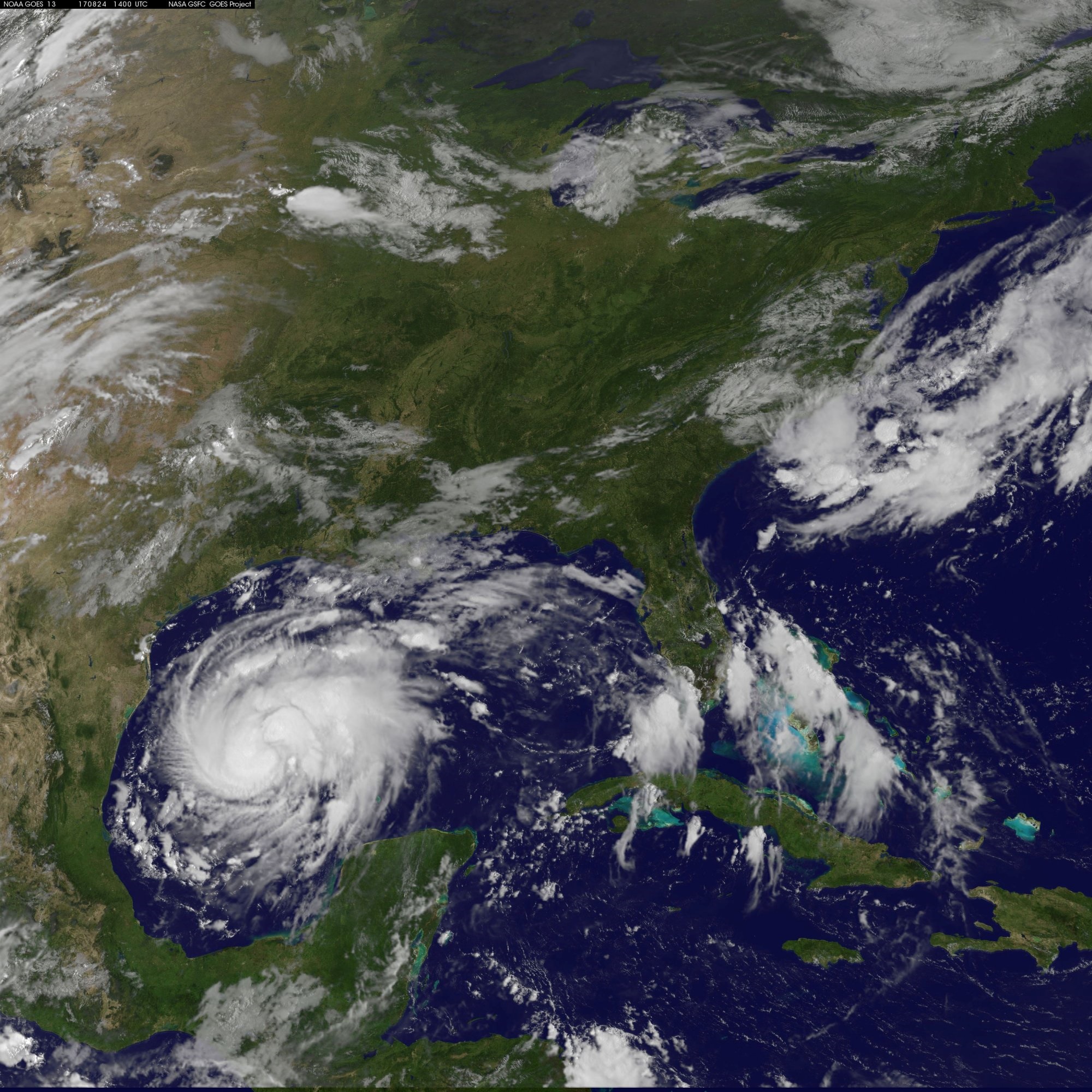
As now tropical storm Harvey prepares to take another shot at Houston and the surrounding area, the city’s shelters are near capacity and Dallas officials are preparing that city’s convention center to shelter as many as 5,000 people. A federal government official has said that the storm will force 30,000 people into temporary shelters and a total of around 450,000 to need some form of disaster assistance.
There have been several reports that a family of six has drowned while trying to escape the high water. While the number of deaths attributed to the storm is not official yet, at least 11 deaths have been attributed to Harvey.
Property damage is expected to soar into the tens of billions and the area hit hardest by the storm could take years to recover. A report in the Dallas News puts the residential property value of the eight counties in the Houston area at $353 billion and in the coastal counties from Beaumont south to Corpus Christi another $39 billion. Of that nearly $400 billion total, at least $145 billion is at direct risk within the 500-year floodplain.
[nativounit]
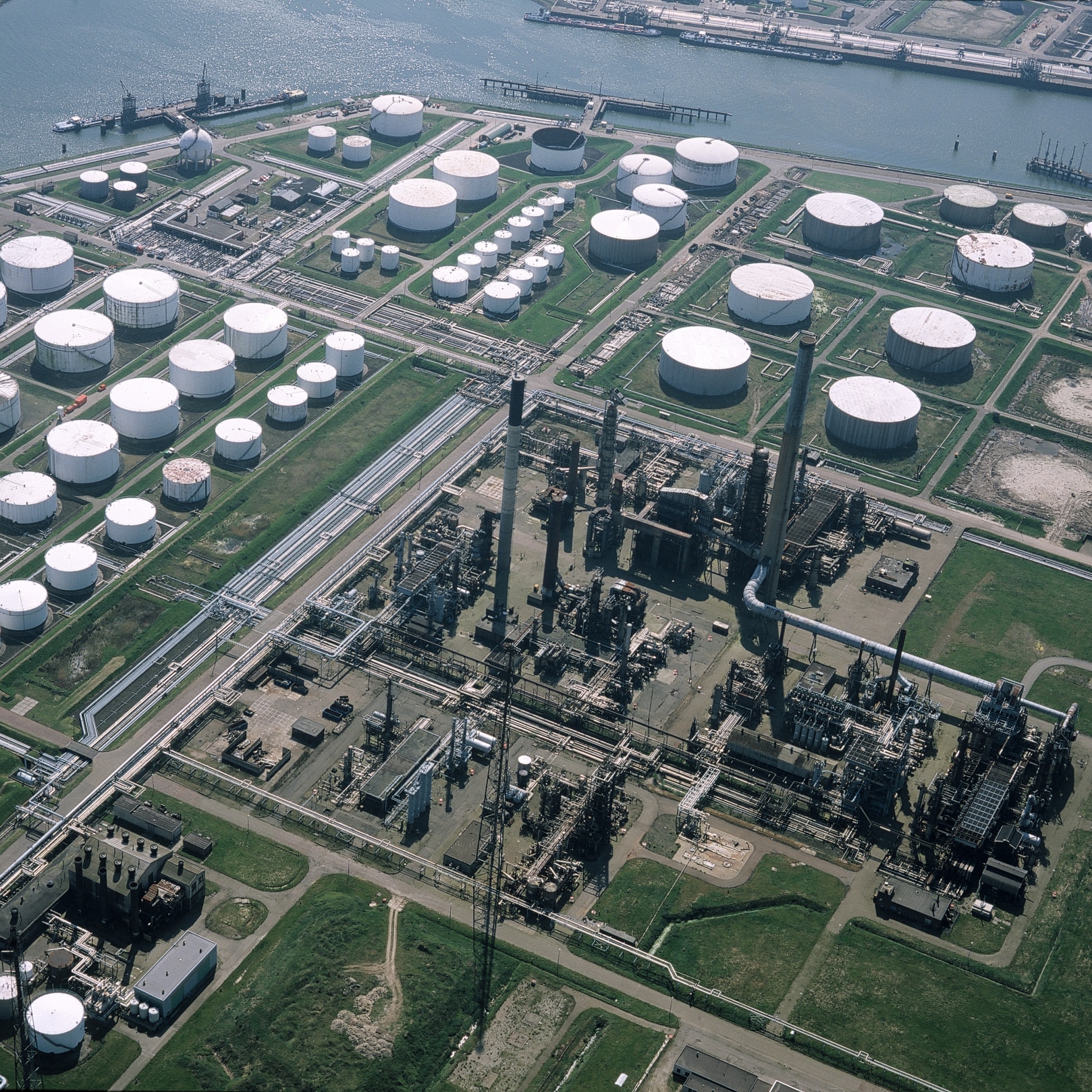
As of Monday, nearly 2.2 million barrels a day of refinery capacity in Texas had been shut down, nearly half of the state’s total 4.94 million barrels a day of capacity. That total is unchanged from Sunday’s total. The following refineries have closed, according to S&P Global Platts:
- Exxon Mobil’s Baytown: 560,500 barrels a day of capacity
- Valero Corpus Christi: 293,000 barrels a day
- Citgo Corpus Christi: 157,500 barrels a day
- Flint Hills Corpus Christi: 296,470 barrels a day
- Magellan Corpus Christi: 50,000 barrels a day
- Buckeye Corpus Christi: 50,000 barrels a day
- Shell Deer Park (Houston): 340,000 barrels a day
- Pasadena: 112,229 barrels a day
- Phillips 66 Sweeny (Houston): 247,000 barrels a day
- Valero Three Rivers: 89,000 barrels a day
Offshore production began to return Monday, as the total amount of production shut in has dropped from about 429,000 barrels a day to 331,000 barrels a day. Anadarko has resumed production at four of its platforms and is looking at restarting one more, according to S&P Global Platts.
Natural gas production shutdowns have dropped from around 830 billion cubic feet per day to around 583 billion.
Onshore production from the Eagle Ford is resuming as well. BHP Billiton has begun ramping up production and related midstream facilities.
Kinder Morgan has declared force majeure on sections of its Tennessee Gas pipeline, and the Natural Gas Pipeline company and has implemented partial shutdowns of several other interstate systems.
Cheniere Energy’s LNG gasification plant at Sabine Pass remains open, but forecasts for heavy rain moving toward Louisiana could force some adjustments. One LNG train had already been shut down for maintenance unrelated to the storm.
More than 40% of U.S. ethylene capacity and about 28% of polyethylene capacity remained shut Monday as Harvey continued to dump devastating rainfall on the Texas middle and upper coast.
Olefins units in at least eight petrochemical complexes were taken offline between Thursday and Monday, shutting nearly 11.4 million metric tons per year of ethylene capacity. U.S. ethylene capacity is 26.7 million metric tons per year with the majority located near the coasts of Texas and Louisiana.
West Texas Intermediate (WTI) crude oil for October delivery traded down about 1% early Tuesday at $46.52 a barrel, from a high of around $48.31 last Thursday. Crude prices have fallen because shut-in refineries cannot take deliveries. With no place to go, demand has fallen and so have prices.
Reformulated gasoline blendstock for October delivery traded down about four cents a gallon from Monday’s high of $1.61.
[recirclink id=410205]
[wallst_email_signup]







 Top Gaining Stocks
 Top Losing Stocks