


The Thursday meeting of the leaders of the G20 group of the world’s largest economies was focused on efforts to stop the COVID-19 pandemic, but there was also some hope that the group would discuss the collapse in world crude oil prices. The White House, including the U.S. president, has been trying to pressure Saudi Arabia into turning off the flow of oil that has sent world crude prices to 20-year lows.
A joint statement issued following the virtual meeting did not include either the words “oil” or “energy.” The Saudis, the G20 chair this year, clearly did not give in to any U.S. pressure, and a Russian spokesperson said before the meeting that oil was not on the agenda.
The statement did include a commitment to “safeguarding” the world economy:
We commit to do whatever it takes and to use all available policy tools to minimize the economic and social damage from the pandemic, restore global growth, maintain market stability, and strengthen resilience.
The market, however, may succeed where U.S. jawboning couldn’t. The world’s stockpiles of oil are so oversupplied that the Saudis are having trouble selling their promised 12.3 million barrels a day of production. The coronavirus outbreak has slowed the global economy to a crawl and demand for crude has collapsed.
[nativounit]
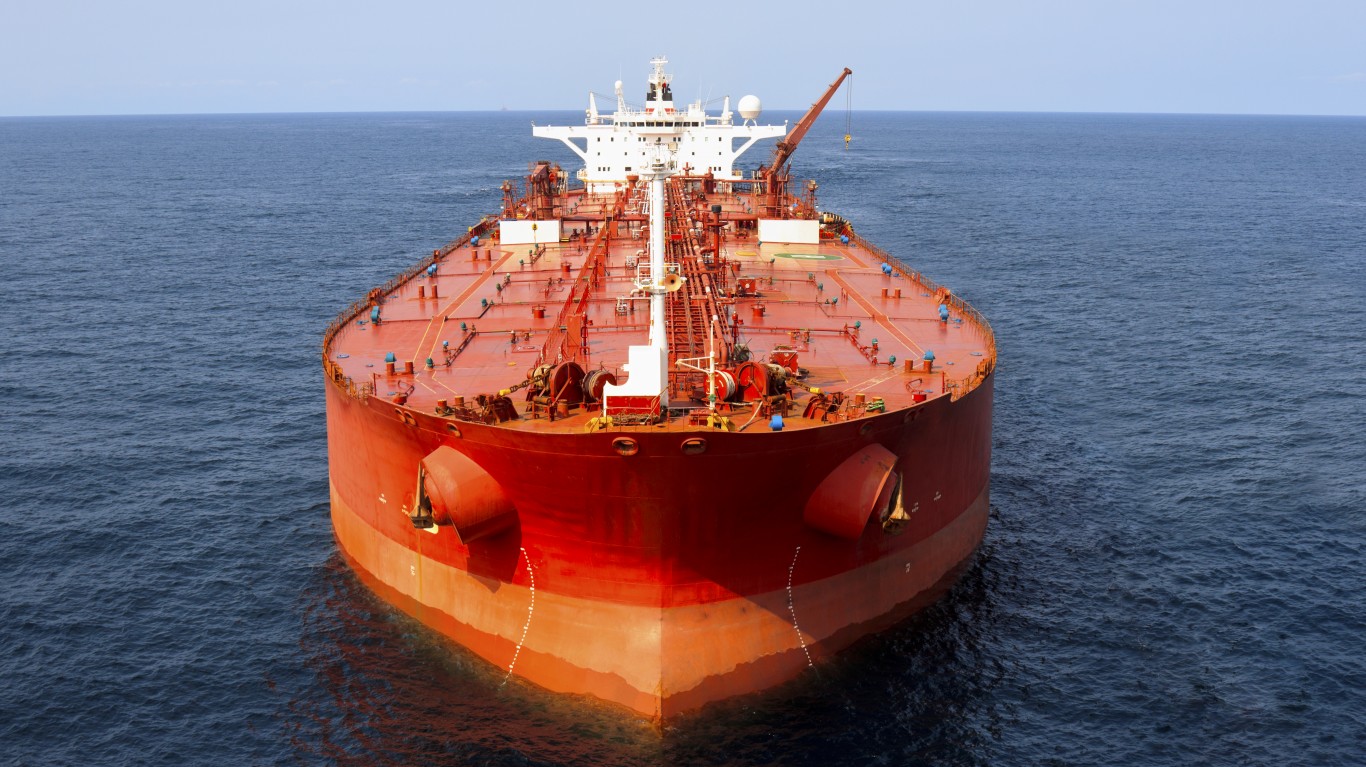
The boost in production also has led to soaring daily rates for tankers to haul the crude to customers. By March 13, Saudi tanker firm Bahri had chartered 15 very-large crude carriers (VLCCs), each capable of carrying 2 million barrels. The company will pay as much as $370,000 a day for the ships, an increase of 12 times the daily rate for routes to Asia. According to Lloyd’s List, 52 VLCCs were chartered that week.
Freight costs typically are borne in part by the oil buyers and, according to a Reuters report, contracts for April delivery of Saudi crude have been amended. The Saudis now say that they cannot provide rebates for the shipping charges. That has caused some customers to cancel or reduce their orders. One source told Reuters that buyers are looking to cut April purchases from Saudi Arabia by 25%.
Even China, which reportedly has been taking advantage of the low prices to fill up its strategic reserves, is cutting back. Surging freight costs have led Unipec, the trading arm of China’s Sinopec, to junk plans to lift additional Saudi crude in April.
After being left out of the $2.2 trillion relief package and now unable to get even a nod from the Saudis and the Russians, U.S. crude oil producers may have no choice but to cut back even more on production that currently totals 13 million barrels a day.
In early trading Friday, West Texas Intermediate (WTI) crude traded up about 0.2% at $22.64 a barrel, less than half the price at the beginning of March. Brent crude has dropped from around $52 a barrel in early March to trade at $28.48 early Friday.
[recirclink id=664308]
[wallst_email_signup]






 Top Gaining Stocks
 Top Losing Stocks