


On the sidelines of the G20 summit meeting in Hangzhou, the Russian and Saudi Arabian oil ministers met and agreed to create a producers’ group that would meet regularly to monitor the oil markets. Be still my beating heart.
Brent crude reached a peak early of $49.33 a barrel on the ICE early Monday morning following a Reuters report that the Saudis and the Russians had agreed on a production freeze. It turned out to be a lot less than that and Brent dropped back to $47.93 within an hour. WTI on the European exchange rose to $46.49 before tumbling back to $45.37 a barrel. U.S. markets are closed to observe the Labor Day holiday.
The Wall Street Journal reported later that Saudi oil minister Khalid al-Falih told Al Arabiya that a production freeze is not needed at the moment. Falih reportedly said that a freeze is a “favorable option, but not necessary today.”
[nativounit]
The Russians and the Saudis combined produce more than 20% of the world’s crude oil supply, and both are pumping as much or more now as either has in its history. A freeze at these production levels would have been next to meaningless.
OPEC members Venezuela and Nigeria, among others, have been pushing for a production cut in order to reduce supply and raise prices. Global storage, however, is stuffed with oil and cutting production would likely have only a temporary impact on crude markets as the storage tanks are drained.
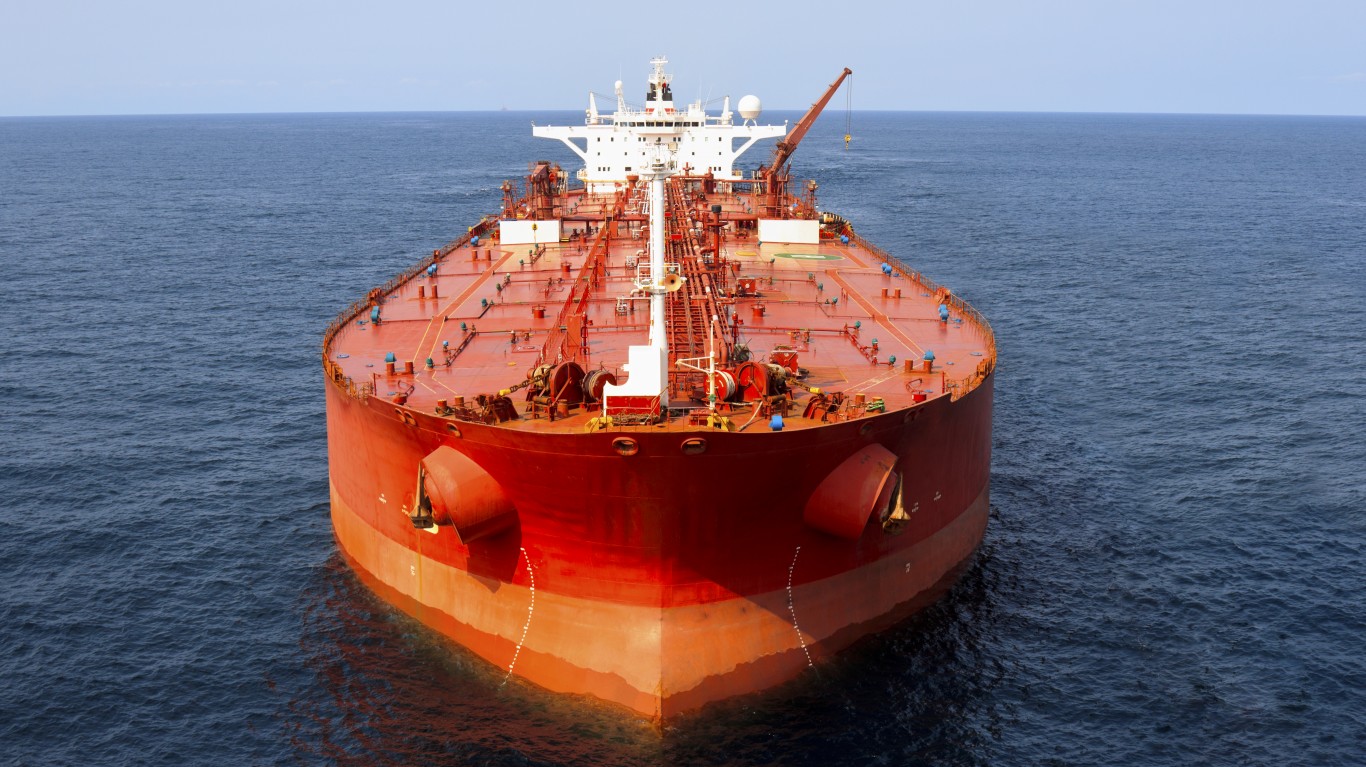
A glance at the tanker market might lead one to believe that too much oil is being produced. Day rates for very-large crude carriers (VLCCs) are down to around $30,000 for a run from the Middle East to Asia. If crude supply were the issue, day rates would be rising, not falling. The problem for shipping companies is that the tanker market has too many ships. Even at current production rates, tanker operators can’t fill all their ships and apparently they can’t scrap the old ones quickly enough.
The OPEC meeting later this month is not going to change the oil market situation much. Iran, which has been holding out on reducing production as it ramps up to pre-sanction production rates, may offer to freeze production just to get in Saudi Arabia’s face, but it doesn’t have either the will or the clout to fight it out with the Saudis. The short version: don’t look to OPEC to drive crude prices higher.
[wallst_email_signup]








 Top Gaining Stocks
 Top Losing Stocks