


The federal government of the United States has long taken a notably hands-off approach to gun control. Over the course of modern history, major firearm legislation out of Washington, D.C., has been relatively rare, with new laws emerging only occasionally and often after significant national debate. Many of the most consequential federal regulations still in place today were passed decades ago, and they continue to shape the legal landscape surrounding firearms. One of the earliest and most enduring examples is the National Firearms Act of 1934 — a landmark law that, despite its age, still carries meaningful implications for gun ownership and regulation in the present day.
24/7 Wall St. Key Points:
- Suppressors, or silencers, are popular with many recreational shooters, as they effectively reduce a firearm’s noise and muzzle flash upon discharge.
- These devices are also controversial, however, and while suppressors can be obtained in most of the country with a $200 fee to the federal government, many states have banned them outright.
- Also: 2 Dividend Legends To Hold Forever
A newly proposed tax bill seeks to extend many of the cuts originally enacted under the 2017 Tax Cuts and Jobs Act. But buried within its pages are a number of eyebrow-raising provisions that seem only loosely related to its primary goal. Among them are tax breaks for tanning salon owners and a controversial $800 million reduction in taxes for corporations based in the U.S. Virgin Islands. One of the most contentious inclusions, however, is a $1 billion tax break for gun silencers — a measure that has drawn sharp criticism from Democrats, who argue it has no place in a broader tax reform package.
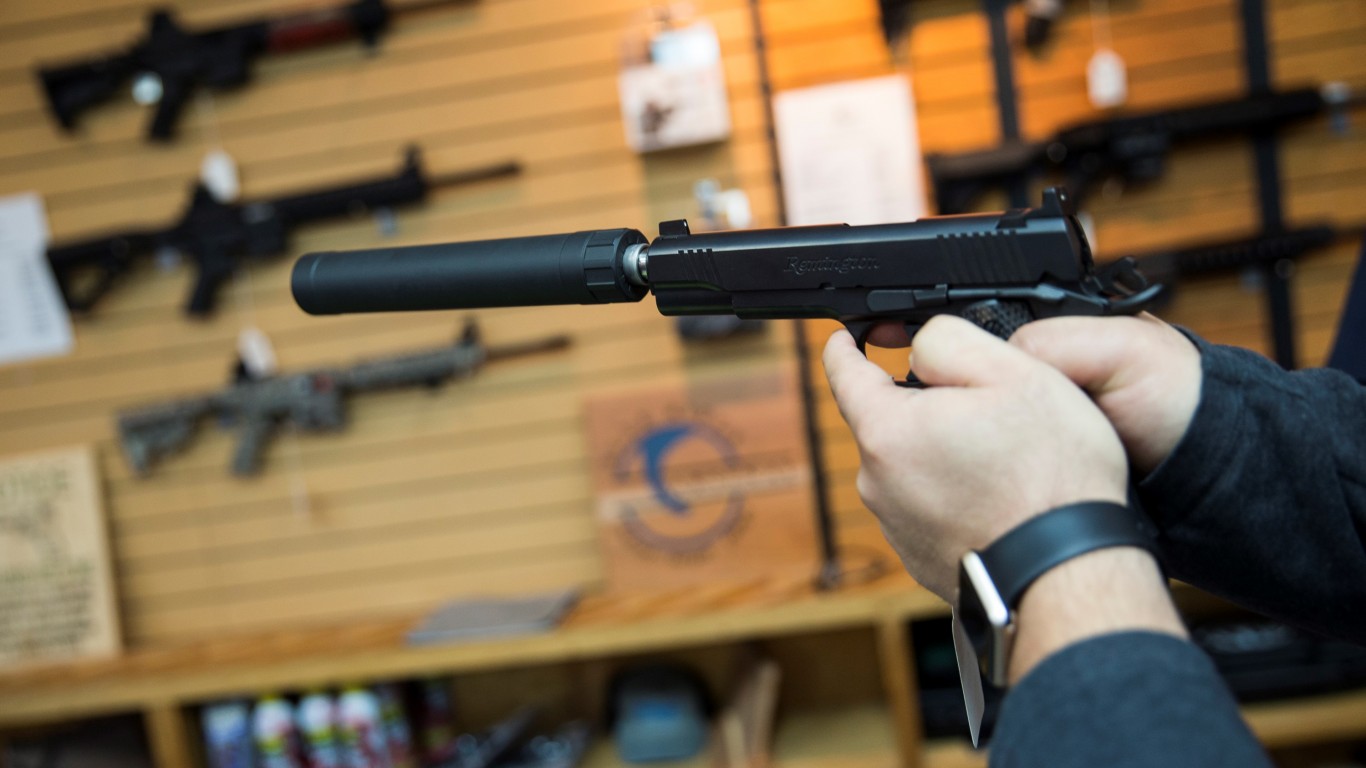
Under current federal law, Americans who want to own a suppressor or silencer can do so, but the process is tightly regulated. Prospective owners must pass a federal background check and pay for a $200 tax stamp under the National Firearms Act. Even then, gun policy on these devices varies widely at the state level. In most states, silencers are legal once federal requirements are met, but a handful of states still maintain outright bans, keeping the devices off-limits regardless of federal rules.
Using data from the gun violence prevention advocacy group Giffords Law Center, 24/7 Wall St. identified the laws regulating firearm suppressors in every state. Letter grades for the overall strength of state level gun laws are also from the Giffords Law Center, and range from “A,” for the states with the strongest laws, to “F,” for the states with the weakest. Supplemental data on firearm deaths and mortality rates are for the latest available year from the Centers for Disease Control and Prevention. Gun control laws in this story are only broad guidelines, and specific regulations can vary by state.
Suppressors are popular with many recreational shooters, particularly when applied to small caliber handguns, as they reduce the noise level of gun shot, making the activity potentially less harmful to the shooter’s hearing, and less disruptive for those nearby. (Here is a look at the companies behind America’s favorite .22 caliber pistols.)
Despite their benefits, suppressors have been the subject of widespread criticism from gun control advocates who argue that their use can impede law enforcement’s ability to identify criminal gun violence and reduce the effectiveness of gunshot detection systems in major American cities. Partially as a result, eight states have standing prohibitions on civilian ownership of suppressors. It is no coincidence that these same states also have some of the strictest gun control laws in the country. (Here is a look at the states with the strongest and weakest firearm regulations.)
This post was updated August 11th, 2025 to include information regarding the recent tax provisions for gun silencers.
Why It Matters
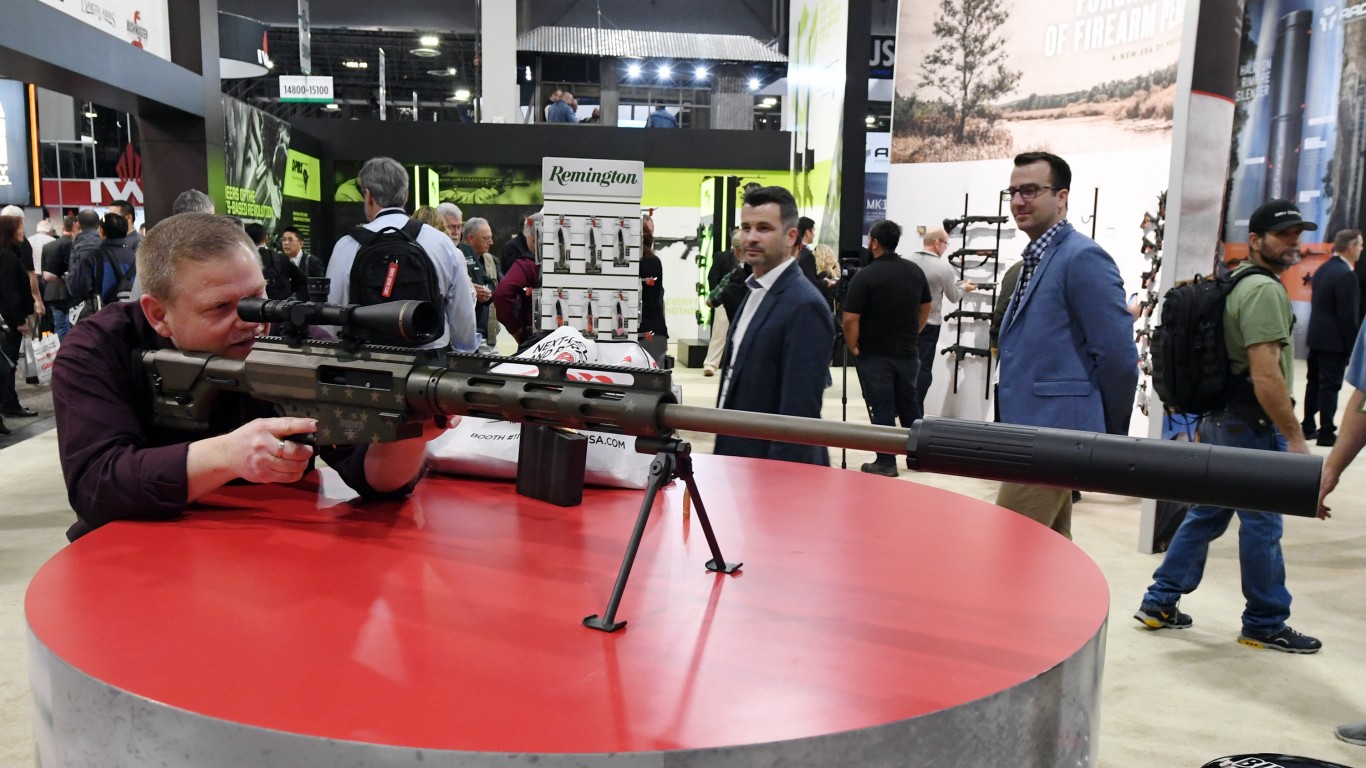
A longstanding federal law requires lawful gun owners to pay a $200 tax in order to possess a suppressor — a device designed to reduce the noise and muzzle flash of a discharged firearm. Most gun control laws are set at the state level, however, and while there are legal channels to suppressor ownership in most states, in some parts of the country, these devices are prohibited outright.
These are the laws for firearm suppressor ownership in every state:
Alabama

- Legality of firearm silencer or suppressor ownership: Legal
- Overall gun law strength grade: F
- Firearm death rate in 2022: 25.5 per 100,000 people — 4th highest of 50 states (1,278 total fatalities)
Alaska

- Legality of firearm silencer or suppressor ownership: Legal
- Overall gun law strength grade: F
- Firearm death rate in 2022: 22.4 per 100,000 people — 7th highest of 50 states (164 total fatalities)
Arizona

- Legality of firearm silencer or suppressor ownership: Legal
- Overall gun law strength grade: F
- Firearm death rate in 2022: 20.1 per 100,000 people — 12th highest of 50 states (1,535 total fatalities)
Arkansas
- Legality of firearm silencer or suppressor ownership: Legal
- Overall gun law strength grade: F
- Firearm death rate in 2022: 21.9 per 100,000 people — 8th highest of 50 states (666 total fatalities)
California

- Legality of firearm silencer or suppressor ownership: Illegal
- Overall gun law strength grade: A
- Firearm death rate in 2022: 8.6 per 100,000 people — 7th lowest of 50 states (3,484 total fatalities)
Colorado
- Legality of firearm silencer or suppressor ownership: Legal
- Overall gun law strength grade: A-
- Firearm death rate in 2022: 17.1 per 100,000 people — 18th highest of 50 states (1,036 total fatalities)
Connecticut

- Legality of firearm silencer or suppressor ownership: Legal
- Overall gun law strength grade: A
- Firearm death rate in 2022: 6.9 per 100,000 people — 6th lowest of 50 states (252 total fatalities)
Delaware

- Legality of firearm silencer or suppressor ownership: Illegal
- Overall gun law strength grade: A-
- Firearm death rate in 2022: 11.9 per 100,000 people — 12th lowest of 50 states (124 total fatalities)
Florida
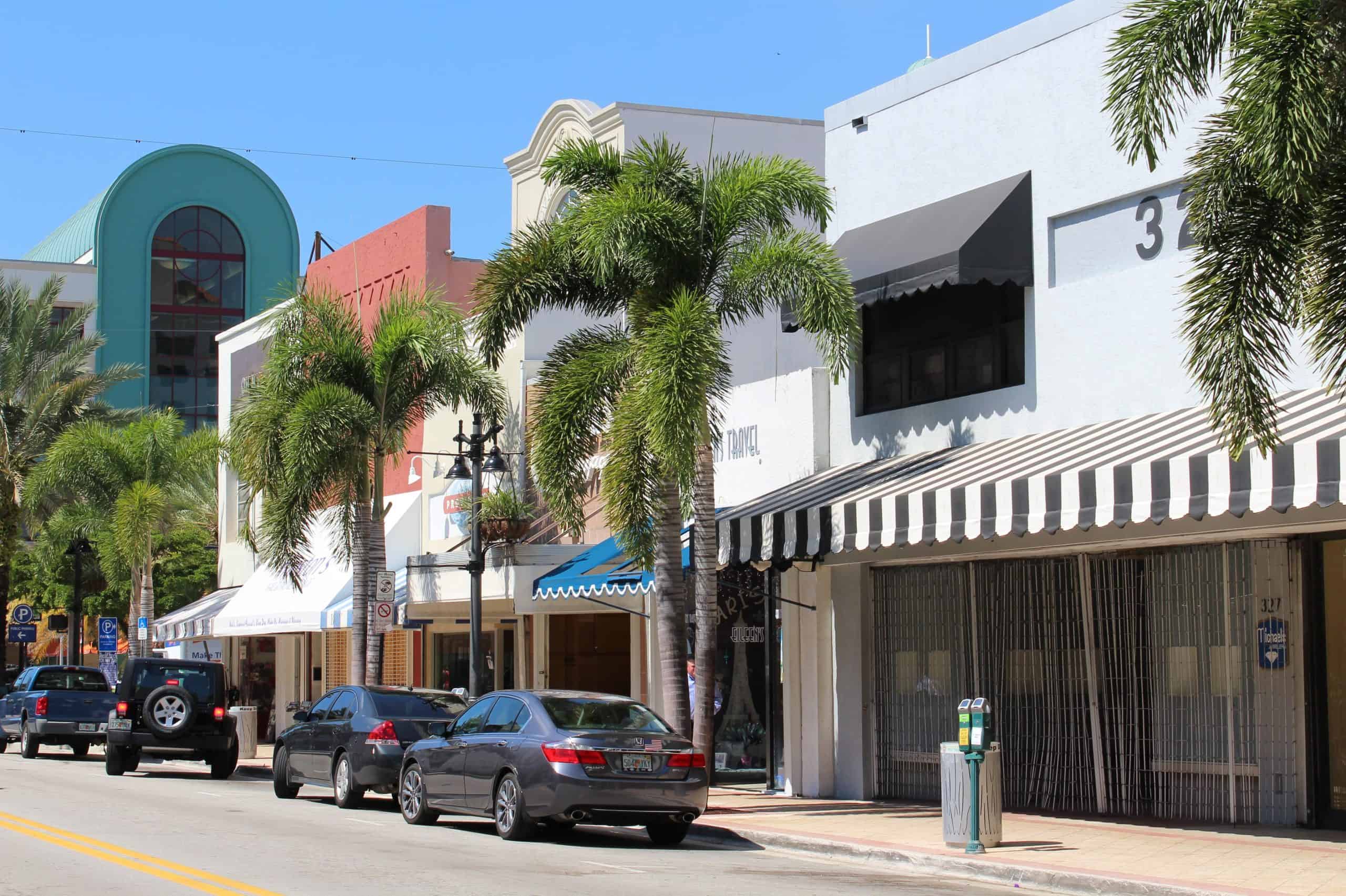
- Legality of firearm silencer or suppressor ownership: Legal
- Overall gun law strength grade: C-
- Firearm death rate in 2022: 14.0 per 100,000 people — 19th lowest of 50 states (3,232 total fatalities)
Georgia

- Legality of firearm silencer or suppressor ownership: Legal
- Overall gun law strength grade: F
- Firearm death rate in 2022: 19.7 per 100,000 people — 14th highest of 50 states (2,163 total fatalities)
Hawaii

- Legality of firearm silencer or suppressor ownership: Illegal
- Overall gun law strength grade: A-
- Firearm death rate in 2022: 4.5 per 100,000 people — 3rd lowest of 50 states (66 total fatalities)
Idaho

- Legality of firearm silencer or suppressor ownership: Legal
- Overall gun law strength grade: F
- Firearm death rate in 2022: 17.0 per 100,000 people — 19th highest of 50 states (338 total fatalities)
Illinois
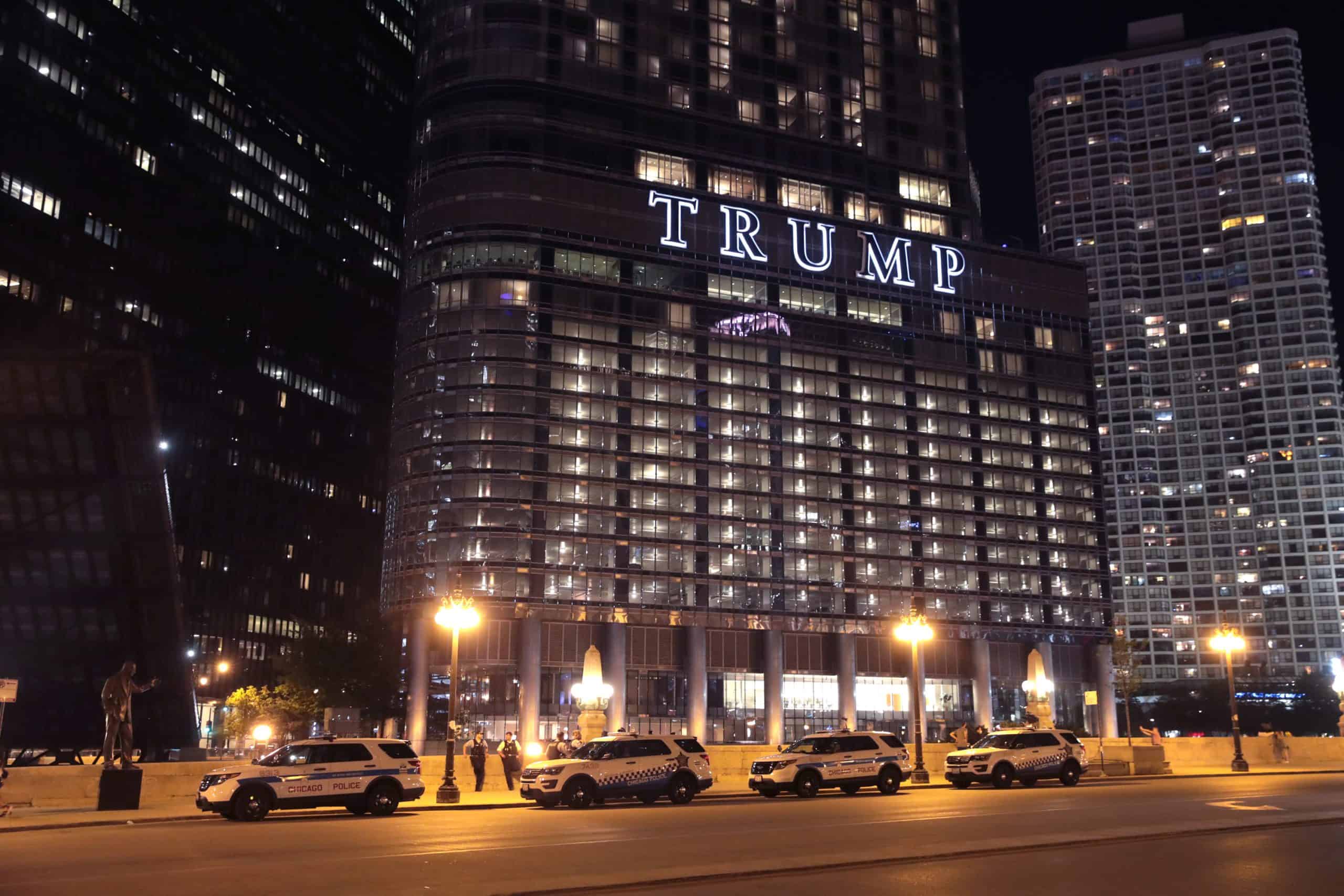
- Legality of firearm silencer or suppressor ownership: Illegal
- Overall gun law strength grade: A-
- Firearm death rate in 2022: 14.4 per 100,000 people — 21st lowest of 50 states (1,798 total fatalities)
Indiana

- Legality of firearm silencer or suppressor ownership: Legal
- Overall gun law strength grade: D-
- Firearm death rate in 2022: 17.4 per 100,000 people — 17th highest of 50 states (1,211 total fatalities)
Iowa
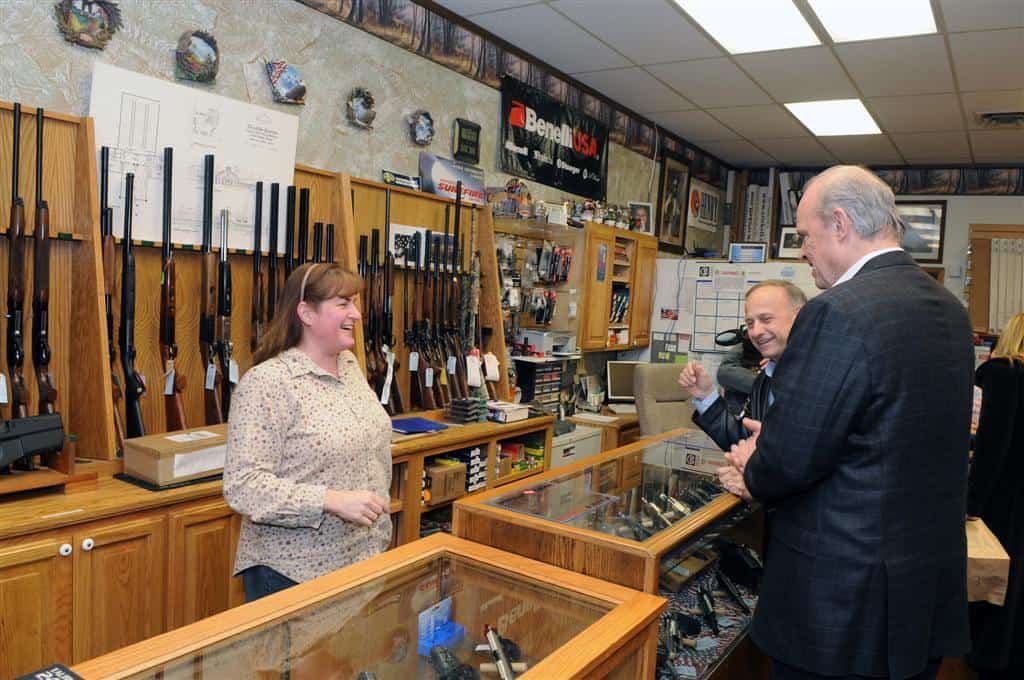
- Legality of firearm silencer or suppressor ownership: Legal
- Overall gun law strength grade: F
- Firearm death rate in 2022: 11.2 per 100,000 people — 10th lowest of 50 states (367 total fatalities)
Kansas
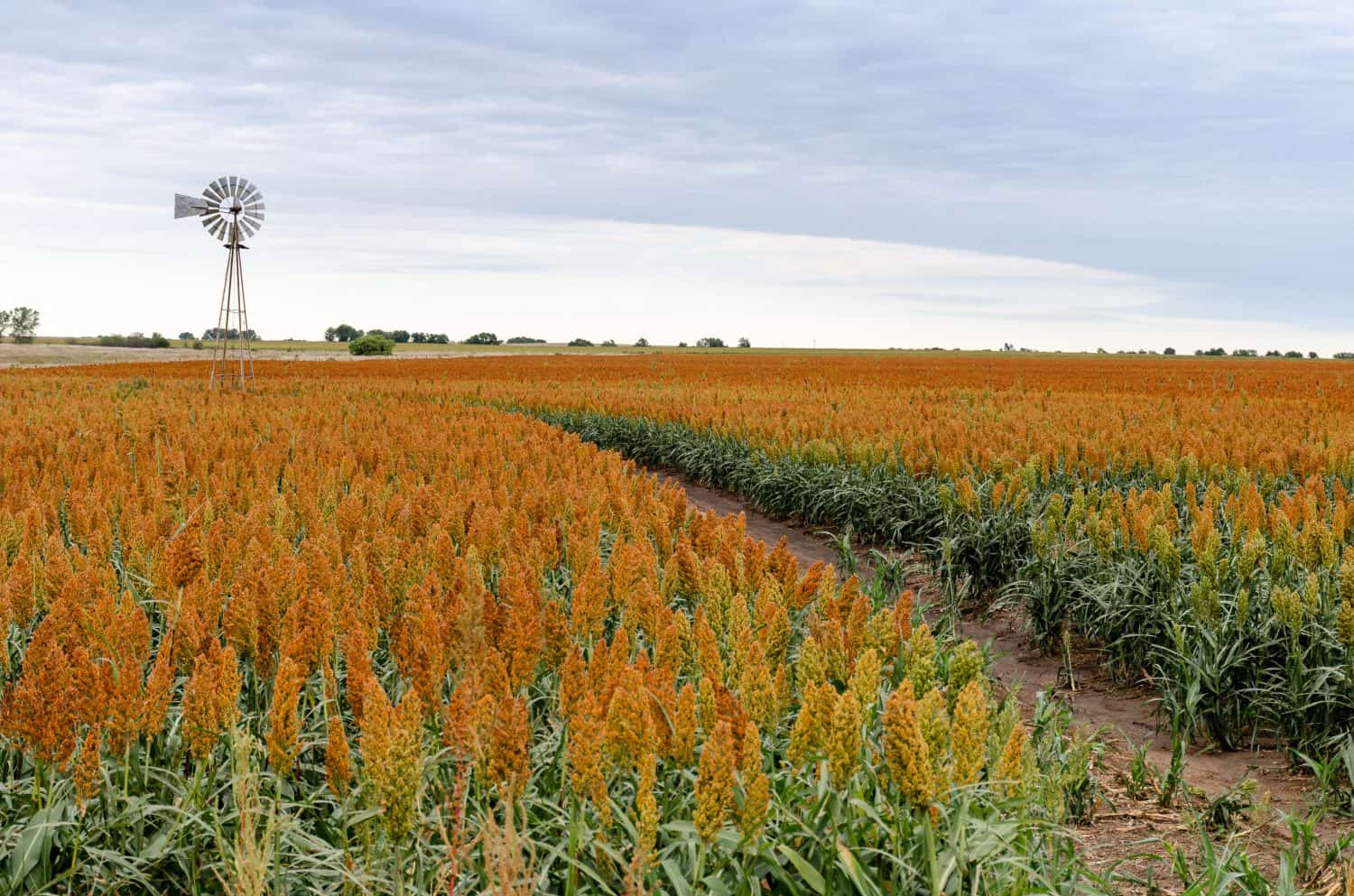
- Legality of firearm silencer or suppressor ownership: Legal
- Overall gun law strength grade: F
- Firearm death rate in 2022: 16.8 per 100,000 people — 20th highest of 50 states (492 total fatalities)
Kentucky

- Legality of firearm silencer or suppressor ownership: Legal
- Overall gun law strength grade: F
- Firearm death rate in 2022: 18.8 per 100,000 people — 16th highest of 50 states (840 total fatalities)
Louisiana
- Legality of firearm silencer or suppressor ownership: Legal
- Overall gun law strength grade: F
- Firearm death rate in 2022: 28.2 per 100,000 people — 2nd highest of 50 states (1,266 total fatalities)
Maine

- Legality of firearm silencer or suppressor ownership: Legal
- Overall gun law strength grade: C+
- Firearm death rate in 2022: 11.7 per 100,000 people — 11th lowest of 50 states (179 total fatalities)
Maryland

- Legality of firearm silencer or suppressor ownership: Legal
- Overall gun law strength grade: A-
- Firearm death rate in 2022: 13.6 per 100,000 people — 16th lowest of 50 states (813 total fatalities)
Massachusetts

- Legality of firearm silencer or suppressor ownership: Illegal
- Overall gun law strength grade: A
- Firearm death rate in 2022: 3.7 per 100,000 people — 2nd lowest of 50 states (263 total fatalities)
Michigan
- Legality of firearm silencer or suppressor ownership: Legal
- Overall gun law strength grade: B-
- Firearm death rate in 2022: 15.0 per 100,000 people — 24th lowest of 50 states (1,504 total fatalities)
Minnesota
- Legality of firearm silencer or suppressor ownership: Legal
- Overall gun law strength grade: B
- Firearm death rate in 2022: 9.6 per 100,000 people — 8th lowest of 50 states (561 total fatalities)
Mississippi

- Legality of firearm silencer or suppressor ownership: Legal
- Overall gun law strength grade: F
- Firearm death rate in 2022: 29.6 per 100,000 people — the highest of 50 states (848 total fatalities)
Missouri
- Legality of firearm silencer or suppressor ownership: Legal
- Overall gun law strength grade: F
- Firearm death rate in 2022: 24.2 per 100,000 people — 5th highest of 50 states (1,489 total fatalities)
Montana

- Legality of firearm silencer or suppressor ownership: Legal
- Overall gun law strength grade: F
- Firearm death rate in 2022: 23.9 per 100,000 people — 6th highest of 50 states (274 total fatalities)
Nebraska

- Legality of firearm silencer or suppressor ownership: Legal
- Overall gun law strength grade: C-
- Firearm death rate in 2022: 12.2 per 100,000 people — 14th lowest of 50 states (244 total fatalities)
Nevada

- Legality of firearm silencer or suppressor ownership: Legal
- Overall gun law strength grade: B-
- Firearm death rate in 2022: 18.9 per 100,000 people — 15th highest of 50 states (618 total fatalities)
New Hampshire

- Legality of firearm silencer or suppressor ownership: Legal
- Overall gun law strength grade: D-
- Firearm death rate in 2022: 10.1 per 100,000 people — 9th lowest of 50 states (156 total fatalities)
New Jersey

- Legality of firearm silencer or suppressor ownership: Illegal
- Overall gun law strength grade: A
- Firearm death rate in 2022: 5.0 per 100,000 people — 4th lowest of 50 states (468 total fatalities)
New Mexico

- Legality of firearm silencer or suppressor ownership: Legal
- Overall gun law strength grade: B-
- Firearm death rate in 2022: 27.3 per 100,000 people — 3rd highest of 50 states (571 total fatalities)
New York

- Legality of firearm silencer or suppressor ownership: Illegal
- Overall gun law strength grade: A
- Firearm death rate in 2022: 5.3 per 100,000 people — 5th lowest of 50 states (1,044 total fatalities)
North Carolina
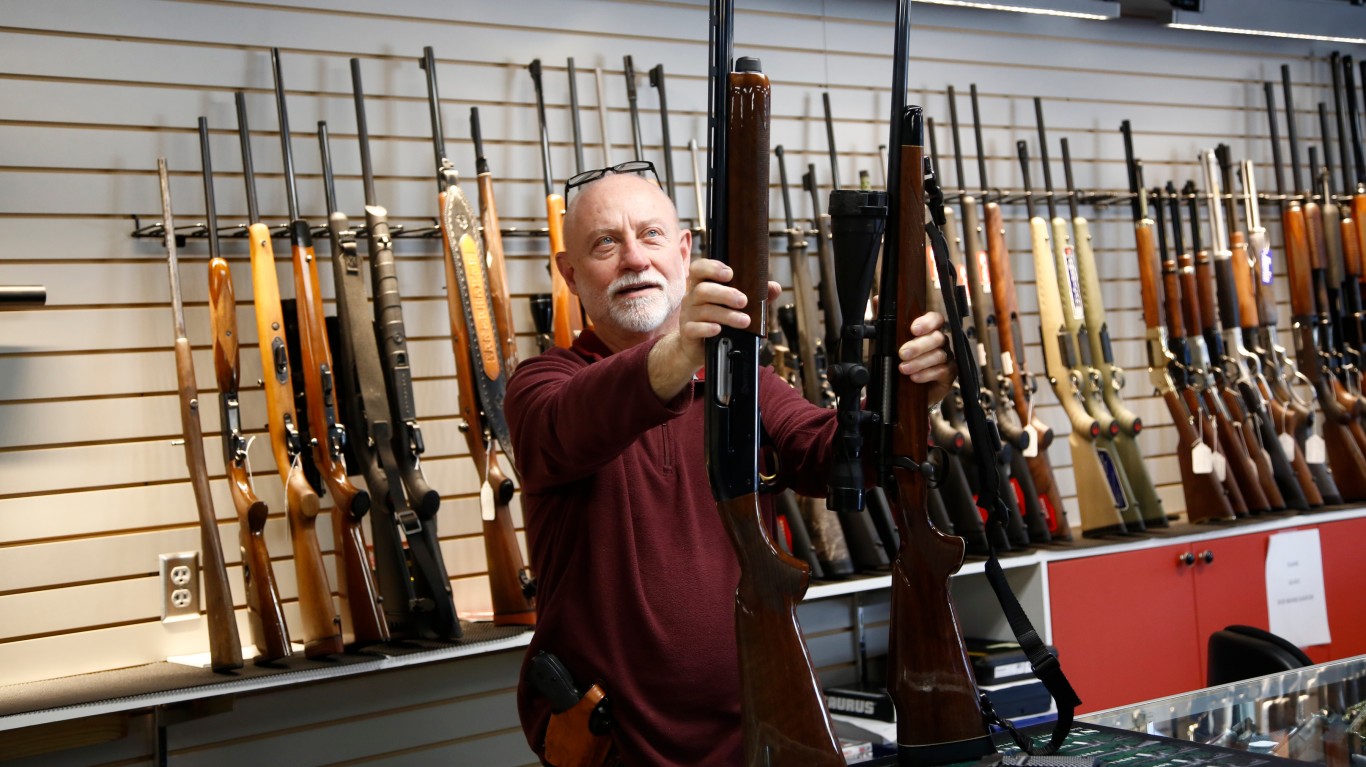
- Legality of firearm silencer or suppressor ownership: Legal
- Overall gun law strength grade: C-
- Firearm death rate in 2022: 16.8 per 100,000 people — 20th highest of 50 states (1,831 total fatalities)
North Dakota

- Legality of firearm silencer or suppressor ownership: Legal
- Overall gun law strength grade: F
- Firearm death rate in 2022: 16.4 per 100,000 people — 22nd highest of 50 states (125 total fatalities)
Ohio
- Legality of firearm silencer or suppressor ownership: Legal
- Overall gun law strength grade: D-
- Firearm death rate in 2022: 15.6 per 100,000 people — 25th highest of 50 states (1,831 total fatalities)
Oklahoma

- Legality of firearm silencer or suppressor ownership: Legal
- Overall gun law strength grade: F
- Firearm death rate in 2022: 19.8 per 100,000 people — 13th highest of 50 states (797 total fatalities)
Oregon

- Legality of firearm silencer or suppressor ownership: Legal
- Overall gun law strength grade: A-
- Firearm death rate in 2022: 14.4 per 100,000 people — 21st lowest of 50 states (655 total fatalities)
Pennsylvania

- Legality of firearm silencer or suppressor ownership: Legal
- Overall gun law strength grade: B
- Firearm death rate in 2022: 14.7 per 100,000 people — 22nd lowest of 50 states (1,941 total fatalities)
Rhode Island

- Legality of firearm silencer or suppressor ownership: Illegal
- Overall gun law strength grade: A-
- Firearm death rate in 2022: 3.1 per 100,000 people — the lowest of 50 states (37 total fatalities)
South Carolina

- Legality of firearm silencer or suppressor ownership: Legal
- Overall gun law strength grade: F
- Firearm death rate in 2022: 20.8 per 100,000 people — 9th highest of 50 states (1,105 total fatalities)
South Dakota

- Legality of firearm silencer or suppressor ownership: Legal
- Overall gun law strength grade: F
- Firearm death rate in 2022: 15.7 per 100,000 people — 24th highest of 50 states (141 total fatalities)
Tennessee
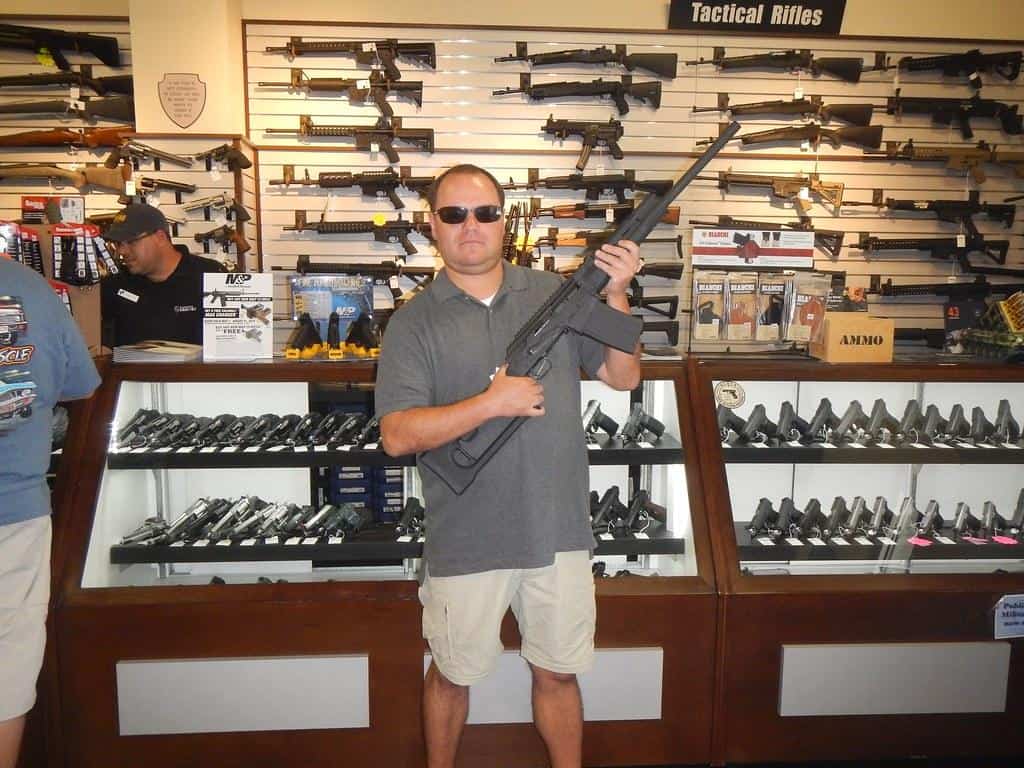
- Legality of firearm silencer or suppressor ownership: Legal
- Overall gun law strength grade: F
- Firearm death rate in 2022: 20.5 per 100,000 people — 10th highest of 50 states (1,480 total fatalities)
Texas
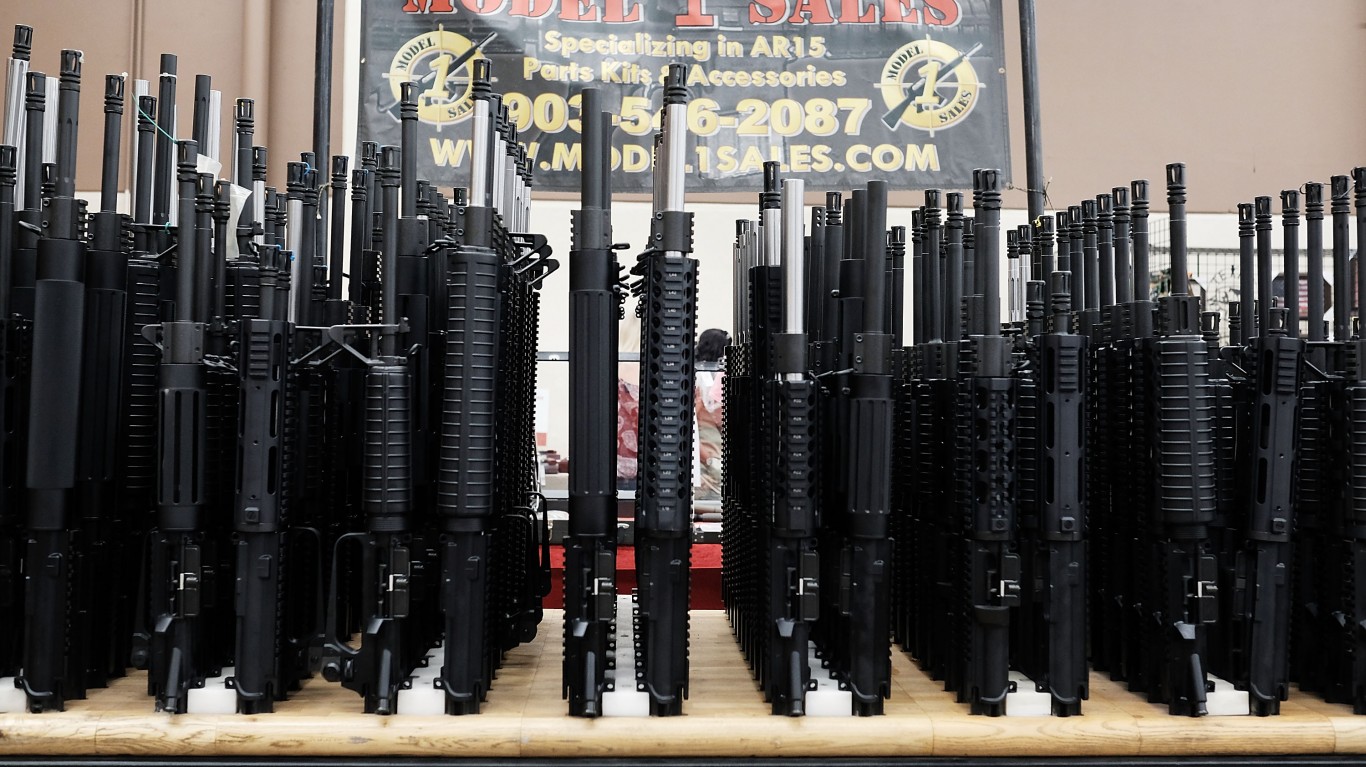
- Legality of firearm silencer or suppressor ownership: Legal
- Overall gun law strength grade: F
- Firearm death rate in 2022: 15.3 per 100,000 people — 25th lowest of 50 states (4,630 total fatalities)
Utah

- Legality of firearm silencer or suppressor ownership: Legal
- Overall gun law strength grade: F
- Firearm death rate in 2022: 13.7 per 100,000 people — 17th lowest of 50 states (446 total fatalities)
Vermont

- Legality of firearm silencer or suppressor ownership: Legal
- Overall gun law strength grade: B-
- Firearm death rate in 2022: 12.0 per 100,000 people — 13th lowest of 50 states (84 total fatalities)
Virginia
- Legality of firearm silencer or suppressor ownership: Legal
- Overall gun law strength grade: B+
- Firearm death rate in 2022: 14.9 per 100,000 people — 23rd lowest of 50 states (1,316 total fatalities)
Washington

- Legality of firearm silencer or suppressor ownership: Legal
- Overall gun law strength grade: A-
- Firearm death rate in 2022: 12.4 per 100,000 people — 15th lowest of 50 states (1,022 total fatalities)
West Virginia

- Legality of firearm silencer or suppressor ownership: Legal
- Overall gun law strength grade: F
- Firearm death rate in 2022: 16.2 per 100,000 people — 23rd highest of 50 states (311 total fatalities)
Wisconsin

- Legality of firearm silencer or suppressor ownership: Legal
- Overall gun law strength grade: C
- Firearm death rate in 2022: 14.0 per 100,000 people — 19th lowest of 50 states (830 total fatalities)
Wyoming

- Legality of firearm silencer or suppressor ownership: Legal
- Overall gun law strength grade: F
- Firearm death rate in 2022: 20.4 per 100,000 people — 11th highest of 50 states (124 total fatalities)










 Top Gaining Stocks
 Top Losing Stocks