


24/7 Wall St. Insights
- 24/7 Wall St. used data from the Army report Survey of U.S. Army: Uniforms, Weapons, and Accoutrements to identify which sidearms were used by the U.S. Army since the 18th century.
- Firearm technology has evolved significantly since the 17th and 18th centuries.
- Also: Discover “The Next NVIDIA”
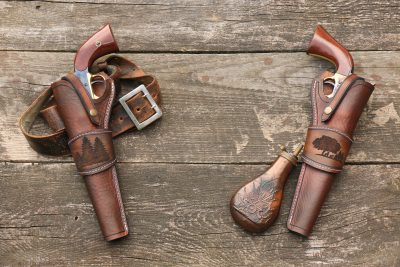
The British Light Dragoon saddle pistol, used in the American Revolution, looks quite a bit different from the semi-automatic Sig Sauer service pistol used by today’s military. The saddle pistol, also called the horse pistol, was designed to be worn on the user’s body or mounted on their saddle. These early pistols could only fire a single shot, while today’s Sig Sauer M18 can be equipped with a 21-round magazine.
To determine which sidearms were used by the U.S. Army since the 18th century, 24/7 Wall St. used data from the Army report Survey of U.S. Army: Uniforms, Weapons, and Accoutrements. For earlier weapons, we listed the era in which they were primarily used, but for more modern handguns, the exact years of use are noted. This list includes flintlock pistols from the earliest days of American independence to modern-day semi-automatics.
Rifles played a key part in the Revolutionary War, alongside muskets, swords, and pistols. Military personnel needed weapons that were strong and durable, and that they could rely on even as the war ramped up. The U.S. Army adopted pistols as some of their main fighting and protectionary measures and have used pistols in some capacity ever since. As society continues to progress, we have seen a significant evolution in guns’ capabilities, accuracy, and reliability. (Learn about the most decisive events of the American Revolution.)
Since the 17th and 18th centuries, firearm technology has grown increasingly complex. Pistols have more weather resistance, are easier and more accurate in use, and can be used in both civilian and military settings. As these weapons have evolved, the U.S. Army even announced plans to adopt the Sig Sauer M17 and M18 as its standard-issue pistols. The decision marked the end of over 30 years of service for the Beretta M9 pistol and is only the latest in a long series of upgrades in the last two and a half centuries. (Here are 15 American military guns of the future.)
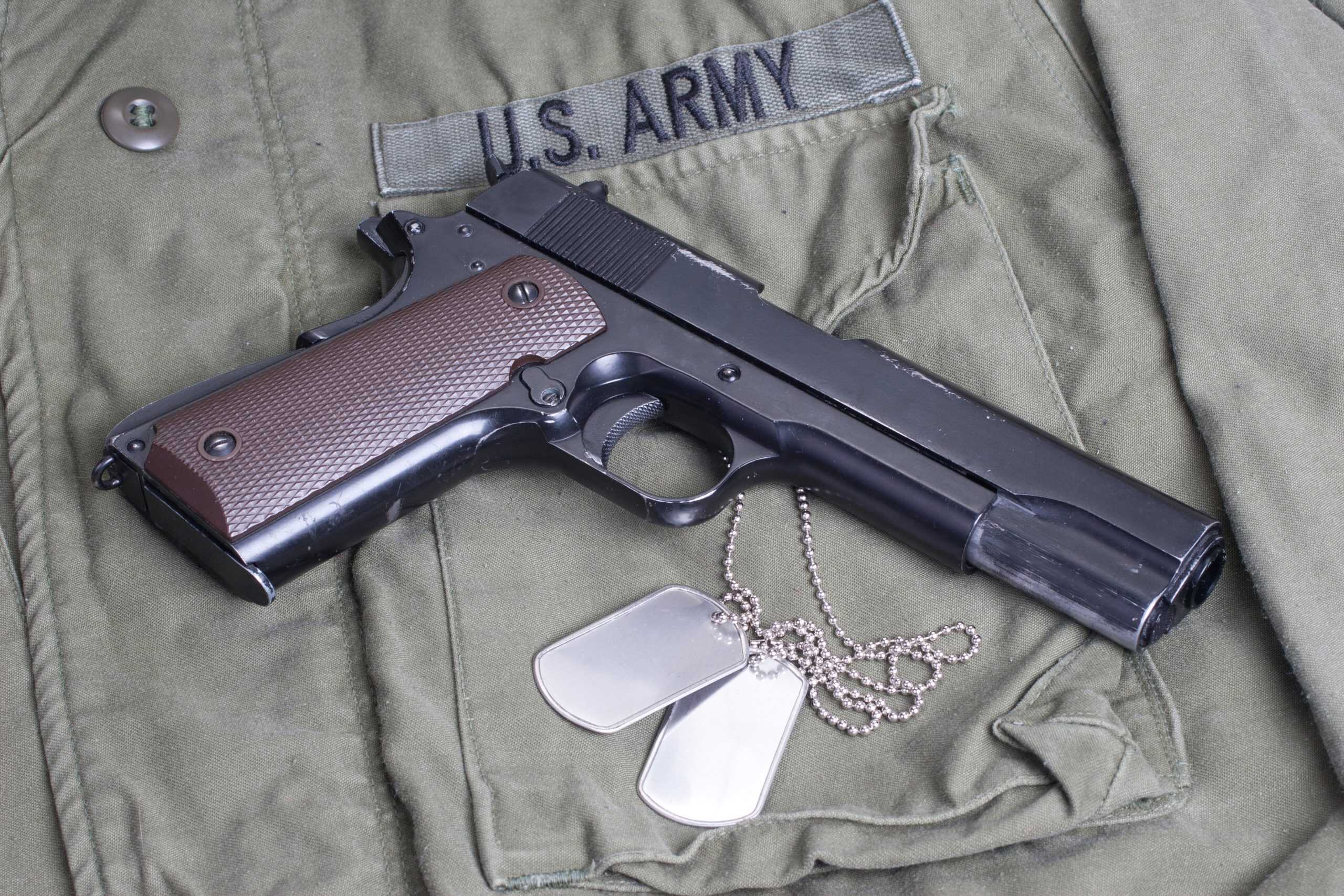
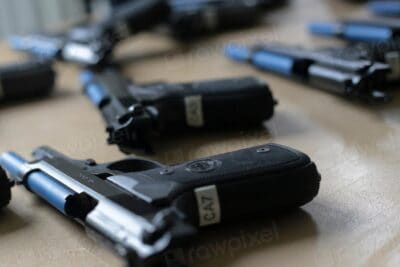
The U.S. Army has been relying on semi-automatic weapons since the first World War. These firearms offer faster reload times and greater magazine capacity than revolvers. The Colt 1911 semi-automatic pistol was used by the U.S. military for decades – from WWI through Vietnam. It was later replaced by the Beretta M9.
This post was updated on September 4, 2025 to clarify calibers of certain firearms, eras and conflicts of use, and timeframe of semi-auto adoption.
Why We’re Covering This
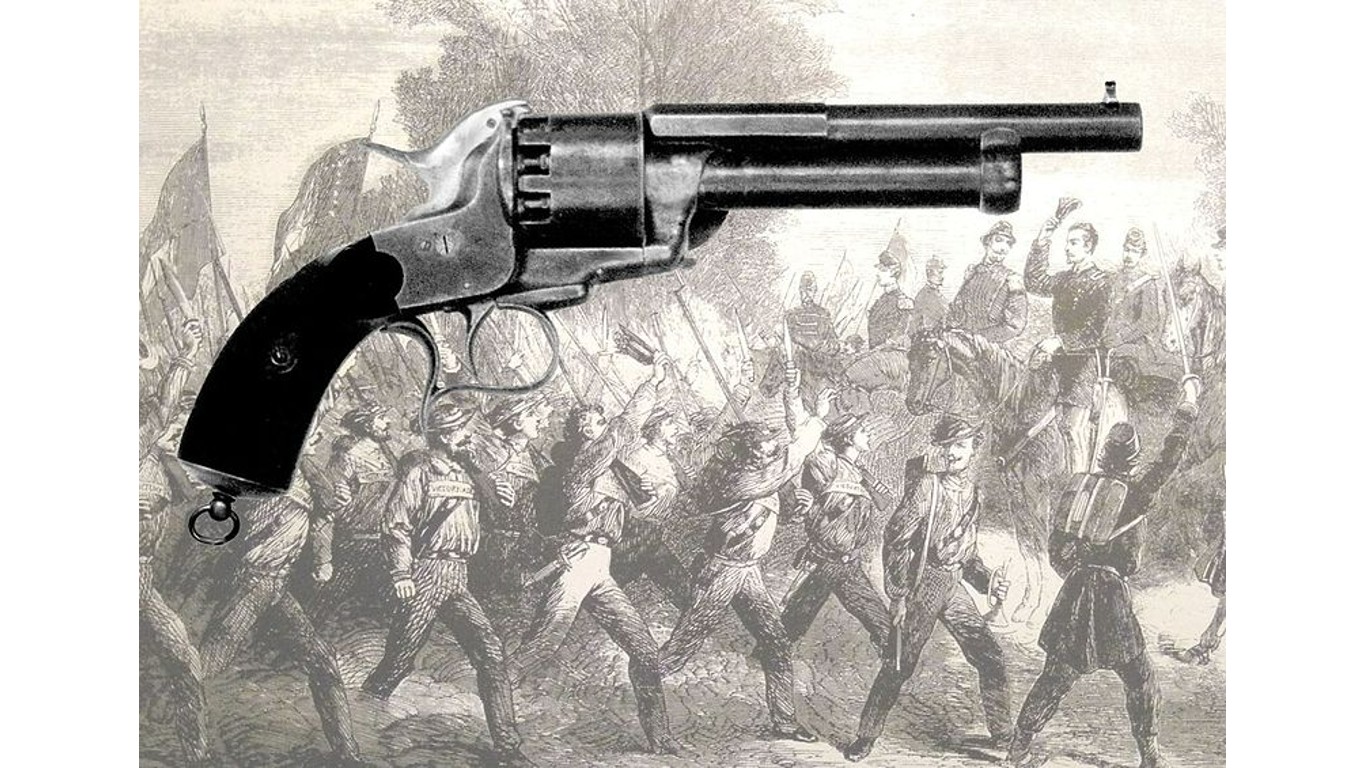
Looking at the evolution of pistols from the 18th century to today provides a fascinating story of technological innovation and military needs. The shift from the hefty 0.70 caliber pistols of the late 18th century to the currently popular 9mm pistols reflects changes in how we view weaponry and strategy. By looking at this centuries-long advancement, 24/7 Wall St. hopes to provide you with a stronger understanding of pistol use in military settings, and why this shift has led to more efficient and reliable weaponry.
Take a look at how standard U.S. Army sidearms have evolved across centuries:
19. British Light Dragoon Saddle Pistol
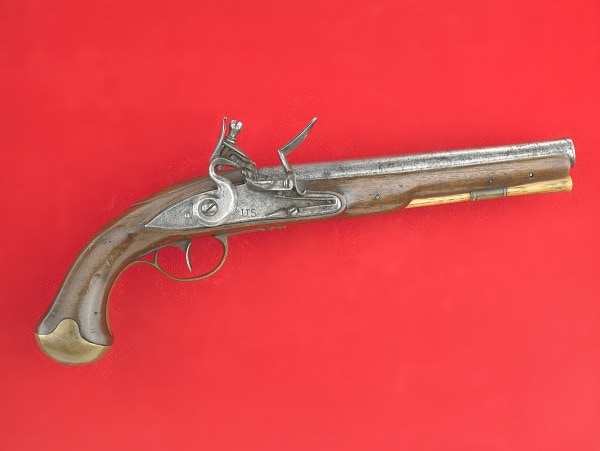
- Primary era of use: Late 18th century
- Notable conflict(s) of the period: American Revolution
- Firearm type: Flintlock
- Chambered in: .65–.69 caliber
18. North Model 1819 Pistol
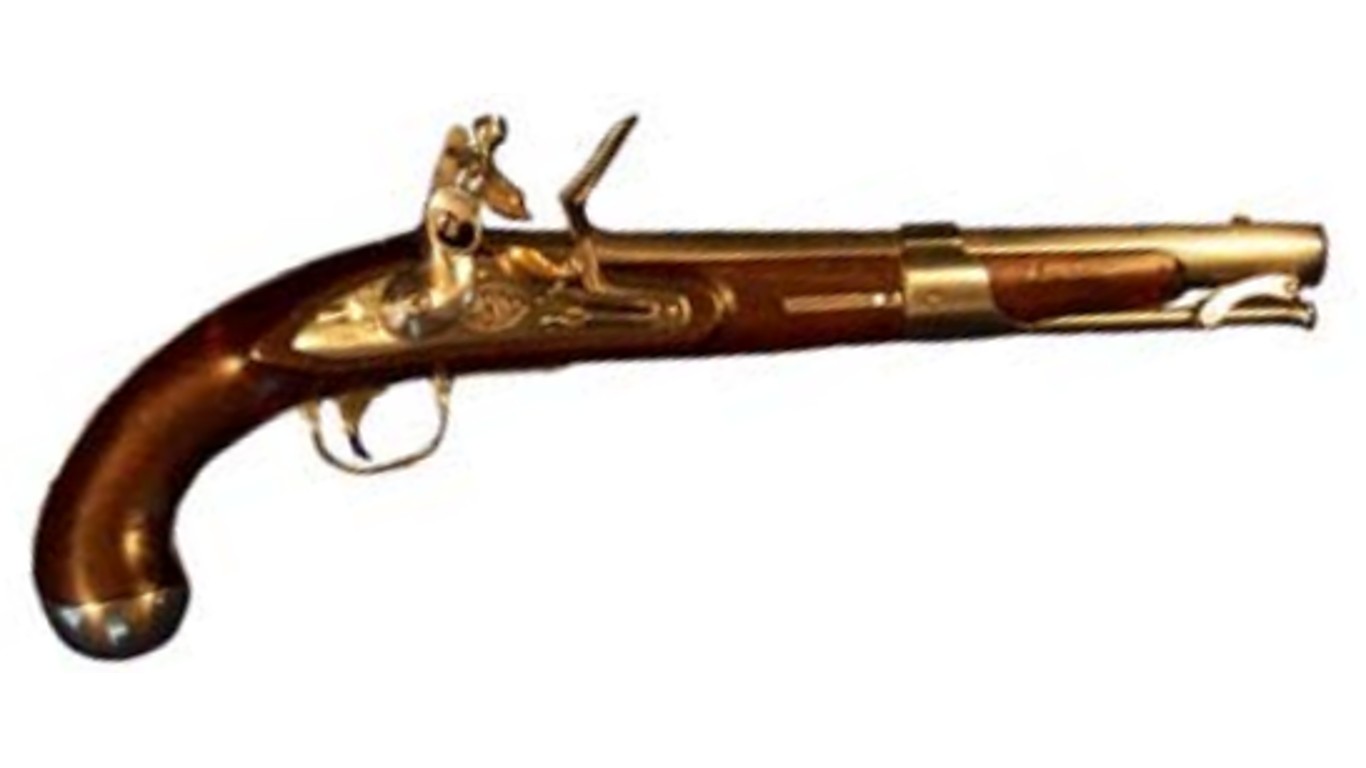
- Production years: 1819-1820
- Firearm type: Flintlock
- Chambered in: .54 caliber
17. Johnson Model 1836 Pistol
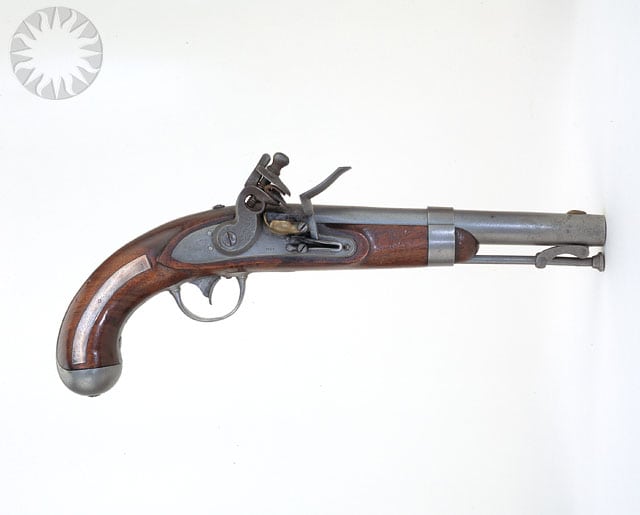
- Production years: 1830s–1840s
- Firearm type: Flintlock
- Chambered in: .54 caliber
16. Model 1842 Percussion Pistol
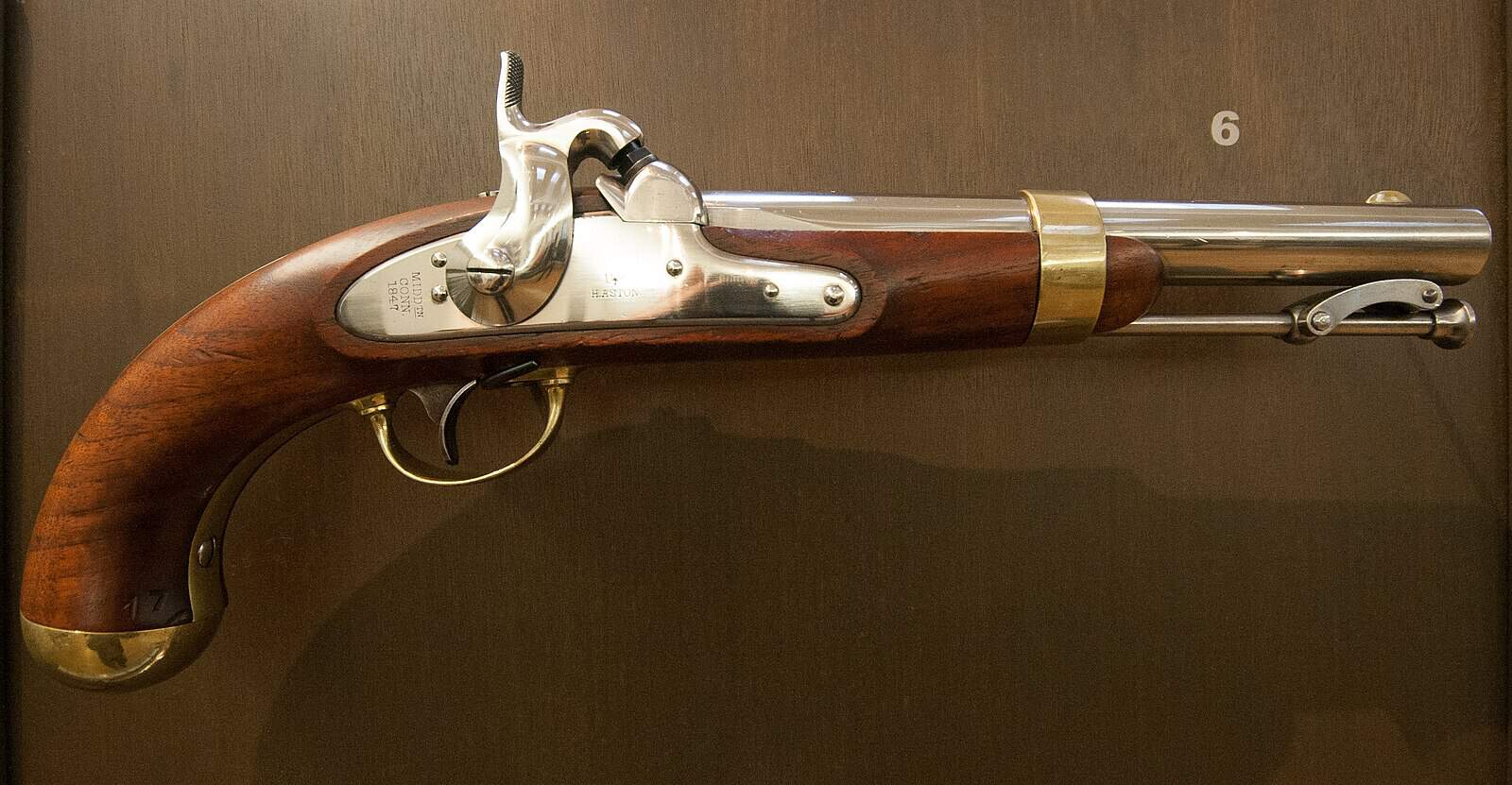
- Production years: 1840s
- Firearm type: Cap lock
- Chambered in: .54 caliber
15. Colt M1851 Navy Model
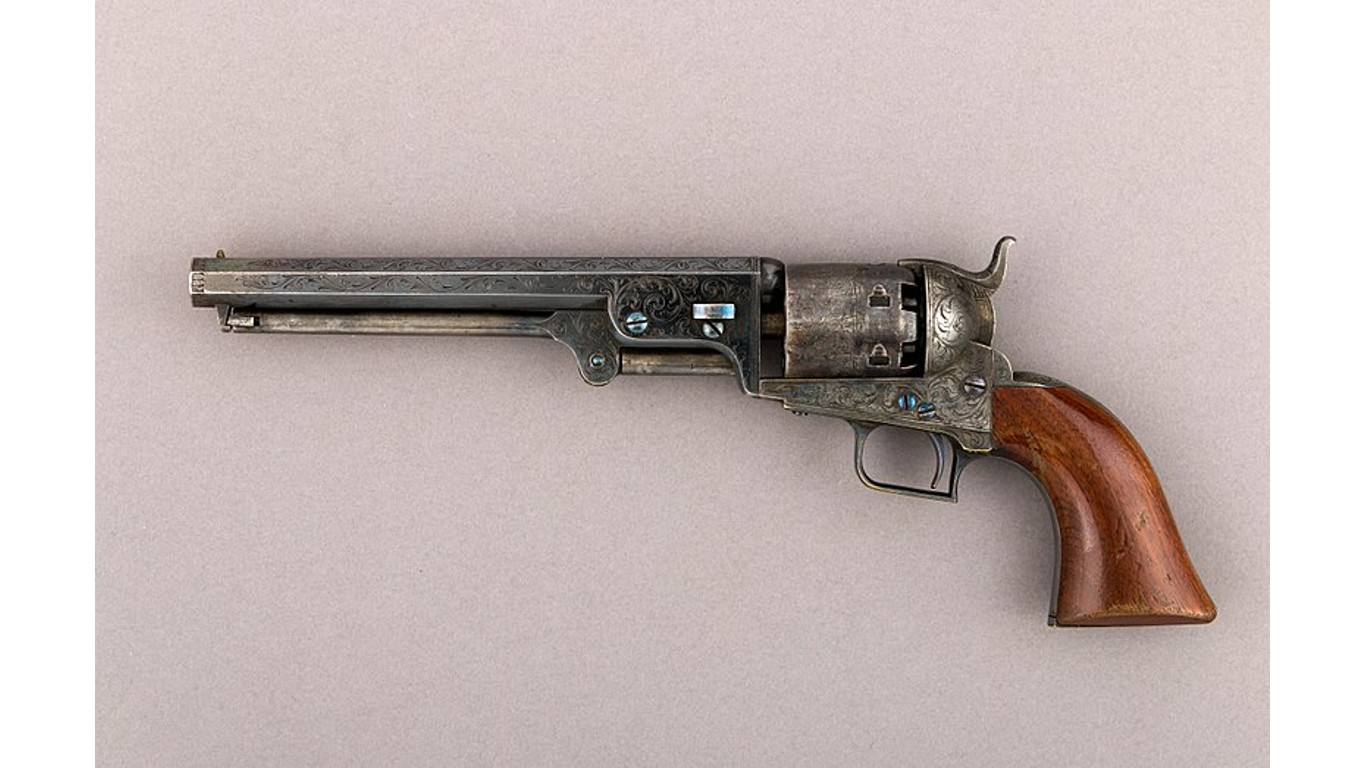
- Primary era of use: 1851-late 1800s
- Notable conflict(s) of the period: Civil War
- Firearm type: Revolver
- Chambered in: .36 caliber
14. Colt M1860 New Army Model

- Primary era of use: 1851-1872
- Notable conflict(s) of the period: Civil War
- Firearm type: Revolver
- Chambered in: .38 Long Colt
13. Remington Army Model

- Primary era of use: 1851-1872
- Notable conflict(s) of the period: Civil War
- Firearm type: Revolver
- Chambered in: .44 caliber
12. Colt New Army Model
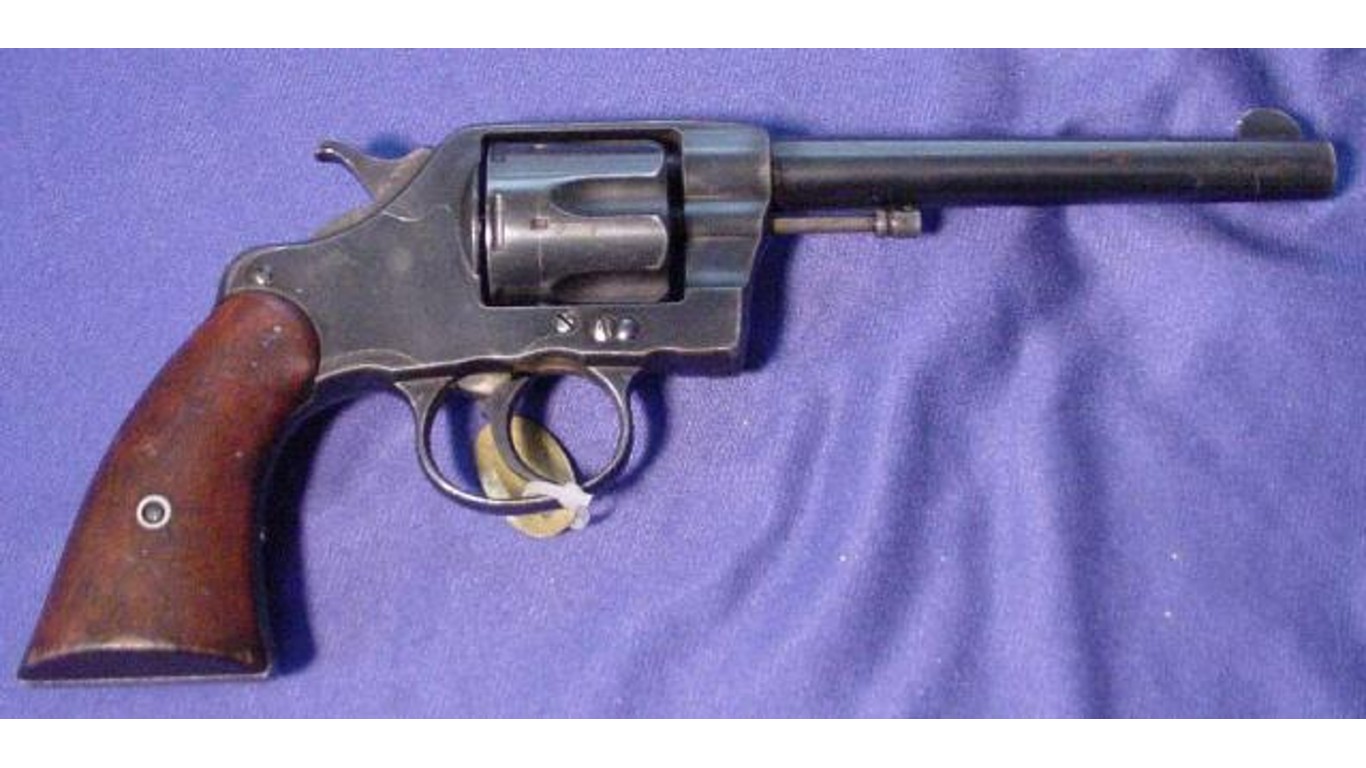
- Primary era of use: 1872-1902
- Notable conflict(s) of the period: Spanish-American War
- Firearm type: Revolver
- Chambered in: .44 caliber
11. Remington Army
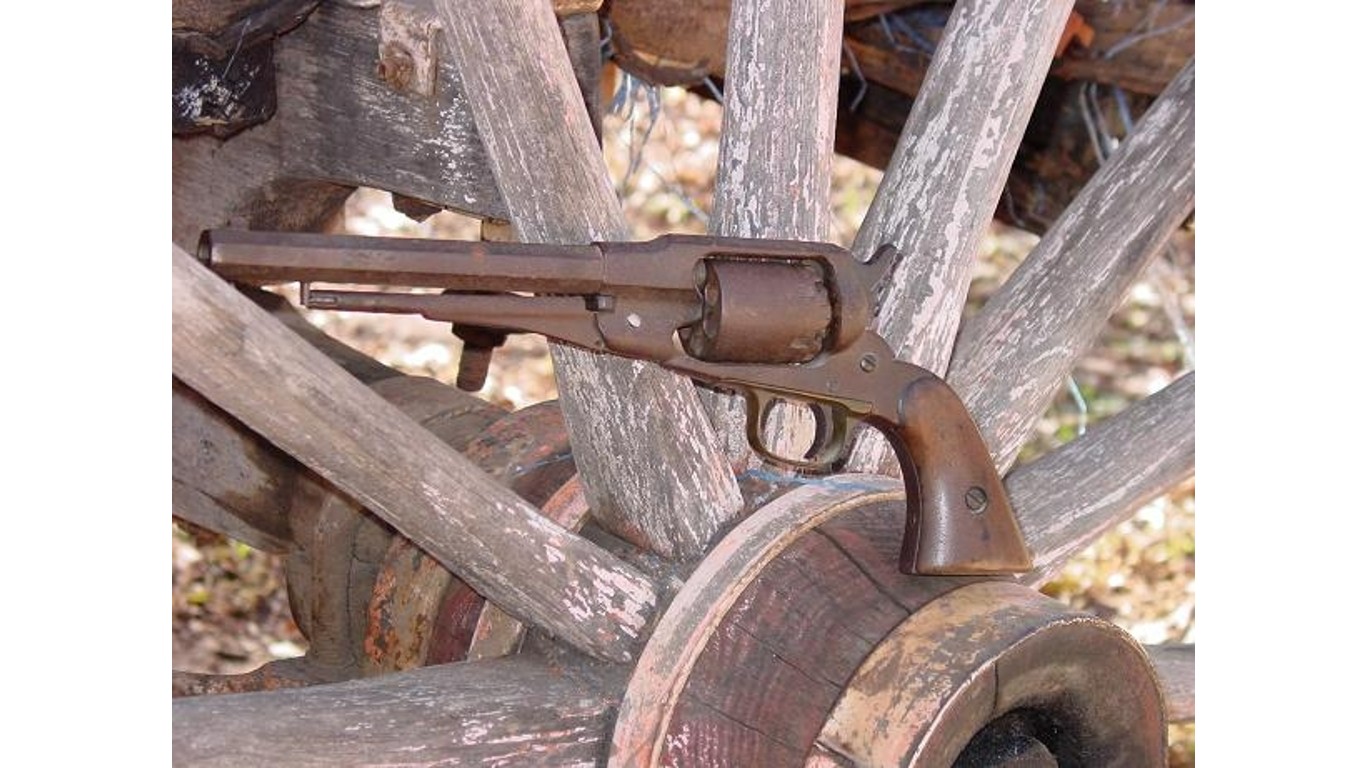
- Primary era of use: 1872-1902
- Notable conflict(s) of the period: Spanish-American War
- Firearm type: Revolver
- Chambered in: .44 caliber
10. Colt Single-Action Army
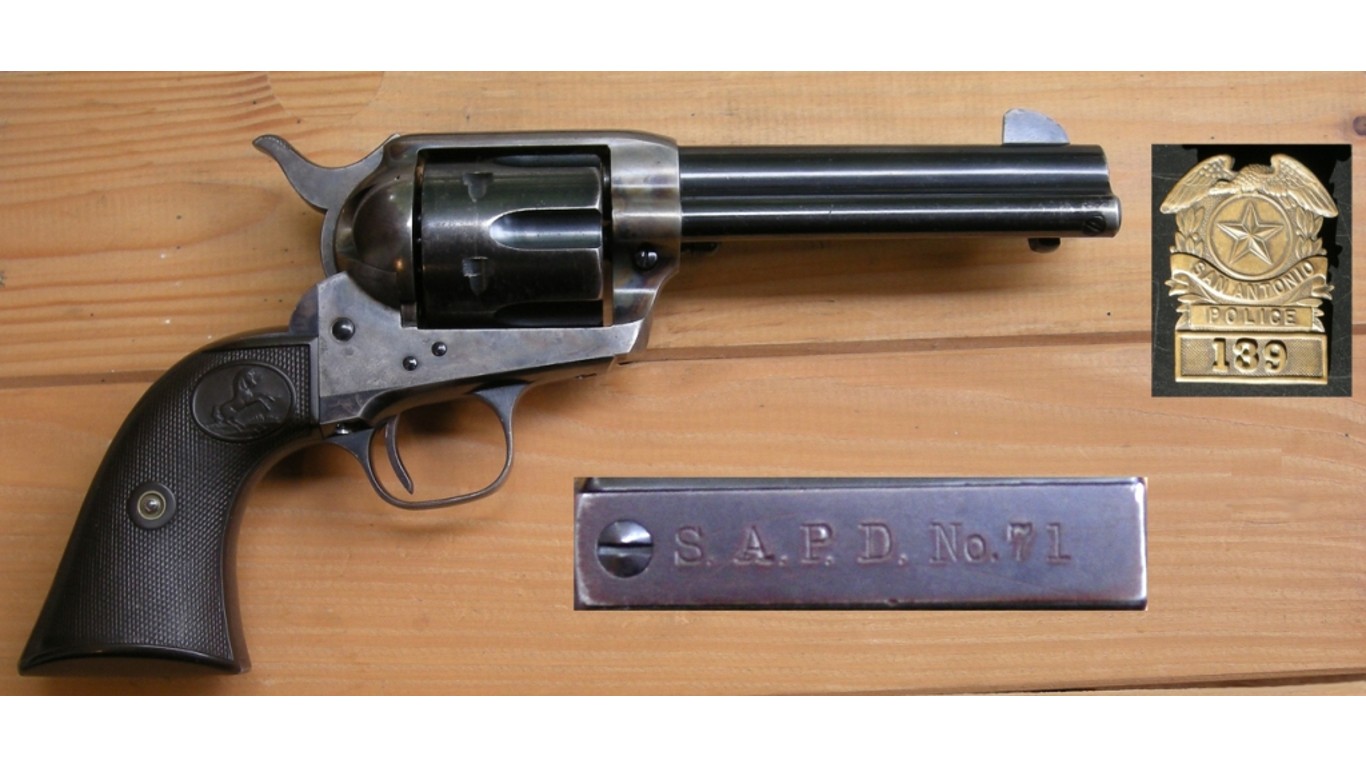
- Primary era of use: 1872-1902
- Notable conflict(s) of the period: Spanish-American War
- Firearm type: Revolver
- Chambered in: .45 caliber
9. Smith & Wesson No. 3
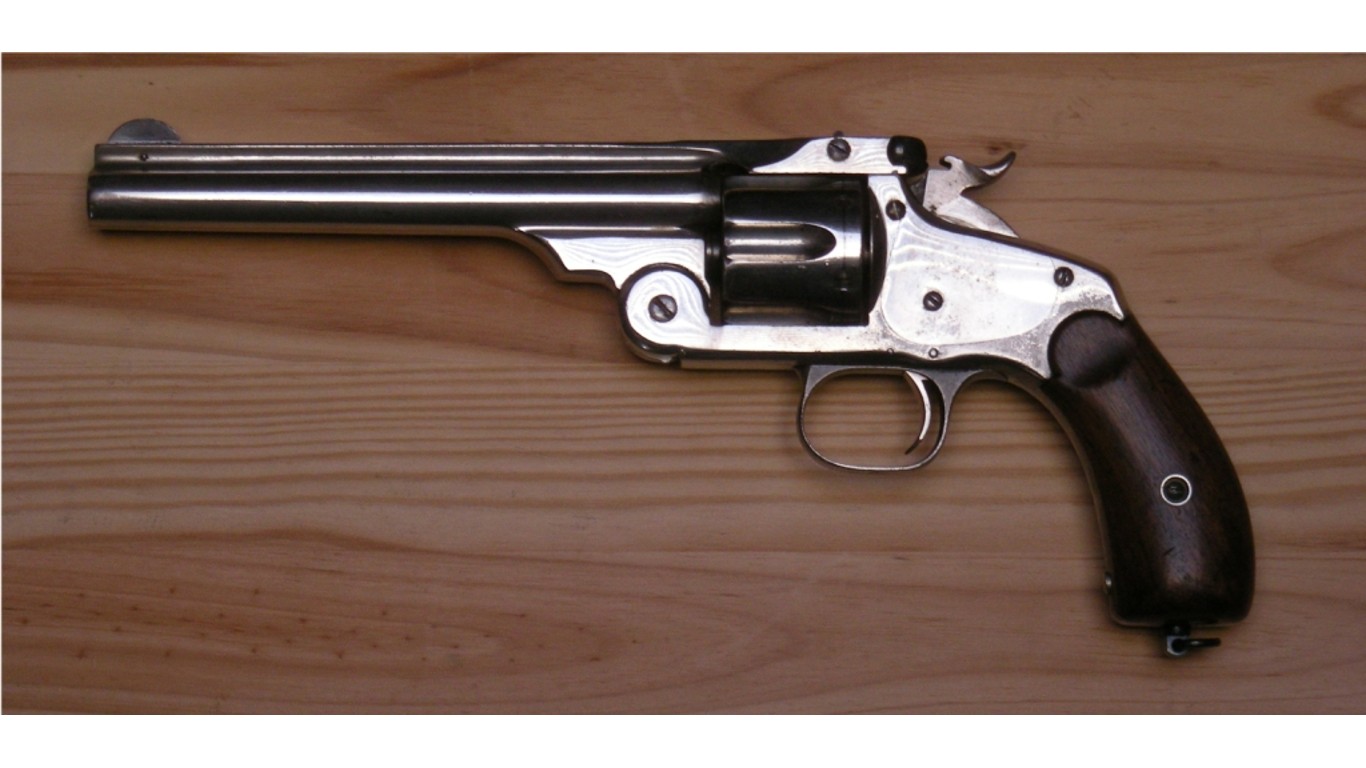
- Primary era of use: 1872-1902
- Notable conflict(s) of the period: Spanish-American War
- Firearm type: Revolver
- Chambered in: .44 American, .44 Russian, or .45 Schofield
7. Colt Model 1901
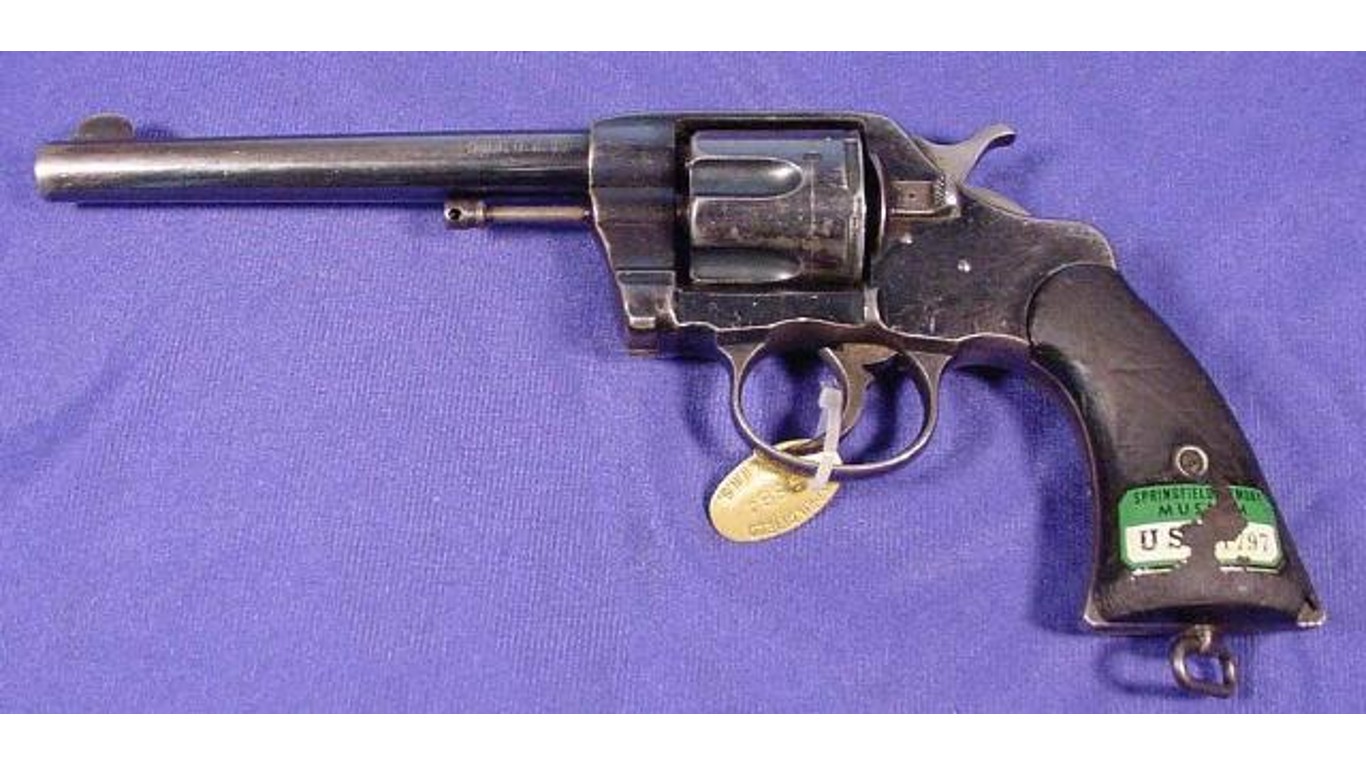
- Primary era of use: 1902-1926
- Firearm type: Revolver
- Chambered in: .38 caliber
6. Colt Model 1909
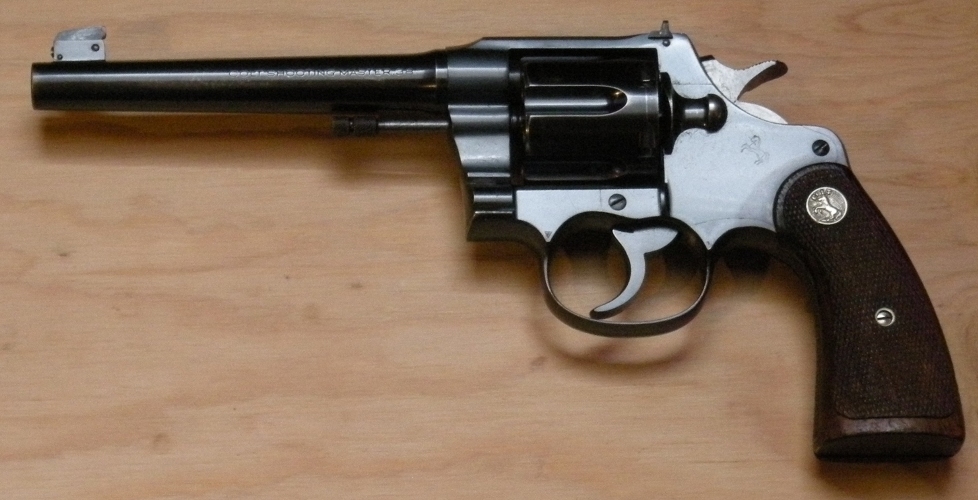
- Primary era of use: 1902-1926
- Firearm type: Revolver
- Chambered in: .45 caliber
5. Colt/Smith & Wesson Model 1917
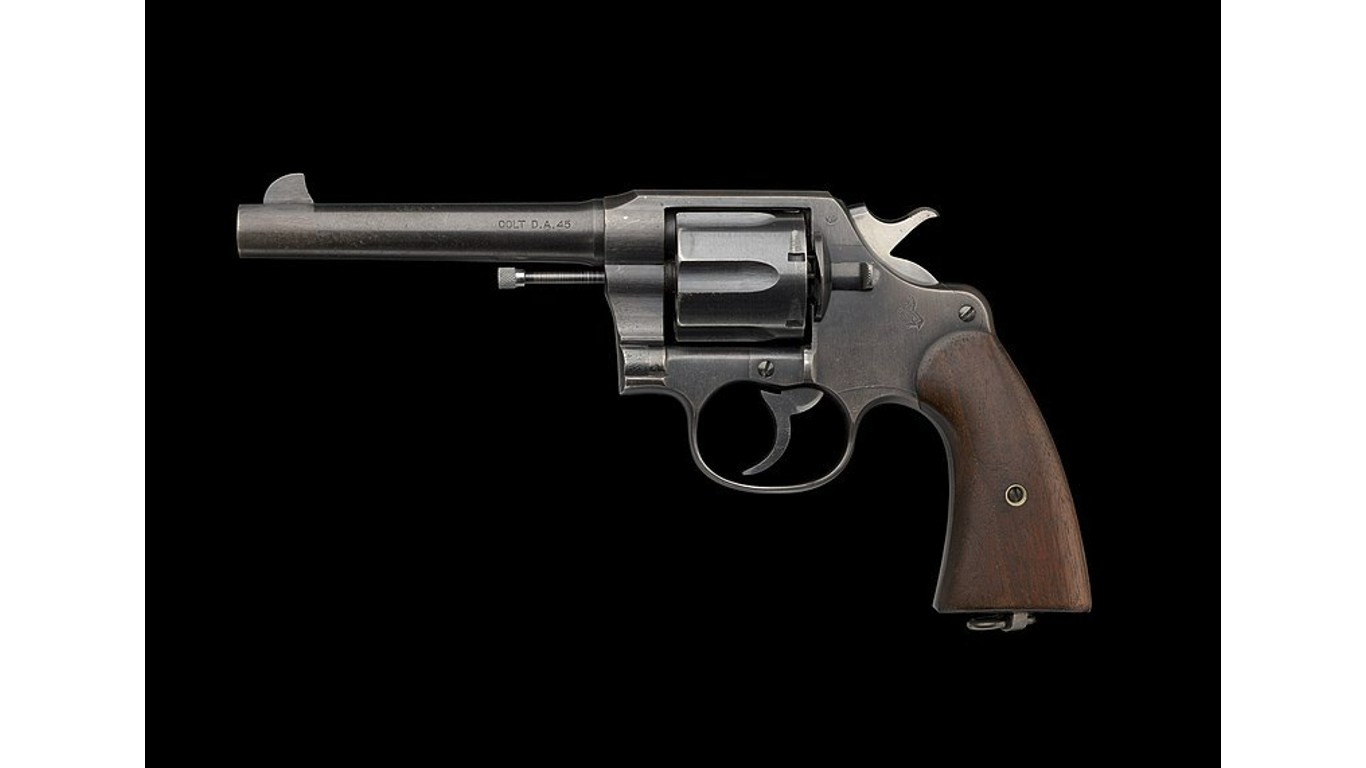
- Primary era of use: 1902-1945
- Notable conflict(s) of the period: World War I
- Firearm type: Revolver
- Chambered in: .45 caliber
4. Smith & Wesson Victory Model

- Primary era of use: 1926-1956
- Notable conflict(s) of the period: World War II
- Firearm type: Revolver
- Chambered in: .38 caliber
3. Colt Model 1911
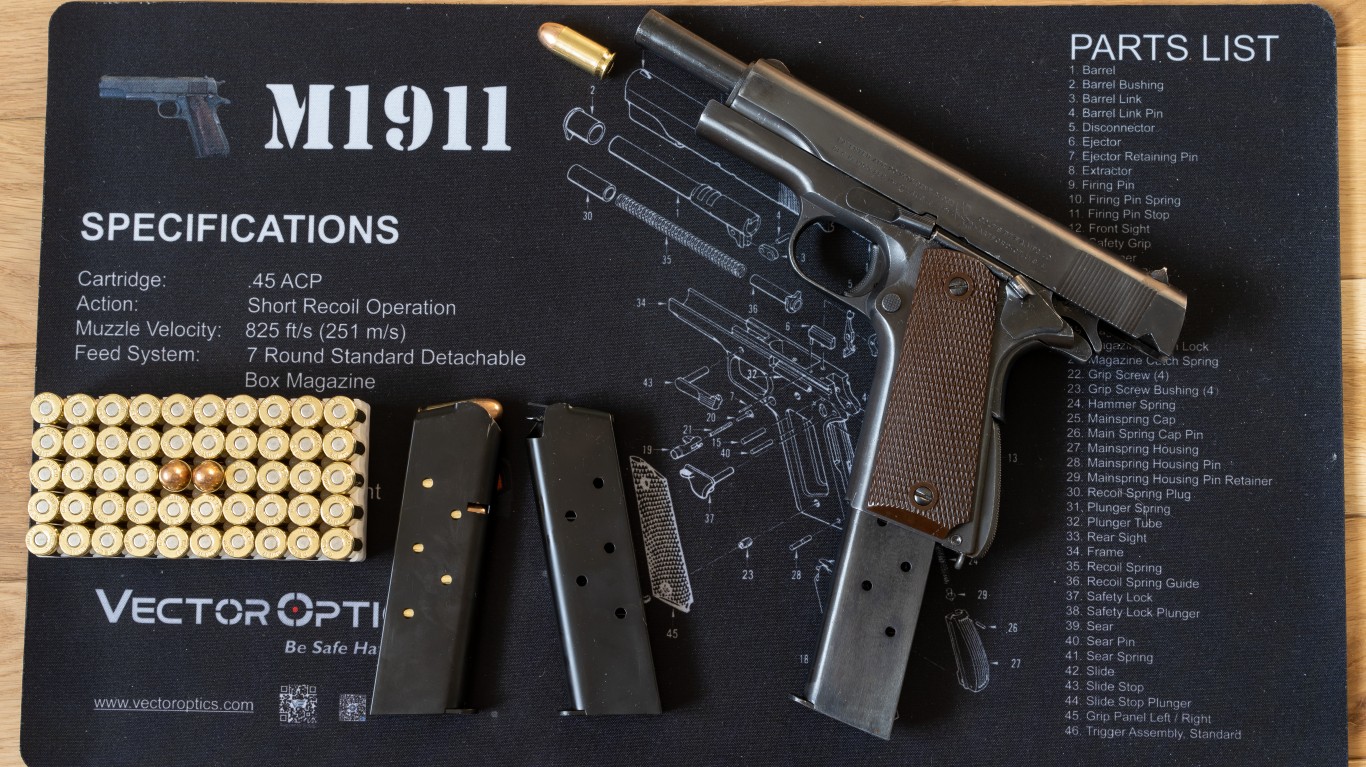
- Primary era of use: 1912-1985
- Notable conflict(s) of the period: World War I, World War II, Vietnam War
- Firearm type: Semi-automatic
- Chambered in: .45 caliber
2. Beretta M9/92 FS
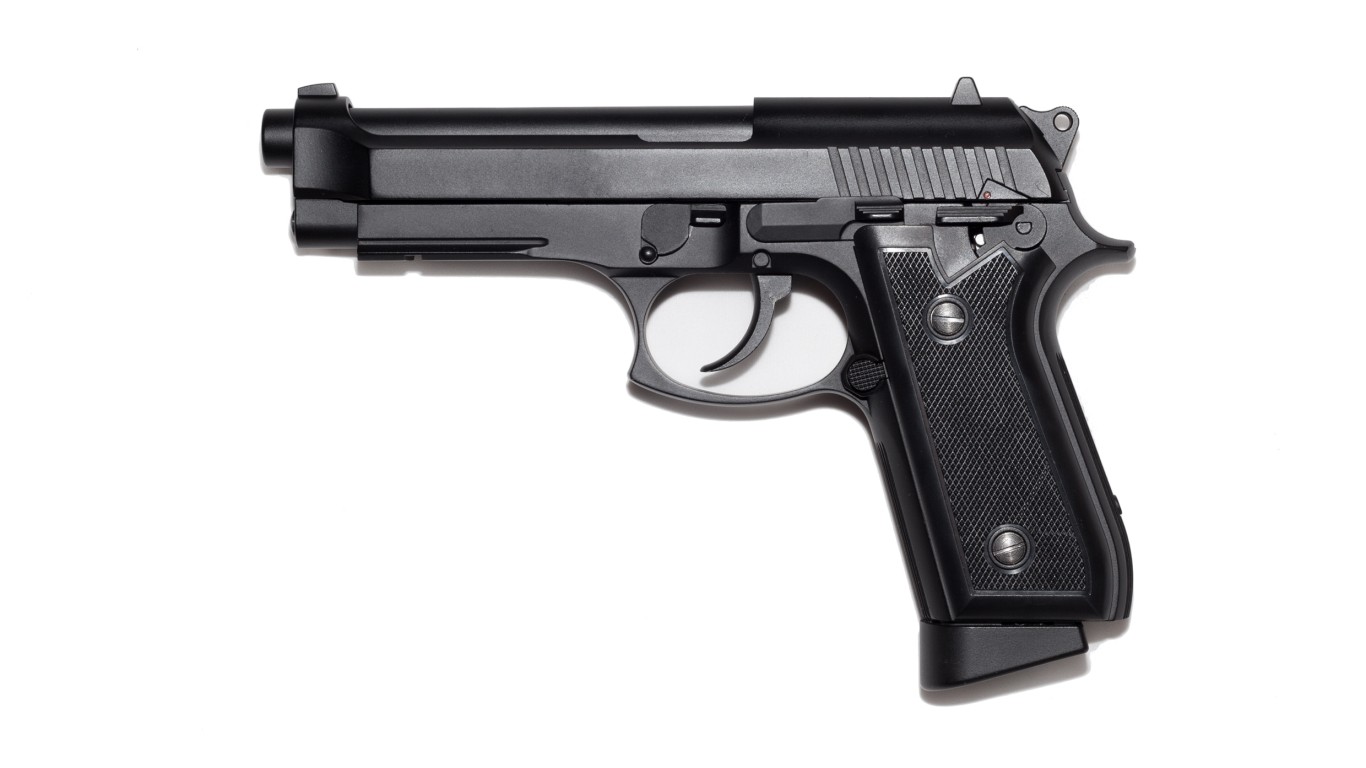
- Primary era of use: 1985-2017
- Notable conflict(s) of the period: Wars in Iraq and Afghanistan
- Firearm type: Semi-automatic
- Chambered in: 9mm
1. Sig Sauer M17 & M18
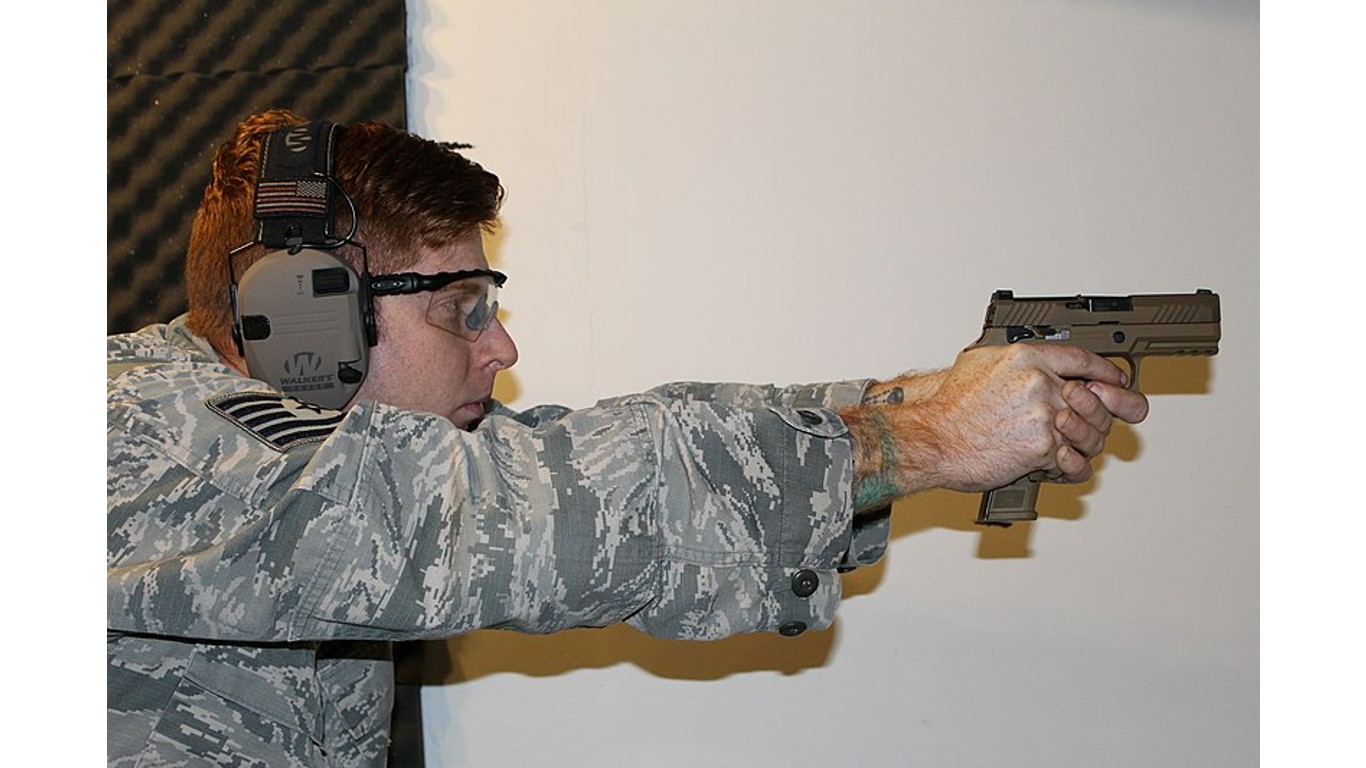
- Primary era of use: 2017-present
- Firearm type: Semi-automatic
- Chambered in: 9mm







 Top Gaining Stocks
 Top Losing Stocks