


Sidearms occupy a unique space in military history because they are carried not for dominance, but for disaster. When a rifle jams, runs empty, or becomes unusable in the chaos of close combat, the handgun becomes the final layer of defense between a service member and catastrophe. Across generations of American warfare certain pistols and revolvers earned a reputation for unwavering dependability. Here, 24/7 Wall St. is taking a closer look at the sidearms US troops trusted when their primary weapon went silent.
To determine the sidearms that US troops trust the most, 24/7 Wall St. reviewed various historical and military sources. We included supplemental information for each sidearm regarding the manufacturer, cartridge, when it was introduced, which branches are known for using it most, as well as its overall reputation on the battlefield
Here is a look at some of the most trusted sidearms used by US troops:
Why Are We Covering This?
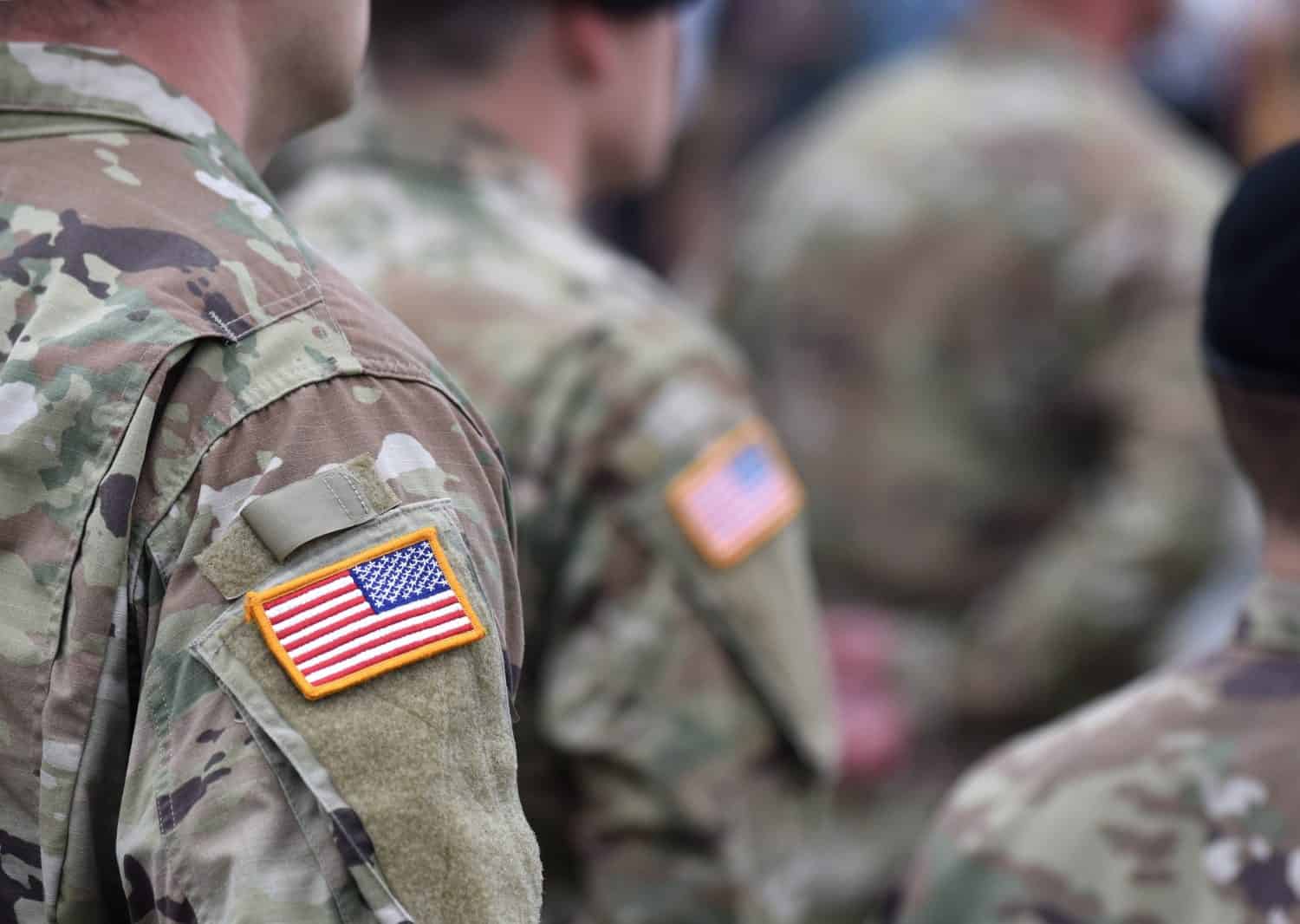
Understanding the role of the military sidearm means understanding how war actually unfolds where survival depends on preparation for failure. While rifles define battlefield dominance, sidearms define battlefield resilience. These weapons were carried for scenarios that no doctrine could fully predict: a jammed primary weapon, a sudden close-quarters encounter, or a fight measured in feet instead of yards. Examining the handguns U.S. troops trusted reveals a deeper truth about military readiness, that victory often belongs not to the best-equipped force, but to the one prepared for the instant when everything goes wrong.
When the Rifle Failed, Seconds Decided Everything
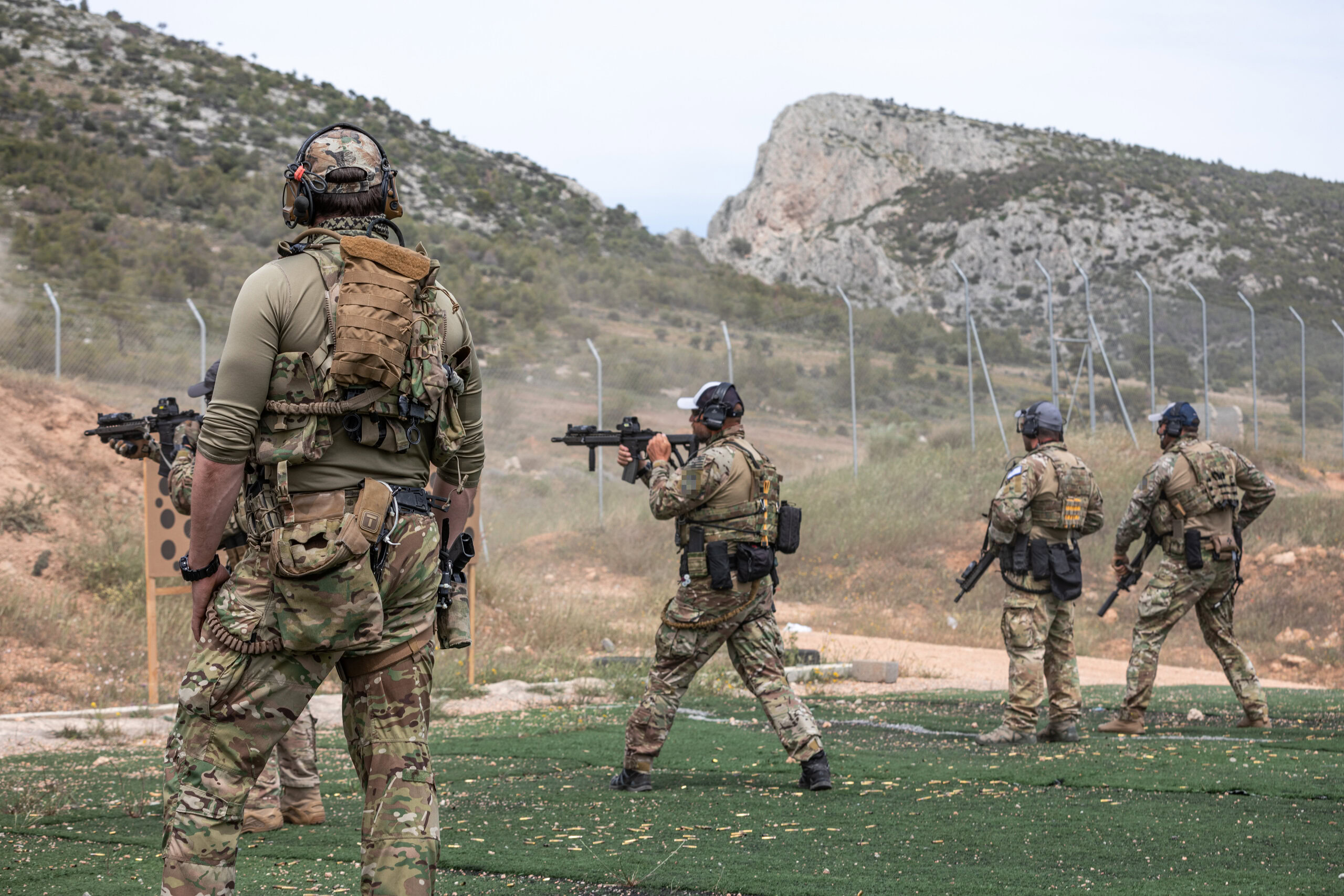
In combat, redundancy is survival. Rifles may dominate the battlefield, but history shows they can jam, run empty, break, or simply prove too large for the immediacy of close-quarters violence. When that happened, American troops reached for the one weapon designed for the worst moment imaginable — the sidearm. More than a backup, it was a lifeline carried with the expectation that if it was drawn, the stakes were already critical.
The Psychology of the Last-Resort Weapon
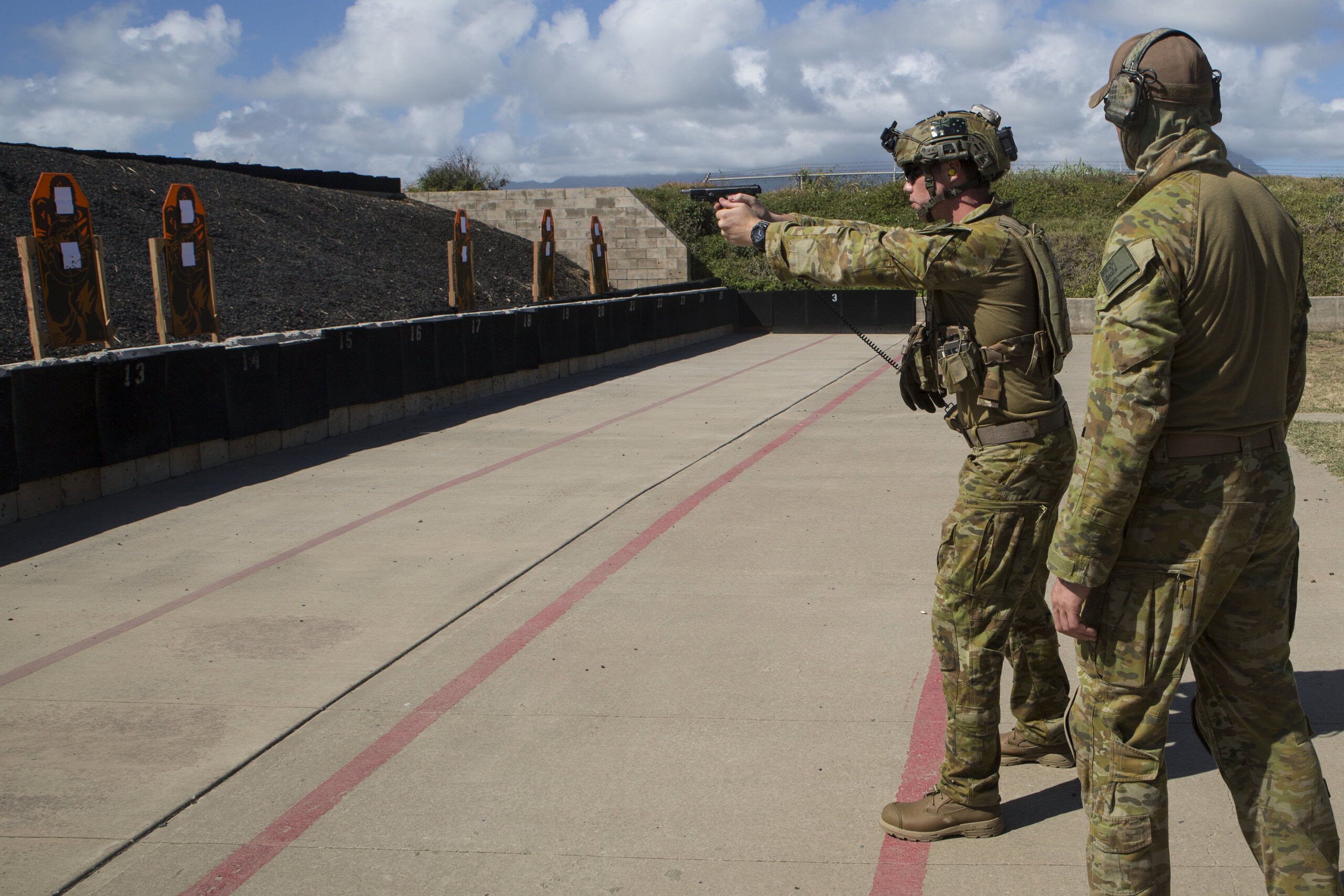
A soldier does not carry a handgun expecting convenience; it is carried for catastrophe. Sidearms represent a unique category of military equipment because their value is measured less by frequency of use and more by the consequences of failure. Trust becomes the defining metric. Troops needed absolute confidence that the weapon on their hip would fire without hesitation when distance collapsed and reaction time vanished.
From Cavalry Revolvers to Modular Combat Pistols
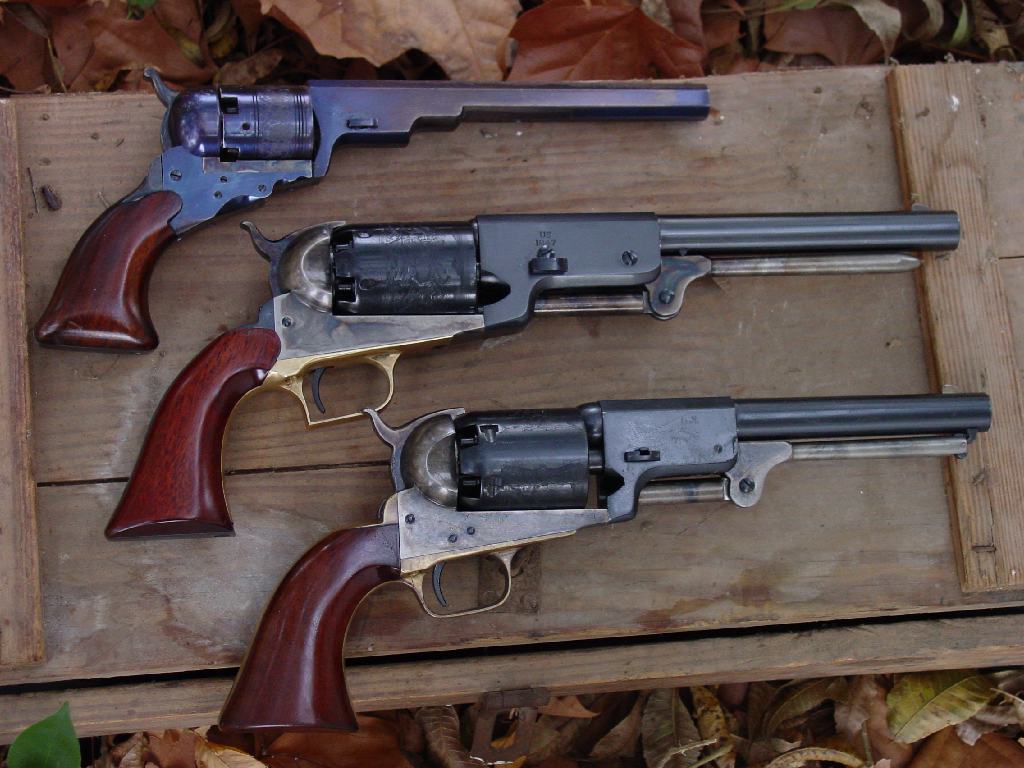
The evolution of American sidearms mirrors the evolution of warfare itself. Early revolvers rode with mounted troops across unforgiving terrain, while steel-framed pistols accompanied soldiers through industrialized global wars. Today’s modular handguns reflect a force preparing for unpredictable engagements. Despite dramatic technological change, one requirement has never shifted: when the primary weapon goes silent, the sidearm must speak immediately.
Why Reliability Always Outweighed Innovation
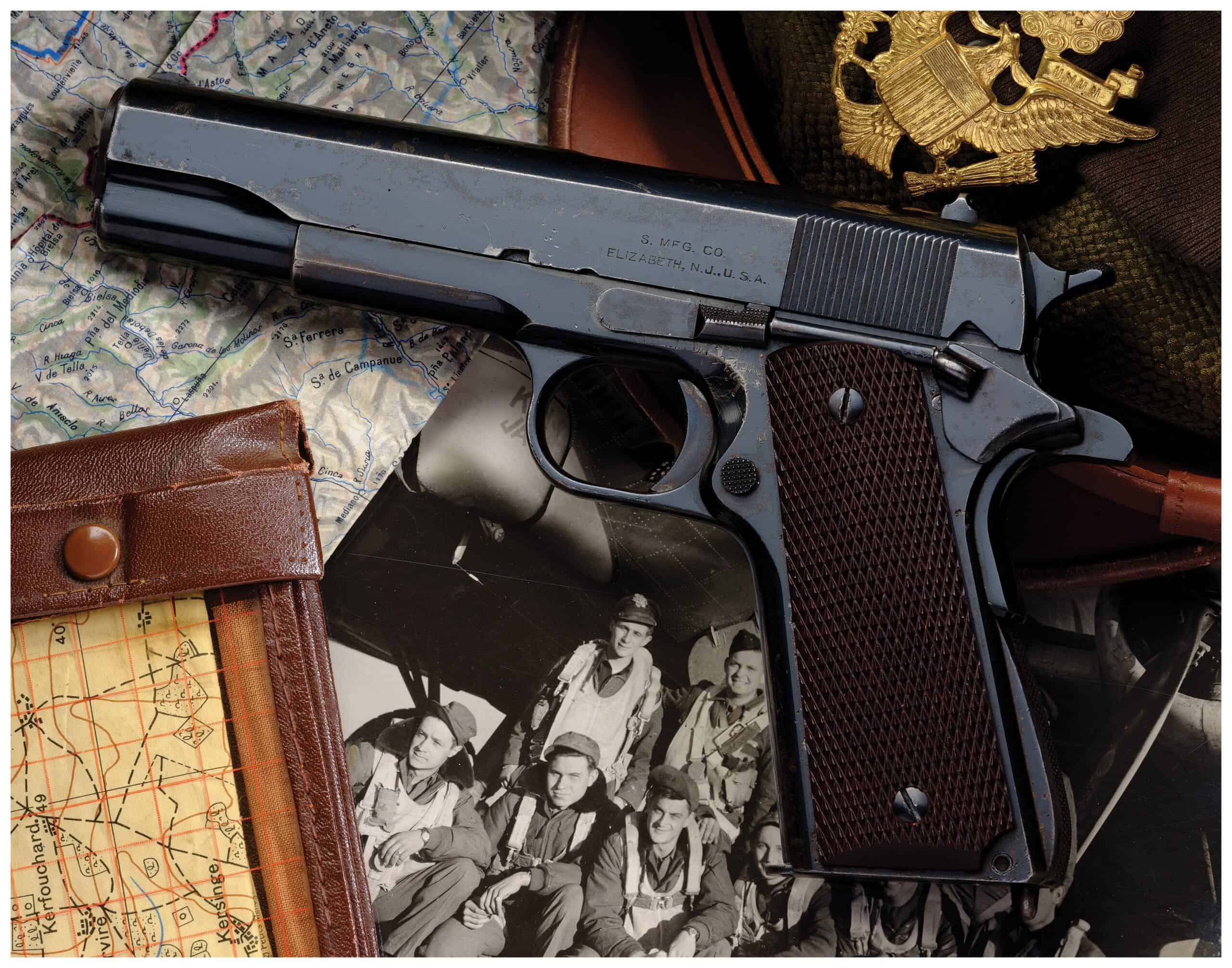
Military procurement often celebrates breakthrough technology, yet sidearms have historically been chosen for the opposite reason — mechanical certainty. In an emergency, complexity becomes a risk. The handguns that endured were not always the newest or fastest, but the ones that functioned under mud, sand, saltwater, and neglect. Reliability was not a marketing claim; it was a battlefield prerequisite.
Weapons Carried for the Moment No One Planned For
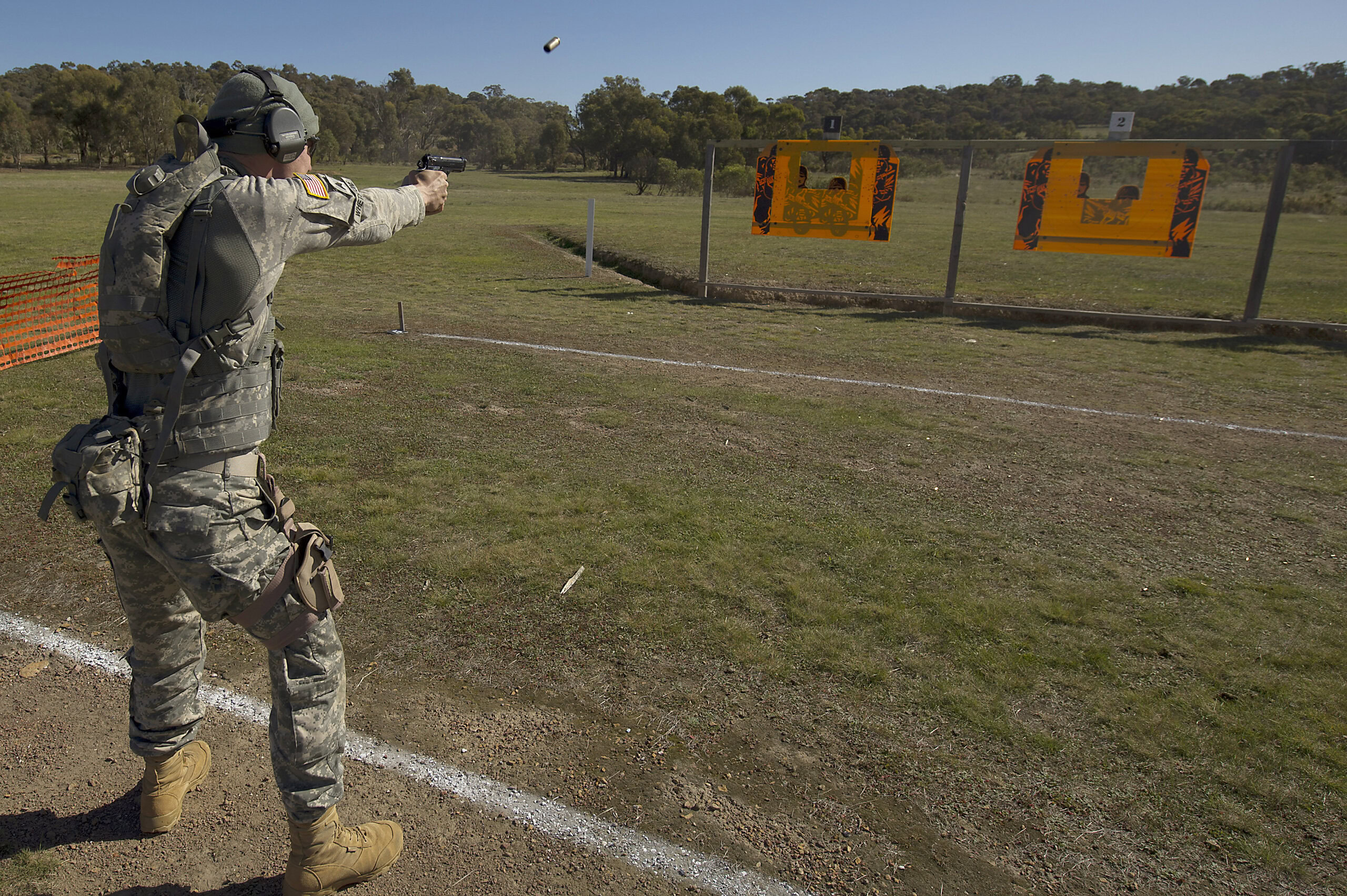
Most service members hope never to draw their sidearm in combat. Yet war has a way of compressing distance and unraveling plans without warning. These pistols and revolvers were carried for that moment — the unexpected breach, the empty magazine, the fight measured in feet instead of yards. Across generations of American warfare, they became symbols of preparedness when everything else went wrong.
Colt Single Action Army (M1873)
- Manufacturer: Colt
- Type: Revolver
- Cartridge / caliber: .45 Colt
- Year introduced to service: 1873
- Primary conflict(s) or service era: Indian Wars / Early Expeditions
- Branch(es) most associated: U.S. Army
- Battlefield reputation: Frontier-proven reliability
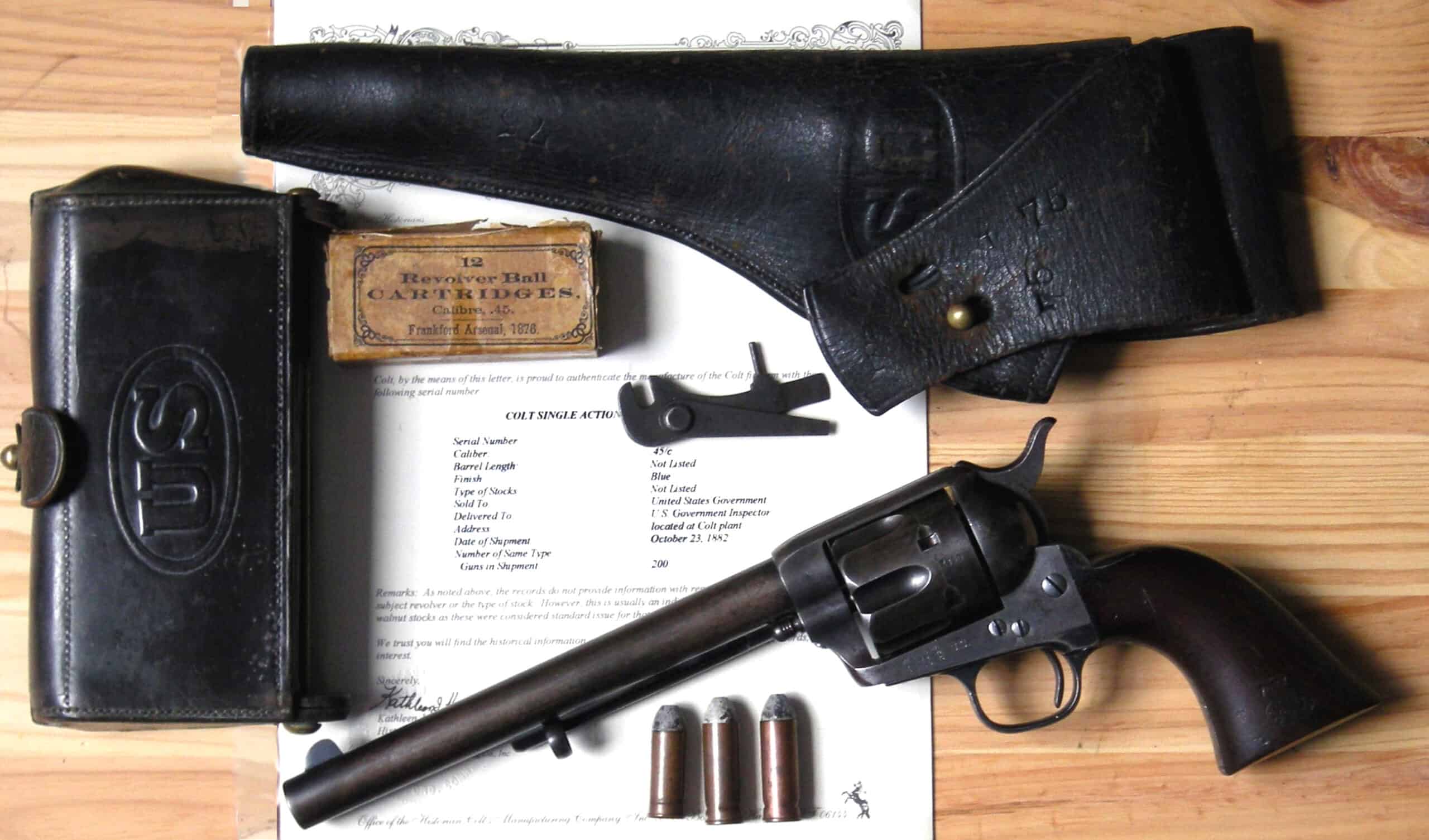
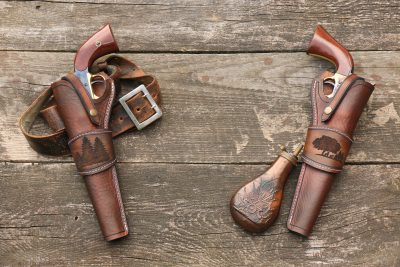
The Colt Single Action Army earned its reputation on the American frontier, where cavalry troopers needed a sidearm that would fire every time, regardless of dust, mud, or weather. When rifles were impractical on horseback or disabled in close encounters, this revolver provided immediate stopping power. Its mechanical simplicity and rugged construction made it a trusted last-resort weapon during some of the Army’s earliest expeditionary fights.
Smith & Wesson Model 3 Schofield

- Manufacturer: Smith & Wesson
- Type: Revolver
- Cartridge / caliber: .45 Schofield
- Year introduced to service: 1875
- Primary conflict(s) or service era: Indian Wars
- Branch(es) most associated: U.S. Army Cavalry
- Battlefield reputation: Fast-reloading mounted sidearm
The Schofield’s top-break design allowed cavalry soldiers to reload far faster than with traditional revolvers, a critical advantage when a primary weapon failed mid-engagement. Troops could eject spent casings and reload with one hand while controlling a horse. That practical battlefield innovation transformed the handgun into a genuine emergency fighting tool rather than a backup of convenience.
Colt M1892 New Army & Navy
- Manufacturer: Colt
- Type: Revolver
- Cartridge / caliber: .38 Long Colt
- Year introduced to service: 1892
- Primary conflict(s) or service era: Philippine–American War
- Branch(es) most associated: U.S. Army / Navy
- Battlefield reputation: Early modern service revolver
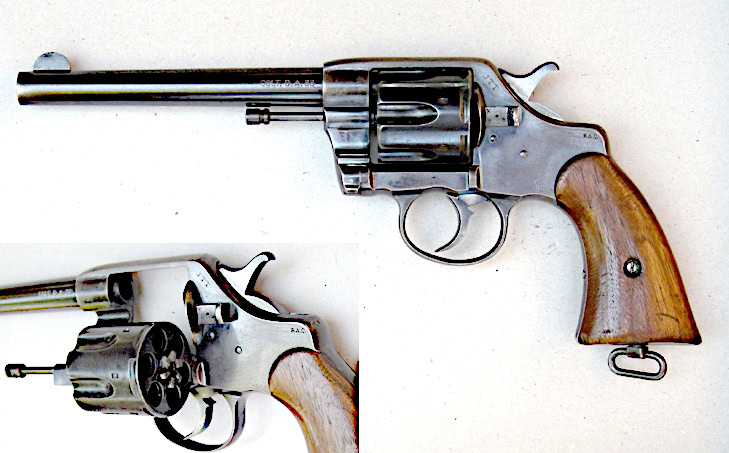
The M1892 represented the Army’s early attempt at modernizing its sidearms with a swing-out cylinder and double-action capability. Although later criticized for limited stopping power, it was widely carried during the Philippine–American War, where jungle ambushes often forced sudden close-range fights. In those moments, the revolver remained the weapon troops depended on when long guns were unavailable.
Colt M1909 Revolver
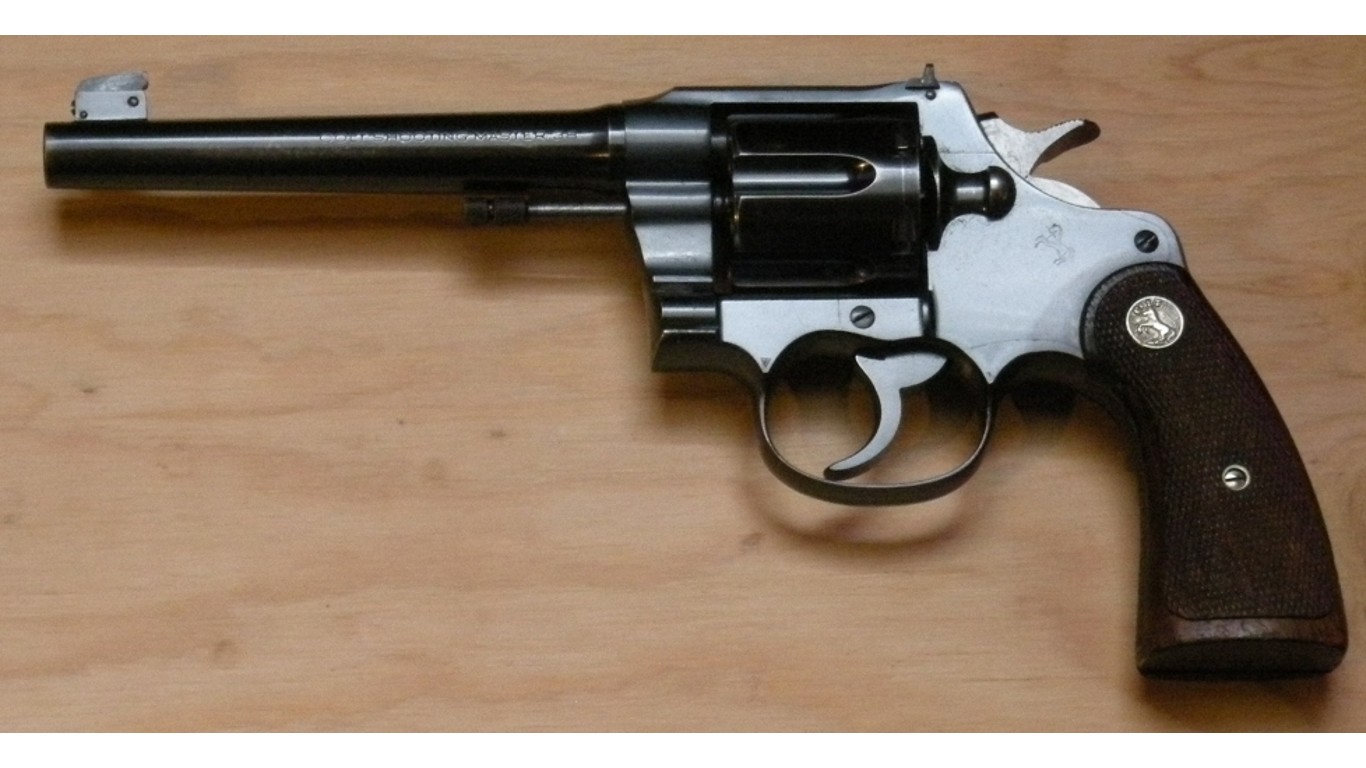
- Manufacturer: Colt
- Type: Revolver
- Cartridge / caliber: .45 Colt
- Year introduced to service: 1909
- Primary conflict(s) or service era: Philippine Campaigns
- Branch(es) most associated: U.S. Army
- Battlefield reputation: Return to heavier stopping power
Combat experience quickly proved that heavier bullets mattered in emergency encounters, prompting the Army to field the Colt M1909. Chambered in .45 Colt, it restored confidence among troops who needed decisive stopping power when engagements collapsed into close quarters. The revolver stands as a direct example of battlefield lessons reshaping procurement around survival.
Smith & Wesson Victory Model
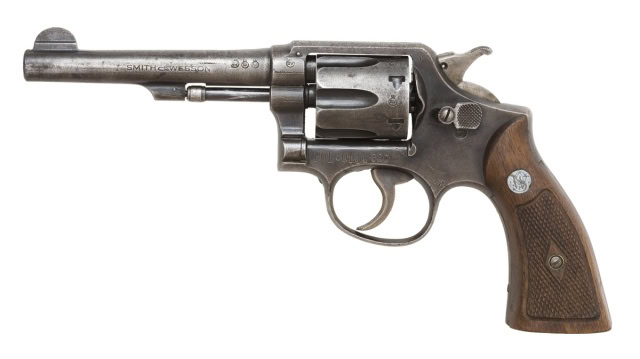
- Manufacturer: Smith & Wesson
- Type: Revolver
- Cartridge / caliber: .38 Special
- Year introduced to service: 1942
- Primary conflict(s) or service era: WWII
- Branch(es) most associated: U.S. Navy / Aircrews
- Battlefield reputation: Widely issued wartime sidearm
The Victory Model quietly armed thousands of aviators, guards, and naval personnel during World War II. While not glamorous, it was dependable and easy to maintain, qualities that mattered when crews bailed out behind enemy lines or security forces faced sudden threats. Its widespread issuance reflected institutional confidence that it would function when a more powerful weapon was out of reach.
Colt M1911
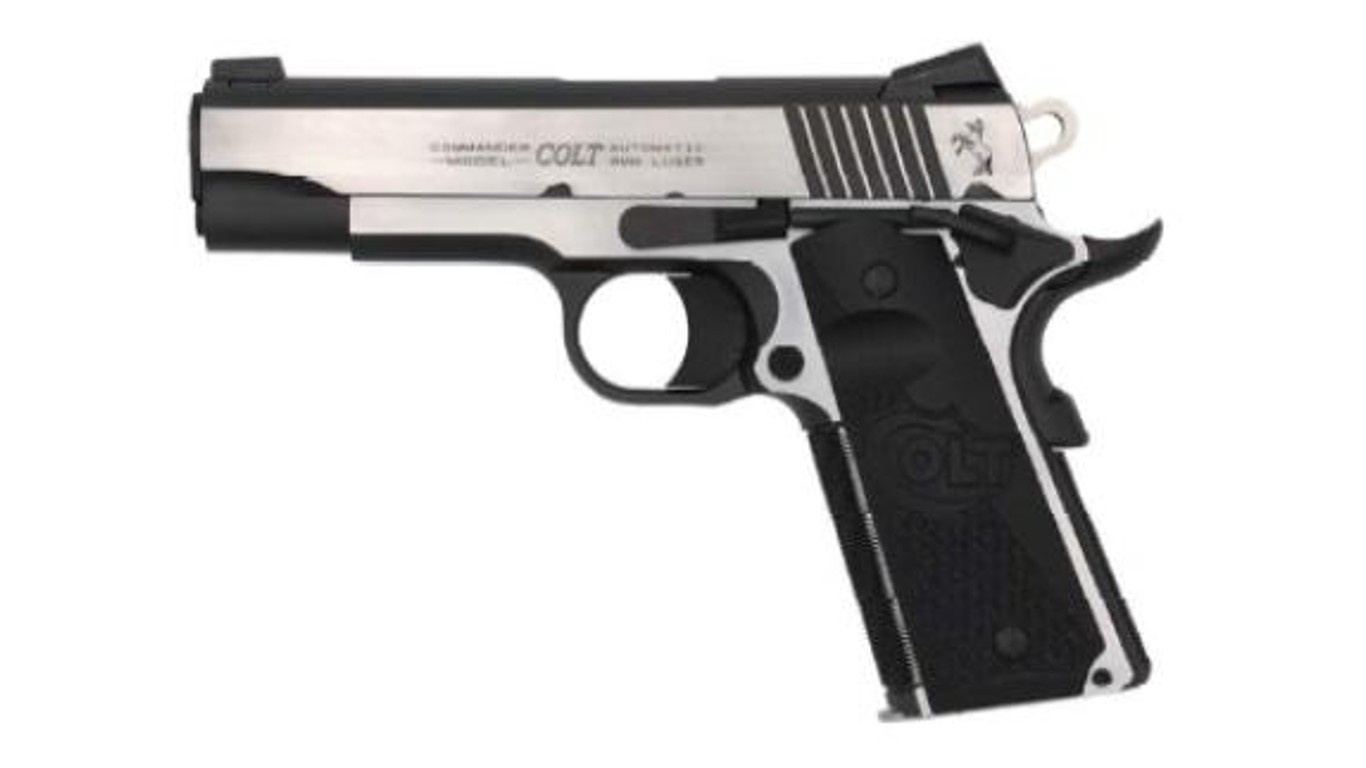
- Manufacturer: Colt
- Type: Semi-automatic pistol
- Cartridge / caliber: .45 ACP
- Year introduced to service: 1911
- Primary conflict(s) or service era: WWI / WWII
- Branch(es) most associated: U.S. Army / Marine Corps
- Battlefield reputation: Legendary combat pistol
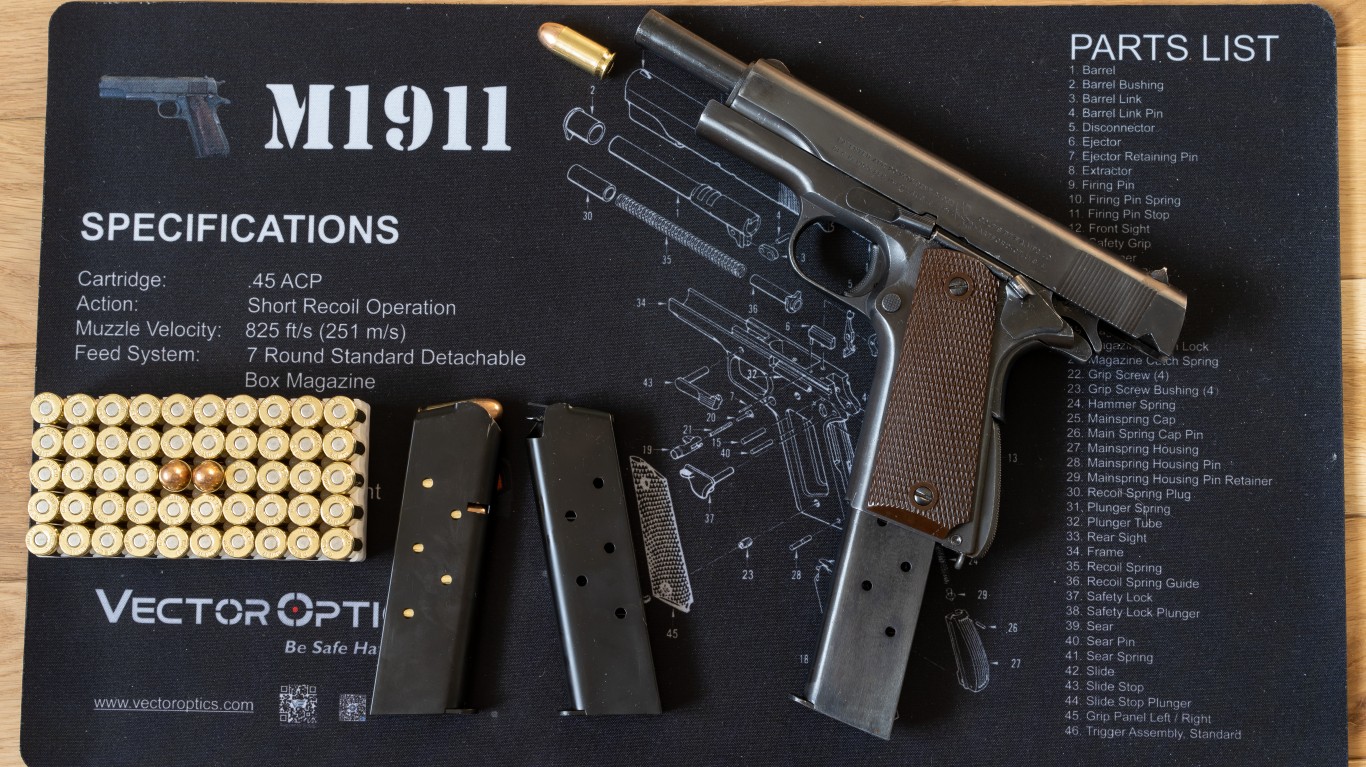
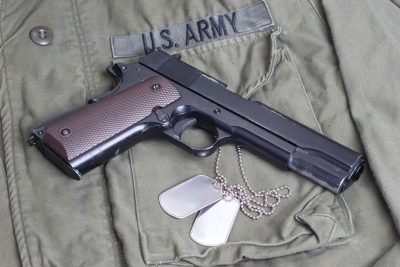
The M1911 became synonymous with American combat reliability. Designed around the hard-hitting .45 ACP cartridge, it gave troops reassurance that a single well-placed shot could end a deadly encounter. From trench raids in World War I to brutal island fighting in World War II, the pistol earned a reputation as the sidearm soldiers wanted closest when everything else failed.
Colt M1911A1
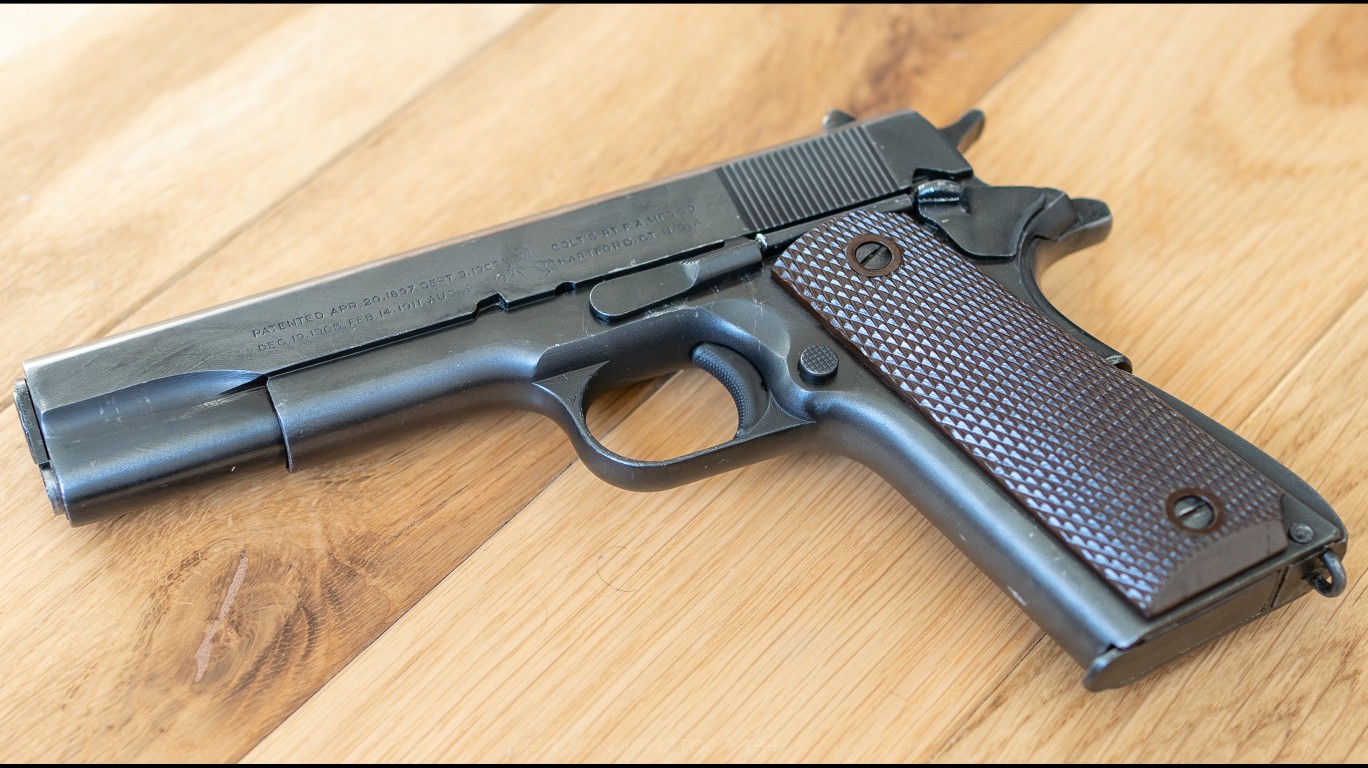
- Manufacturer: Colt
- Type: Semi-automatic pistol
- Cartridge / caliber: .45 ACP
- Year introduced to service: 1926
- Primary conflict(s) or service era: WWII / Korea / Vietnam
- Branch(es) most associated: All branches
- Battlefield reputation: Iconic long-service reliability
The M1911A1 refined an already trusted design with improved ergonomics that helped shooters perform under extreme stress. Serving across multiple wars, it became a generational constant for American forces. When firefights tightened or rifles malfunctioned, troops relied on a pistol whose track record stretched across decades of conflict.
Smith & Wesson Model 15
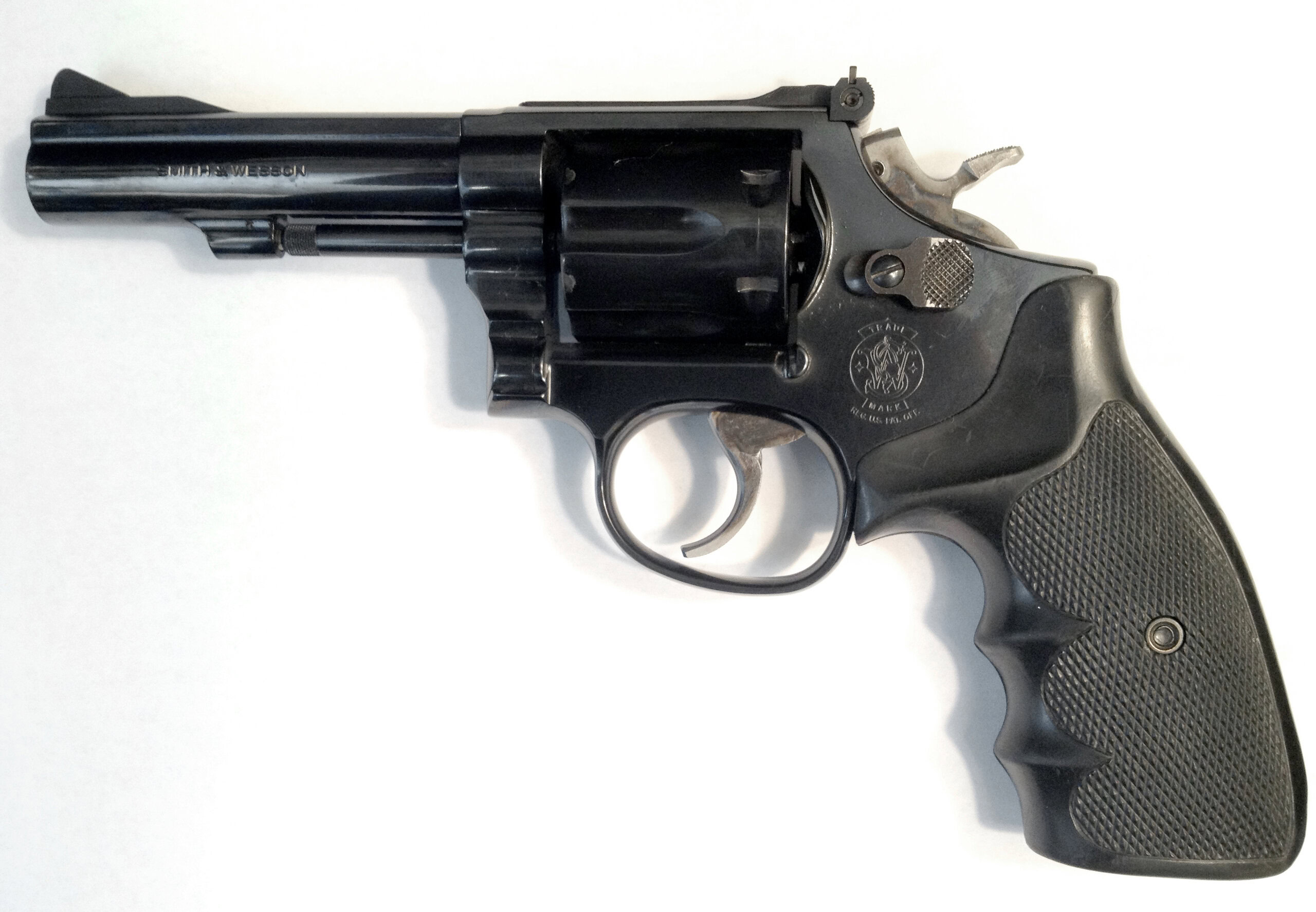
- Manufacturer: Smith & Wesson
- Type: Revolver
- Cartridge / caliber: .38 Special
- Year introduced to service: 1949
- Primary conflict(s) or service era: Cold War
- Branch(es) most associated: U.S. Air Force
- Battlefield reputation: Accurate duty revolver
The Model 15 became strongly associated with Air Force personnel who needed a reliable defensive weapon rather than a frontline service pistol. Known for accuracy and manageable recoil, it offered reassurance to aircrews and security forces alike. Should a situation deteriorate unexpectedly, the revolver provided steady performance.
Smith & Wesson Model 10
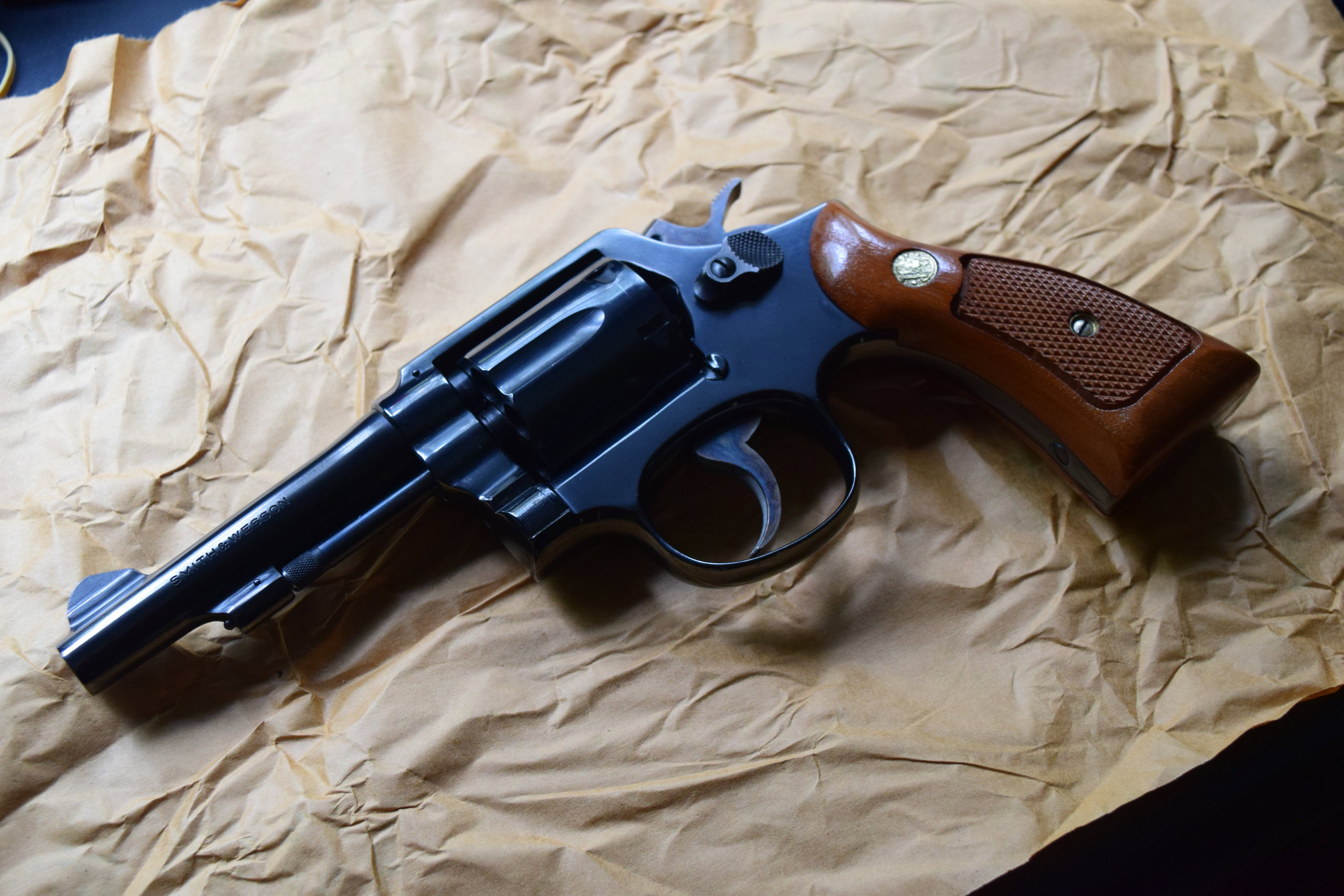
- Manufacturer: Smith & Wesson
- Type: Revolver
- Cartridge / caliber: .38 Special
- Year introduced to service: 1899
- Primary conflict(s) or service era: WWII / Cold War
- Branch(es) most associated: Multiple branches
- Battlefield reputation: One of the most issued revolvers
Few revolvers saw distribution as broad as the Model 10. Its longevity stemmed from dependable mechanics and straightforward handling, qualities prized in high-stress encounters. Whether guarding installations or flying combat missions, those issued the Model 10 understood it was built to function without drama.
Colt Commander
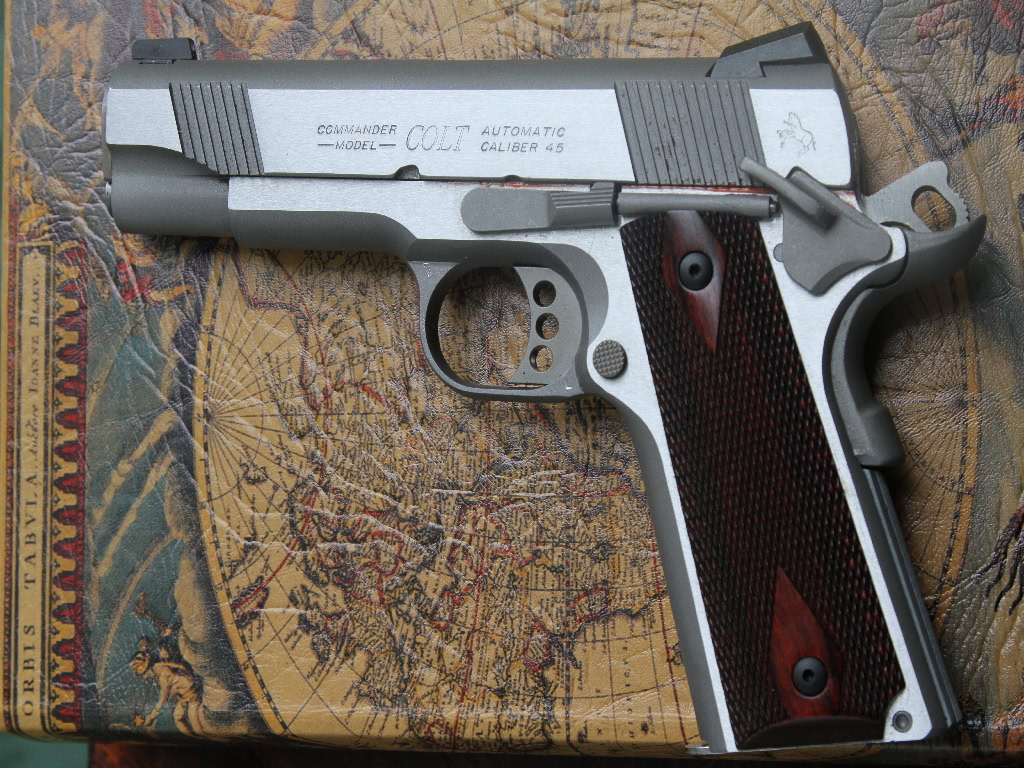
- Manufacturer: Colt
- Type: Semi-automatic pistol
- Cartridge / caliber: .45 ACP
- Year introduced to service: 1950
- Primary conflict(s) or service era: Cold War
- Branch(es) most associated: U.S. Officers / Specialized Units
- Battlefield reputation: Lightweight .45 carry
The Colt Commander answered a growing need for a lighter sidearm that preserved the fight-stopping characteristics of the .45 ACP. Easier to carry for extended periods, it suited officers and specialized personnel who might not always have immediate access to a rifle. Its portability ensured the backup weapon was actually present when needed.
Browning Hi-Power (Special Use)
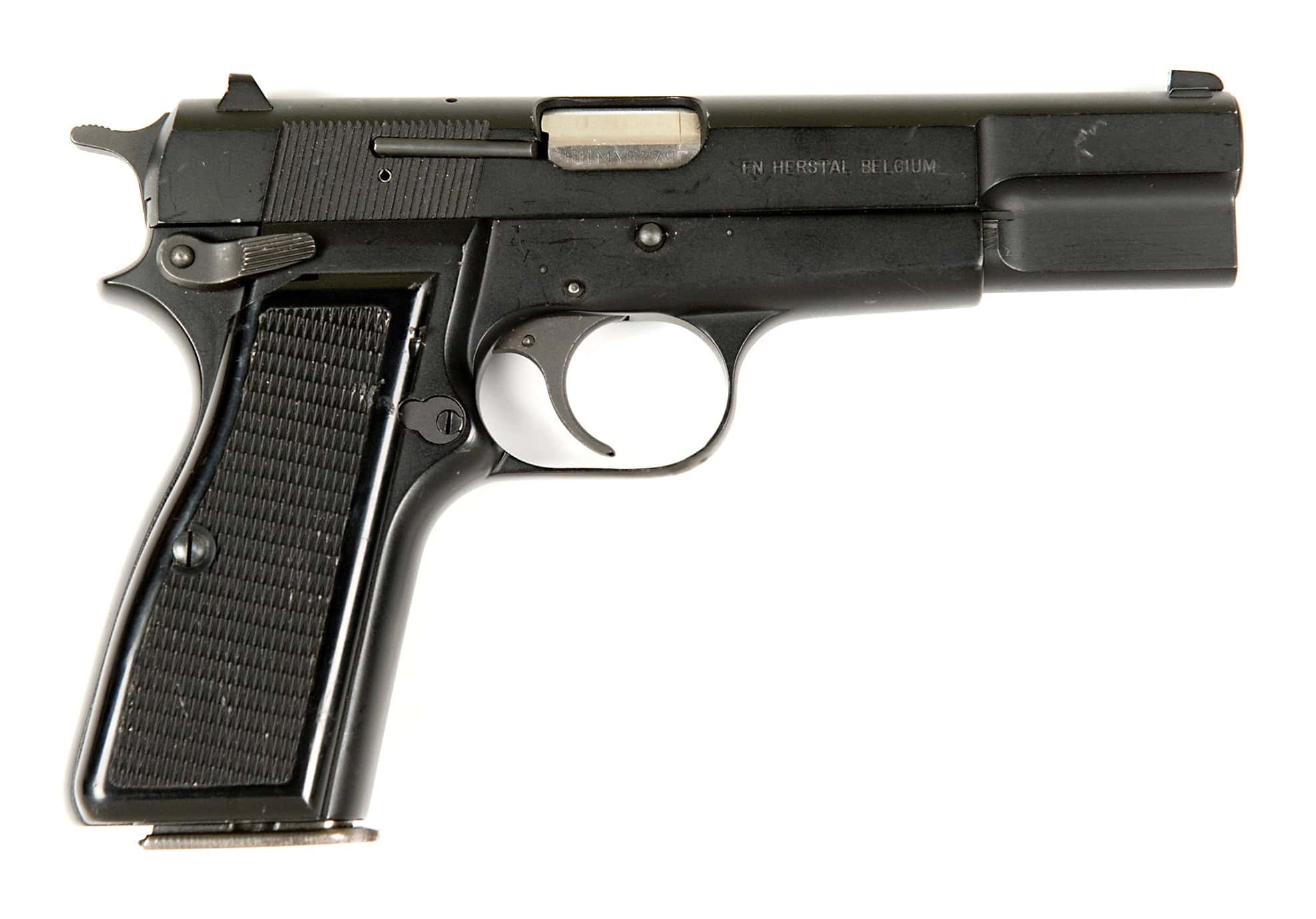
- Manufacturer: FN Herstal
- Type: Semi-automatic pistol
- Cartridge / caliber: 9×19mm
- Year introduced to service: 1935
- Primary conflict(s) or service era: WWII / Special Operations
- Branch(es) most associated: Select U.S. Units
- Battlefield reputation: Allied high-capacity sidearm
Although never the standard U.S. service pistol, the Hi-Power gained respect among American personnel operating alongside allied forces. Its higher magazine capacity represented a meaningful tactical advantage in sudden engagements. When firefights became unpredictable, having additional rounds on hand could decide the outcome.
Beretta M9
- Manufacturer: Beretta
- Type: Semi-automatic pistol
- Cartridge / caliber: 9×19mm
- Year introduced to service: 1985
- Primary conflict(s) or service era: Global War on Terror
- Branch(es) most associated: All branches
- Battlefield reputation: Battle-proven durability
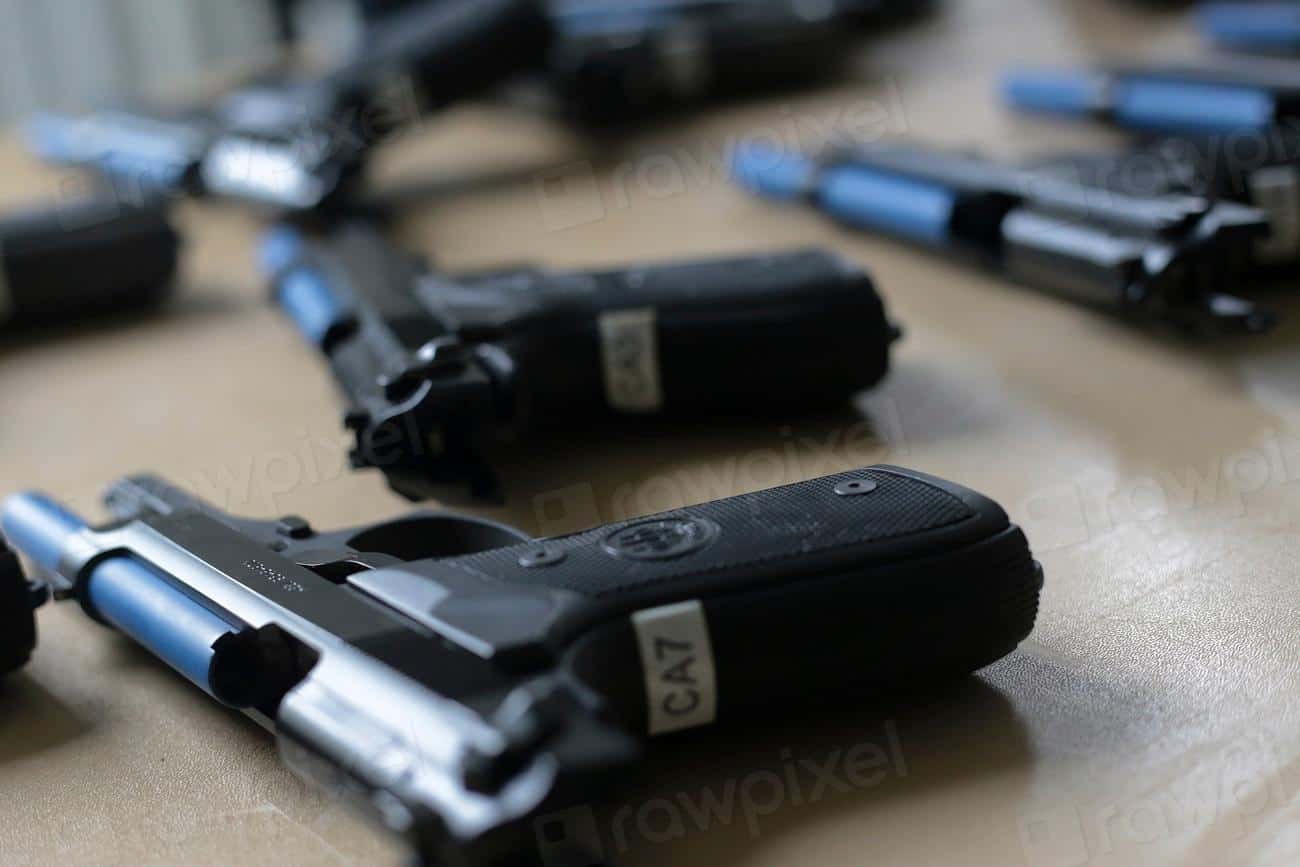
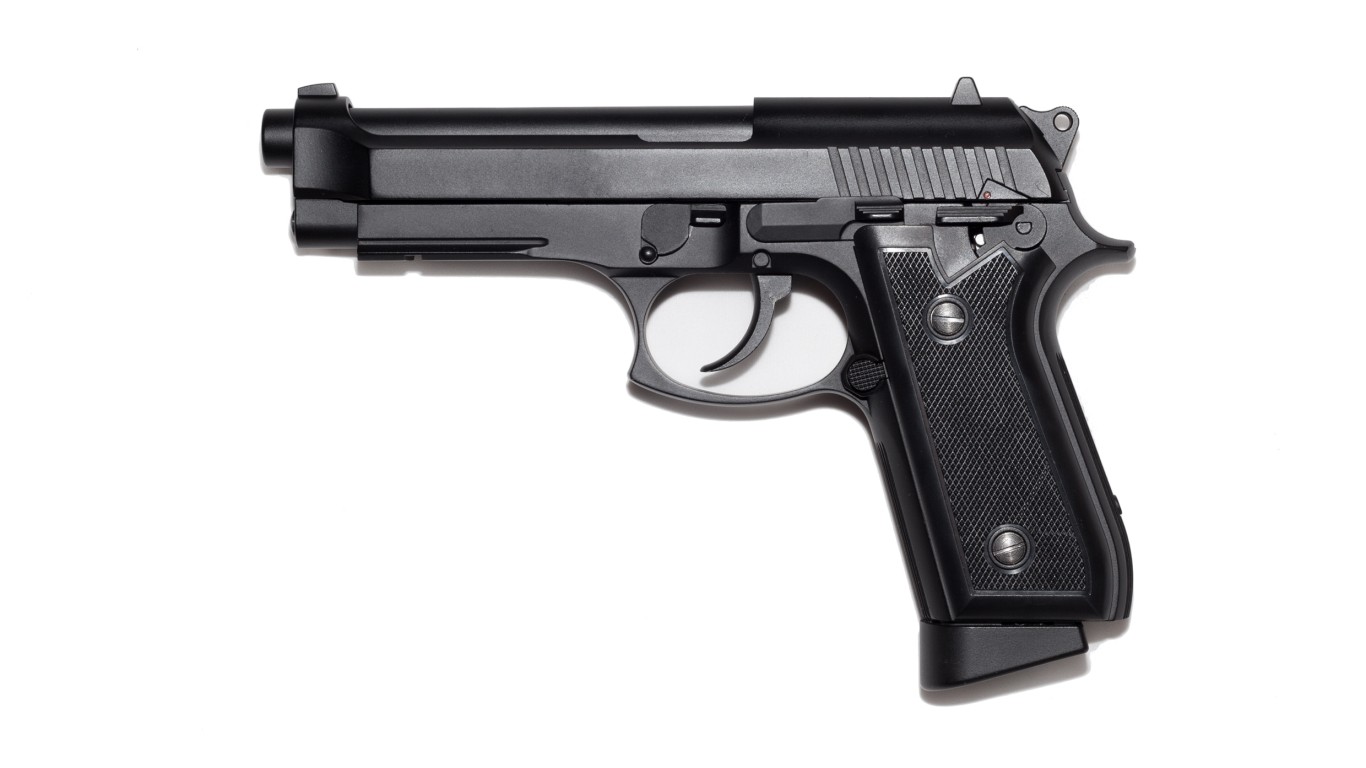
The Beretta M9 entered service amid debate but ultimately proved itself across decades of deployments. Its large magazine capacity and smooth recoil made it controllable under pressure. For many troops, repeated combat use transformed skepticism into familiarity, reinforcing trust in a sidearm expected to perform.
Beretta M9A1
- Manufacturer: Beretta
- Type: Semi-automatic pistol
- Cartridge / caliber: 9×19mm
- Year introduced to service: 2006
- Primary conflict(s) or service era: Iraq / Afghanistan
- Branch(es) most associated: Marine Corps / Army
- Battlefield reputation: Modernized tactical variant
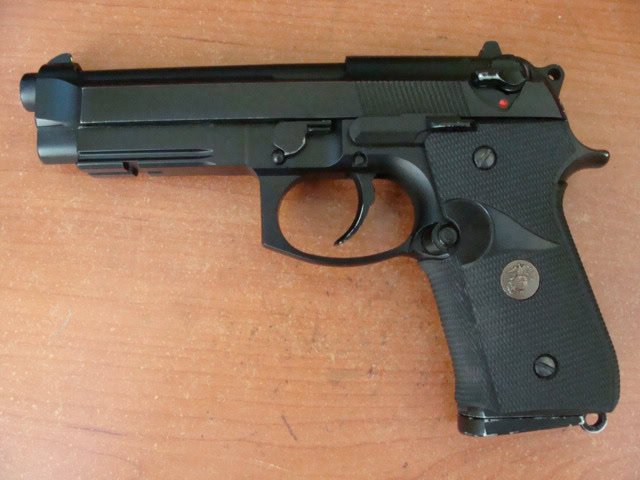
The M9A1 incorporated lessons from modern warfare, including accessory rails that allowed lights essential for low-visibility fighting. These updates reflected a battlefield reality where sidearms increasingly supported close-quarters operations. By adapting a proven platform rather than replacing it outright, the military maintained continuity of trust.
SIG Sauer P226 (MK25)
- Manufacturer: SIG Sauer
- Type: Semi-automatic pistol
- Cartridge / caliber: 9×19mm
- Year introduced to service: 1989
- Primary conflict(s) or service era: Modern Special Warfare
- Branch(es) most associated: Navy SEALs
- Battlefield reputation: Elite maritime reliability
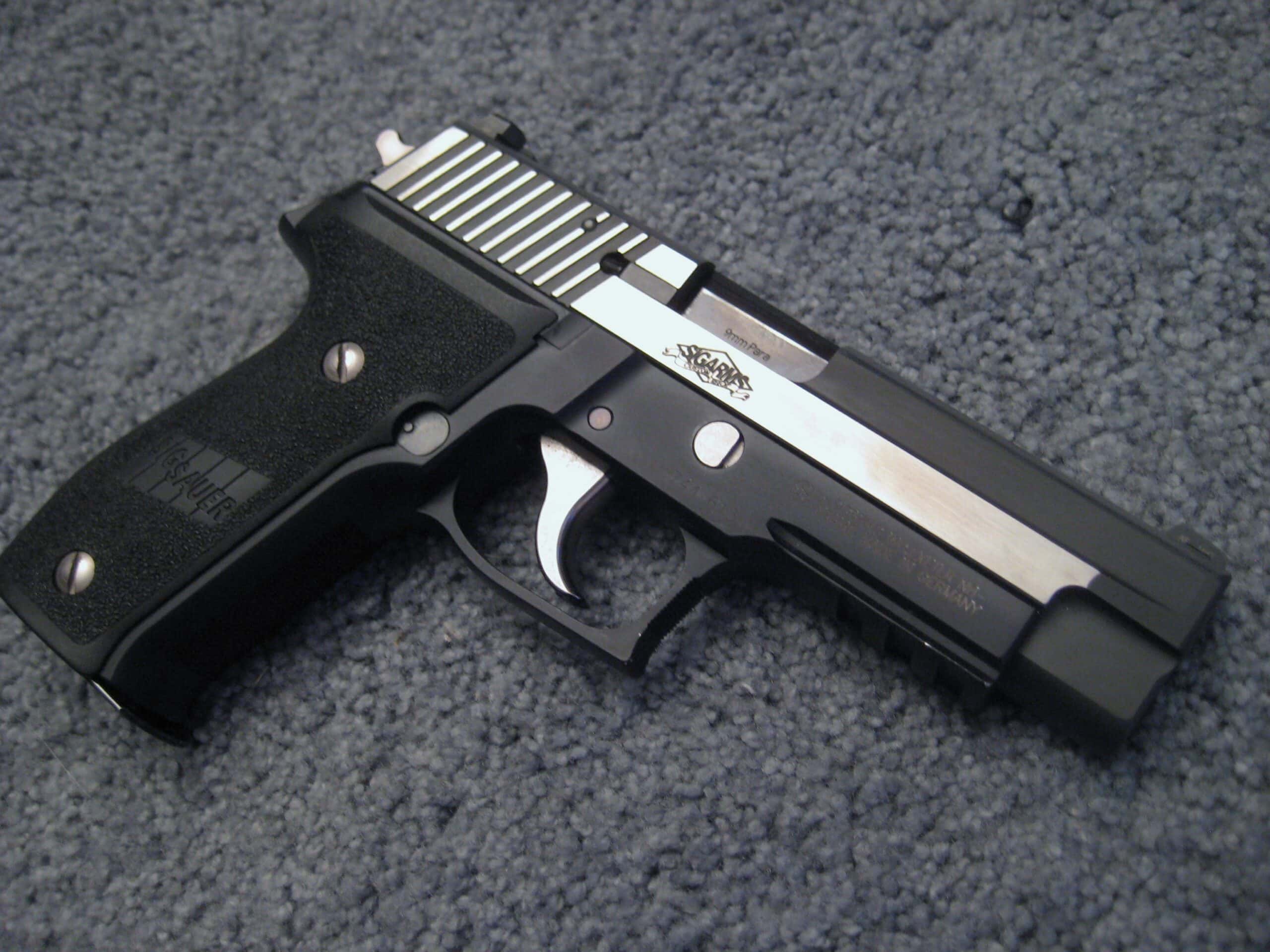
The P226 earned elite status after adoption by Navy SEALs, whose missions demand uncompromising reliability. Engineered to resist corrosion and function in maritime environments, it reinforced confidence during operations where equipment failure could not be tolerated. Its reputation stems from consistent performance.
SIG Sauer P228 (M11)
- Manufacturer: SIG Sauer
- Type: Compact pistol
- Cartridge / caliber: 9×19mm
- Year introduced to service: 1992
- Primary conflict(s) or service era: Global War on Terror
- Branch(es) most associated: Army CID / Aircrews
- Battlefield reputation: Compact investigative sidearm
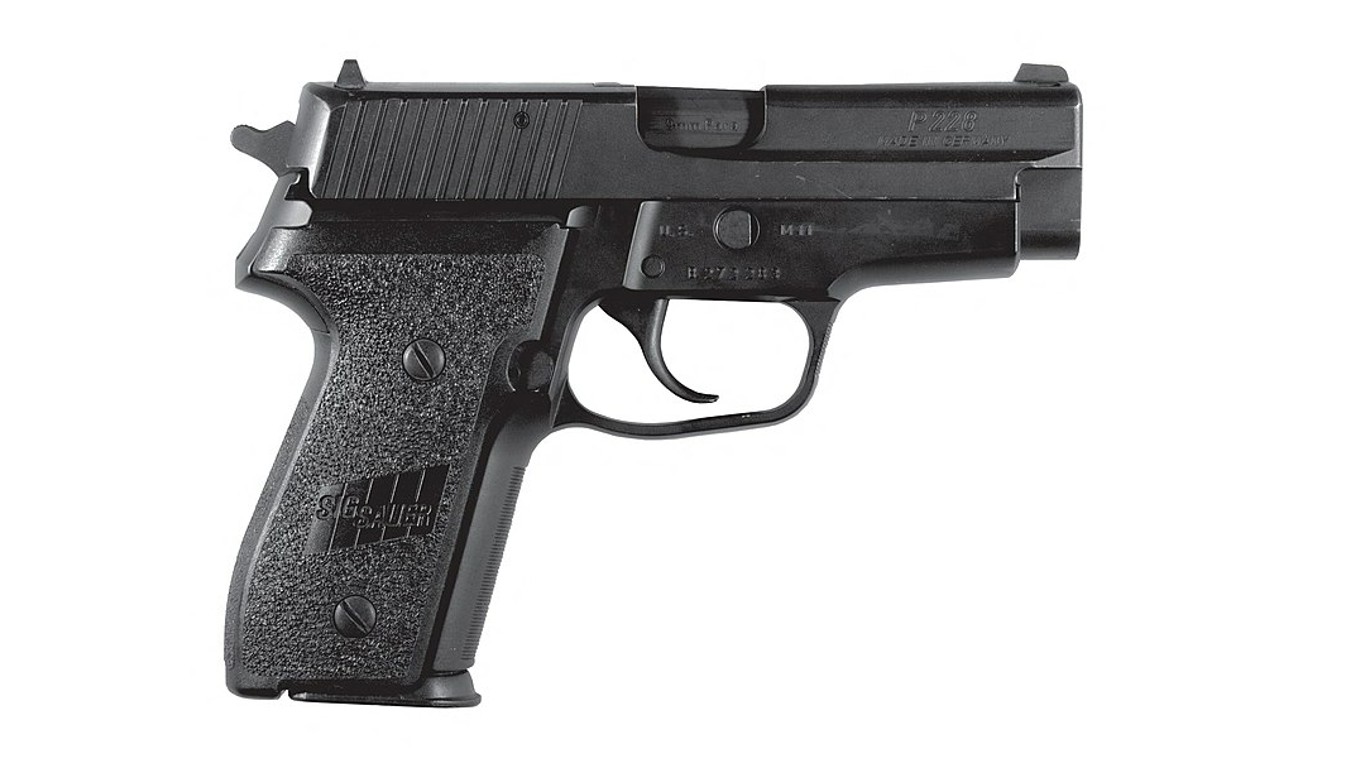
The compact M11 balanced concealability with combat capability, making it ideal for investigators and aircrews who required a discreet but effective weapon. When situations escalated unexpectedly, the pistol offered controllable firepower without the burden of a full-size handgun.
Glock 19 (Special Operations Use)
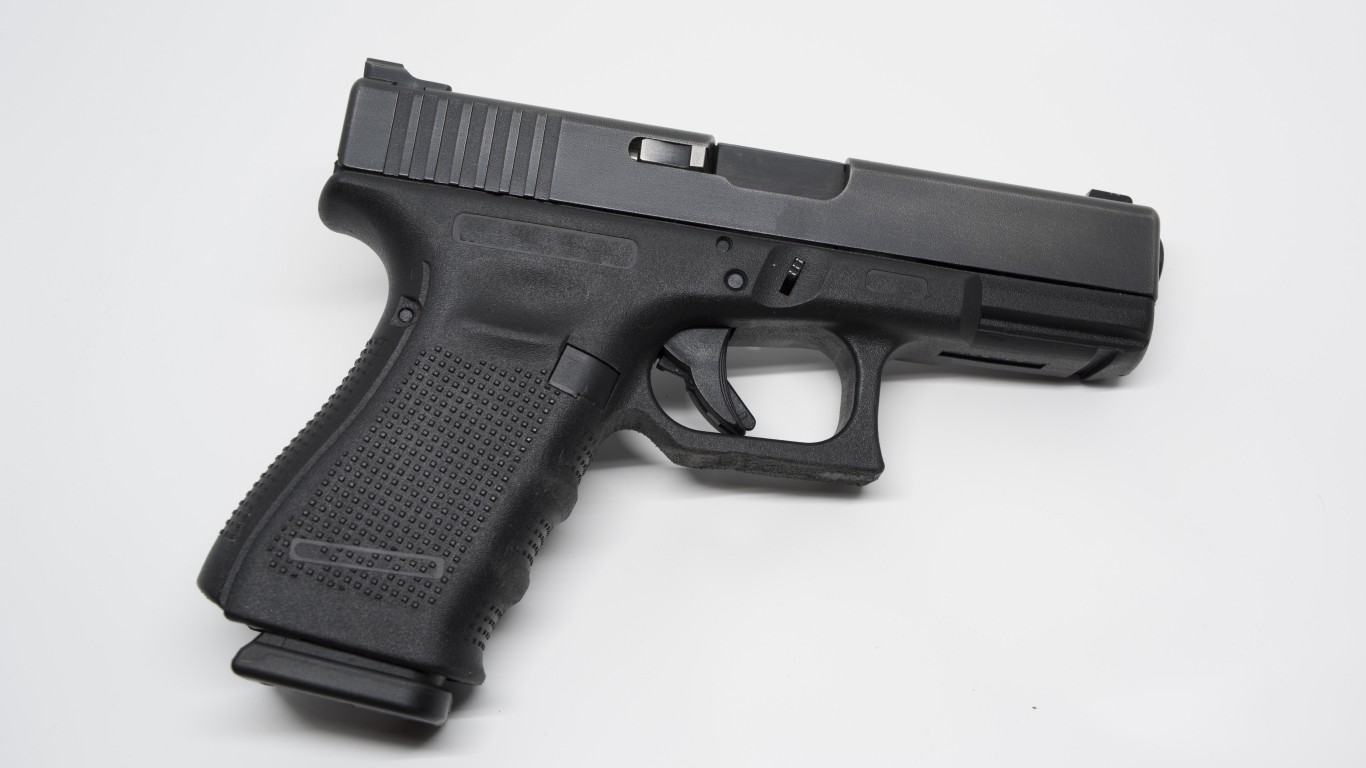
- Manufacturer: Glock
- Type: Compact pistol
- Cartridge / caliber: 9×19mm
- Year introduced to service: 1988
- Primary conflict(s) or service era: Modern Conflicts
- Branch(es) most associated: Special Operations
- Battlefield reputation: Extreme reliability reputation
The Glock 19 built its following on mechanical simplicity and a reputation for functioning under punishing conditions. Special operations units valued a handgun that required minimal maintenance yet remained ready at a moment’s notice.
SIG Sauer M17
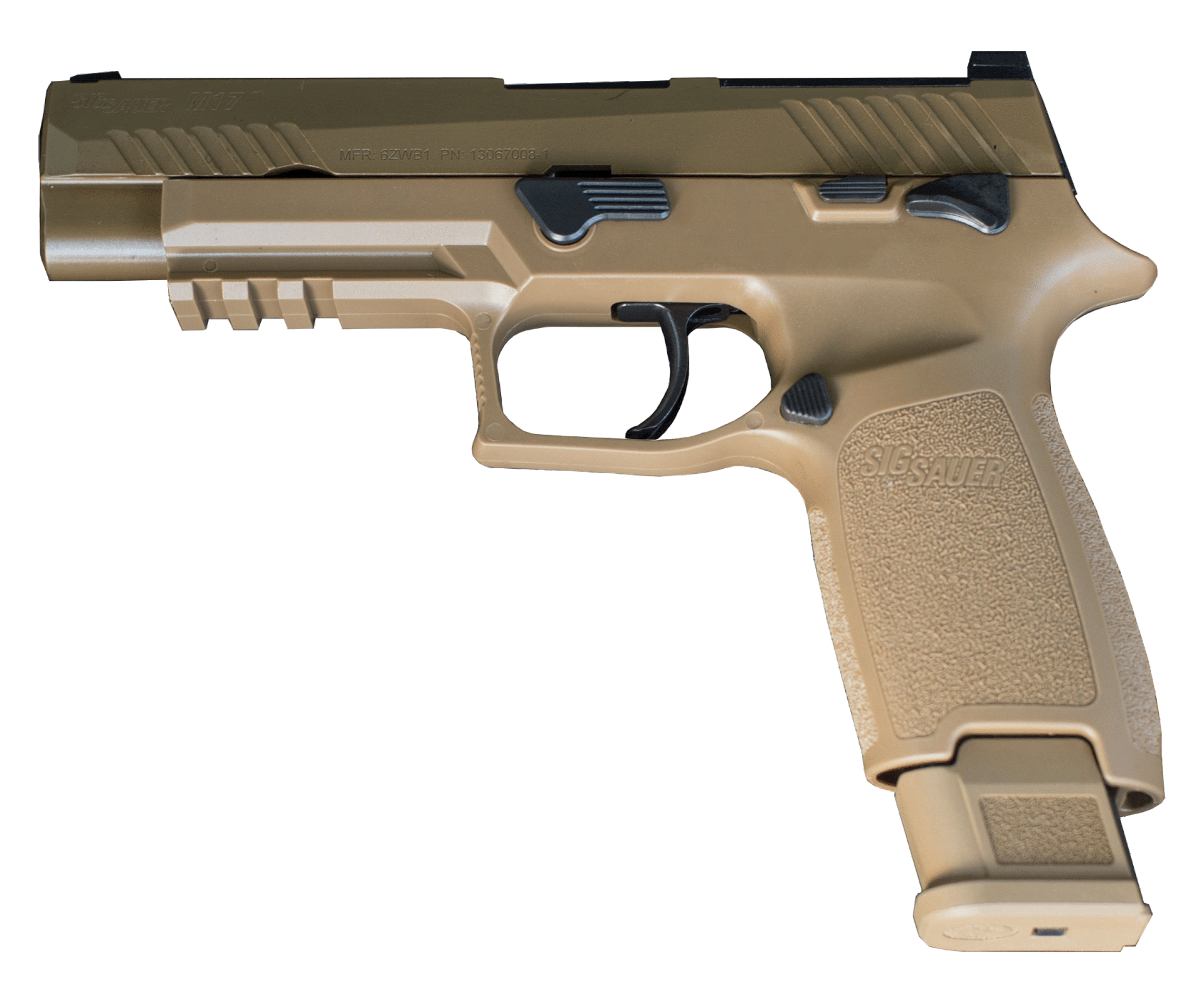
- Manufacturer: SIG Sauer
- Type: Modular handgun
- Cartridge / caliber: 9×19mm
- Year introduced to service: 2017
- Primary conflict(s) or service era: Modern Service
- Branch(es) most associated: U.S. Army
- Battlefield reputation: Next-generation service pistol
The M17 represents the Army’s shift toward modularity, allowing units to tailor the handgun to mission requirements. Despite its modern design, the underlying priority remains unchanged: absolute dependability when a primary weapon is lost.
SIG Sauer M18
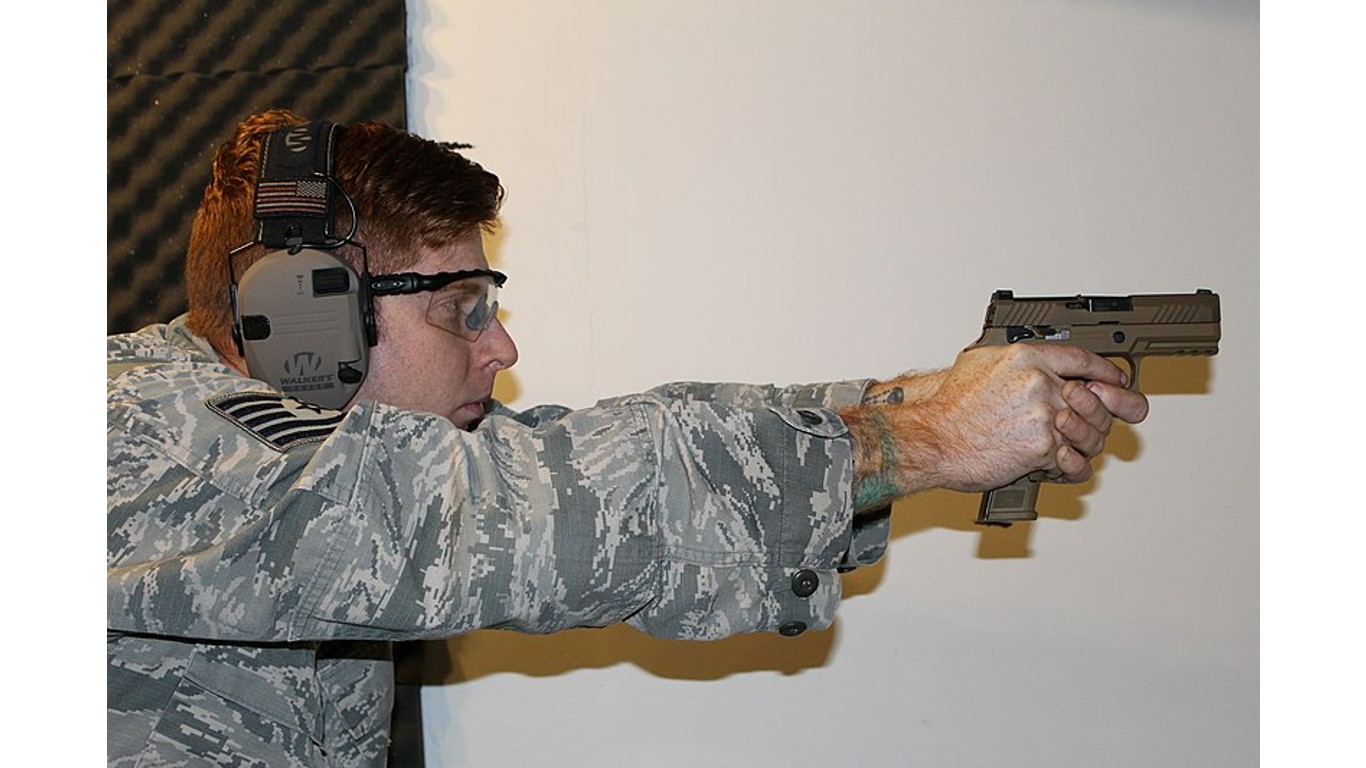
- Manufacturer: SIG Sauer
- Type: Compact modular handgun
- Cartridge / caliber: 9×19mm
- Year introduced to service: 2017
- Primary conflict(s) or service era: Modern Service
- Branch(es) most associated: All branches
- Battlefield reputation: Compact modular flexibility
The M18 delivers the same modular advantages as the M17 in a more compact profile, making it easier to carry without sacrificing capability. Its growing presence across multiple branches reflects institutional confidence in a platform built for adaptability.
Colt M45A1 CQBP
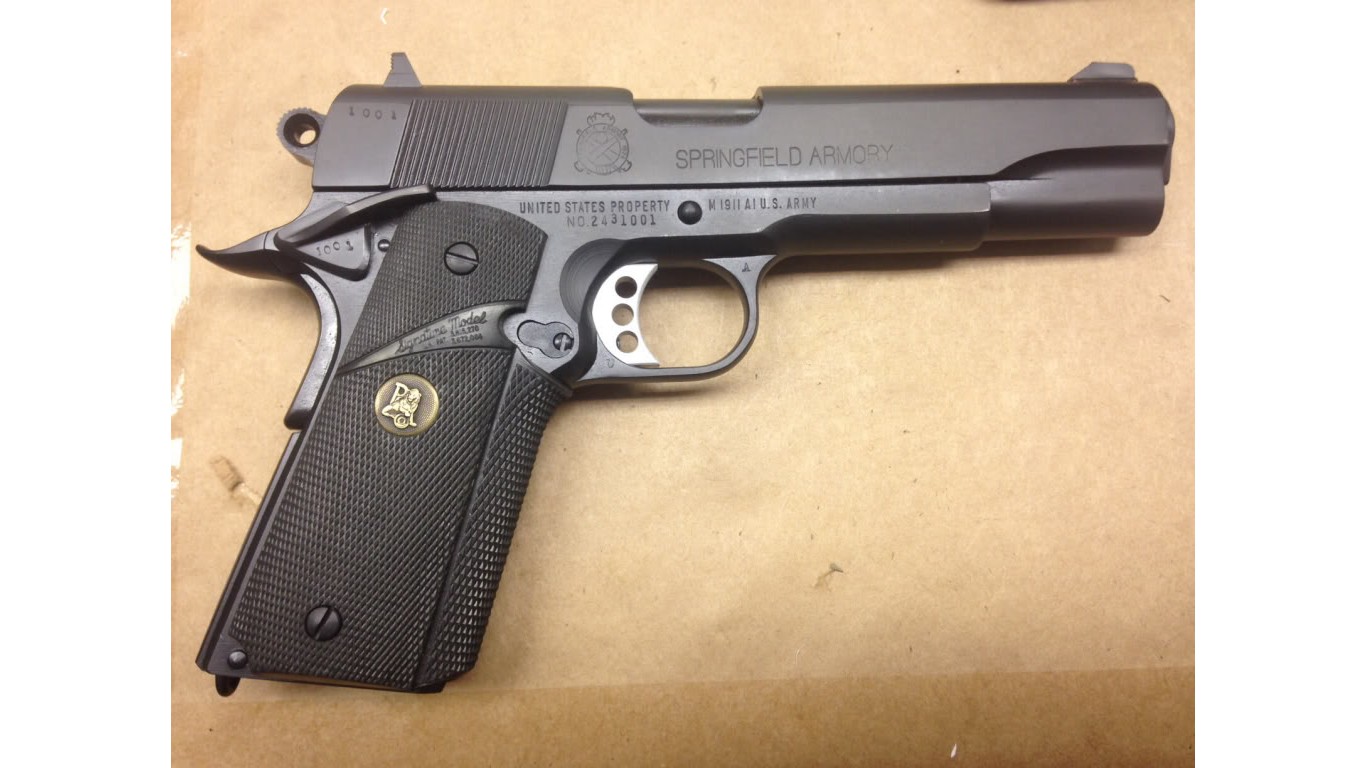
- Manufacturer: Colt
- Type: Semi-automatic pistol
- Cartridge / caliber: .45 ACP
- Year introduced to service: 2012
- Primary conflict(s) or service era: Global War on Terror
- Branch(es) most associated: Marine Raiders
- Battlefield reputation: Modern .45 stopping power
The M45A1 reaffirmed that, even in the age of polymer pistols, some units still valued the proven stopping power of the .45 ACP. Built for close-quarters battle, it provided Marine Raiders with a modernized version of a trusted formula.
Heckler & Koch MK23
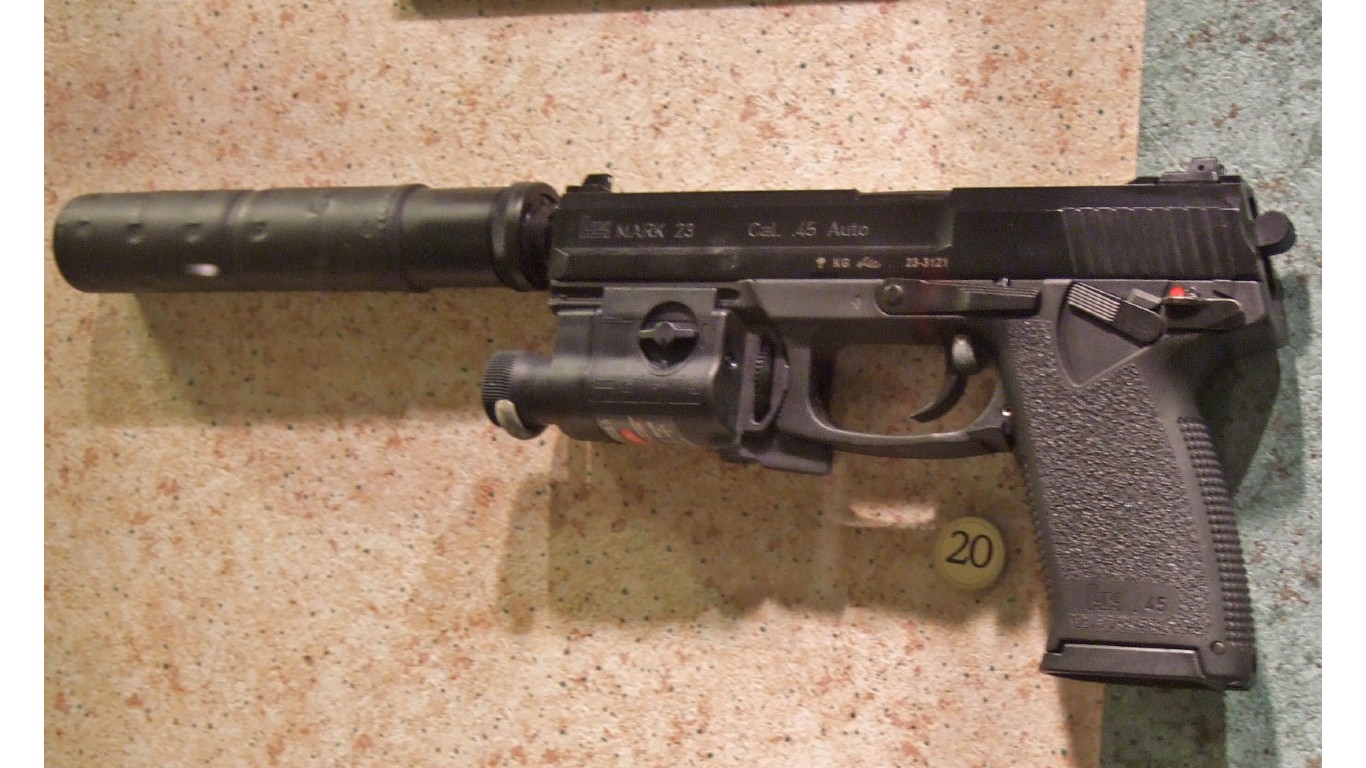
- Manufacturer: Heckler & Koch
- Type: Offensive pistol
- Cartridge / caliber: .45 ACP
- Year introduced to service: 1996
- Primary conflict(s) or service era: Special Operations
- Branch(es) most associated: USSOCOM
- Battlefield reputation: Purpose-built suppressed handgun
Designed as an offensive handgun rather than a simple backup, the MK23 prioritized durability, accuracy, and suppressed capability. Its large size underscored its specialized role: a pistol meant to succeed in the harshest operational environments.
Smith & Wesson 4506
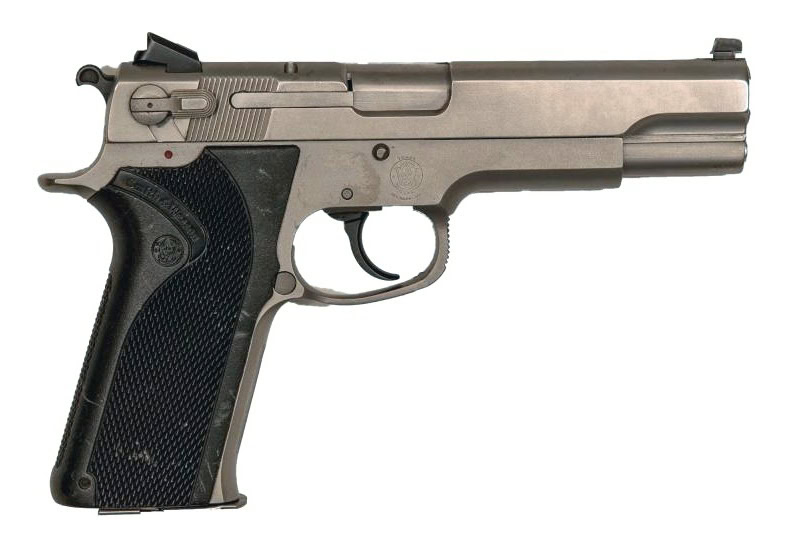
- Manufacturer: Smith & Wesson
- Type: Semi-automatic pistol
- Cartridge / caliber: .45 ACP
- Year introduced to service: 1988
- Primary conflict(s) or service era: Late Cold War / Early GWOT
- Branch(es) most associated: Naval Special Warfare
- Battlefield reputation: Stainless-duty reliability
The stainless-steel 4506 earned praise for toughness and longevity, traits valued by specialized units operating in demanding conditions. Its solid construction helped ensure reliable cycling even after heavy use.
Glock 17 (Unit-Level Adoption)
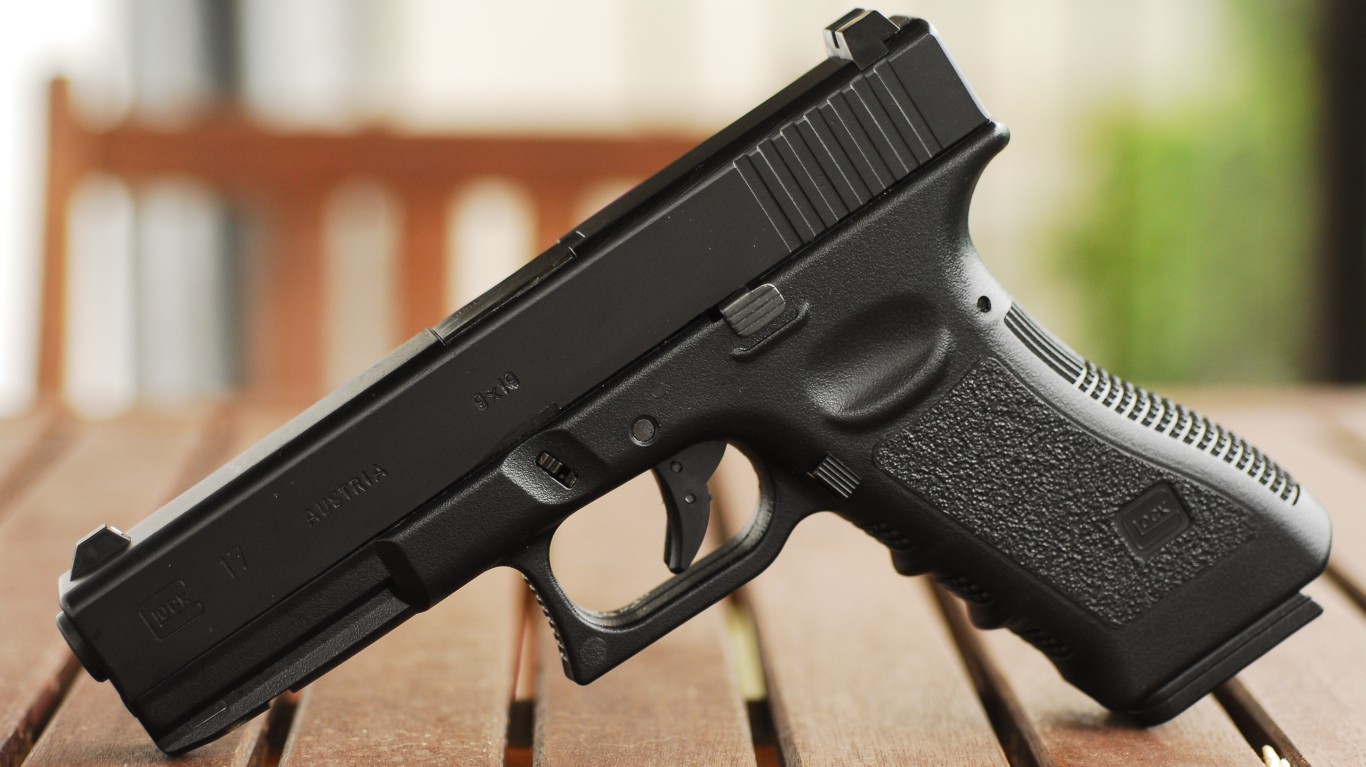
- Manufacturer: Glock
- Type: Semi-automatic pistol
- Cartridge / caliber: 9×19mm
- Year introduced to service: 1982
- Primary conflict(s) or service era: Modern Evaluations
- Branch(es) most associated: Select Military Units
- Battlefield reputation: Globally trusted service pistol
The Glock 17 reshaped expectations for military handguns worldwide with its polymer frame and striker-fired system. Even where not formally standardized, its influence on procurement thinking was undeniable.







 Top Gaining Stocks
 Top Losing Stocks