



24/7 Wall St. Insights
- Many body parts can be transplanted or replaced with artificial equivalents, including corneas, livers, hearts, joints, and even entire faces.
- This technology will improve by leaps and bounds (literally) within our lifetimes.
- Also: 2 Dividend Legends To Hold Forever
What Organs Are Easiest to Replace?
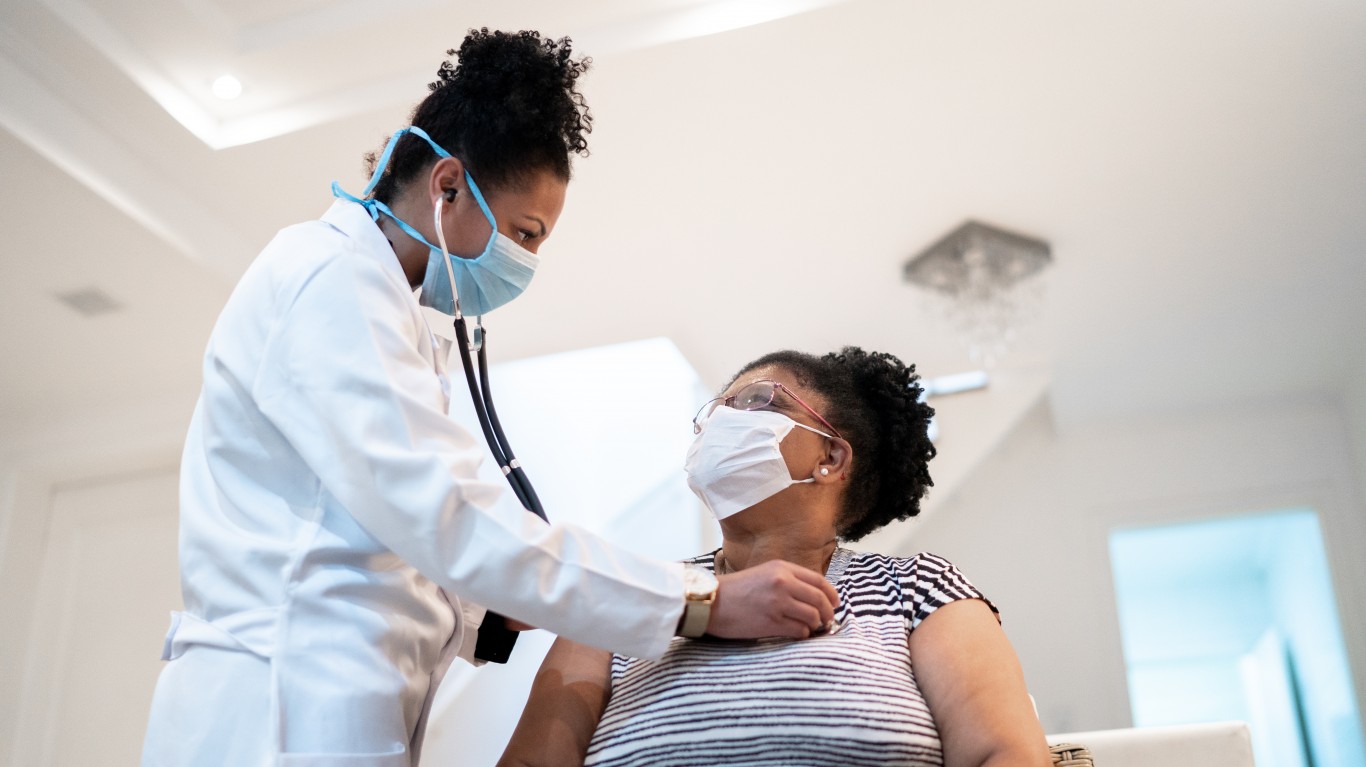
The easiest organs to replace are those that function relatively straightforwardly and mechanically, such as bones, skin, or corneas. Other organs are more complex, such as kidneys, which not only filter the blood but also produce essential hormones for red blood cell production, blood pressure, and calcium regulation. With present technology, these more complex organs would require more than one device or injections or other medical supplements to perform all the functions of the original organ.
Organs That Can Be Transplanted
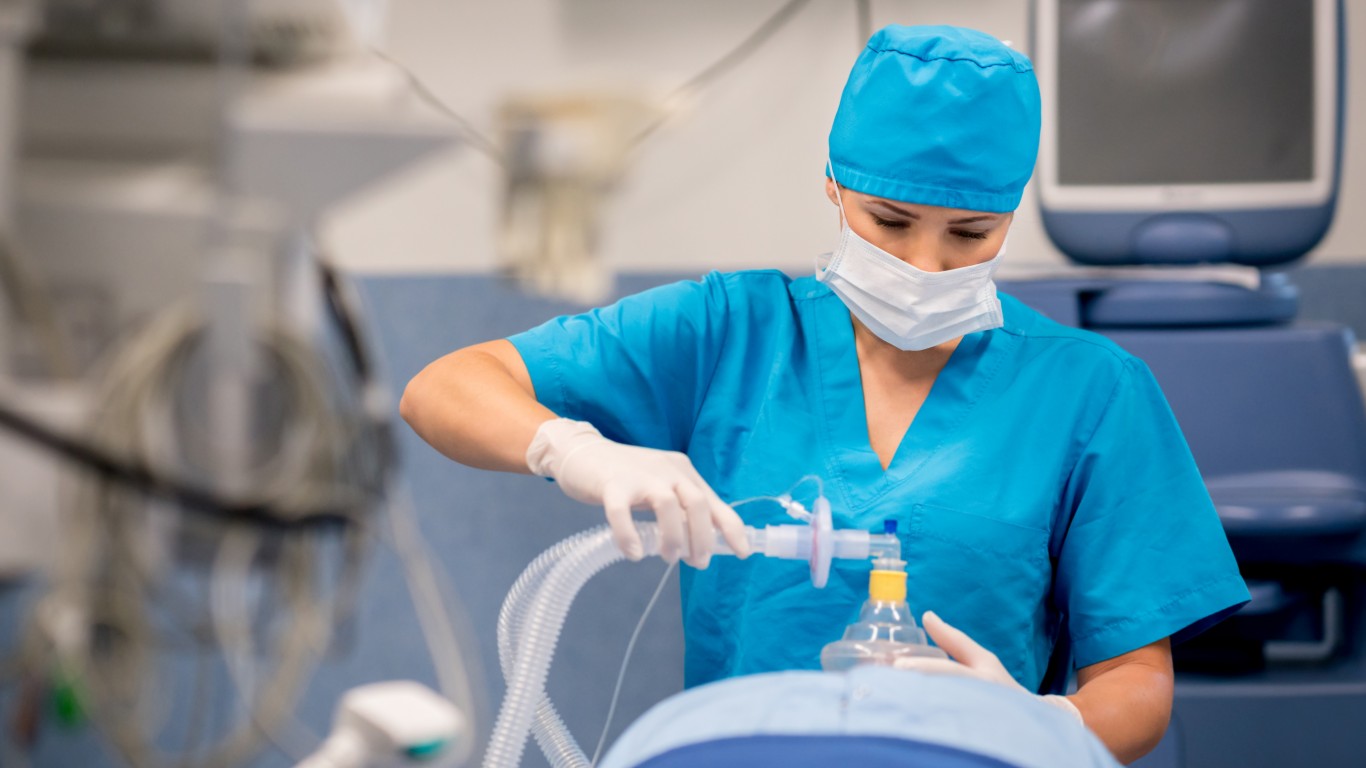
Transplanting a replacement organ requires finding a compatible living or deceased donor and long-term immunosuppressive medication to prevent the body from rejecting the transplant. This compromises the body’s immune system and makes the persons susceptible to life-threatening infections like COVID-19. Following are all the organs medical science can transplant from donors in 2024.
Bones
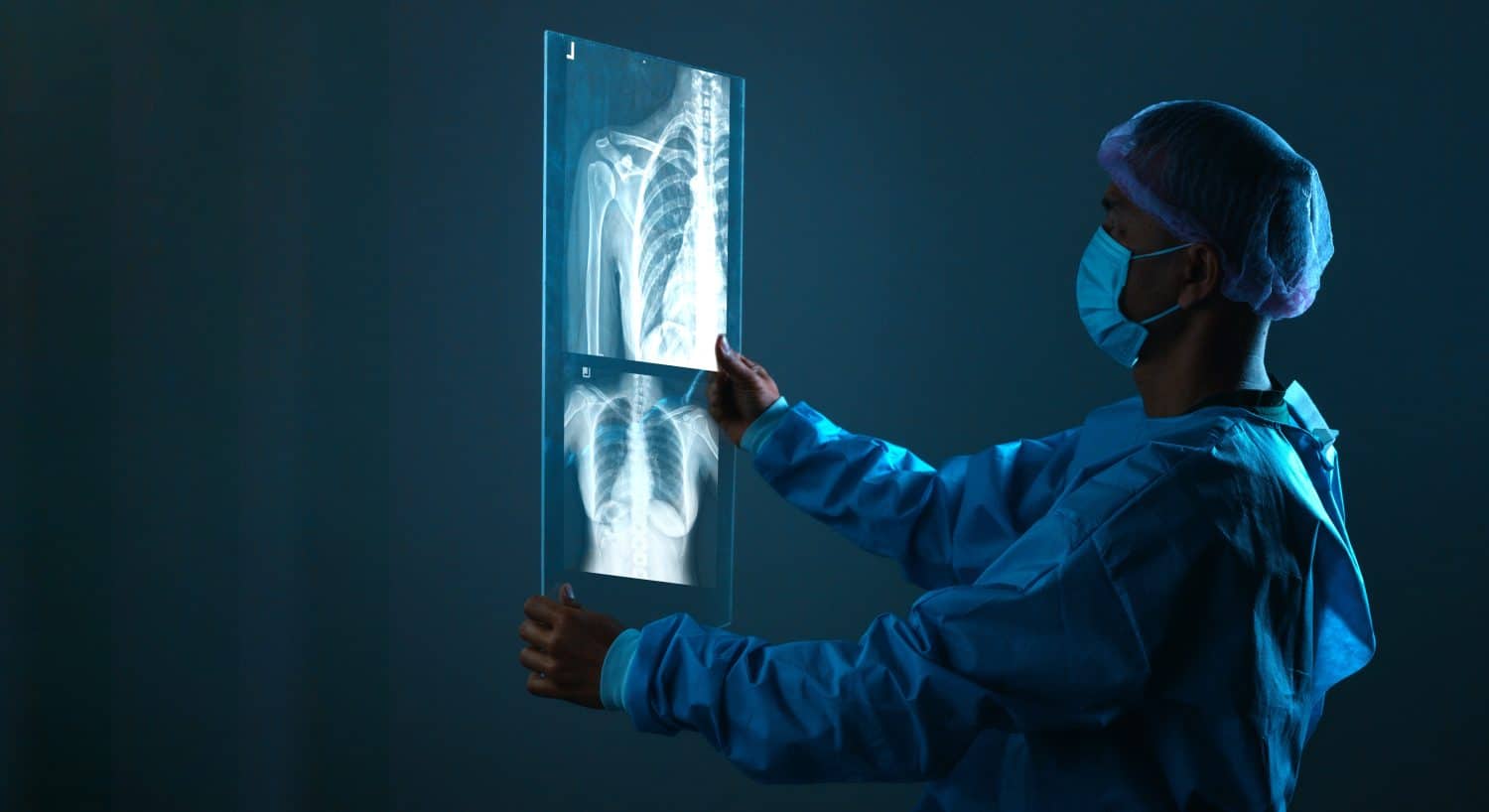
Bone grafts can be done from the person’s own bones, from living donors, or from cadavers to reconstruct bones damaged by disease or injury. This is often done for face and skull injuries. Immunosuppressive drugs are not necessary for transplants of the patient’s own bones. About 2.2 million of these surgeries occur annually.
Cornea
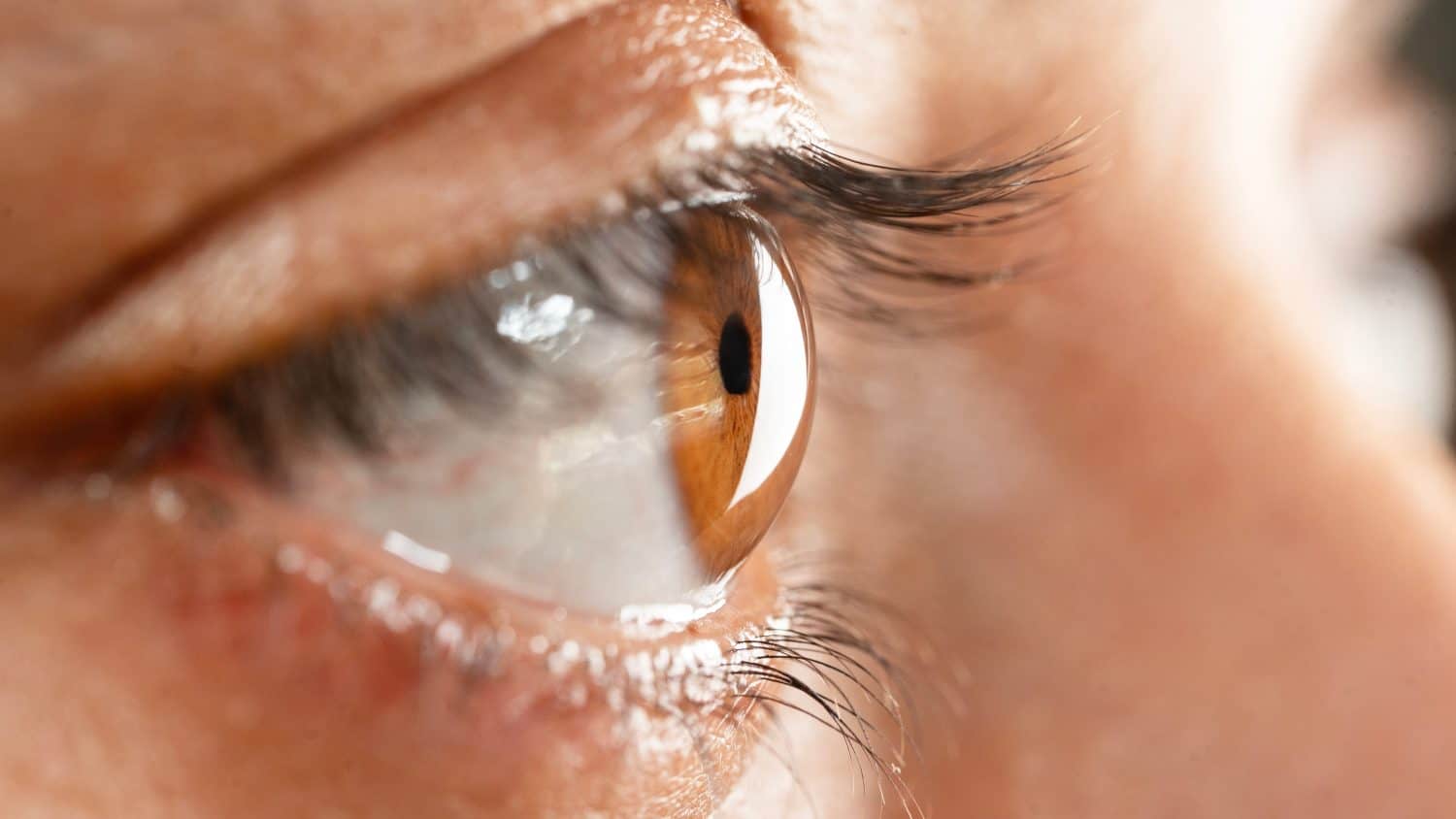
The cornea is the surface of the eye that shields it and helps focus light. These are generally successful transplants with very low rejection rates because there is little blood flow to the area. Immunosuppressive drugs are not necessary. About 200,000 cornea transplants happen every year.
Face
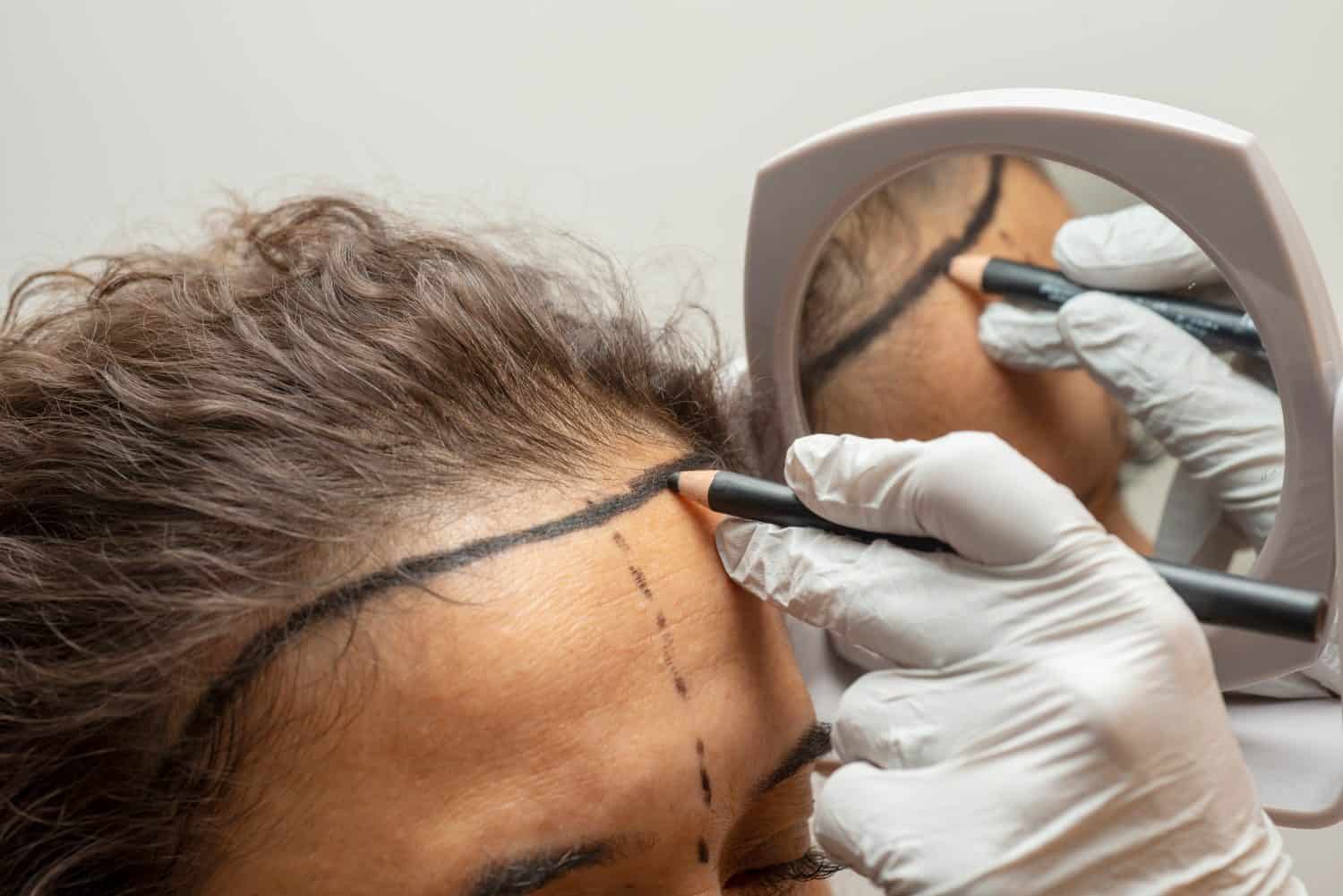
45 face transplants have been performed for people who suffered severe burns, accidents, or loss of facial tissue from disease. Patients must take medication for life and the rejection rate is high. The results are better for most people than living with severe disfigurement, but because of the complexity of connecting all the intricate facial nerves and muscles, face transplants do not yield perfect results.
Hand (and Arm)
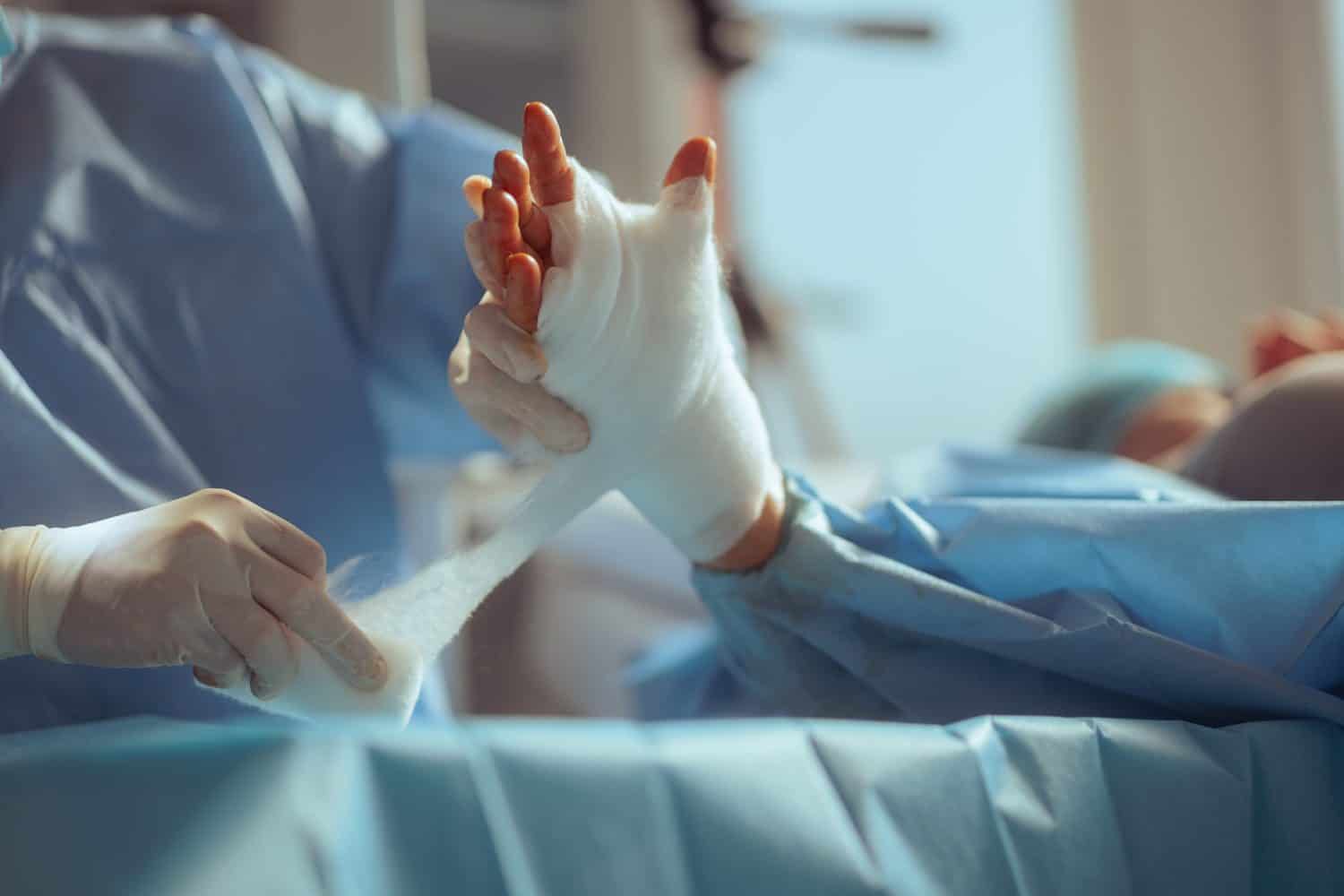
The first hand transplant took place in 1998 in France. Since then, about 130 hand or arm transplants have been done worldwide. The rejection rate is rather high and immunosuppressive drugs must be taken for life.
Heart
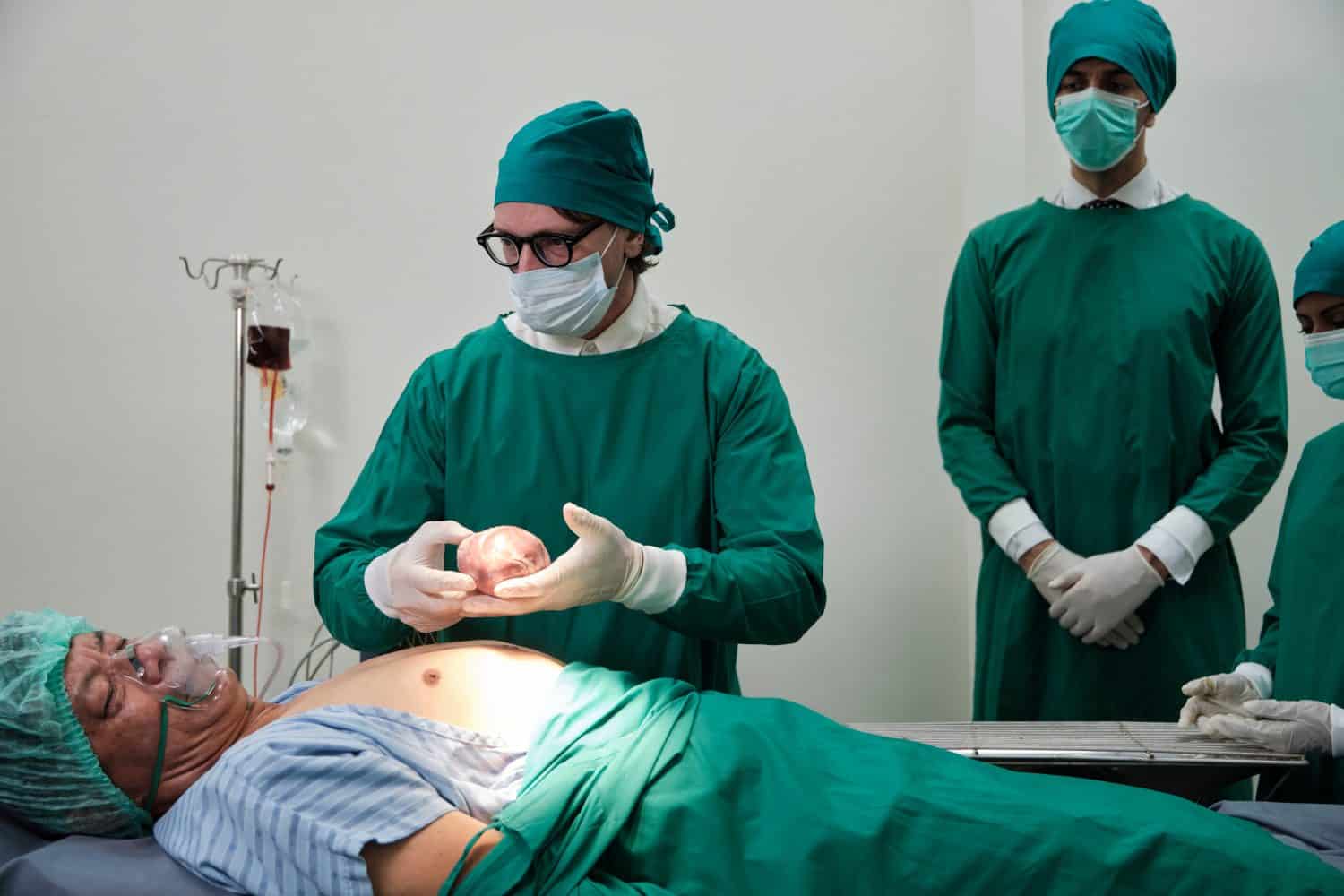
About 100,000 heart transplants have happened since 1967. About 5,000 happen a year, but there is a list of about 50,000 people waiting on a donor heart. These require lifelong medication and have a moderate to high rejection rate.
Intestines
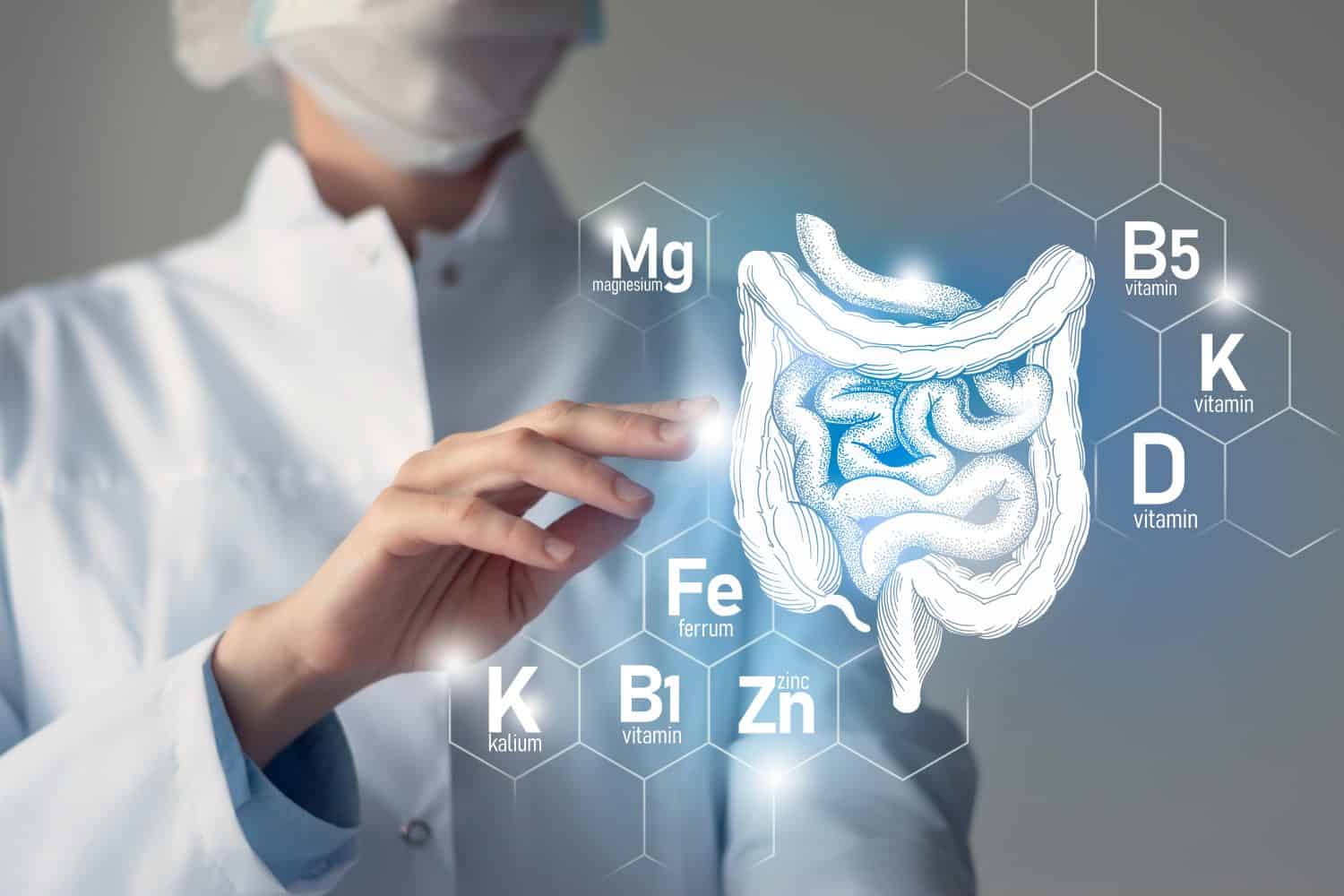
The rejection rate for intestinal transplants is high, so only 2,000 or so have been performed to date. This surgery requires the patient to live on immunosuppressants for life.
Kidneys
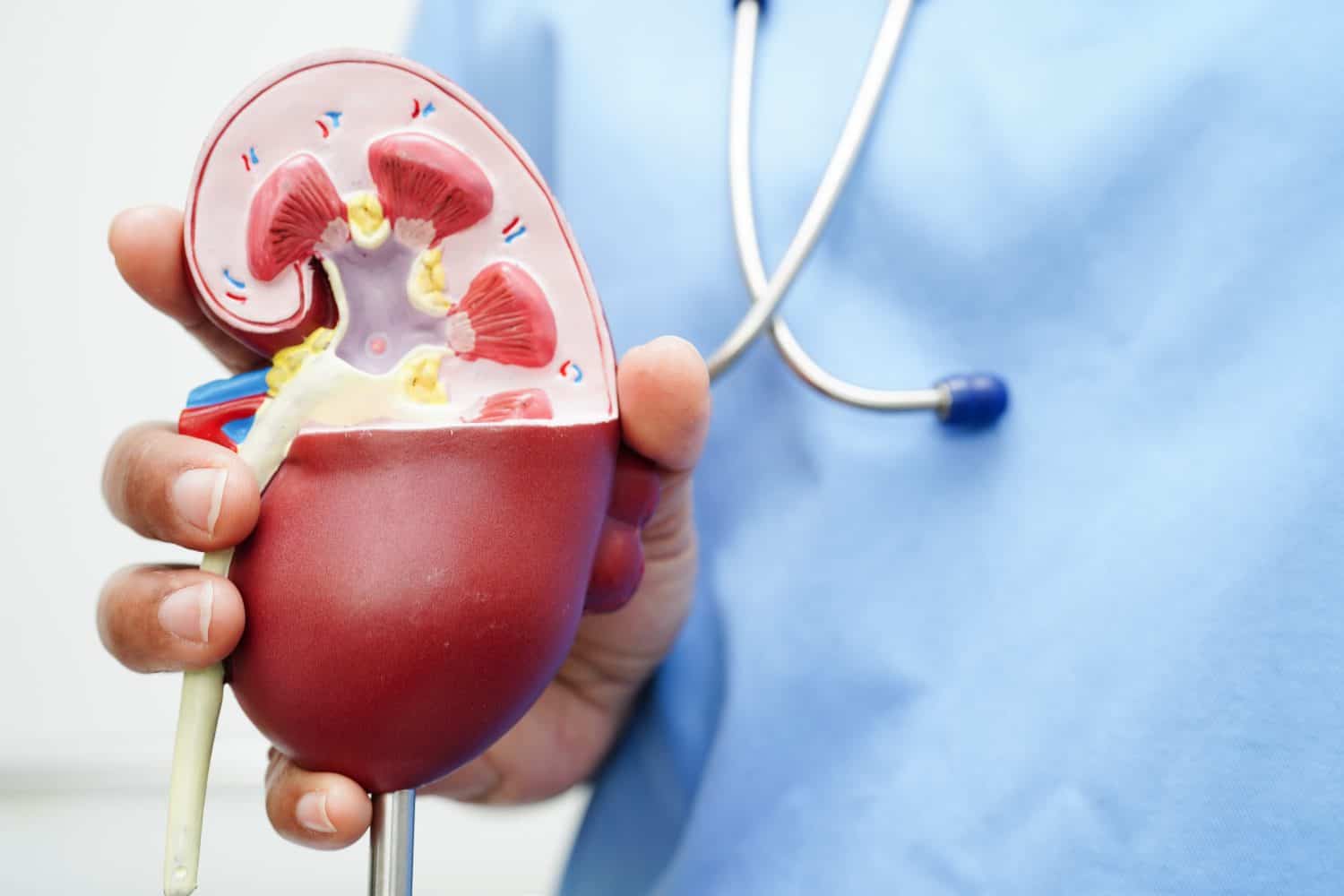
Kidney transplants can be taken from a living donor, since people can live on just one kidney if they have to. Otherwise, kidneys donated by deceased people can be transplanted to two different donors. About 1 million of these surgeries have been performed, and they do require living on immunosuppressants.
Liver
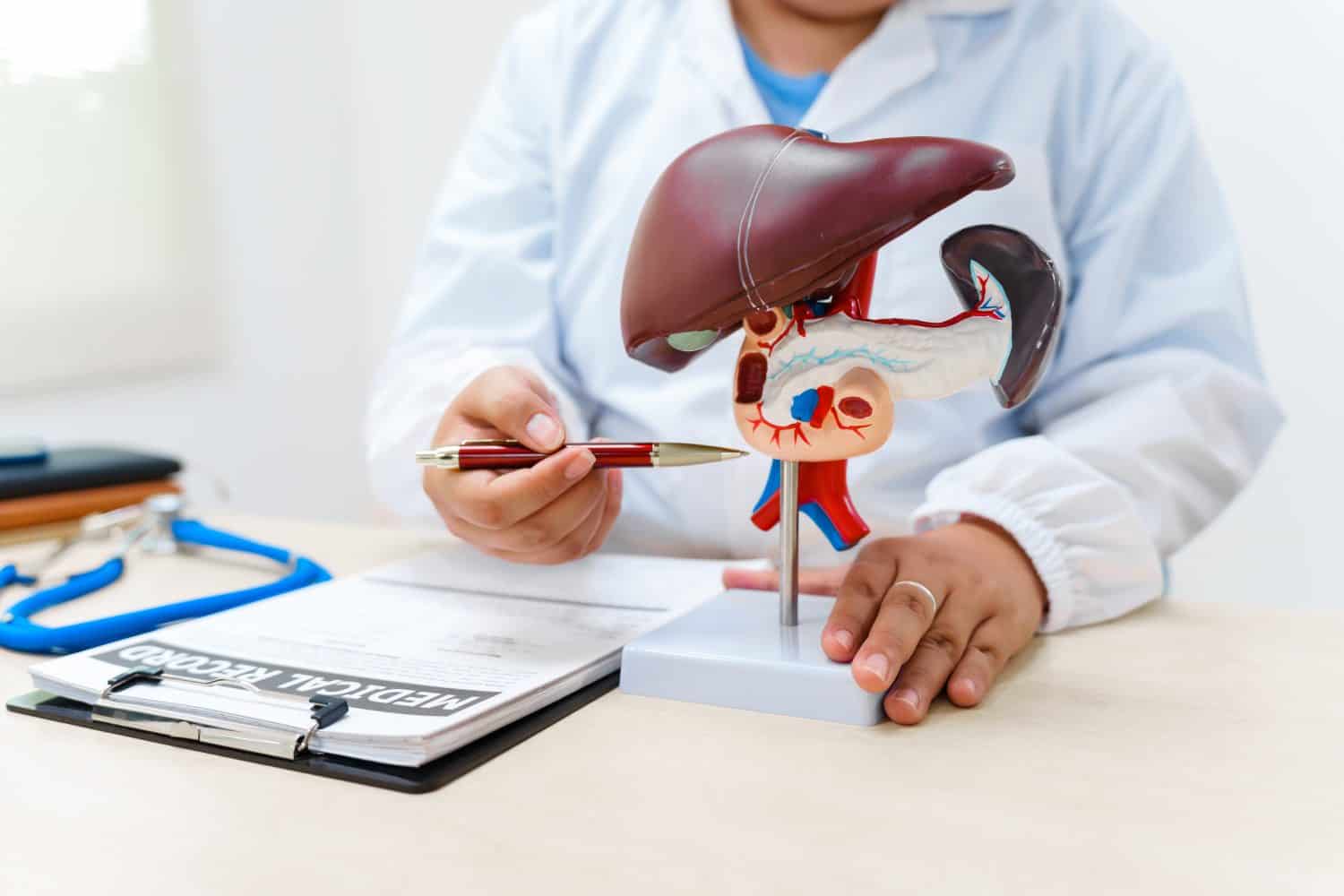
The liver has the ability to regenerate, so it is possible to transplant 60-70% of the healthy liver. Within weeks, both livers will then grow to normal size! it is still a complex surgery, subject to complications, however. About 40,000 of these surgeries happen worldwide every year, and recipients take anti-rejection medication for life.
Lungs
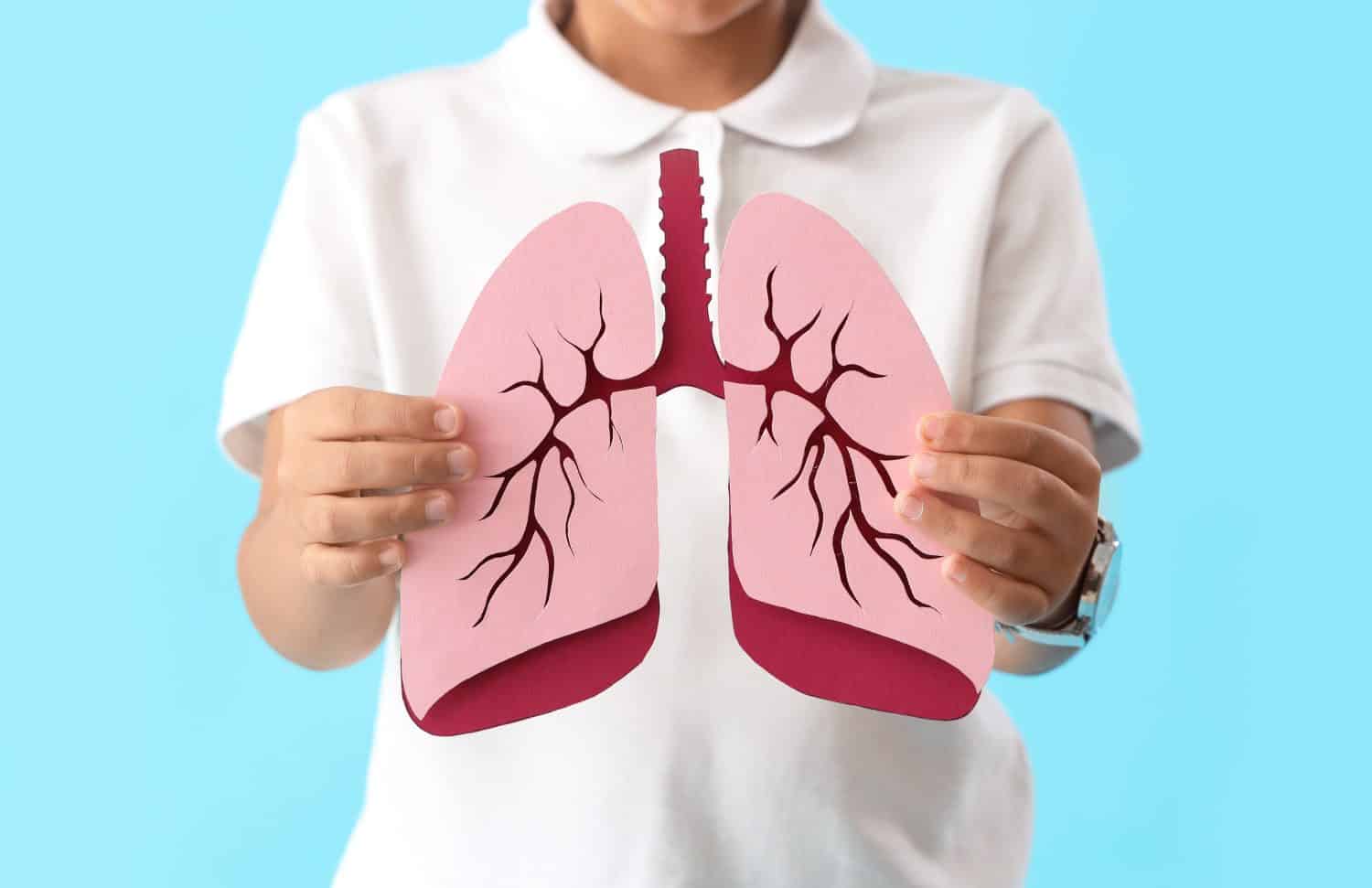
Lungs do not have the ability to regenerate and transplanting from a living donor can severely compromise their health, so these transplants are done from cadavers. The body’s rejection rate is high, even when the patient permanently takes immunosuppressants. About 30,000 of these transplants happen a year.
Pancreas
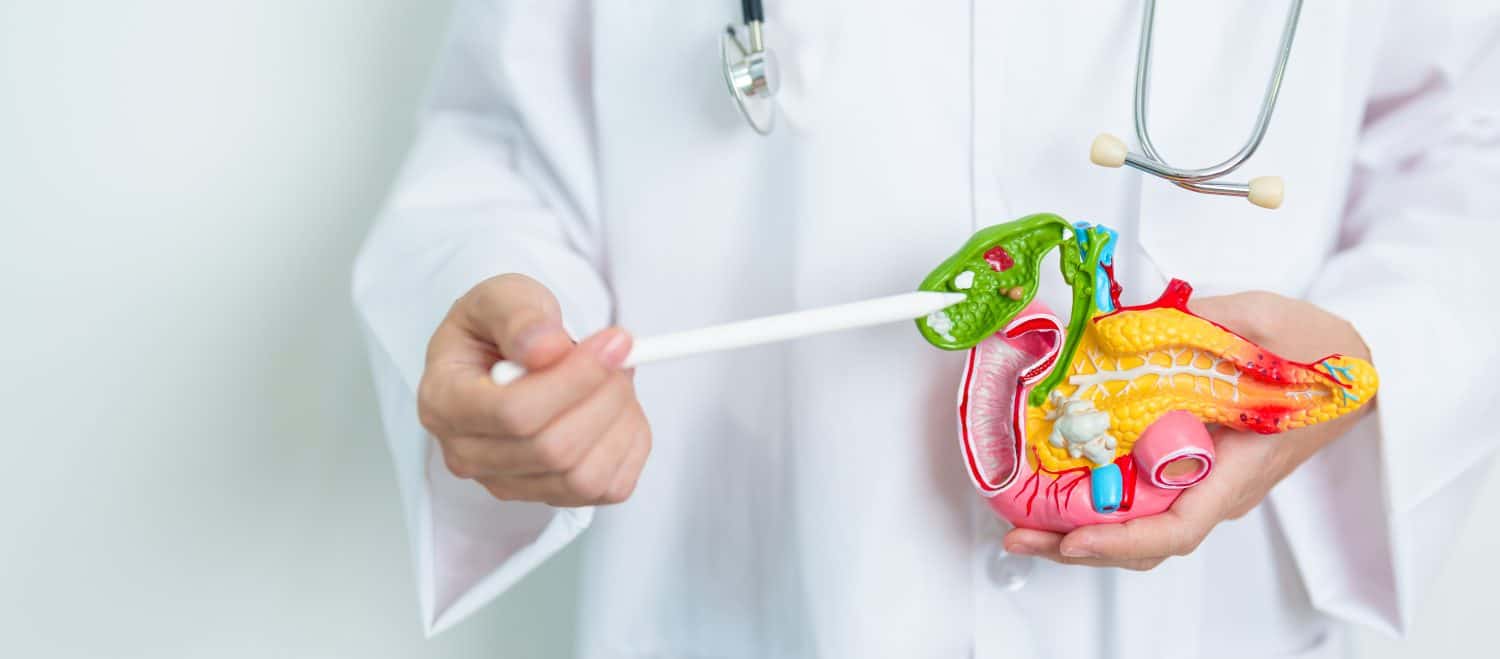
The pancreas is an organ that regulates blood sugar and produces digestive enzymes. A person can live without a pancreas only with long-term insulin therapy and enzyme supplements. About 10,000 transplants take place every year. The rejection rate can be moderate to high, even with immunosuppressant medication.
Skin
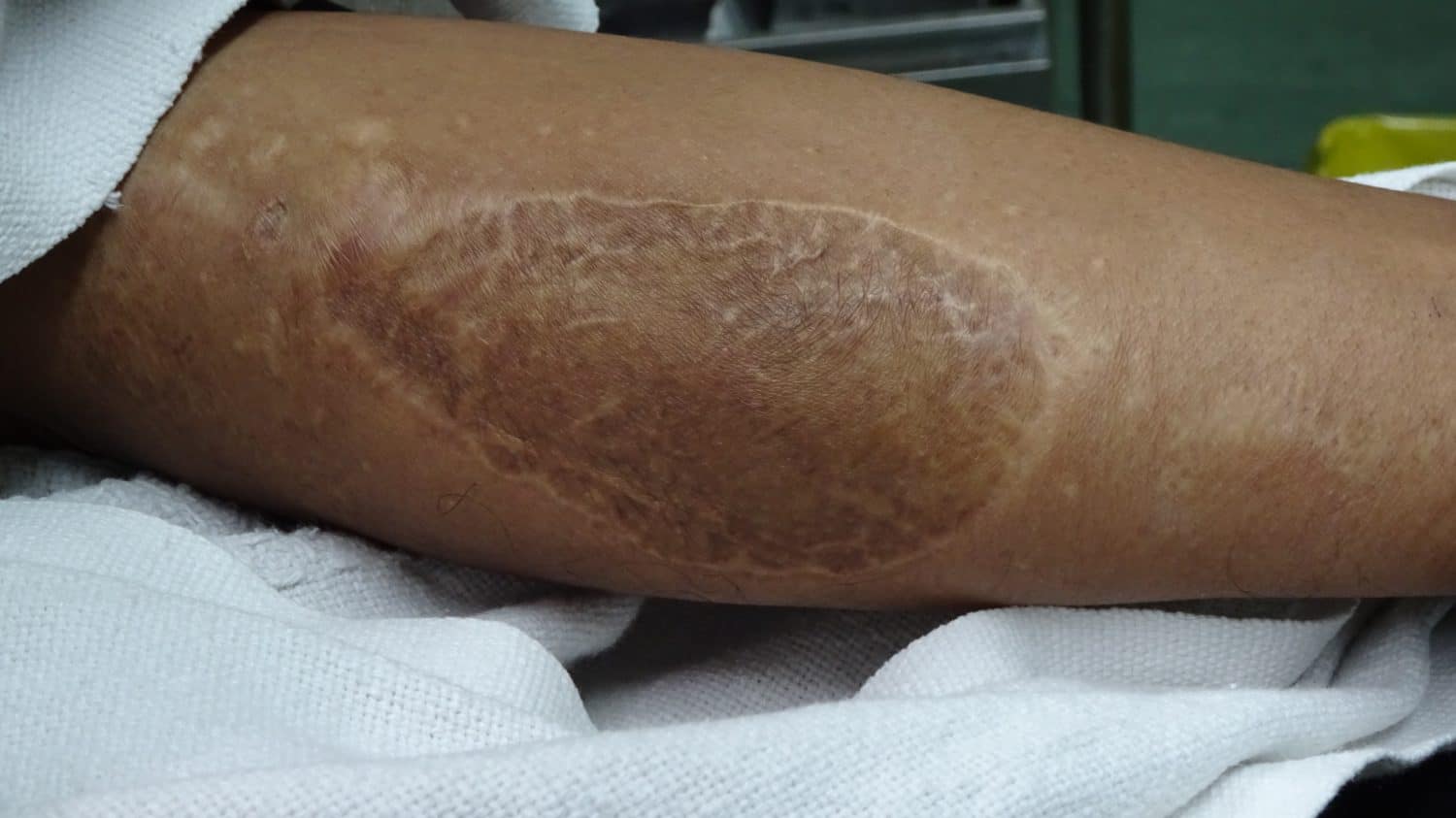
The most successful way to transplant skin is an “autograft,” or a donation from one part of the body to another. It’s often taken from parts of the body with large areas of skin, such as the back, thighs, or buttocks. For large grafts, the skin can be kept for some time in a solution and stretched to make it larger. Autografts have a low rejection rate and do not require immunosuppressant drugs, but the opposite is true for skin donated from another person.
Stomach
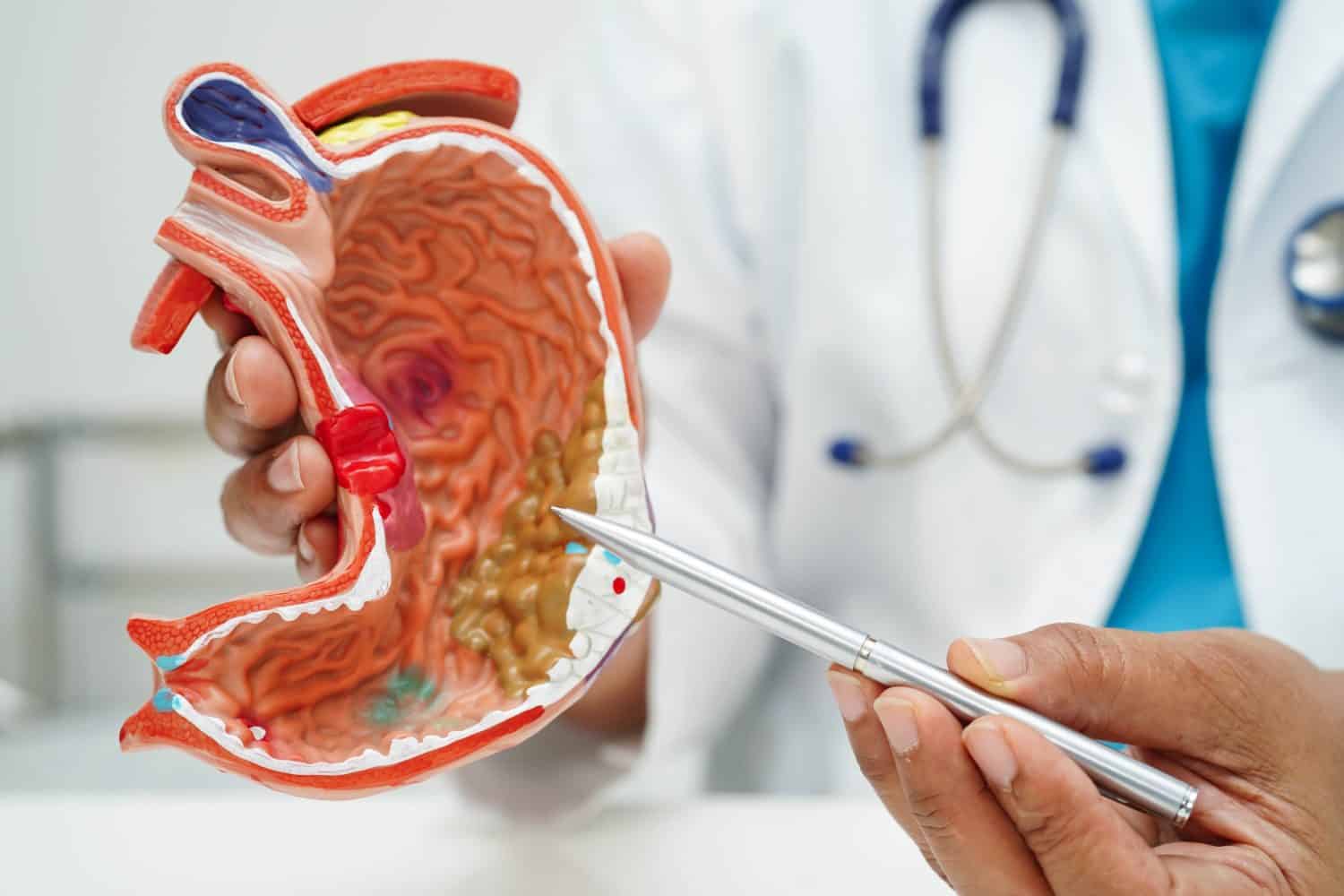
About 100 stomach transplants have been performed since the first one in 2006, but they have a high rejection rate even with lifelong anti-rejection medicine.
Uterus
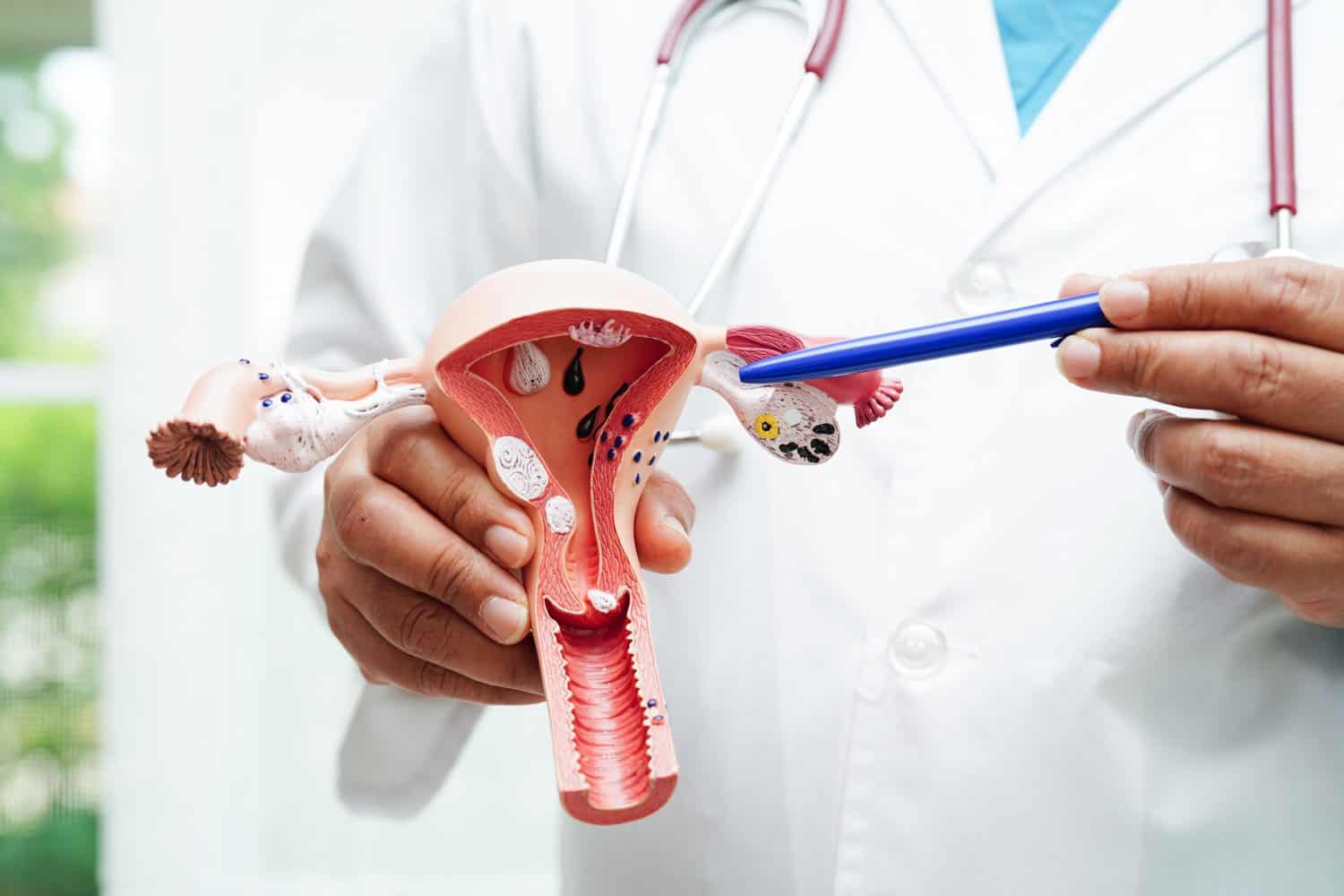
The first uterus transplant happened in 2014 and only about 20 have been done. It’s a complicated procedure with a high rejection rate, requiring lifelong medication to sustain.










 Top Gaining Stocks
 Top Losing Stocks