


 For years, Americans have assumed that the FDA was set up to test drugs. If a treatment was not effective or was too dangerous for patients, it never made it to market. If drugs that were released had side effects, those were disclosed to doctors and hospitals. The system do not work perfectly and some patients were sickened or killed by drugs with unanticipated problems. But, in general, the public could assume that the FDA was its pharma guardian angel.
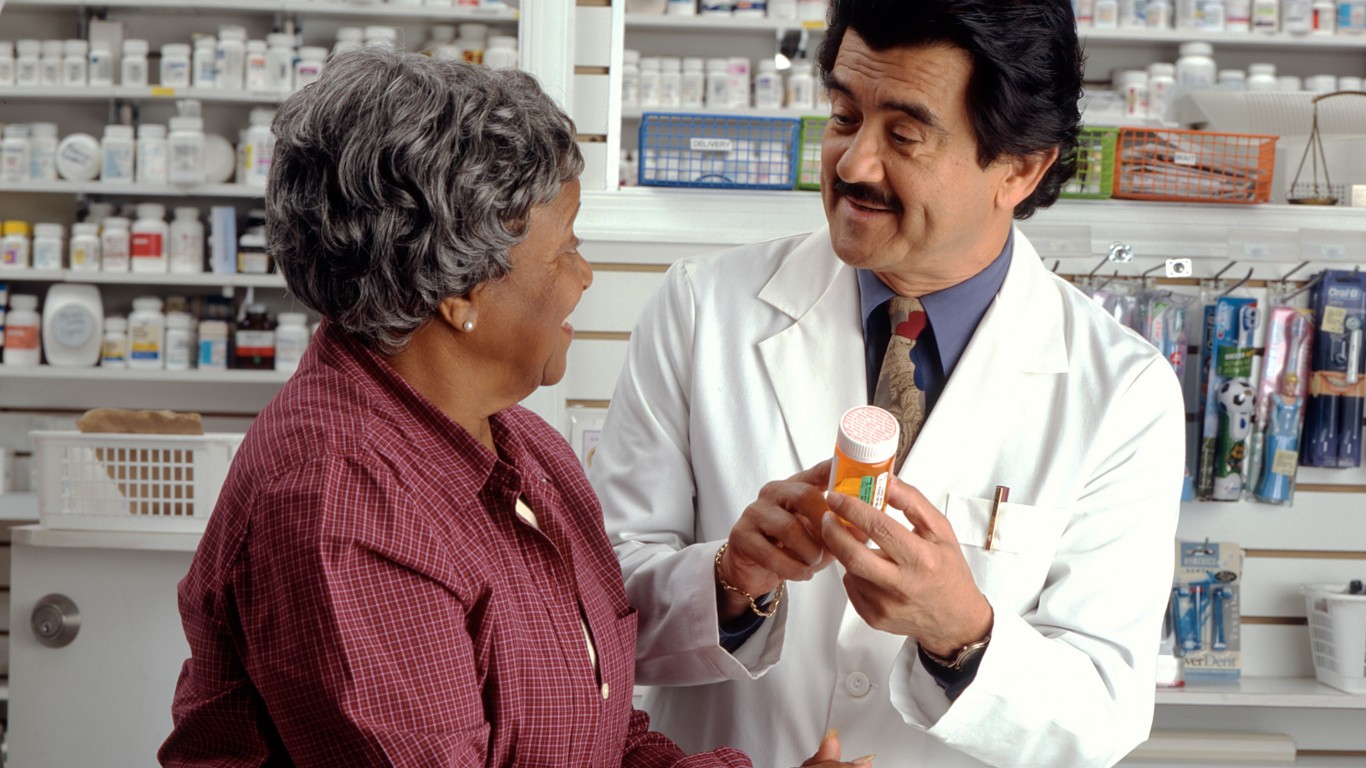
It may be that the FDA has not been telling patients everything it knows, or has been too circumspect in its disclosures. According to The New York Times, “researchers at the Dartmouth Medical School are urging federal regulators to adopt a … concept — numerical tables that quantify the benefits of taking a drug compared with a placebo, and that list the odds of having side effects.”
And, all along people thought that the FDA and their doctors were aware of all the medical risks of every drug on the market and would always be obligated to pass those on to their patients.
Even the suggestion of such a “disclosure” program speaks volumes about how poor a job the FDA has done in protecting the interests of people who need drugs and medical devices to cure diseases or have better lives. As it turns out, that was not entirely true. A patient who is not willing to read a label with the pluses and minuses of a treatment gets to play Russian roulette with his physician.
Douglas A. McIntyre








 Top Gaining Stocks
 Top Losing Stocks