


For years, Wall Street operated under one central assumption: when markets wobble, the Federal Reserve eventually rides to the rescue. That belief helped fuel the “everything rally” that lifted stocks, bonds, crypto, and housing after the 2008 financial crisis and again during the pandemic.
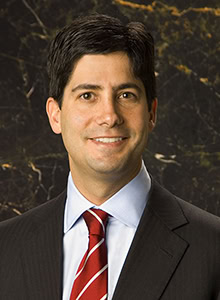
But the relationship between markets and the Fed has grown tense lately — and now President Donald Trump’s nomination of Kevin Warsh to replace Jerome Powell as Fed chair could reshape it again.
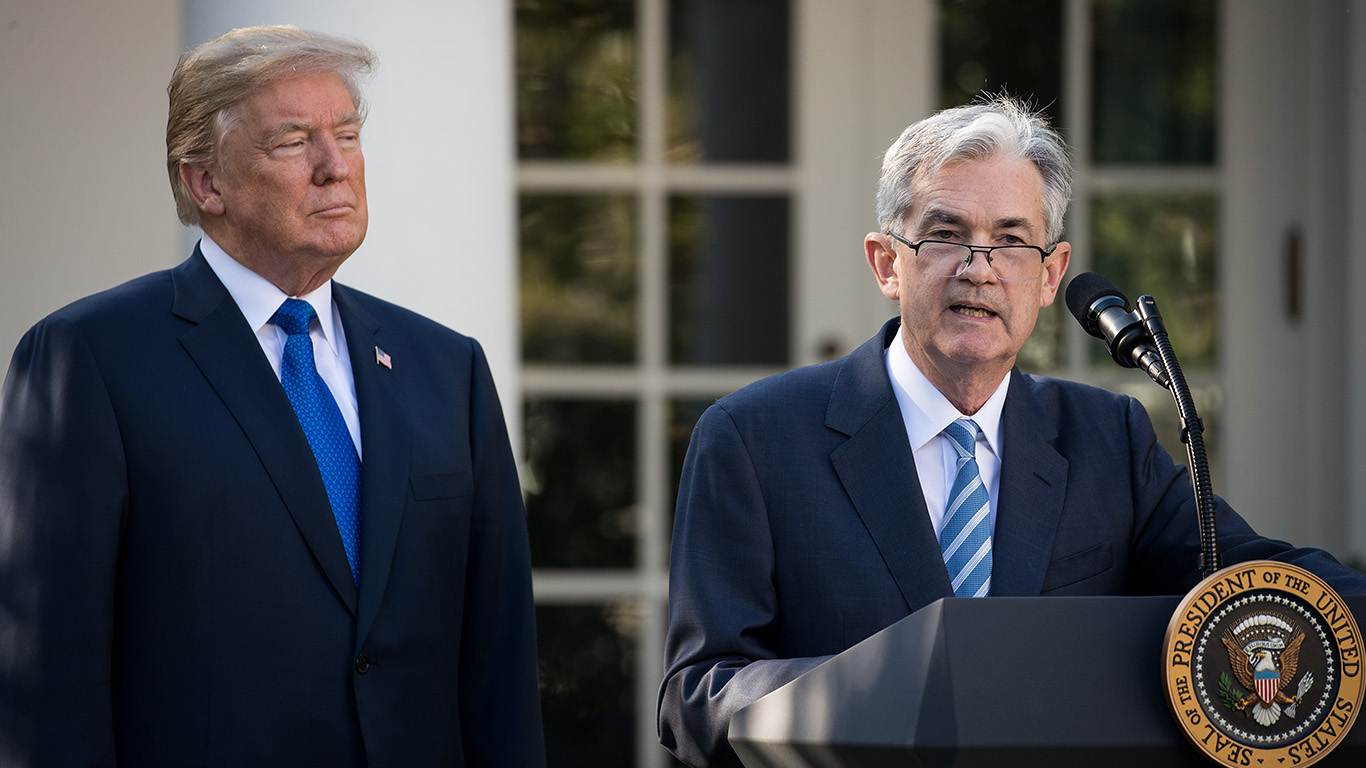
Trump spent months publicly pressuring Powell to step aside before his term expires May 15. The criticism centered on inflation, interest rates, and what Trump viewed as Powell’s reluctance to support faster economic growth. Yet Wall Street may discover Powell was more market-friendly than many realized. That’s because Warsh may bring an entirely different philosophy.
From Morgan Stanley to the Marriner Eccles Building
Warsh is hardly an unknown figure. The former Morgan Stanley (NYSE:MS | MS Price Prediction) banker served on the Federal Reserve Board from 2006 through 2011 during the global financial crisis. He worked closely with then-Fed Chair Ben Bernanke as the central bank rolled out emergency lending programs and quantitative easing.
Since leaving the Fed, Warsh has become one of the institution’s more vocal critics. In speeches at Stanford’s Hoover Institution and interviews with CNBC and Bloomberg, he has argued the Fed expanded too far beyond its original mission. That includes ballooning its balance sheet, intervening heavily in markets, and relying too much on forward guidance.
That matters because Wall Street historically prefers predictability above almost everything else.
Powell, despite clashes with investors during the inflation fight, largely telegraphed policy moves months in advance. Even when the Fed raised rates from near-zero in March 2022 to 5.25%-5.50% by July 2023 — the fastest tightening cycle in four decades — markets still had a roadmap.
Warsh may prefer fewer roadmaps and more discipline. And that’s where the potential regret begins.
The 7 Reasons Wall Street Could Regret a Warsh Fed
Let’s walk through the seven policy areas that could make investors uneasy.
1. Aggressive Reduction of the Fed’s Balance Sheet
According to the Federal Reserve’s weekly H.4.1 release, the Fed’s balance sheet still stood near $6.8 trillion in April, down from its $8.9 trillion peak in 2022.
Warsh has repeatedly argued the Fed became too dependent on asset purchases. He believes the central bank distorted financial markets by buying trillions in Treasury bonds and mortgage-backed securities.
A faster unwind could pressure Treasury prices, bond funds, rate-sensitive growth stocks, and housing activity. Surprisingly, investors may underestimate how dependent valuations became on abundant liquidity.
2. Stricter Inflation Focus
Powell initially misjudged inflation as “transitory” in 2021 before the Consumer Price Index peaked at 9.1% in June 2022. Warsh has criticized that delay.
He appears closer philosophically to former Fed Chair Paul Volcker, who pushed the federal funds rate above 19% in 1981 to crush inflation. Wall Street hated Volcker at the time because stocks and housing suffered badly. Yet history largely celebrates him today for restoring the Fed’s credibility.
That distinction matters. Powell tried balancing inflation control with market stability. Warsh may prioritize inflation credibility first and asset prices second.
3. A “Back-Seat Fed”
Warsh has argued markets became too reliant on central-bank support after repeated interventions during crises.
Under Warsh, a less-active Fed could mean rougher markets. Warsh’s broader vision centers on shrinking the Fed’s role in everyday markets. That sounds reasonable in theory. In practice, investors may find it uncomfortable.
In any case, a Fed less willing to intervene during market selloffs changes investor psychology dramatically. Since 2009, many investors assumed sharp declines would eventually trigger easier policy or liquidity support. Warsh may want to break that assumption.
4. Reduced Liquidity and Higher Volatility
Balance-sheet normalization removes reserves from the banking system. Less liquidity often means wider market swings.
During the Fed’s prior quantitative tightening campaign in 2018, the S&P 500 fell nearly 20% between September and Christmas Eve before Powell pivoted. Warsh may prove less willing to pivot quickly.
That could mean:
| Policy Shift | Potential Market Impact |
| Faster quantitative tightening (QT) | Higher bond yields |
| Smaller Fed footprint | Lower market liquidity |
| Reduced interventions | Sharper corrections |
| Tighter financial conditions | Pressure on speculative assets |
Regardless of how you look at it, markets addicted to liquidity rarely enjoy the withdrawal symptoms.
5. Less Forward Guidance
Powell’s Fed spent years carefully signaling policy intentions. Warsh has questioned whether excessive guidance encourages unhealthy risk-taking. A more discretionary Fed could create more “messy” policymaking — meaning larger reactions to inflation reports, employment data, and Treasury auctions.
Sharp investors, though, may welcome the return of true price discovery. Traders used to central-bank handholding probably won’t.
6. Regulatory Risks
Warsh also supports lighter banking regulation in some areas while pushing stronger monetary discipline.
Granted, deregulation can boost bank profitability. But looser oversight combined with tighter liquidity conditions can also create hidden stress in credit markets. The collapse of Silicon Valley Bank in 2023, for example, showed how quickly liquidity mismatches can spiral when rates rise rapidly.
7. Hawkish Credibility Over Short-Term Relief
Finally, Warsh appears willing to tolerate economic pain if it restores long-term confidence in the Fed. That’s the part Wall Street may dislike most.
Markets typically cheer rate cuts, stimulus, and dovish language. Warsh’s speeches suggest he views those tools as overused. He seems more concerned about preserving the Fed’s institutional credibility than cushioning every economic slowdown.
Key Takeaway
In short, Trump may believe replacing Powell with Warsh will produce a more growth-friendly Federal Reserve. Ironically, Wall Street could discover the opposite.
Powell frustrated investors during the inflation fight, but he still operated within the modern Fed playbook — clear guidance, market stabilization, and gradual adjustments. Warsh appears more willing to challenge the post-2008 status quo.
That does not automatically make him wrong. Volcker was deeply unpopular on Wall Street before history vindicated him. But when all is said and done, investors betting on endless liquidity, quick rate cuts, and a permanently supportive Fed may need to rethink their assumptions if Warsh takes the chair.








 Top Gaining Stocks
 Top Losing Stocks