


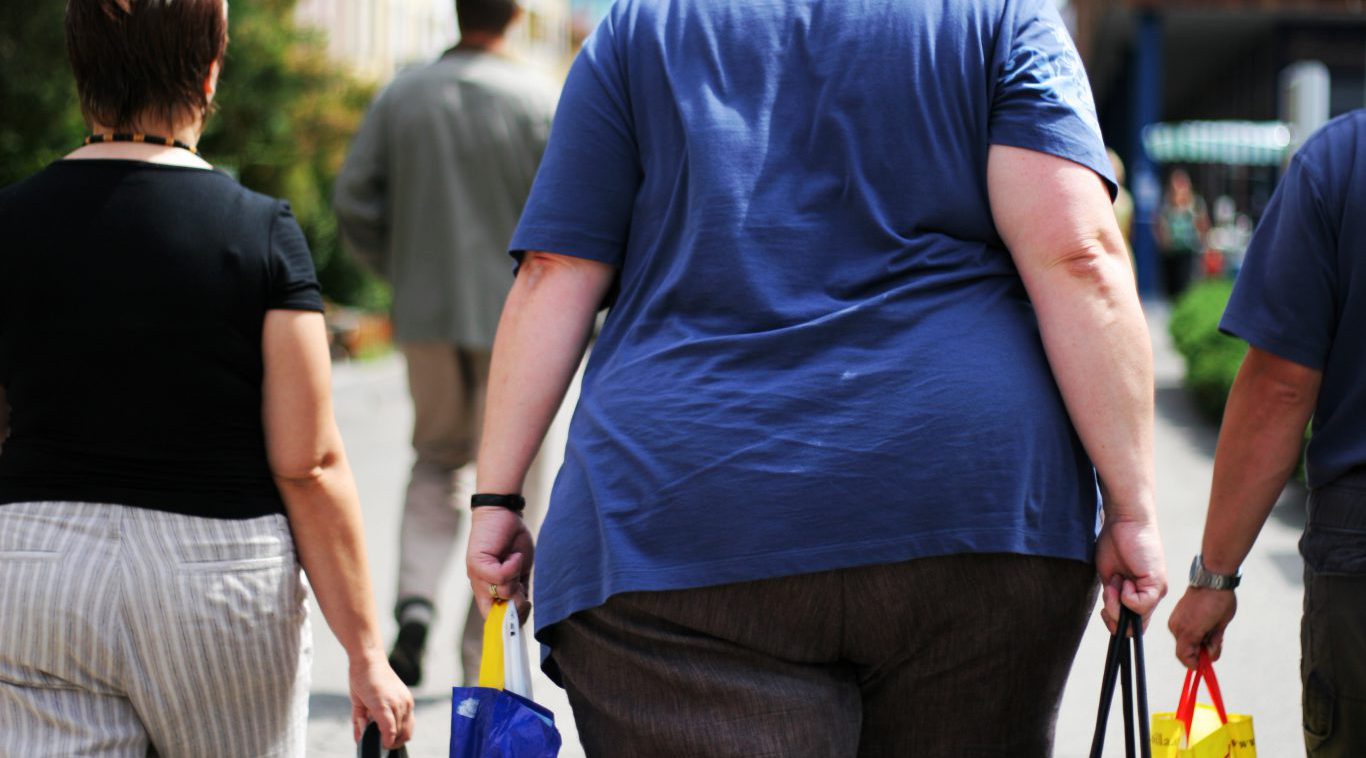
 Authors of a new CDC study, widely covered in the press, reported that the number of Americans considered obese will rise to 42% of the population by 2030. The medical costs of the shift will be $550 billion between now and then. And those medical costs are only part of it. America is preparing for a world of increased numbers of obese people the way it has for its aging population. Nothing about how business and the medical community treat the these citizens, as people in the United States gain weight, will ever be the same.
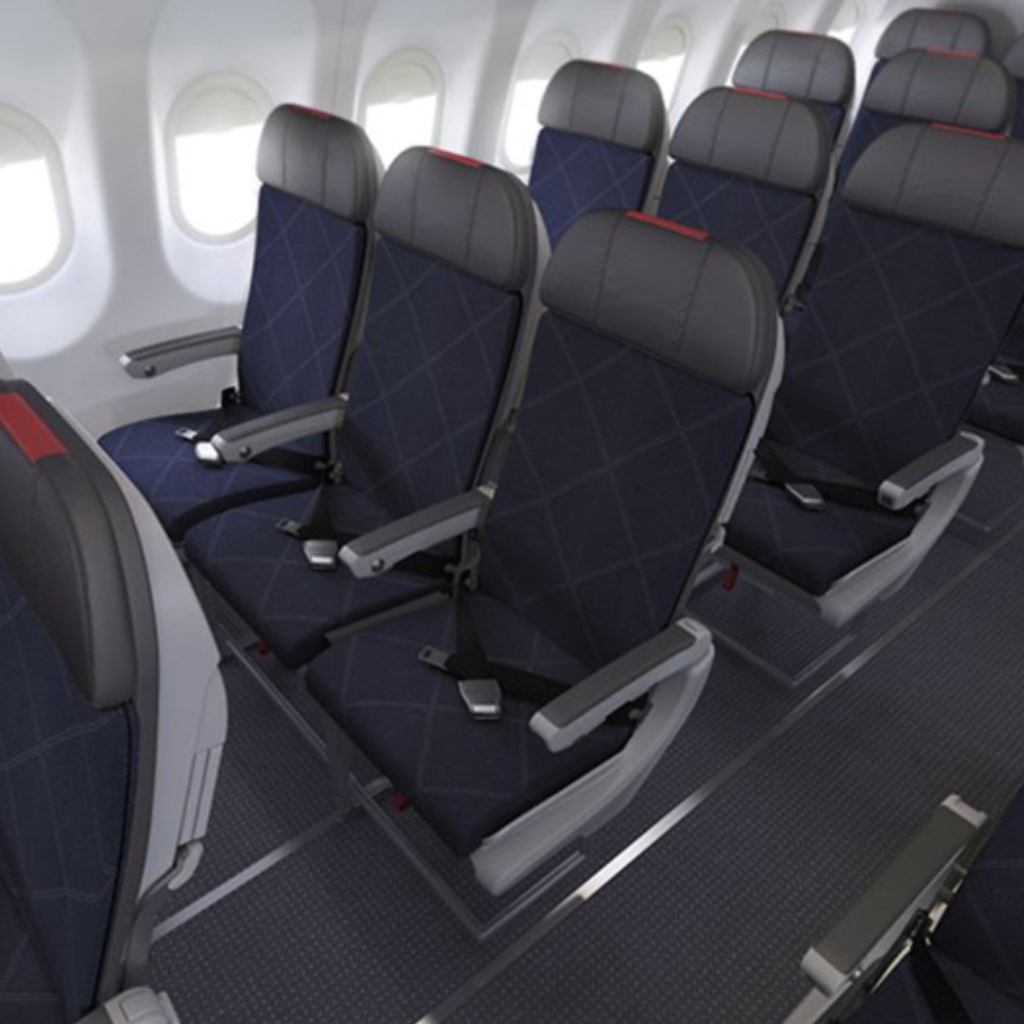
Businesses have begun to take on the price of obesity already. The New York Times reports that the average airline seat is made to bear a load of 170 pounds in a crash. The average America male weighs 194 pounds and the average woman 165 pounds. The FAA probably will need to issue new rules for the support strength of seats, and these new seats will cost money. And there are PR effects, too. There have been recent accounts of how airlines handle, or mishandle, wildly overweight passengers.
As scientists turn their focus to the future of the obese population, they have even started to determine the extent to which the obese can safely exercise. This might, in turn, bring down the weight of people who are more physically active. The Journal of Epidemiology and Community Health published a report by Dr. Paul Jarle Mork of the Department of Human Movement Science at the Norwegian University of Science and Technology. It recommends that obese people should get more exercise without too much concern about the effects of risk of knee and hip osteoarthritis. Even exercise equipment may be adjusted to help overweight Americans use gyms.
Science, it seems, has begun to turn its problem-solving methods as much to obesity as to heart disease, cancer or Alzheimer’s disease. It makes a perverse sense. Obesity may be the largest problem among that group of illnesses, particularly because of the role it plays in heart diseases, cancer and Type 2 diabetes.
A number of proposals have been put forward about how to cover the costs of a weight-gaining America. The taxes or medical insurance amounts that obese people pay could be increased. That would cover some of the rising costs associated with weight. The airlines could increase ticket prices for people who weigh more than 200 pounds, or 250, to pay for new seats and fuel. Food companies and restaurants might get tax breaks for preparing meals with fewer calories and less fat.
Of course, the American way is to take no prejudicial action against people because of age or infirmity. The obese are, as a group, treated like the aged, the sick and the infirm so far. And, in a world in which politicians and the courts create and enforce rules, the obese are not likely to face discrimination. As individuals, they represent too many votes. They may even want to start their own version of the AARP.
Douglas A. McIntyre









 Top Gaining Stocks
 Top Losing Stocks