



The rate of the spread of COVID-19 had slowed across America. Despite a new surge, increases in daily fatal and confirmed cases are still about half what they were three months ago. Nevertheless, 578,356 Americans had died as of Saturday, which is about 20% of the world’s total. The global death total just moved above a staggering 3 million. Confirmed cases have reached 32,320,125 in the United States, or about 23% of the global number. Hospitalizations, which were over 100,000 a day during the peak wave, have dropped into the thousands.
Variants have become a large part of the conversation among public health officials and epidemiologists. One variant, first identified in the United Kingdom and known as B.1.1.7, is more transmissible than the strain that was dominant in the United States over the early stage of the pandemic. The Centers for Disease Control and Prevention (CDC) also officially tracks these other variants: B.1.351, P.1, B.1.427 and B.1.429. Worries are that some may be more deadly than others and that vaccines may not protect against one or more variants.
Scientists believe that new variants will continue to appear. Some of them may originate in America and others may come from overseas. Last week, it was announced that “Scientists at the Texas A&M University Global Health Research Complex (GHRC) have identified a variant of the COVID-19 virus — ‘BV-1’ — that could present a new challenge to public health.”
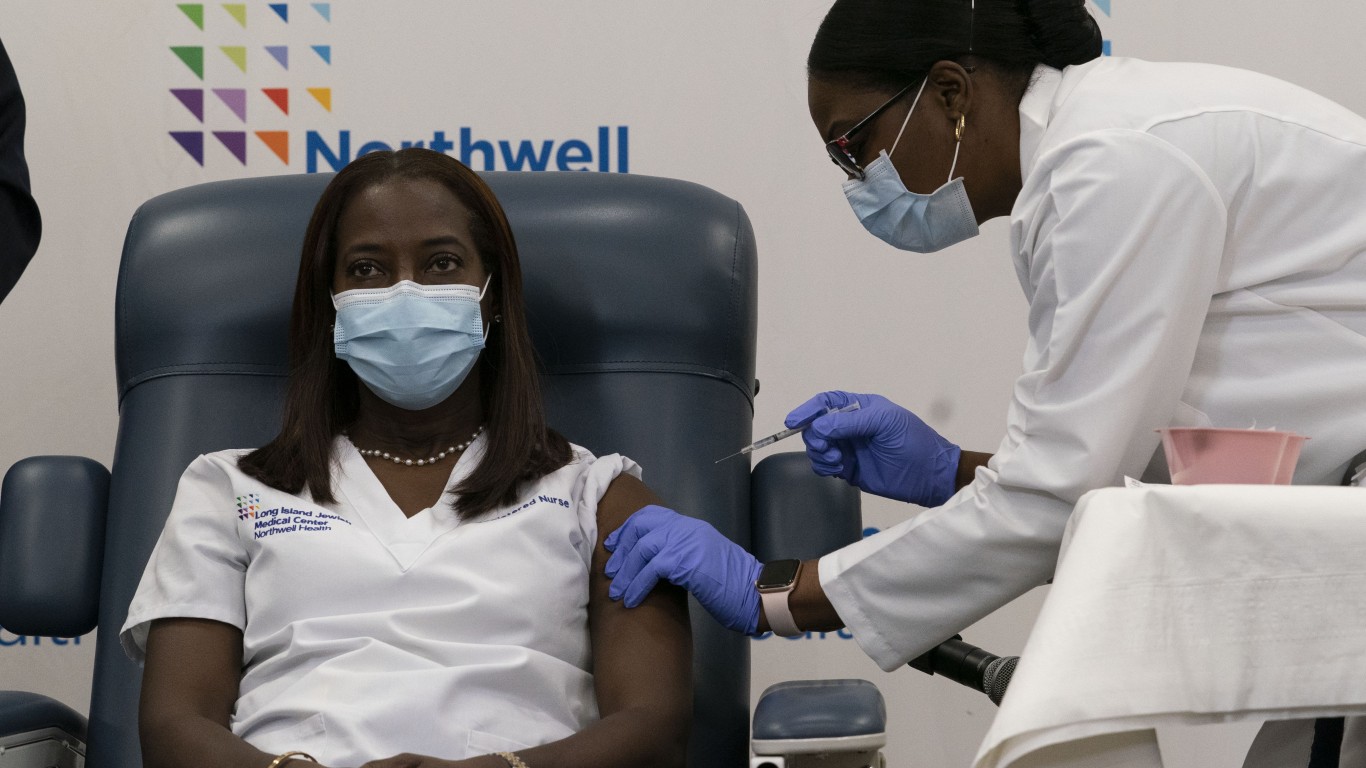
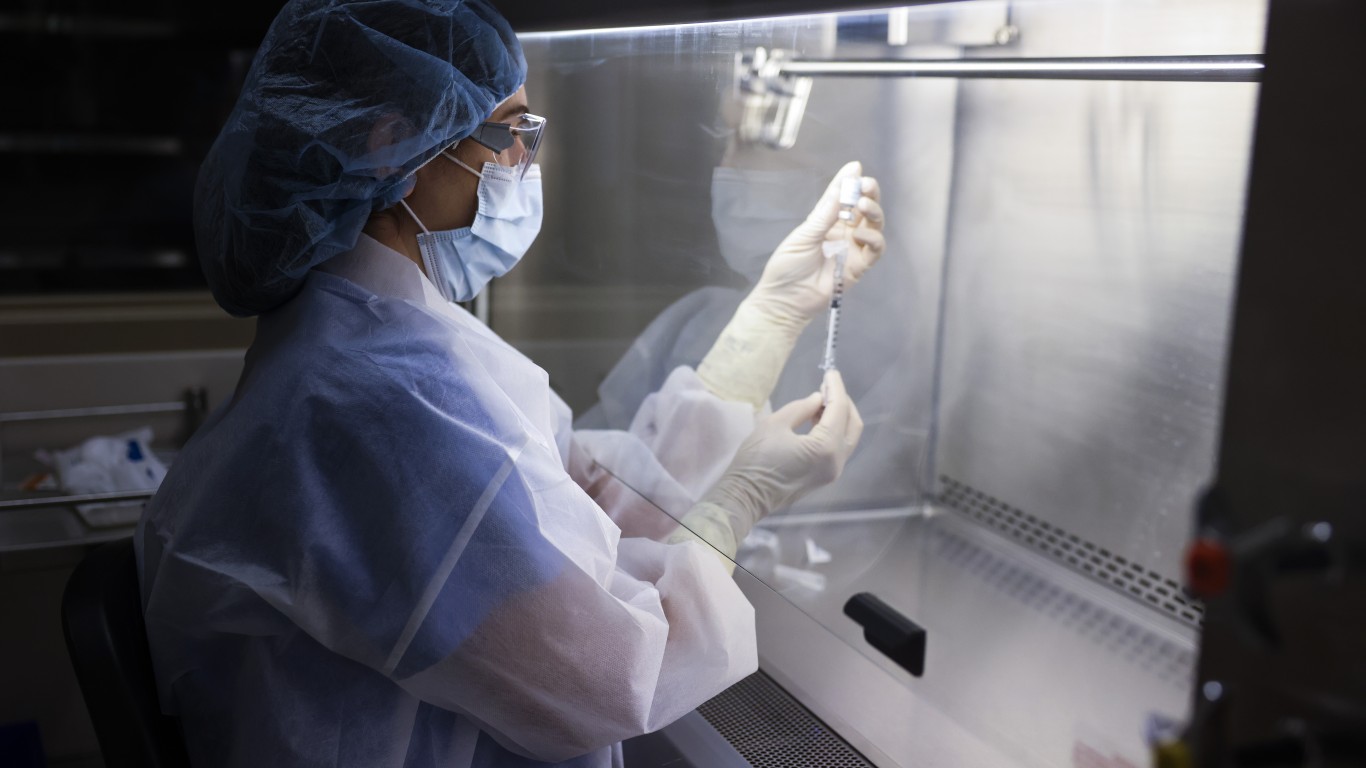
At this point, according to the CDC, 42.5% of Americans have been given at least one dose of a vaccine, and 28.9% are fully vaccinated. As of Monday, 290,692,005 doses have been delivered, and from those, 230,768,454 shots (79.38%) have been given.
[nativounit]
There has been a debate among scientists and doctors about when people will need additional doses. Some of this has to do with how effective vaccines are against variants.
Researchers have found that people who have had mild cases of the disease may have symptoms again months later, which means they never had a full recovery. According to the CDC Morbidity and Mortality Weekly Report, this rate can be very high. Becker’s Hospital Review summed up the conclusions:
Findings showed 69 percent of the study group had at least one outpatient visit between 28 and 180 days after their coronavirus diagnosis. Of those, 68 percent received a new primary diagnosis such as a cough, shortness of breath, chest or throat pain and fatigue, “which likely represent ongoing COVID-19 symptoms,” the report said.
The study was done by the CDC and Kaiser Permanente Georgia. The universe of people studied included 3,171 COVID-19 patients “who did not require hospitalization within the first 28 days of their diagnosis.”
One conclusion from the research is that COVID-19 sometimes does not run its course in two weeks or even a month. The effects of the disease can last for many months, and patients can go from an assumed recovery to being sick again.
Click here to see which states have the most COVID-19 cases.
[wallst_email_signup]






 Top Gaining Stocks
 Top Losing Stocks