


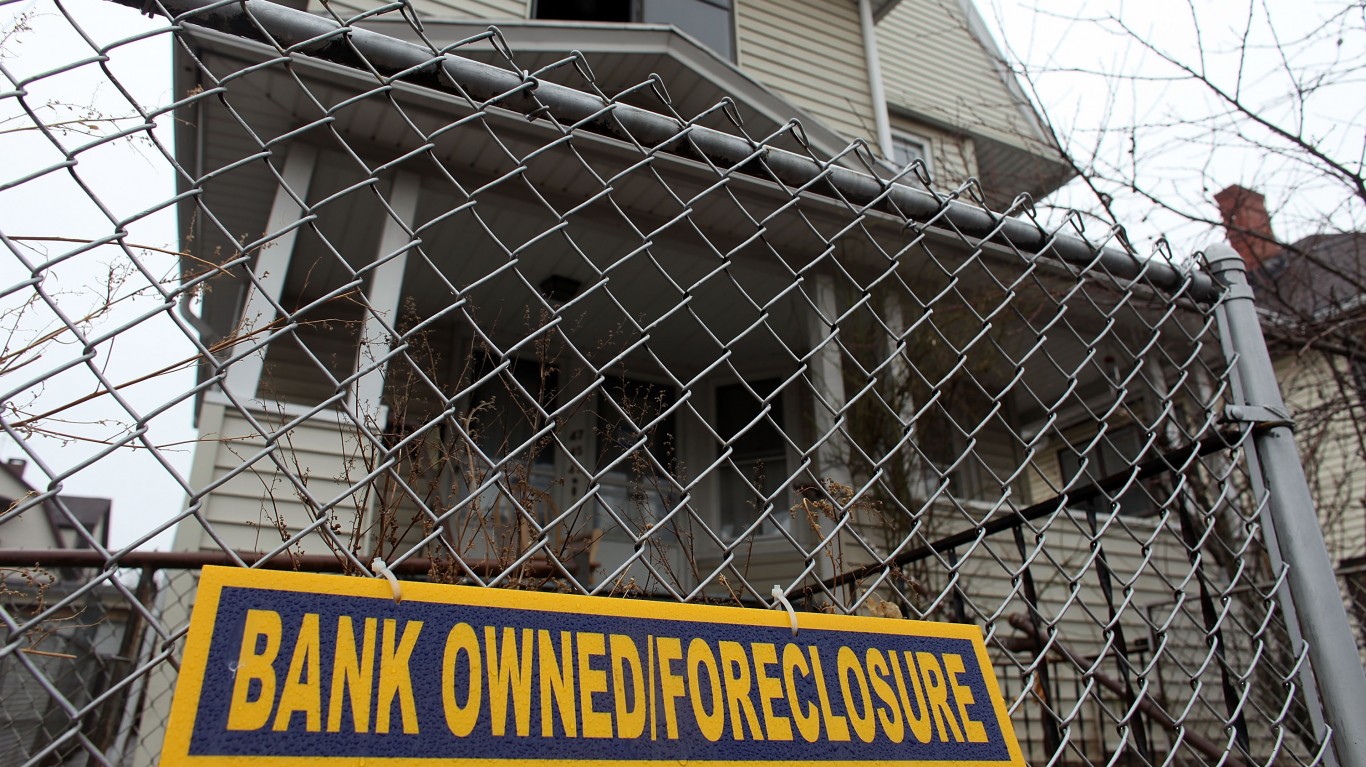
 Congress is working overtime to try to pump oxygen into the deflated real estate market, and I’ve been wondering why for quite some time. If real estate prices fall, a first-time home buyer can get a great deal on a home. Declining property values are a zero-sum game: bad news for some people but a source of great opportunity for others. Every foreclosure ends with a new homeowner: it’s not like distressed properties are being burnt to the ground.
And yet we’ve seen our lawmakers in Washington doing everything they can to try to keep the real estate market from falling further: special tax credits for buying a home on top of the already huge tax advantages, pushing lenders to help stem foreclosures, and more. Any new stimulus package will likely include still more measures to prop up home prices.
What gives? The National Association of Realtors. According to the Center for Responsive Politics, the NAR is the United States’ third-largest donor to political campaigns, with more than $30 million in contributions since 1990.
Clearly, this is an organization looking to buy influence, not contribute to politicians who happen to agree with their agenda: the NAR contributes approximately equally to both parties. You have to wonder how different the bailouts would look — and how much less of our money would be used to prop up housing — if the NAR weren’t so powerful. The NAR pushed for the deregulation that contributed to a housing bubble, and now it’s pushing for more cash to keep its industry in the black.
If it weren’t for all those millions in contributions, Washington would probably stop listening. But it can’t.
Zac Bissonnette






 Top Gaining Stocks
 Top Losing Stocks