


 The Securities Industry and Financial Markets Association (SIFMA) which claims that it represents the interests of hundreds of securities firms, banks and asset managers, says that a full-scale moratorium would be ruinous to both the housing market and economy. The mouthpiece for part of the financial industry is not the first to take this point of view, nor will it be the last.
In its statement the SIFMA said
“It would be catastrophic to impose a system wide moratorium on all foreclosures and such actions could do damage to the housing market and the economy. It must be recognized that the mortgage market, investors and the health of the economy are all inter-related. Investors in the housing market—including American workers with pension funds, 401k plans, and mutual funds—would unjustly suffer losses in their savings from these actions. Increased uncertainty in the securitization market would further constrain consumer credit and spending, dampening our already unhealthy economic situation. If mistakes have been made in relation to foreclosure processing, SIFMA firmly believes such mistakes should be corrected. It is imperative, however, that care be taken in addressing these issues to ensure that no unnecessary damage is done to an already weak housing market and, in turn, that there is no further negative impact on the economy.”
Like most peddlers of opinion about complex matters, the SIFMA offers nearly no support for its point of view.
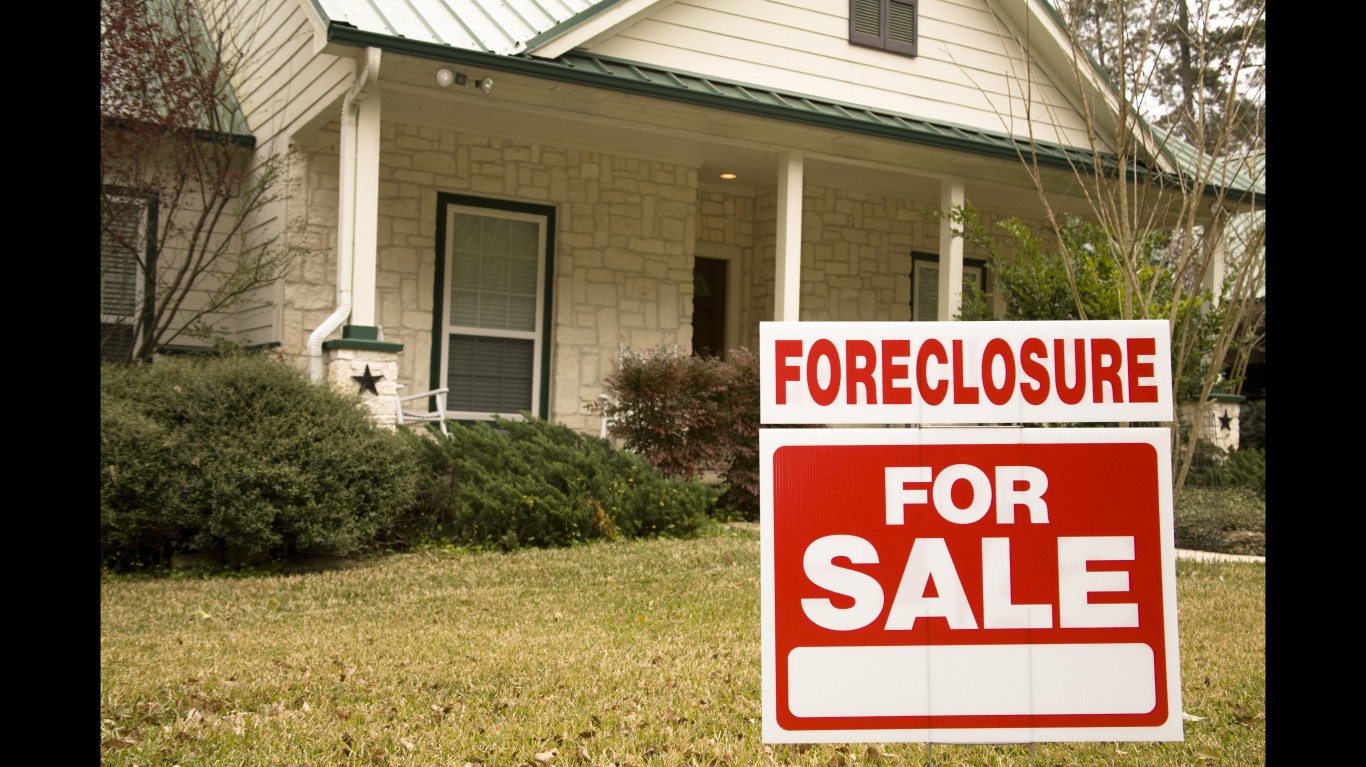
The decisions that the government and banks make on the future of the foreclosure documentation mess could do nearly as much damage to the housing market and broad economy as the credit crisis did–or it could do nearly no damage at all. The point on one side of the debate is that foreclosures, particularly those wrongfully done, throw some number of people who should be homeowners out of their homes. Every single foreclosure, this school argues, in another house cast into an almost limitless inventory of unsold homes. A pause in the process of foreclosures in general would allow some arbiter, at this point not selected, to decide which foreclosures are fair and reasonable
The champions of a very limited examination of the process that banks use to put homes into foreclosure says that the process is only moderately imperfect and that banks cannot afford the time to go through their inventories of troubled home loans to review them two or three times to look for “mistakes”. Financial instruments based on mortgages could lose a great deal of value as the decision on how foreclosures should be sorted out drags on. Homes which have a financial status in abeyance cannot be bought or sold. Home buyers will have another reason to sit on the sidelines at a time when the housing market desperately needs shoppers.
The foreclosure problem is not going to be solved. The present crisis sucks confidence out of a housing market which is already part of the panic about when the economy might turn up again. One group can take satisfaction in the new state of affairs–those who believe the price of homes must drop another 10% or more to bring buyers back into the market. If they are right, the path to get there will be remarkably painful, but it may have begun
Douglas A. McIntyre






 Top Gaining Stocks
 Top Losing Stocks