


 Bloomberg ran a report that showed that some banks in Ireland, with the support of the government, have started to destroy houses that were built ahead of the home value bubble. These cannot be sold, and many have fallen into disrepair. The banks are better off not to have them on their balance sheets. Ireland is not the only place where the practice has started. In areas of Detroit, homes have been and are being destroyed.
In an odd way, banks and governments have not helped themselves with the bulldozing approach to the glut of homes, including those in the poorest areas. The tearing down of homes leaves a certain amount of blight, which in turn makes homes still standing in the areas worth less. Like the sale of foreclosed homes at sharp discounts, the bulldozing process will only prolong the mortgage problem in many geographic regions — an unintended but very real consequence.
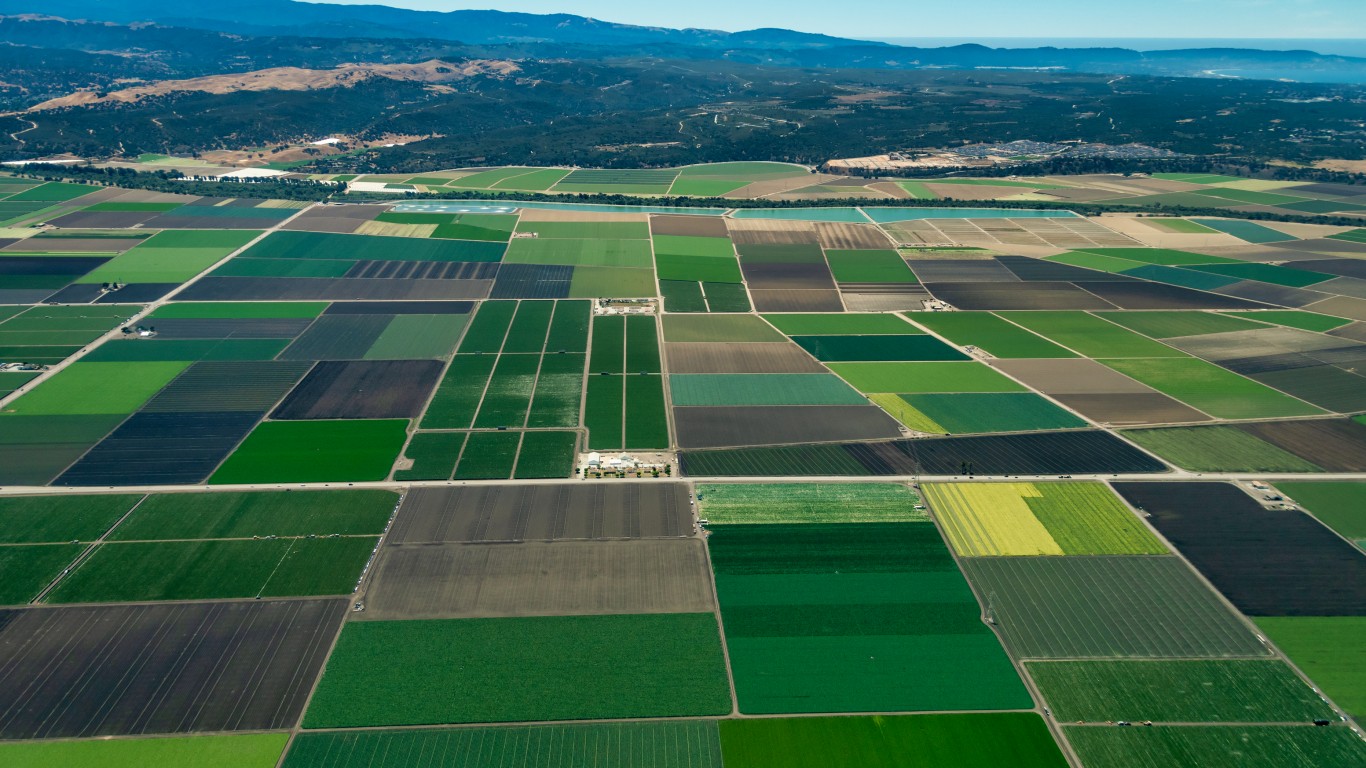
In Detroit, there has been talk of turning the land that once sat under homes that have been destroyed into farms or parks. Farmers will not go to areas wracked by violence, not when they have perfectly good land of their own. Urban dwellers might be taught to farm, but what will they do with whatever crops they produce — sell them to the people whose homes have been plowed under? And parks can be built, but they will sit in areas where there are no visitors.
The decision to destroy homes in inevitable. Many of these houses will fall down themselves, and thus present a public health problem. The financial problems caused for other homeowners are secondary to that, at least as far as banks have decided.
No one can benefit from the bulldozing practice. It does not get the banks their money back, and it may depress the value of other homes on which they hold mortgages. It does not help real estate values. It does not really present a chance to create farms and parks. The only group that makes money is the one that owns the bulldozers.
Douglas A. McIntyre







 Top Gaining Stocks
 Top Losing Stocks