


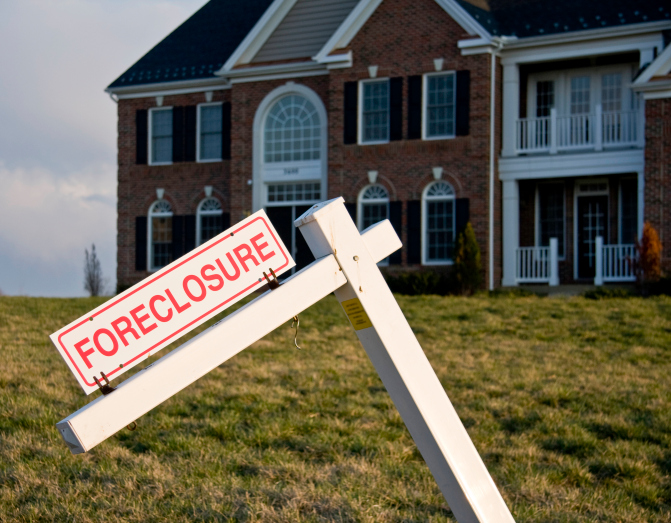
According to research firm RealtyTrac, information it gathered for its year-end and fourth-quarter 2012 U.S. Foreclosure & Short Sales Report:
… shows a total of 947,995 U.S. properties in some stage of foreclosure or bank-owned (REO) were sold during the year, a decrease of 6 percent from 2011 and down 11 percent from 2010.
The improvement was substantial based on another measure:
[F]oreclosure-related sales accounted for 21 percent of all U.S. residential sales during the year, down from 23 percent of all sales in 2011 and down from 28 percent of all sales in 2010.
In states with the most troubled real estate markets, overbuilding and high unemployment rates continue to lag significantly. It could take years for home inventory to drop to year 2000 levels, before the rise in aggressive construction began. Also, the jobless rate in many sections of these states remain extremely high compared to the national average.
Foreclosure sales accounted for more than 38 percent of all residential sales in California in 2012, the highest percentage of any state but down from 44 percent of all sales in 2011 and down from 49 percent of all sales in 2010. California pre-foreclosure sales in 2012 increased 12 percent from 2011 while California REO sales decreased 27 percent over the same time period.
Georgia foreclosure-related sales increased 12 percent in 2012 compared to 2011 and accounted for nearly 38 percent of all residential sales in the state during the year. Georgia pre-foreclosure sales in 2012 increased 16 percent from 2011 while Georgia REO sales increased 9 percent during the same time period.
Foreclosure-related sales accounted for nearly 38 percent of all residential sales in Nevada in 2012 despite a 36 percent decrease from 2011. Nevada pre-foreclosure sales in 2012 decreased 20 percent from 2011 while Nevada REO sales decreased 46 percent during the same time period. Foreclosure-related sales had accounted for 55 percent of all Nevada residential sales in 2011 and 60 percent of all Nevada residential sales in 2010.
And:
Other states where foreclosure-related sales accounted for at least 20 percent of all residential sales in 2012 were Arizona (34 percent), Michigan (31 percent), Illinois (27 percent), Florida (25 percent), Colorado (23 percent), Wisconsin (22 percent), and New Hampshire (21 percent).
A review of the same data by city also demonstrates the regional unevenness of the recovery and pockets where a full recovery will take many years. Analyzed by city:
Riverside-San Bernardino-Ontario metro area in Southern California in 2012, the highest percentage among the nation’s 20 largest metropolitan statistical areas in terms of population.
Other metros where foreclosure-related sales accounted for at least 30 percent of all residential sales in 2012 were Atlanta (41 percent), Los Angeles (36 percent), Phoenix (34 percent), San Diego (34 percent), Detroit (32 percent), San Francisco (31 percent) and Chicago (31 percent)
Because of unemployment, and the fact that residents have started to abandon cities like Detroit, Riverside and San Bernardino, a recovery to 2006 prices is nearly impossible.
The foreclose market has only improve in some parts of the country. Elsewhere, the depression persists.






 Top Gaining Stocks
 Top Losing Stocks