


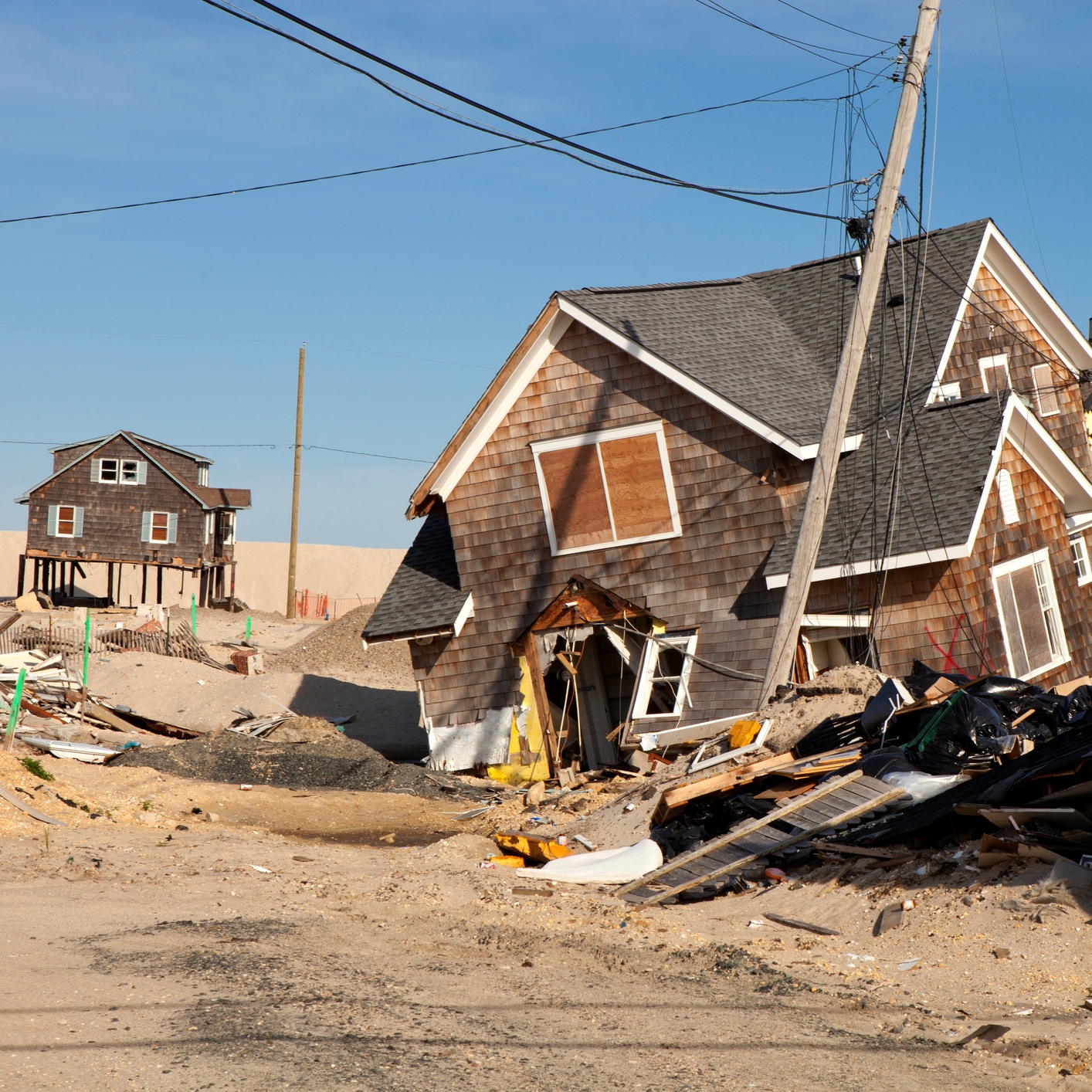
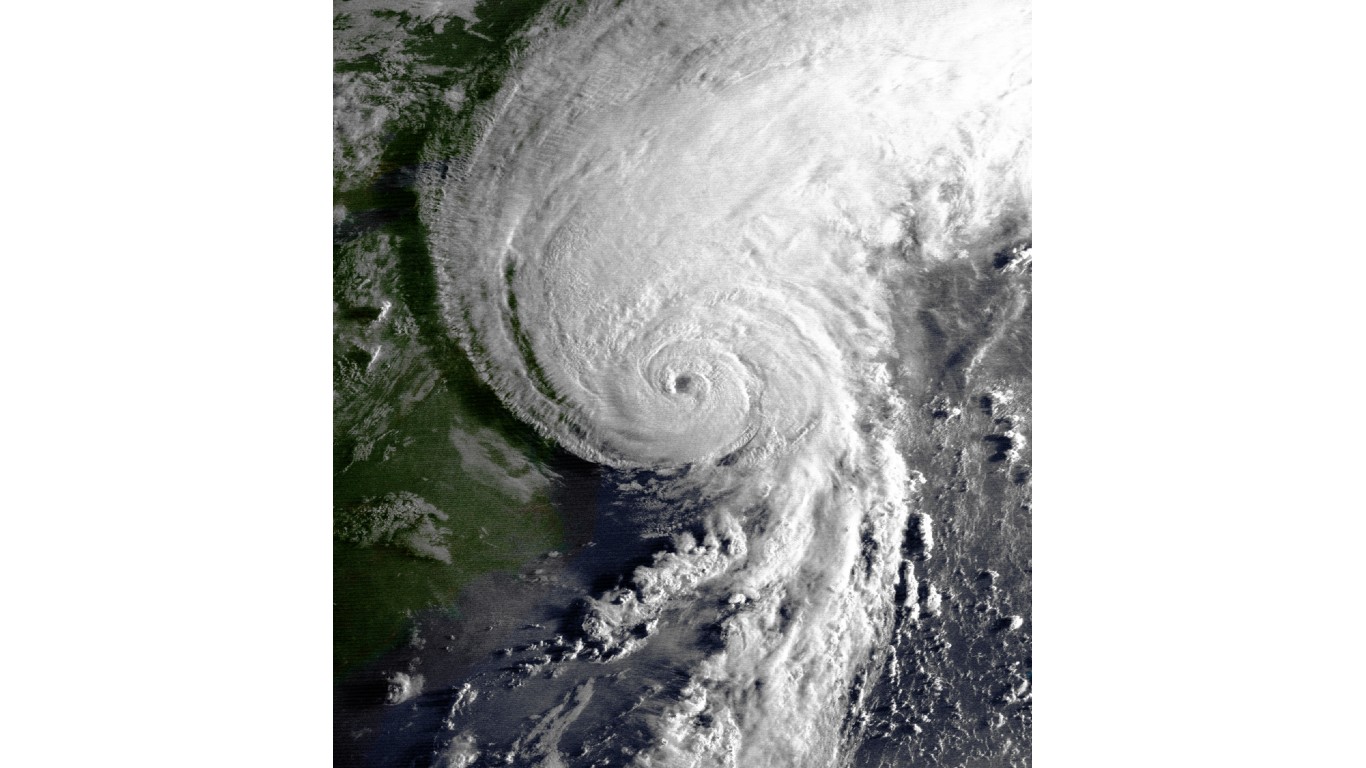
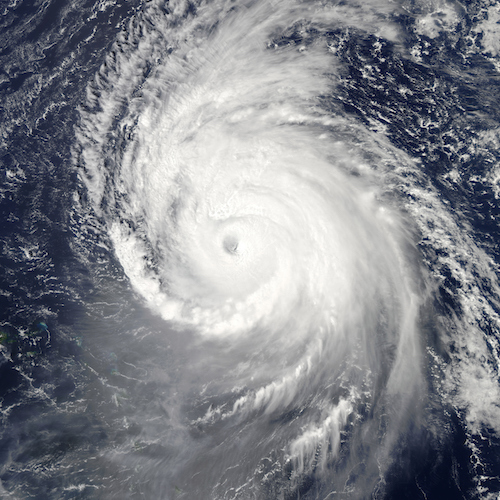
In an assessment of possible wind and water damage from Hurricane Irma when it makes landfall in Florida, analysts at CoreLogic conclude that 2.2 million commercial and residential properties in the Miami metro area are at “extreme risk” of wind damage from the storm. Only about 350 properties are rated as subject to “very high” and “high” risk, while none is rated as “moderate” or “low” risk.
Other Florida metro areas with large numbers of properties at “extreme risk” from wind damage include Port St. Lucie (234,597), Sebastian-Vero Beach (86,012), Cape Coral-Fort Myers (85,401) and Key West (26,117).
Metro areas facing “very high” risk of wind damage include Tampa-St. Petersburg-Clearwater (1.15 million), Orlando-Kissimmee-Sanford (448,287) and Lakeland-Winter Haven (320,052).
In all, CoreLogic’s analysis indicates that an estimated 8.46 million residential and commercial properties in Florida are at either “extreme,” “very high” or “high” risk of wind damage from Hurricane Irma. The firm’s storm surge analysis shows that an estimated 3.5 million residential and commercial properties in Florida are at risk of hurricane-driven storm surge damage.
[nativounit]
The Florida metro areas with the more than 100,000 properties at risk from storm surges, along with the total at risk in each metro, are:
- Miami-Fort Lauderdale-Pompano Beach: 894,820
- Tampa-St. Petersburg-Clearwater: 523,457
- Cape Coral-Fort Myers: 484,464
- North Port-Bradenton-Sarasota: 332,236
- Jacksonville: 213,298
- Naples-Marco Island: 212,731
- Punta Gorda: 204,304
- Deltona-Daytona Beach-Ormond Beach: 115,287
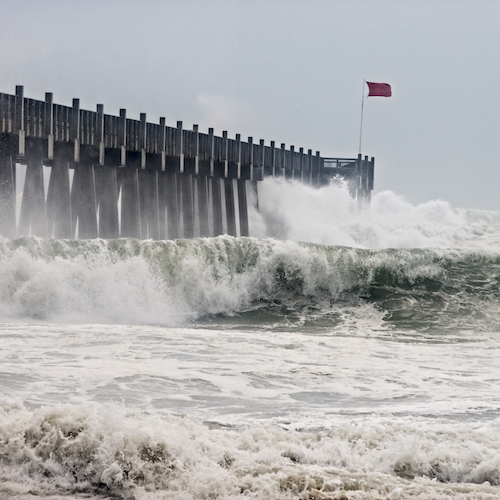
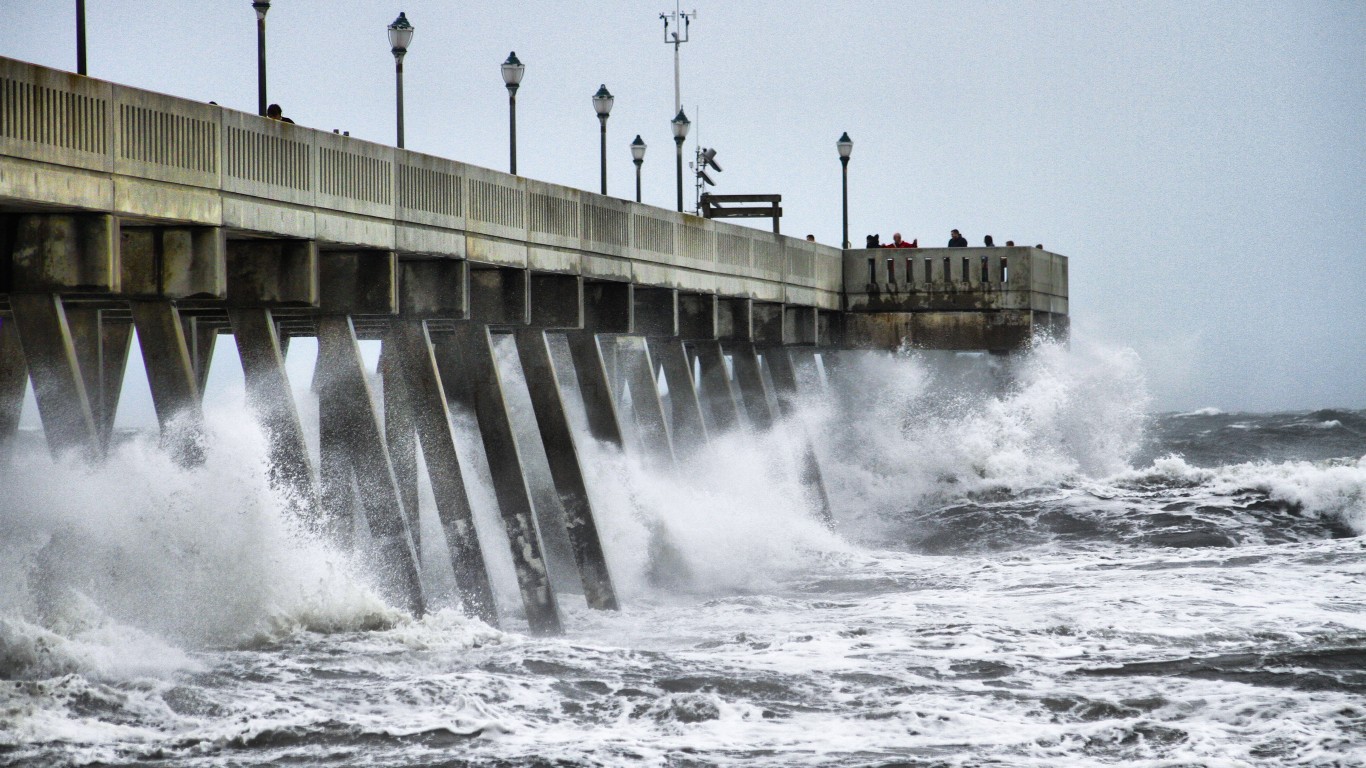
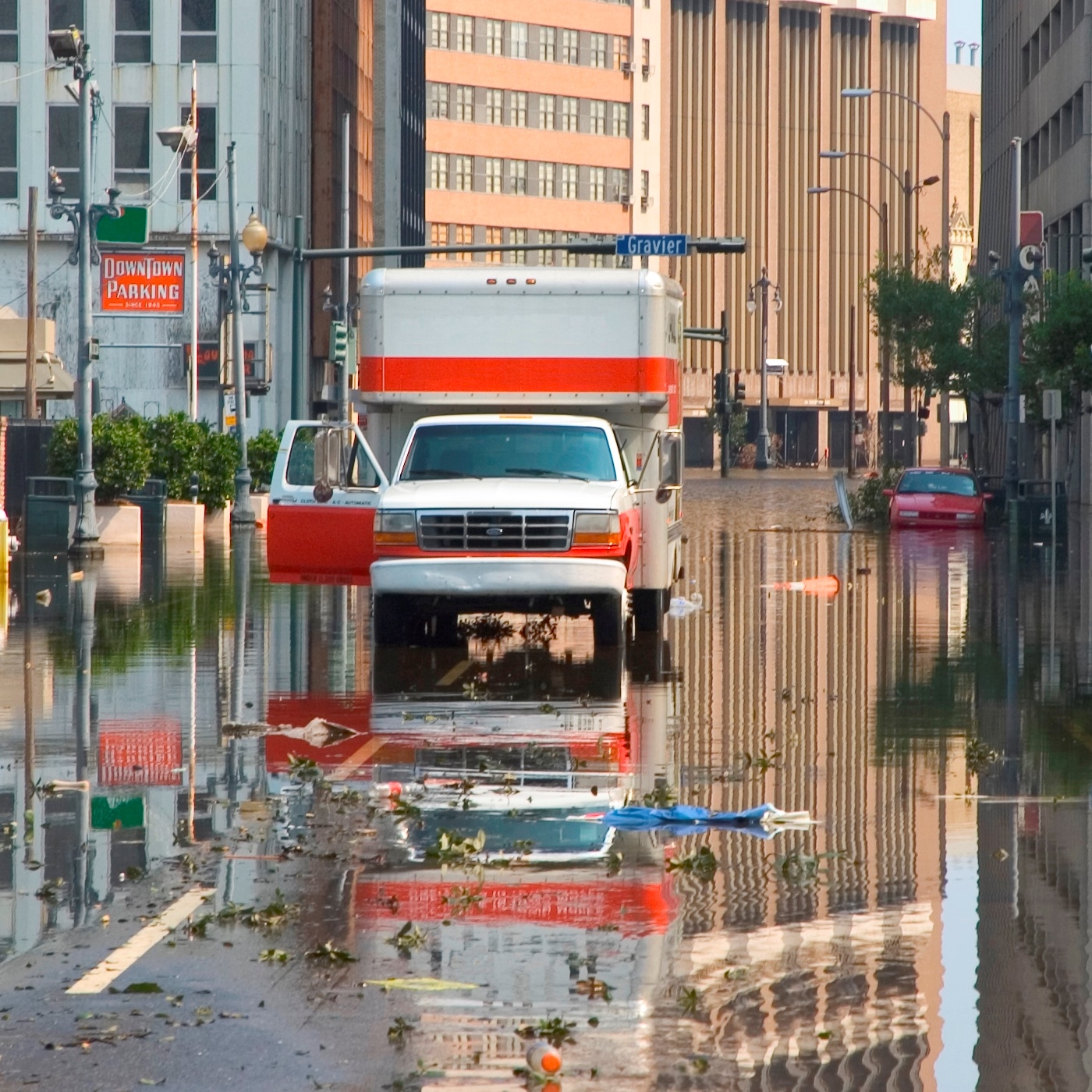
Storm surge occurs when water is pushed toward the shore through the force of powerful winds associated with cyclonic storms. High winds and low pressure created by a storm causes water to accumulate at its center, and as it moves across the ocean, the strong winds inside the hurricane act as a plow, causing water to pile up along the front of the storm.
[recirclink id=411267]
[wallst_email_signup]








 Top Gaining Stocks
 Top Losing Stocks