



By 2028, the number of U.S. households headed by someone age 80 or over will total 12 million, up from 8.1 million in 2018. By 2038, that number is projected to rise to 17.5 million, roughly 12% of all U.S. households.
That is just one of several data points included in a new report from the Joint Center for Housing Studies (JCHS) at Harvard titled Housing America’s Older Adults 2019. The report is a supplement to the State of the Nation’s Housing study published in June.
According to the new report, 2017 household incomes for Americans 65 and over in the top 10% of the income distribution rose by 22% while incomes for those in the bottom 10% fell by 4%. The median income for the top 10% of Americans between the ages of 50 and 64 set a new record of nearly $204,000, while the median for the lowest earnings dropped from $17,100 in 2000 to $14,400 in 2017.
Homeowners also have far more wealth than renters. In 2016, the median wealth of a homeowner 65 or older was $319,200, compared to a renter of the same age whose net worth was just $6,700. And monthly median housing costs for homeowners who have paid off their mortgages is $458, compared to a renter’s monthly median costs of $830.
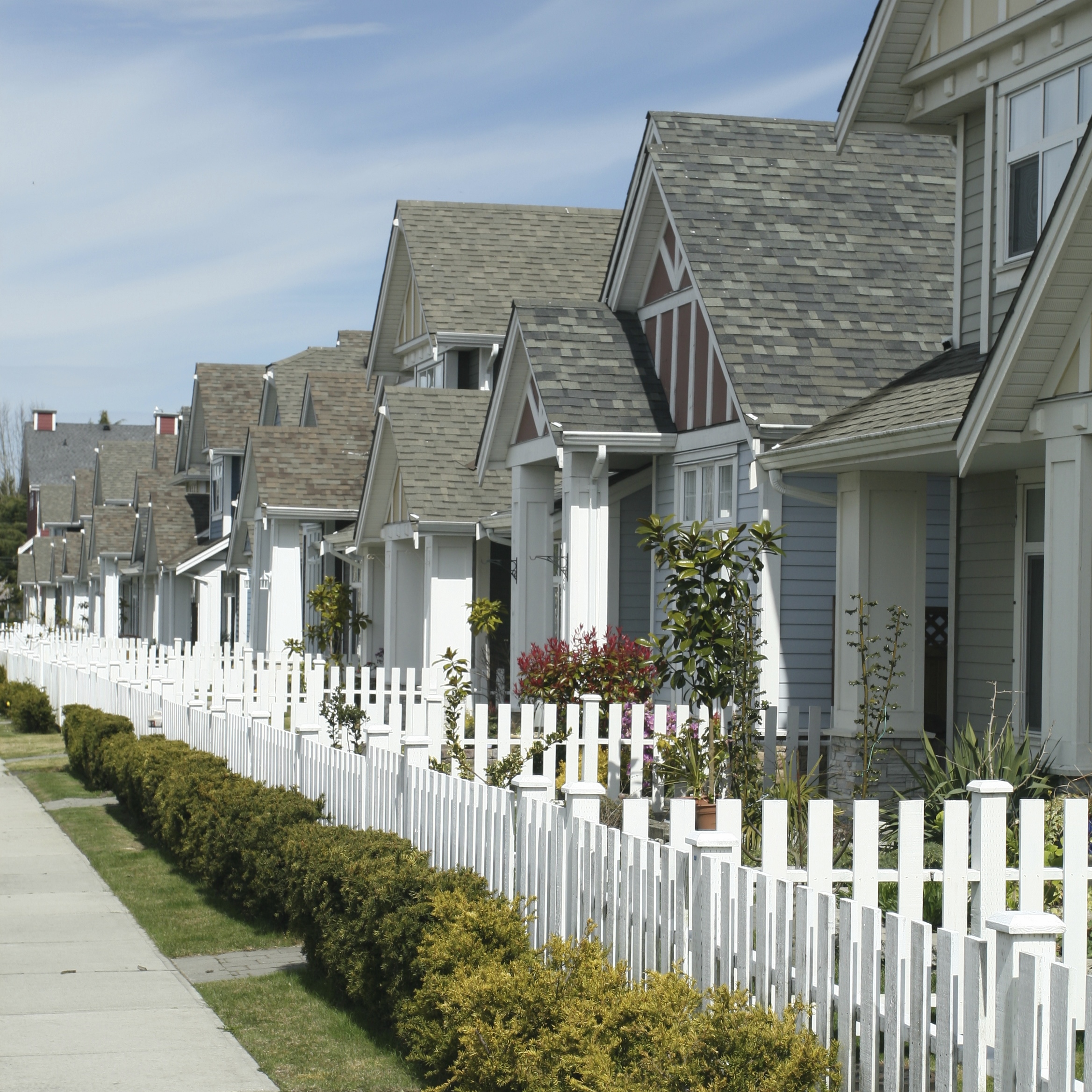
Nearly a third of those 65 and older lived in low-density communities in 2017. Because single-family homes make up most of the housing stock in these communities, the capability to drive is virtually mandatory. These older Americans also typically need more health care providers than are available and must often drive long distances to get the health care they need. Health care workers and other service providers have to travel the same long distances, making everything more expensive.
[nativounit]
These and other affordability challenges, combined with low housing availability and a lack of services where many older Americans live, are “serious issues facing the country,” according to the JCHS report.
Jennifer Molinsky, senior research associate at JCHS and lead author of the report, commented, “Addressing these issues will require concerted action at all levels of government. This is especially true as the leading edge of the baby boomers reaches their 80s in the next decade and the need for affordable and accessible housing increases.”
JCHS Managing Director Chris Herbert added, “Commitments to create age-friendly communities and some recent funding for affordable housing construction for older adults are promising starts. But the time for innovation—in the design, finance, construction, and regulation of housing—is now. The quality of life and well-being of over a quarter of the US population will depend on it.”
These are the best places to retire in each state. These states are spending the most on residents’ retirement.
[recirclink id=585643]
[wallst_email_signup]







 Top Gaining Stocks
 Top Losing Stocks