


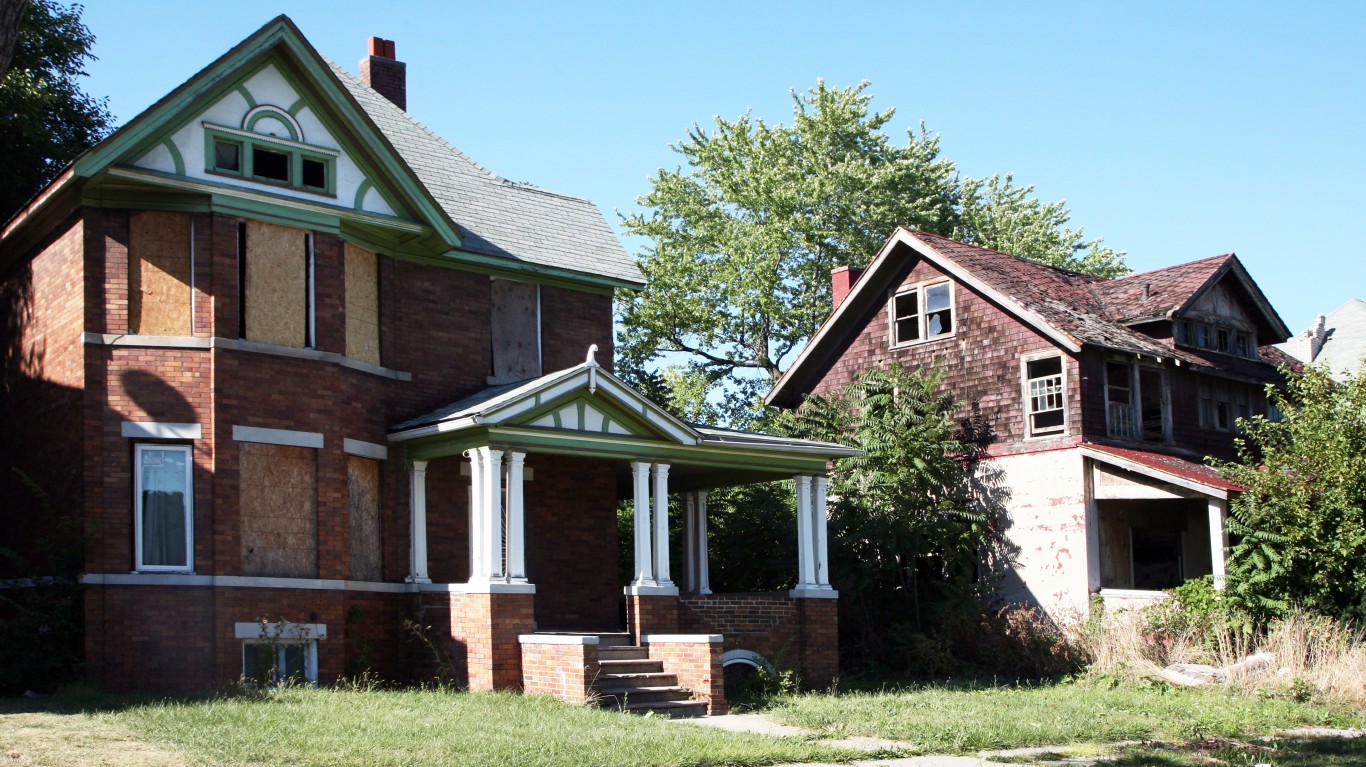
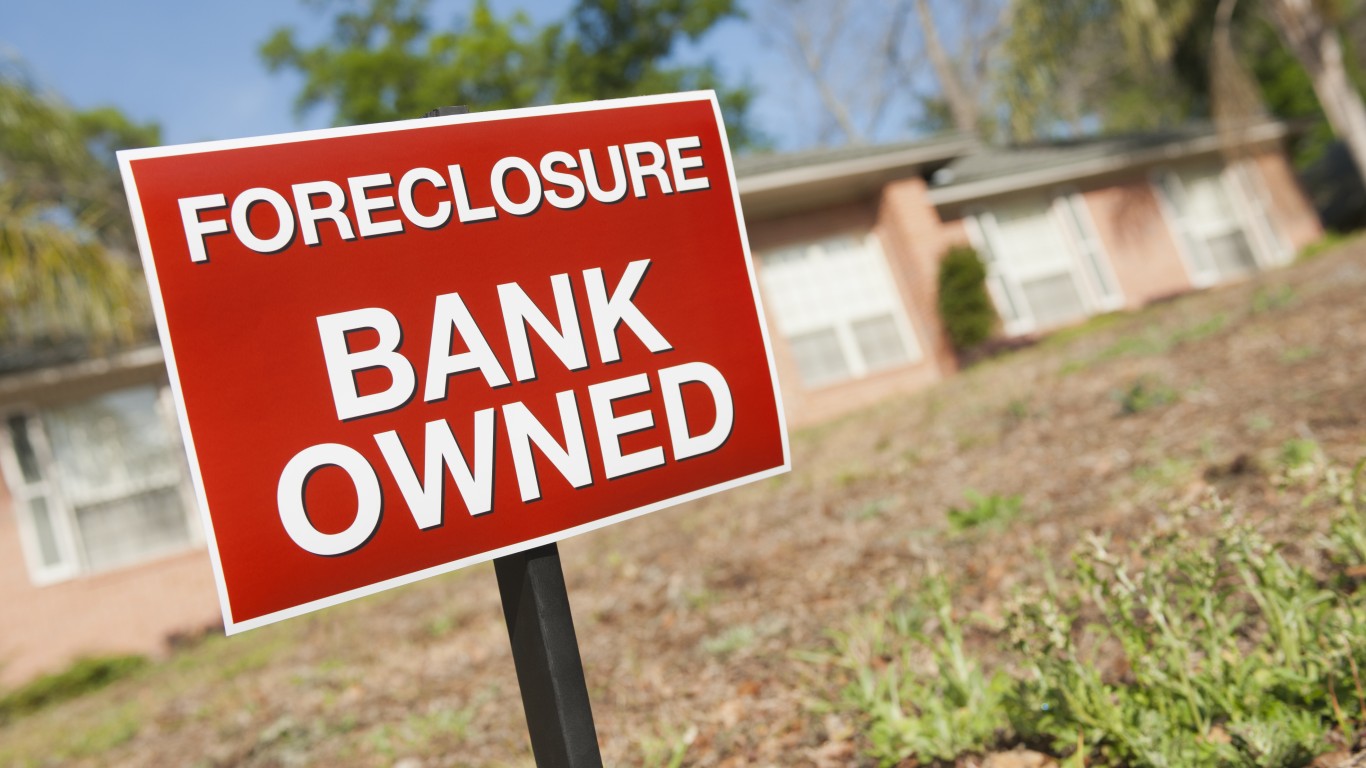
So-called zombie foreclosures were part of the mortgage landscape in the Great Recession. Tens of thousands of people left their homes before banks finalized foreclose proceedings. Lenders were left with homes where any chance at upkeep was over. That made these residences progressively less valuable as lenders looked for buyers. The zombie foreclosure is back. As the economy deteriorates, the inventory is bound to grow again.
Retail research firm ATTOM Data Solutions has released its third-quarter 2020 Vacant Property and Zombie Foreclosure Report. A total of 1.6% of American homes were vacant. That does not seem like much until it is shown as an absolute figure, which in this case is 1,570,265 residences.
In the third quarter, 216,000 homes were in the process of foreclosure. Of these, 7,960 were empty, true zombie foreclosures.
The number of zombie foreclosures as compared to the national average were lowest in Utah (1.1%, which is one in 87 properties in foreclosure), Idaho (1.2%, or one in 84), New Jersey (1.6%, one in 62), Colorado (1.8%, one in 56) and California (2.0%, one in 50), according to the report. The highest rates were in Kansas (15.0%, or one in seven), Missouri (11.2%, one in nine), Georgia (11.0%, one in nine), Kentucky (10.7%, one in nine) and Tennessee (10.3%, one in 10).
[nativounit]
In cities with over 100,000 residents, those with the highest percentage of zombie foreclosures were Peoria, Illinois (16.4% of properties in foreclosure); Wichita, Kansas, (15.3%); Kansas City, Missouri, (13.4%); Omaha, Nebraska, (12.7%); and Cleveland, Ohio, (12.6%). The lowest rates were in Austin, Texas, (no zombie foreclosure properties); San Francisco, California, (0.7%); Philadelphia, Pennsylvania, (1.6%); Los Angeles, California, (1.7%); and Charlotte, North Carolina, (1.8%).
The pattern by state and city is about what should be expected. New Jersey, Utah, California and Colorado are all high median income states. Louisiana, Kentucky and Tennessee are near the bottom of states by the same measure. Cleveland and Peoria are among American cities with the highest poverty rates and lowest incomes. Austin, Los Angeles and San Francisco are at the other end of the same list.
Two things will increase foreclosures sharply in the next several months. The first is unemployment. The next is the number of unemployed who get very little government financial assistance. The pattern among the unemployed tends to include people with already low incomes. That puts cities like Cleveland and Peoria at great risk for a rise in zombie mortgages. One theory suggests low-interest-rate mortgages will push real estate purchases higher. This is unlikely to be the case among low-income Americans.
The term zombie mortgage has been out of use for nearly a decade. As the ATTOM Data Solutions shows, that has already ended.
[recirclink id=731246]
[wallst_email_signup]






 Top Gaining Stocks
 Top Losing Stocks