


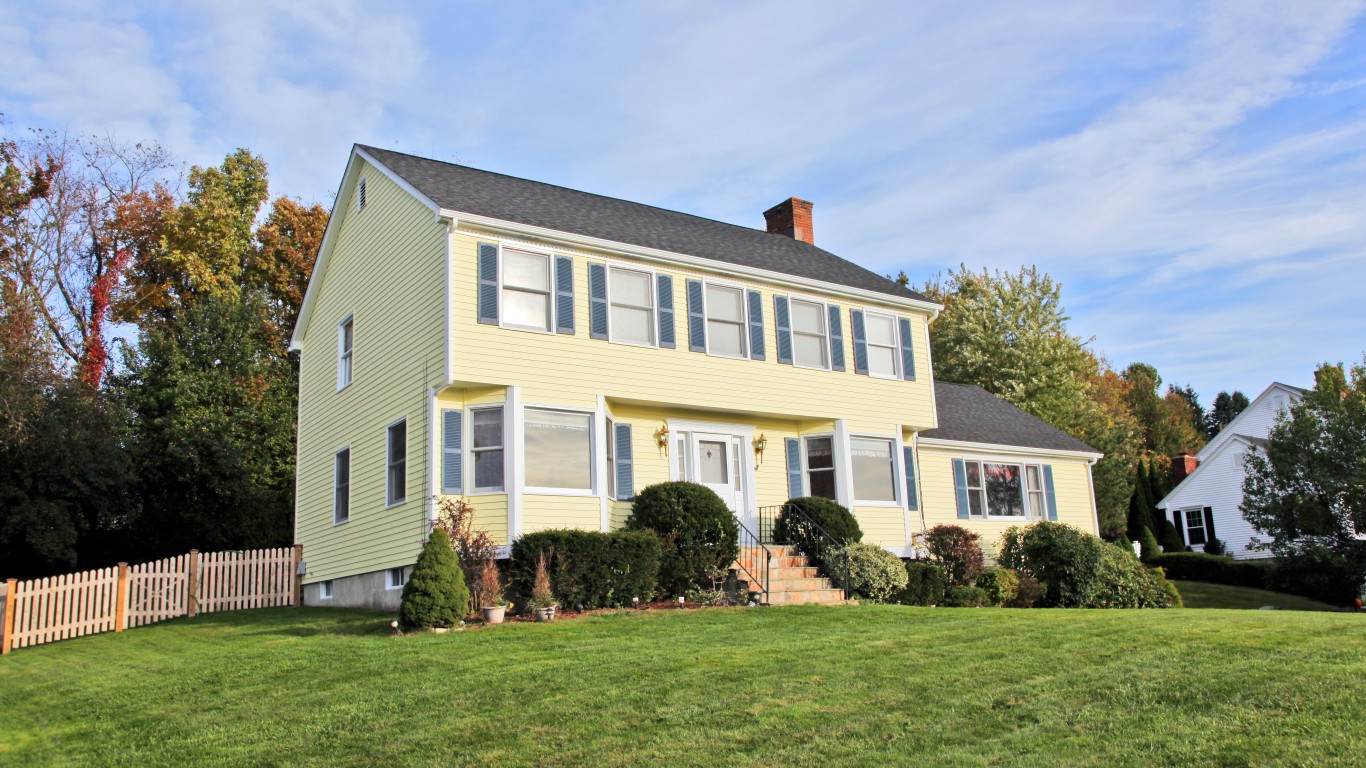
The American housing market has been on fire. Fueled by low mortgage rates, steady incomes among middle-class and upper-class households, and a migration out of big cities, prices have risen by double-digit percentages in many places. Demand has been so high that housing inventory has begun to fall. Builders cannot keep up with demand, and they are hampered by the spike in the price of lumber. As the housing bubble of 2005/2006 showed when it burst in 2007/2008, soaring home prices hide a potential risk.
[in-text-ad]
The home supply problem has another component. One generation of American homeowners has held onto their houses longer than usual. “Baby boomers are staying in their homes longer, slowing the pace with which existing homes come on the for-sale market. Owner occupants today have been in their homes for a median of 13 years, about 50% longer than the previous generation,” Dr. Frank Nothaft, chief economist for CoreLogic, commented.
Some early signs of cracks in the housing market have appeared:
The CoreLogic Market Risk Indicator (MRI), a monthly update of the overall health of housing markets across the country, predicts that metros such Hartford, Connecticut; Longview, Texas; Bridgeport-Stamford-Norwalk, Connecticut; Miami, Florida; and Norwich-New London, Connecticut are at the greatest risk (less than 25%) of a decline in home prices over the next 12 months.
[nativounit]
The three Connecticut markets are a short drive from one another. It is unclear why this cluster exists, or if the reasons each is on the list is entirely discrete from the others.
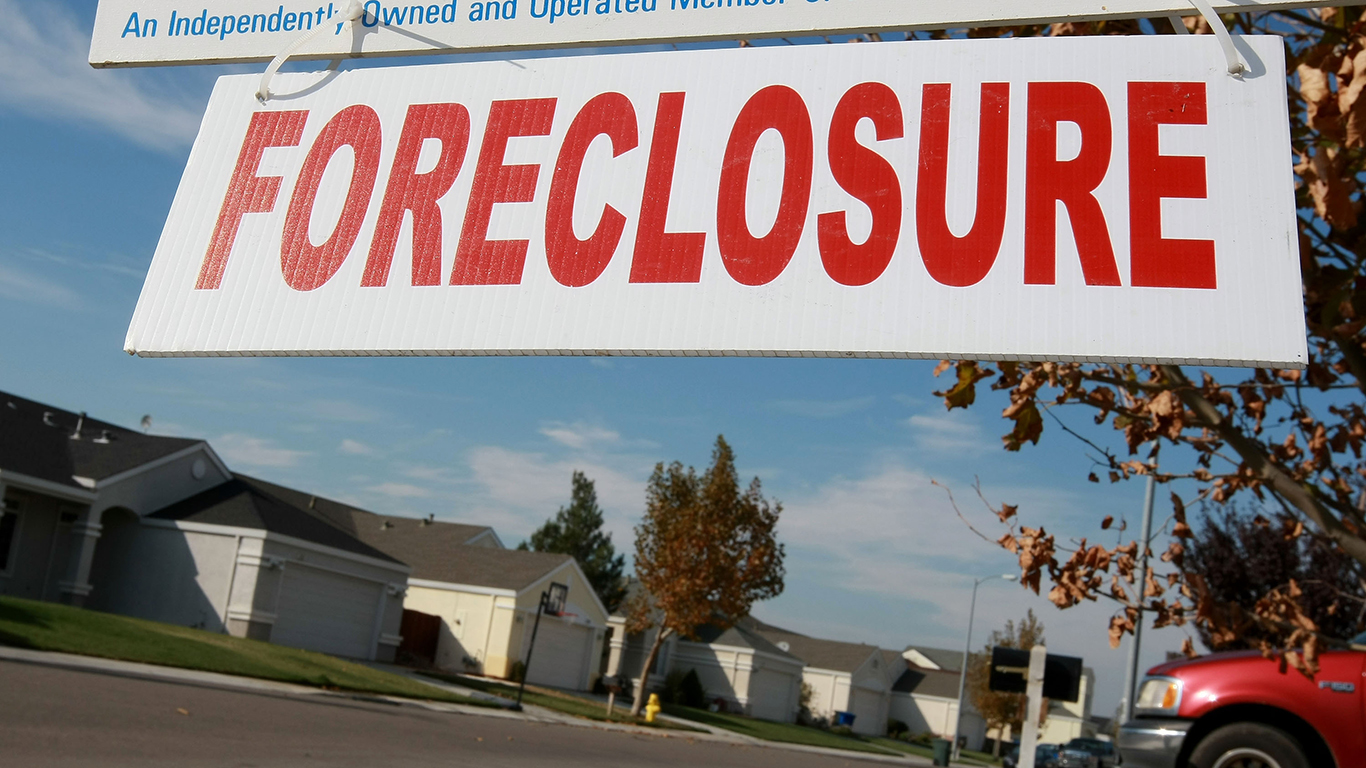
The differences between 2020/2021 and 2005/2006 are notable. Subprime mortgages, extended to people with poor credit or little financial history, helped trigger large waves of foreclosures in many markets as jobs were decimated by the Great Recession. Foreclosures made some areas less desirable places to live, which lowered prices even further. Currently, foreclosure rates are extremely low, a sign that a housing crisis in the United States is neither imminent nor likely.
Nevertheless, what goes up must come down. In the current housing market, among the questions are where and when.
Click here to see the cities where home prices are rising fastest.
[wallst_email_signup]







 Top Gaining Stocks
 Top Losing Stocks