


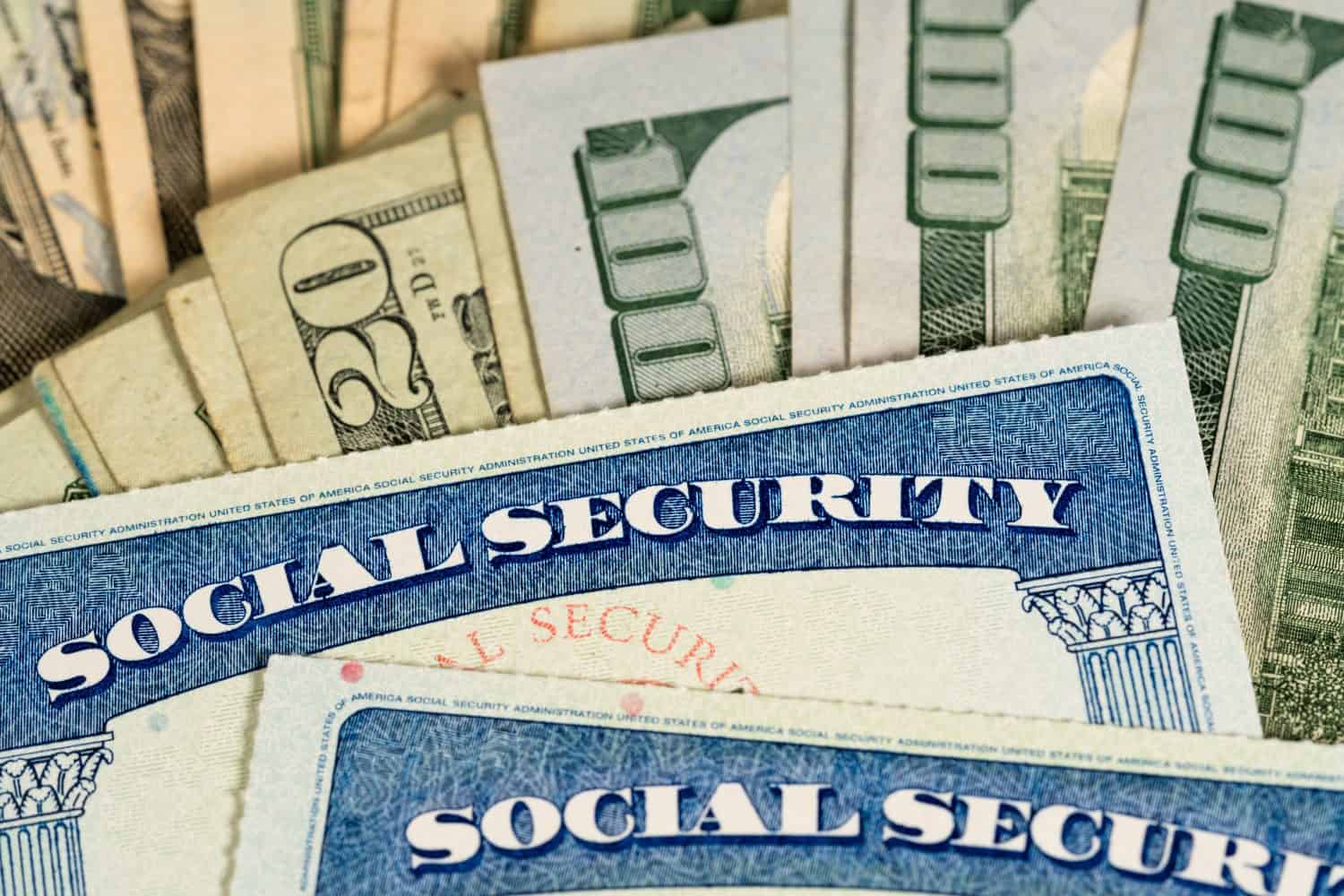
Social Security will run out of money in 2035. It really doesn’t work that way. The fund will only be able to 83% or so of the benefits it pays today. That number will drop to 70% a few years after that. Social Security still collects about $1.6 trillion a year from payroll taxes. As the population ages, that figure will fall as well. There won’t be enough younger people who are working to keep the coffers full.
Congress is not likely to raise taxes to help the problem. They have had years to do so and have decided not to address an issue that would be unpopular with voters.
People who take Social Security at age 62 (or 63) get less money than those who start to take the benefit at 67. The number is actually based on the year people who take benefits were born. Those who wait until age 70 get more than the standard benefit–about 8% more annually.
One solution is to increase the age at which people can get benefits. The 62-year-old payout won’t start at 64, for example. Retirement age moves from 67 to 69. Age 70 becomes 72. The Center on Budget and Policy Priorities reports, “Proponents argue that big changes to Social Security are necessary to avoid automatic, across-the-board cuts if Social Security’s trust funds become depleted.” The challenge is that people who rely heavily on Social Security financially would struggle as benefits do not kick in as early as they do today.
A more controversial proposal is that people who make a great deal of money should not receive any money from Social Security at all. Chris Christie, who was the governor of New Jersey and also ran for president, said ‘Rich people should not be collecting Social Security.”
The argument about the “rich” who collect Social Security has two open issues. The first is who is rich? Should it be based on passive and active income? Or should it be based only on active income, which people make from jobs they have after they retire? The most powerful argument against cutting benefits to the rich is that they paid into Social Security for decades. Therefore, they are owed retirement benefits.
Cut all Social Security benefits? Raise the age at which people can collect them. Block the rich from getting payments at all? We have until 2035 to make a decision, or pay what could be brutal consequences?














 Top Gaining Stocks
 Top Losing Stocks