


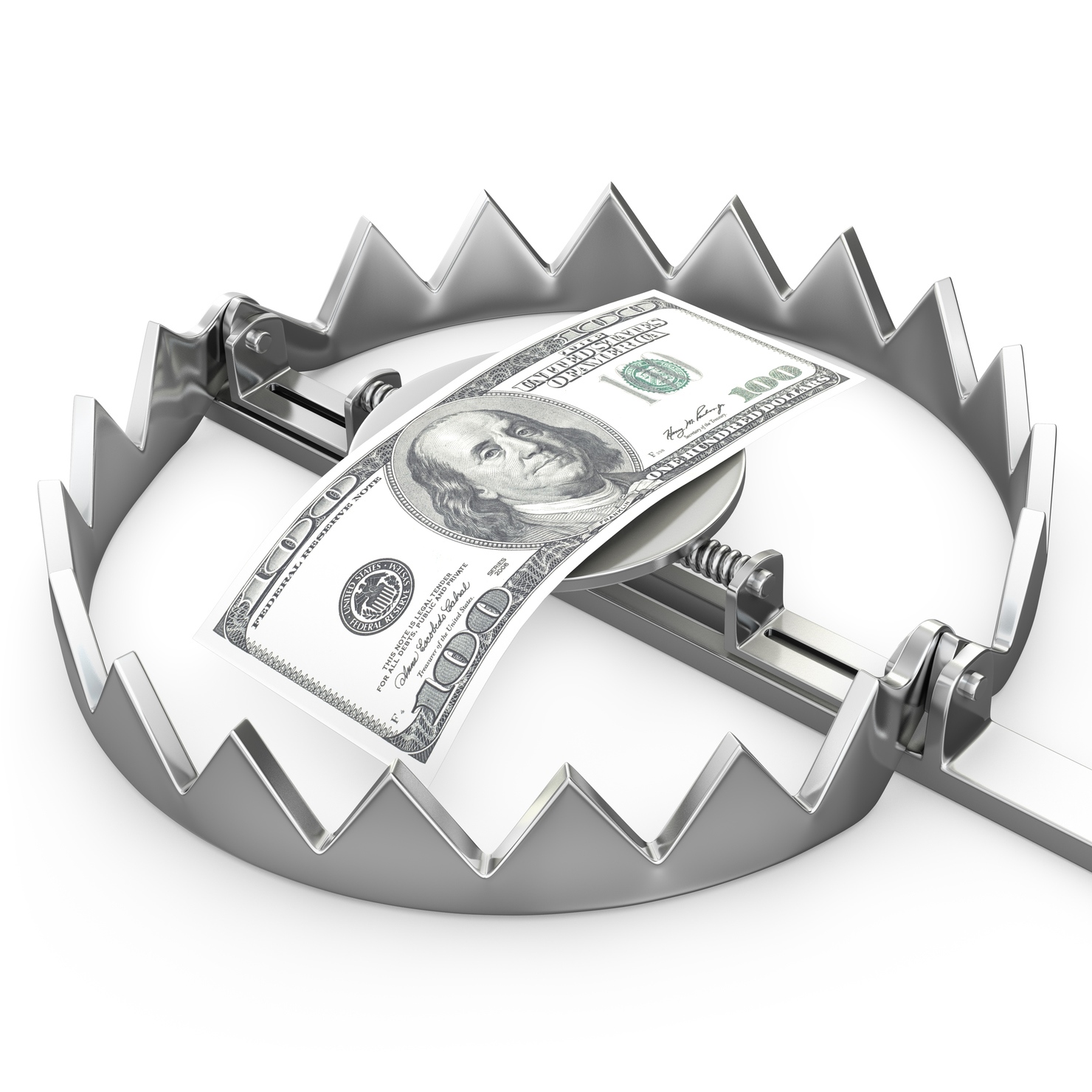
From Value DisciplineGretchen Morgenson of the NY Times recently wrote an article on, “Why Buybacks Aren’t Always Good News.” Buybacks, per se, will only create value if the stock is purchased at prices below its intrinsic value. Buybacks should be viewed much as any other capital expenditure, will this expenditure produce value in excess of each dollar spent? Likewise, a company must attend to its operating needs first…will the spending on share buybacks impede the company’s ability to maintain its competitive position?Buybacks completed at too high a price reward the sellers of the stock rather than the loyal shareholders who are left ehind. Buybacks in some cases seem to be in place simply to help support the stock. In some cases, such as Yankee Candle, they are a prelude to mopping up loose stock and essentially wrapping up the show.The simplest test of the effectiveness of share buybacks is to look at the fully diluted share count after a share buyback program has been implemented. Has the share count been reduced, or is the share buyback merely sopping up stock created from employee options?Some really terrific insight into the dynamics of share buybacks was recently posted in Information Arbitrage. This articulate discussion of share buybacks addresses the corporate finance reasons for undertaking such purchases (essentially, buying stock below intrinsic value increase the intrinsic value of what remains) as well as how GAAP handles such purchases. Reduced share count does NOT always equate to higher E.P.S. if its earnings that float your boat.Buybacks should always be examined for their motives and their effect on the ultimate capital structure of the firm. Significant buybacks such as the Dutch auctions that we have witnessed in CBRL may not necessarily create a great deal of value. If the end result is a leveraged mess that is incapable of competing effectively, the CFO has traded the warm blood of equity for the cold reality of debt.Disclaimer: Neither I, my family or clients have a current position in CBRL.http://www.valuediscipline.blogspot.com/
Buybacks…Some Terrific Insight from Information Arbitrage


Douglas A. McIntyre is the co-founder, chief executive officer and editor in chief of 24/7 Wall St. and 24/7 Tempo. He has held these jobs since 2006.
McIntyre has written thousands of articles for 24/7 Wall St. He is an expert on corporate finance, the automotive industry, media companies and international finance. He has edited articles on national demographics, sports, personal income and travel.
His work has been quoted or mentioned in The New York Times, The Wall Street Journal, Los Angeles Times, The Washington Post, NBC News, Time, The New Yorker, HuffPost USA Today, Business Insider, Yahoo, AOL, MarketWatch, The Atlantic, Bloomberg, New York Post, Chicago Tribune, Forbes, The Guardian and many other major publications. McIntyre has been a guest on CNBC, the BBC and television and radio stations across the country.
A magna cum laude graduate of Harvard College, McIntyre also was president of The Harvard Advocate. Founded in 1866, the Advocate is the oldest college publication in the United States.
TheStreet.com, Comps.com and Edgar Online are some of the public companies for which McIntyre served on the board of directors. He was a Vicinity Corporation board member when the company was sold to Microsoft in 2002. He served on the audit committees of some of these companies.
McIntyre has been the CEO of FutureSource, a provider of trading terminals and news to commodities and futures traders. He was president of Switchboard, the online phone directory company. He served as chairman and CEO of On2 Technologies, the video compression company that provided video compression software for Adobe’s Flash. Google bought On2 in 2009.






 Top Gaining Stocks
 Top Losing Stocks