


Create a Legendary Wealth-Building Engine
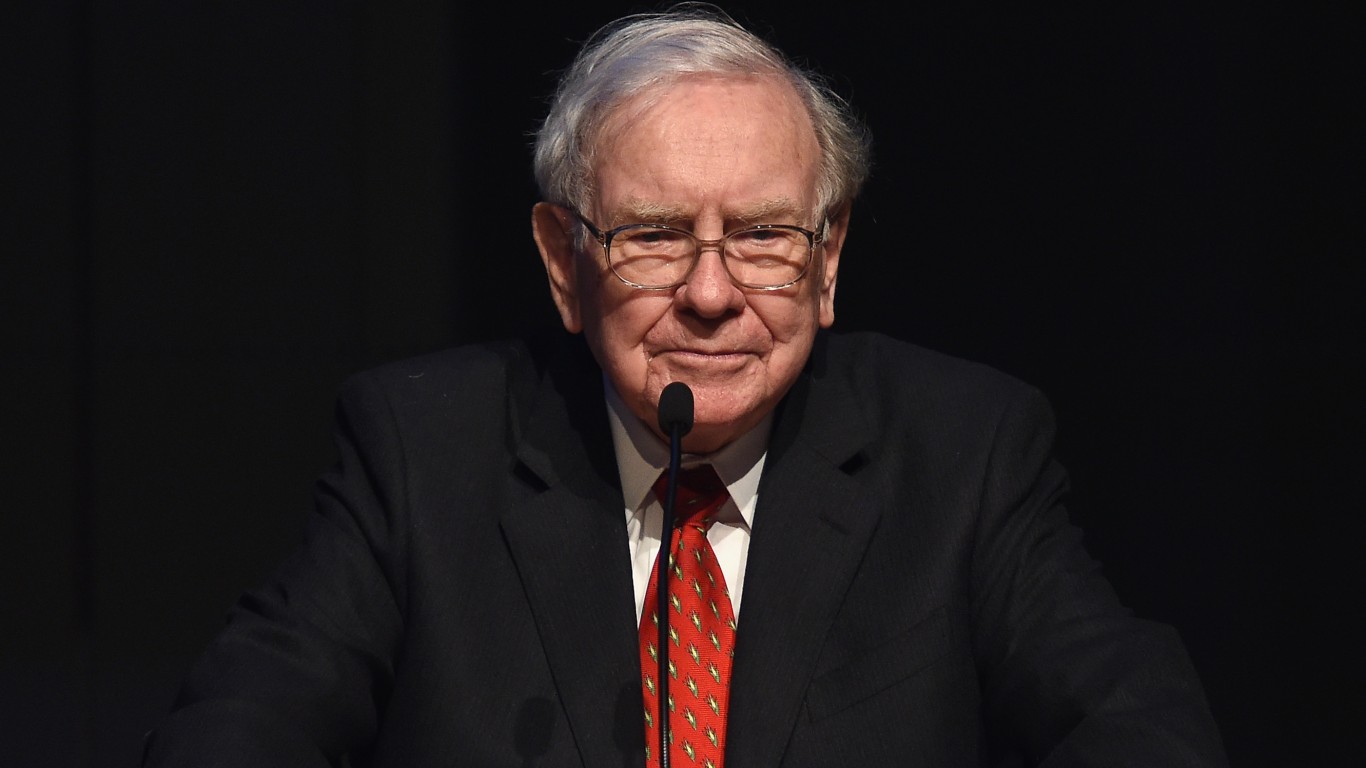
Warren Buffett has been at the helm of Berkshire Hathaway (NYSE:BRK-A | BRK-A Price Prediction)(NYSE:BRK-B) since 1965, transforming what was once a struggling textile manufacturer into one of the world’s most formidable conglomerates.
Under the legendary Oracle of Omaha’s stewardship, Berkshire has evolved into a diversified powerhouse spanning insurance, railroads, energy, and consumer goods, all fueled by Buffett’s value investing principles.
The results speak volumes: Since 1965, Berkshire’s cumulative returns have skyrocketed by over 4 million percent, delivering a compounded annual gain of 19.8%. In stark contrast, the S&P 500 has returned just 10.2% annually over the same period. This outperformance underscores Buffett’s genius in capital allocation, turning shareholder dollars into enduring value.
Buffett’s Favorite Stock
Over the past six decades, Buffett has orchestrated hundreds of investments, snapping up iconic companies like Coca-Cola (NYSE:KO) and more recently, amassing a massive stake in Apple (NASDAQ:AAPL). At one point, Apple alone accounted for roughly 50% of Berkshire’s equity portfolio, a testament to his conviction in high-quality businesses.
Yet, amid this vast array of holdings, one stock towers above all others in Buffett’s affections: Berkshire Hathaway itself. He has bought more BRK-A shares than any other investment, viewing it as the ultimate vehicle for compounding wealth. This self-reinforcing strategy highlights his belief in Berkshire’s intrinsic strengths — its float from insurance operations, decentralized management, and Buffett’s own track record.
The scale of his commitment to BRK is remarkable. Starting in 2018, Buffett authorized a series of share repurchases that continued unbroken for 24 consecutive quarters, ending abruptly after the second quarter of 2023.
In total, Berkshire spent nearly $78 billion buying back its own stock during this binge — more than double the $38 billion he poured into building the Apple position. These repurchases weren’t impulsive; they were a deliberate vote of confidence in Berkshire’s undervaluation, shrinking the share count and boosting earnings per share for remaining owners.
Even as markets fluctuated, Buffett’s steady hand kept the buybacks rolling, reinforcing Berkshire’s status as his top stock pick.
Why 2018 Marked a Turning Point
The repurchase saga began in earnest in July 2018, when Berkshire’s board amended its stock buyback policy. Previously restricted to repurchasing shares only when they traded below 1.2 times book value — a conservative threshold that limited opportunities — the new rules granted Buffett and vice chairman Charlie Munger broad authority. They could now buy back BRK stock at any price, as long as it was below a “conservative estimate” of the company’s intrinsic value.
This flexibility unleashed Buffett’s opportunistic side, allowing him to capitalize on perceived bargains without rigid constraints. What followed was a relentless buying spree.
From the third quarter of 2018 through the second quarter of 2024, Berkshire repurchased shares every single quarter, totaling that eye-watering $78 billion. This wasn’t just maintenance; it was aggressive value hunting.
During this period, Buffett navigated market volatility, including the COVID-19 downturn, to scoop up shares when they dipped. However, the party ended suddenly in the third quarter of 2024. No buybacks have occurred since, coinciding with Buffett’s broader portfolio shifts: He began trimming holdings like Apple (now down to less than 22% of the portfolio) and ballooning Berkshire’s cash pile to a massive $340 billion. This pivot underscores Buffett’s classic value investing discipline — BRK had simply become too pricey in his eyes.
The Sweet Spot for BRK Repurchases
At its core, Buffett’s decision to halt buybacks stems from his unwavering value philosophy: Buy wonderful businesses at fair prices, not fair businesses at wonderful prices.
Historical data reveals his penchant for repurchasing BRK when it trades between 1.3 and 1.4 times book value (P/B), where he sees the strongest margin of safety.
According to analysis from The Rational Walk newsletter, Buffett’s repurchases from 2018 to 2024 often occurred at these levels, with an average P/B of about 1.44 since 2022. He showed flexibility, buying up to 1.6x during rallies, but the bulk of the activity happened below 1.5x, reflecting his preference for undervaluation.
By the end of the 2024 buying spree, BRK’s P/B had climbed higher, prompting the pause. Today, with BRK-A trading at a P/B of 1.59 and a share price of $470,317, it’s clear Buffett still views it as overextended. To re-enter his preferred zone, the stock would need to drop another 5.6%, falling below $443,696 to reach 1.5x P/B or less.
This threshold isn’t arbitrary; it’s rooted in Berkshire’s book value per share, which Buffett tends to use as a proxy for intrinsic worth given the company’s unique structure.
Key Takeaway
Berkshire Hathaway remains Buffett’s favorite stock after all these years — a vehicle he’s poured more capital into than any other. But true to his value roots, he won’t buy at any price. With BRK-A hovering near his high-end buy zone at 1.59x P/B, a modest dip could trigger smaller repurchases.
However, don’t anticipate a return to quarterly buyback bonanzas anytime soon; the $340 billion cash hoard suggests Buffett is waiting for better entry points. As he steps back from day-to-day decisions by year’s end, successor Greg Abel may take the reins on deploying this war chest, potentially ushering in a new era for Berkshire’s capital strategy.





 Top Gaining Stocks
 Top Losing Stocks