


From William Trent, CFA of Stock Market Beat
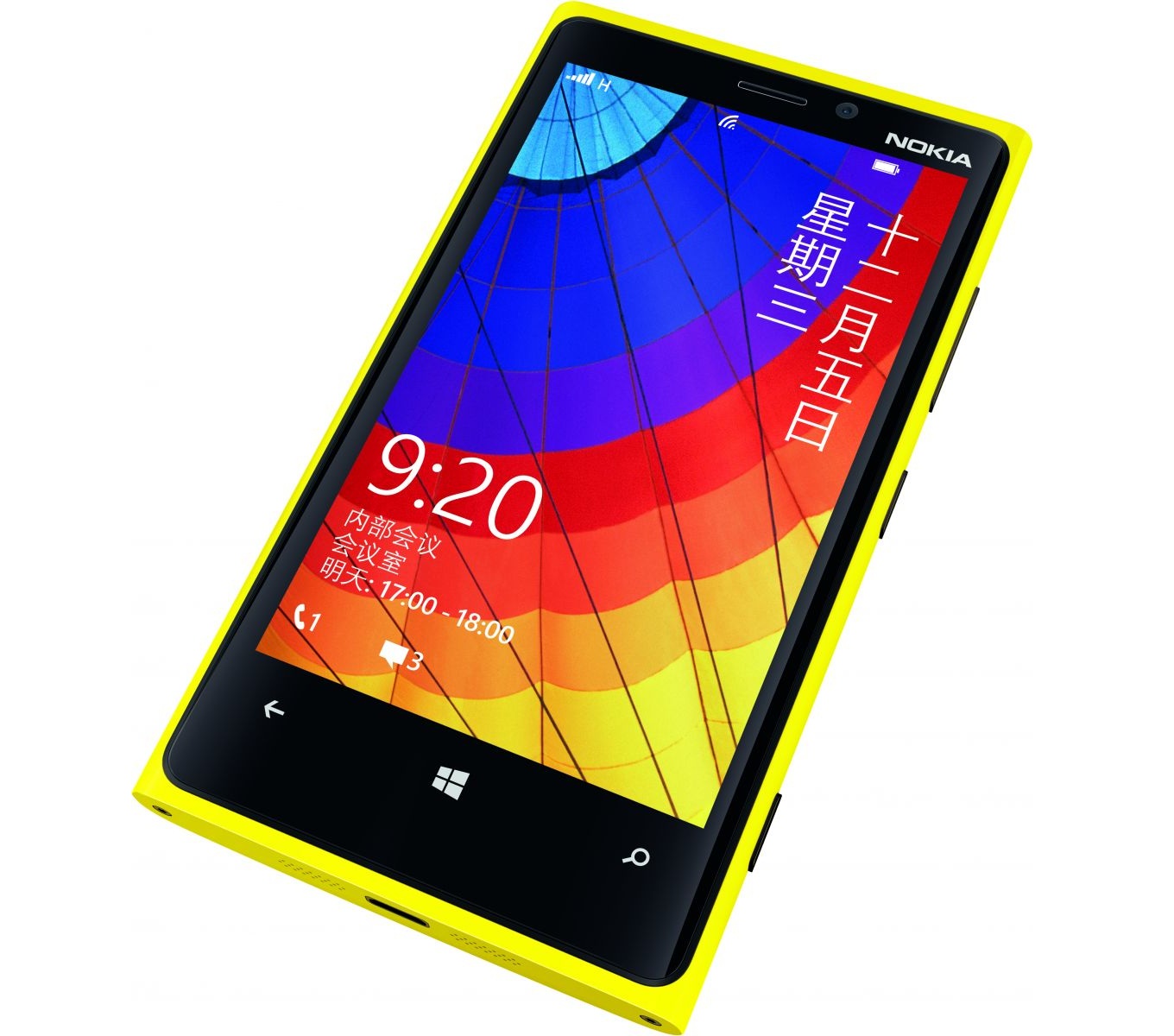
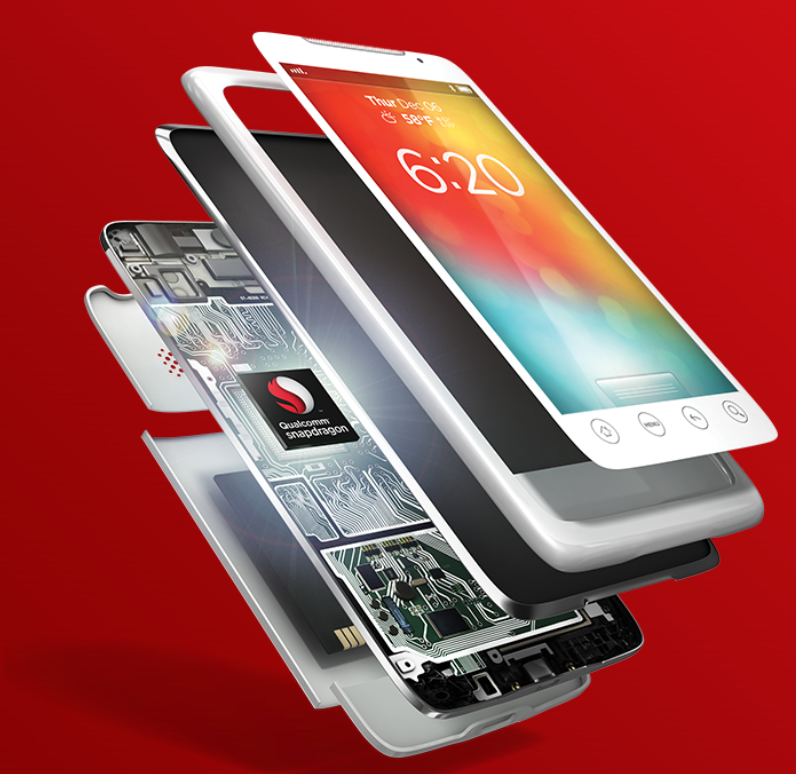
We took a different approach with our preview of Qualcomm’s (QCOM) earnings report this week. Rather than guessing whether the company would beat earnings estimates, we forecast what they would discuss on the conference call: “Nokia Nokia Blah Blah Nokia ad nauseam (excerpt from pending conference call transcript).” For those of you who are just joining the show, Nokia and Qualcomm have been conducting bitter negotiations over how much Nokia will have to pay Qualcomm for the right to use Qualcomm’s CDMA patents.
Now that the deed is done, it is time for us to check our forecast for accuracy. So here are some excerps from the actual call, along with a few from Nokia’s (NOK) on the subject at hand.
Regarding Nokia, there is really nothing new to discuss. As you know, we commenced arbitration a few weeks ago to resolve certain issues under our existing agreement. Our patent infringement cases against Nokia’s GSM product outside the United States and our new cases against Nokia’s GSM products in the United States are under way.
(Excerpt from full QCOM conference call transcript)
The latest update on the matter from Nokia was somewhat bare-knuckled:
Rick Simonson
Thanks, Olli-Pekka. First, I want to cover a few key points around the recent IPR activity, try to cut through what seemed like a lot of noise and discuss what is relevant and important for Nokia. As you know, April 9th passed without any new agreement between Nokia and Qualcomm. However, we continue to be in cross-license negotiations and are working to reach a mutually acceptable agreement as soon as possible. After April 9th, Qualcomm’s early patents are now fully paid up, royalty-free to Nokia. Any future royalty arrangement with Qualcomm needs to address Qualcomm’s latter patents only. This agreement should reflect that we believe that to Qualcomm’s relative contribution to the development of technology used in mobile devices, especially W CDMA, is significantly lower than in 1992.
Reflecting these changes that occurred over the partial expiration of the old agreement, and other compelling reasons, we made a $20 million payment to Qualcomm, which we believe is fair and reasonable compensation for the use of Qualcomm’s patents in UMTS handsets during this quarter. We intend to make similar payments in the future and we will announce these payments when they are made.
Since Qualcomm has indicated they will not accept our payouts, we have deposited them in an escrow account for Qualcomm’s benefit. We also have said that Nokia has paid less than 3% cumulative license fees for all patents under all its patent license agreements. This number is a gross number, and it excludes infrastructure royalties and all royalty income collected by Nokia.
The point of this disclosure is that we want to highlight that there’s no such thing as a Qualcomm standard agreement or a so-called standard rate. The actual payment — i.e., what you pay — is subject to a lot of different commercial terms and conditions from Qualcomm. We then later stated that we believed Qualcomm is currently using over 100 of Nokia’s GSM, WCDMA, and CDMA 2000 central patens in its chipsets. We have yet to agree with Qualcomm on the compensation due to us for these patents, but this is a very important and critical component to our ongoing negotiations.
So what’s our end game with all of this? Nokia, over the last 15 years, has invested close to EUR 30 billion in R&D, and we have over 11,000 patent families. We want to be fairly compensated for our leading R&D investment and IPR and portfolio, both by paying what is fair and reasonable — nothing more — and also by ensuring that we are properly compensated by those who are using our technology.
(Excerpt from full NOK conference call transcript)
That begged a question, which Tim Long didn’t hesitate to ask Qualcomm:
Tim Long – Banc of America
Thank you. Just a question related to some of the legal matters here. Just from a higher level, you have the arbitration with Ericsson and Sony Ericsson where you were successful. We have seen press releases from you and Nokia with different understandings of the royalty rate. Could you talk to us a little bit about how it’s possible that there are two different perceptions of that royalty rate? And then related to that, do you think there is anything to learn from the, is it a similar type of dynamic that happened or may have happened in the Sony Ericsson case that you think positions you better for a positive outcome and potentially some back payment from Nokia? Thank you.
Lou Lupin
Tim, its Lou Lupin. With respect to the different statements regarding the royalty rates, we can only tell you about that from QUALCOMM’s perspective, and as we said publicly, the rate is not as Nokia has portrayed it. There is a rate that’s forced in the agreement. There is the way of calculating it. And as far as we understand, Nokia has been paying us in accordance with the agreement and in accordance with the rate that’s set forth there, and that’s not consistent with their public statement. So, I don’t want to speculate on how they get to their number.
(Excerpt from full QCOM conference call transcript)
As we predicted, there was quite a bit more said about the topic. They key points are:
- Qualcomm and Nokia have entered binding arbitration to resolve the issue.
- Under the current terms Qualcomm is owed about a nickel per share per quarter that the arbitration goes on.
- Nokia thinks the new terms will allow it to pay much less than that.
Both companies appear to be having success on their own merits. We’ll know the impact of the arbitration after it’s done, and in the meantime all the hot air the analysts and company management teams expell on their conference call won’t make a bit of difference.






 Top Gaining Stocks
 Top Losing Stocks