


 The bald man with the 1950s tie who runs the National Hurricane Center gets to go on The Weather Channel a dozen times a year. Those appearances are triggered by the appearance of storms that might hit Florida or the Gulf Coast.
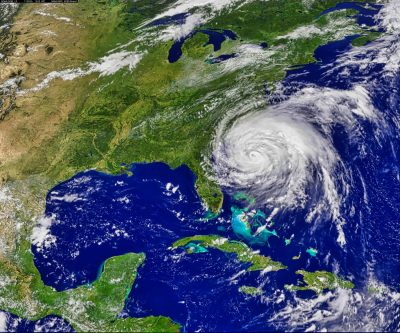
The latest storm, call Fay, is about to run up toward Tampa and then into the Gulf of Mexico. Oil companies are already pulling people off of their deep water rigs and the price of oil is taking a little jump in response.
It is hard to imagine that Fay could cause much of an interruption in production, but the news does show how fragile the underpinnings of falling crude prices are.
Fay is a minor hurricane and, by the time it runs across Florida, it may simply be a tropical storm. It is a fine example of how modest news can make oil move. It also telegraphs what would happen if anything of substance hits the supply of crude.
With oil running down from $143 to $111, all of the reasons why oil moved up relentlessly earlier this year have been forgotten. Recently, a global slowdown means that oil demand is falling. Prices have acted according to that belief.
Over the weekend, an OPEC minister said that falling crude prices were a justification for lowering supply. The movement of oil through Georgia could be slowed or even halted for some time. The Russians might even decide to be tighter with their exports to prove a point.
Current events may well be a harbinger of the price of oil moving back up. If a little storm can cause a bump, something more substantial can cause a spike.
Douglas A. McIntyre







 Top Gaining Stocks
 Top Losing Stocks