


 China reported that its economy expanded by 11.1% in the first half and “only” 10.2% in the second quarter. That was viewed by most analysts as a “slowing’ although it is the envy of every large nations around the world.
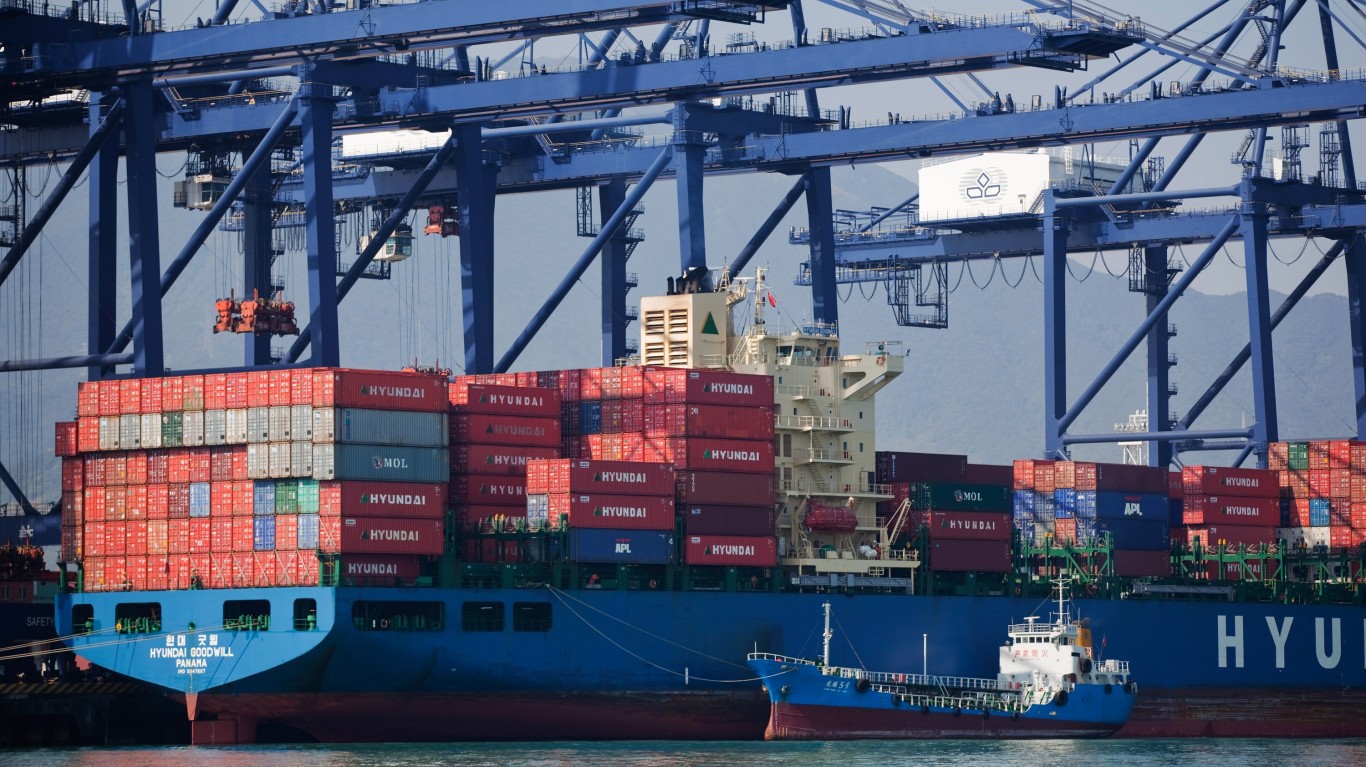
The Federal Reserve, by way of contrast, said in its FOMC notes, that the American economy has begun to slow after a strong first half. The central bank would not rule out new monetary policies to stimulate growth if GDP improvement falters. There were signs of a faltering in national growth as US retail sales rose only .5% in June compared to May. The US also announced a huge trade gap of $42.27 billion, much of its due to Chinese importsThe Chinese number was satisfactory to the Chinese government. The central government has sought some moderation in growth to keep inflation down and to prevent bubbles in the real estate markets. The nation is also trying to address a growing need for oil to fuel its expansion.
The moderation in growth in China’s expansion may also lessen the pressure from employees seeking higher wages. China’s labor supply is tightening as its manufacturing sector expands. It is a stark contrast to the US were many manufacturing employees have sought work for more than a year due to cuts in labor industries such as the car sector.
Several Wall St. analysts cuts their forecasts for GDP growth in the US during the second quarter. J.P. Morgan dropped its second quarter GDP estimate to a 2.5% annual rate, from the previous forecast of 3.2%. The American economy is not growing fast enough to cut into a rising federal deficit or to help improve unemployment. That means it is more likely that America will have to continue to raise large sums of money in global capital markets. China is almost certain to buy a great deal of that paper.
The vicious circle the includes the US and Chinese economy is becoming more obvious again as the recession has ended. It has caused a violent reaction among some members of Congress who believe that China uses its currency as a weapon to keep its exports high. That, in turn, gives the world’s most populous nation an economic advantage that is not likely to end.
The contrast between the two nations has gone from being an economic one to a political one. The Chinese GDP figures are likely to increase calls for trade sanctions against Chinese goods.
Some members of the Obama Administration say that American needs a second stimulus package because the first one, a total of $787 billion, has not done its job. The recession was simply too deep. An alternative would be to use more money to subsidize US manufacturing, married to tariffs on some Chinese imports. The moves would not be popular in China, but what is popular and what is necessary cannot act together any longer as part of US policy toward China.
Douglas A. McIntyre








 Top Gaining Stocks
 Top Losing Stocks