


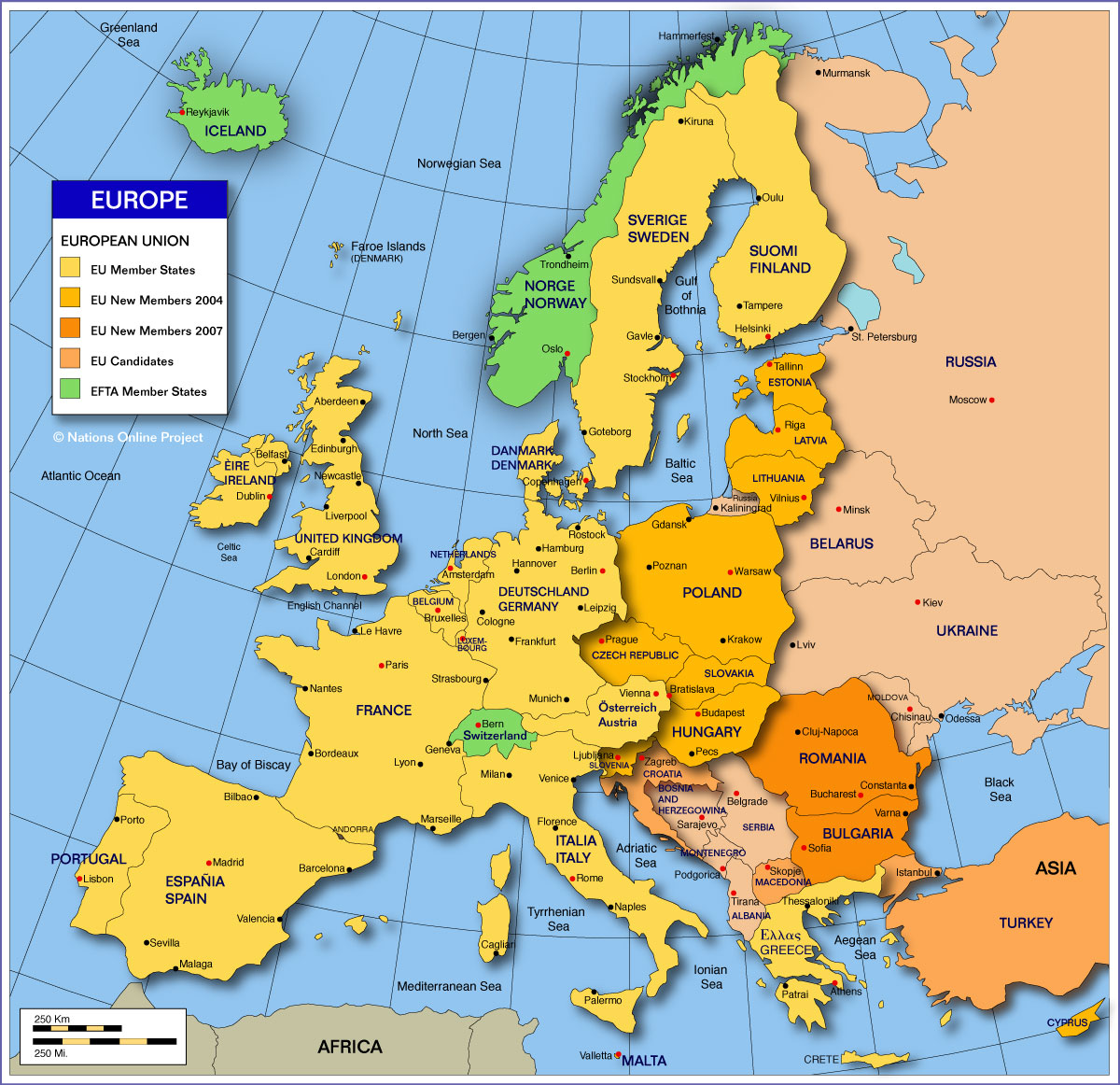
That fund has put nearly $150 billion into Greece. Many capital markets investors believe that will need to be increased in two years. Ireland may need $130 billion, although the problems with its banks have not been sufficiently analyzed and the outcome of its austerity package remains unknown. Several EU members want Portugal to tap the fund because its cost to raise money has moved up sustainability. And, there is Spain with 20% unemployment and a housing market which gets into more trouble as time passes.
Several analysts have pointed out that the size of the Spanish economy is more than that of Ireland, Greece, and Portugal combined. It is a very crude measurement to determine what Spain may need in terms of money from the EU/IMF facility.
The total obligations to cover the financial needs of the four nations could rise to $600 billion or $700 billion, which would test the current fund. That test could become harder if any of the four nations’ voters reject austerity and vote in legislators opposed to cost cuts. The changes of heart do not mean the nations can dodge the laws of finance. It only means they may push their days of reckoning further into the future, and that would probably mean bigger bailouts.
There are two opposing arguments about the bailout fund size. The first is that the stronger nations of Europe and IMF should save all the troubled nations at once to salvage the euro and undercut the fears of investors. If this were to work, borrowing costs for the region would drop and perhaps the capital markets would return to normal. Countering that is the point of view that a larger bailout fund would lead to more contagion as the weaker nations grab for the money in the facility to plug the holes in their budgets. That argument against this is simple. Countries which take aide also lose a large portion of their financial sovereignty which is then transferred to the IMF, France, and Germany in exchange for the help.
The foot race is on: can Spain and Portugal convince investors that their budget plans are strong enough to mitigate their needs for capital? Or, will concerns about their financial futures continue to drive the yields on their sovereign paper higher?
There is middle course. It is for each country to raise taxes so rapidly that, if the increases hold, the need for outside capital will drop. Such a move would essentially make the countries self-financing. It might also cause unprecedented labor riots. Tax increases are the other side of the austerity coin. But, there is a long shot that higher receipts to treasuries may be a solution which keeps Spain and Portugal from the need to rely on outside help.
Douglas A. McIntyre





 Top Gaining Stocks
 Top Losing Stocks