


 Americans were heartened by the ouster of Egyptian dictator Hosni Mubarak. They are pleased that Libyan madman Muammar Gaddafi may be about to get the hook as well and by the protests in Bahrain and other countries. But the ramifications of a Democratic Middle East may have huge consequences for the U.S. defense industry which may not be good.
Take Egypt, the most populous Arab country. Mubarak’s corrupt and often brutal rule survived for 30 years thanks to U.S. taxpayers because it was second to Israel in its receipt of American foreign aid. Between 2002 and 2009, Egypt also bought more than $12 billion worth of goods and services including defense equipment from Lockheed Martin (NYSE:LMT), Boeing Co. (NYSE:BA), General Dynamics Corp. (NYSE:GD) and United Technologies Corp. (NYSE: UTX). US arms sales to Egypt topped $479 million between Oct. 1 2008 and December 31, 2008, according to data released bt the Federation of American Scientists (FAS). WHat happens to this business now is anybody’s guess.
“None of these contracts are binding in the face of a hostile regime,” said Anthony Cordesman, who holds the Arleigh Burke chair in strategy at the Center for Strategic and International Studies, told Poltico. “We’ve seen that with Iran and other cases in the past.”
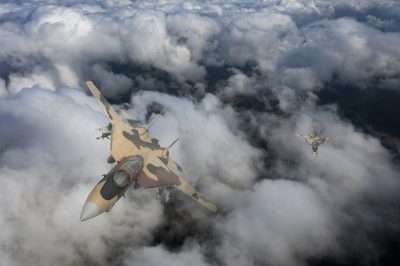
One country that is of keen interest to defense contractors is Saudi Arabia, which for years has been one of their best customers. During the 2008 period reviewed by FAS, Saudi Arabia acquired $1.87 billion worth of American weapons, trailing the United Arab Emirates, which purchased $7 billion. The small Gulf nation’s recently bought 16 Lockheed Martin F-16s fighter jets
U.S. exports to Bahrain, where the government and protesters have clashed violently, totaled $669 million in 2009. That was down 40% since 2008, according to the US-Bahrain Business Council. “Top five exports were vehicles, machinery, special/other goods, aircraft, and electrical machinery.” Bahrain is a key US ally in the region and is home to the U.S. Navy’s Sixth Fleet. Over the past decade, American military sales to Bahrain have totaled nearly $1.5 billion.
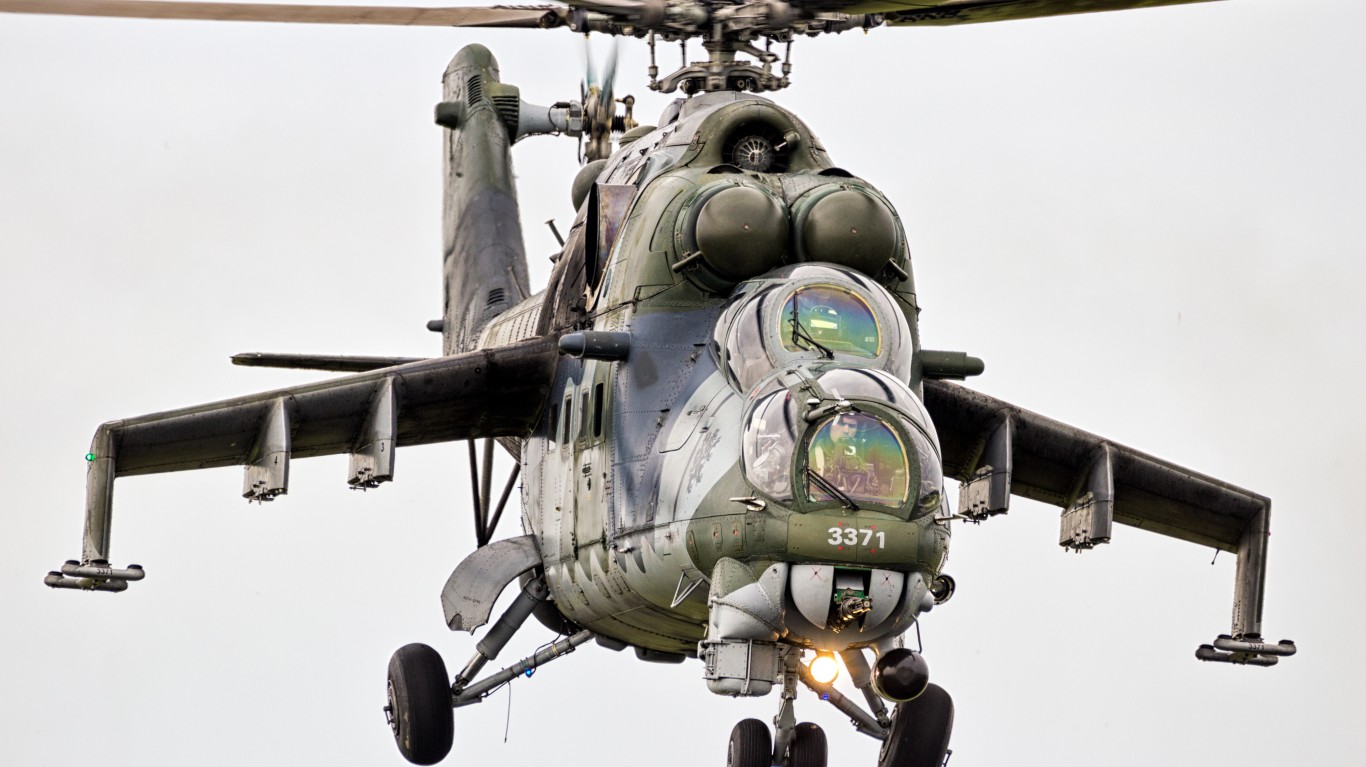
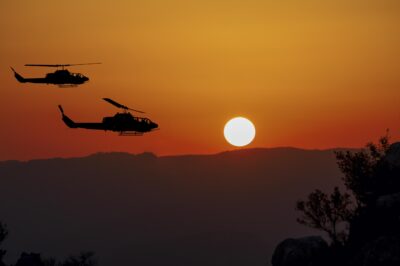
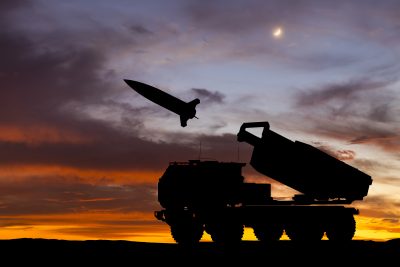
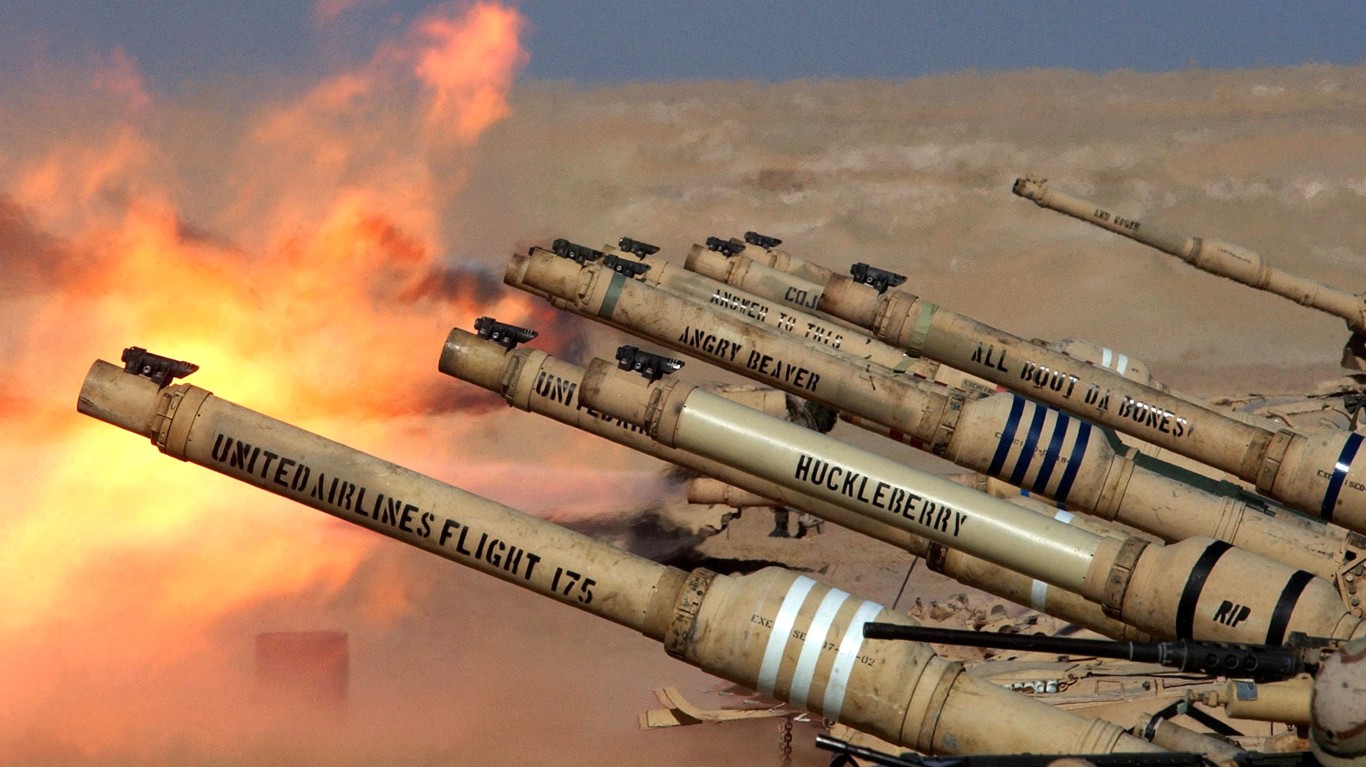
“Those sales include everything from Apache and Cobra attack helicopters to F-16 warplanes, missile launchers and howitzers, plus more than 50 Abrams tanks — some of which now patrol Bahrain’s capital of Manama,” according to NPR
The US economic footprint in Libya is much smaller given the regime’s ties to terrorism. U.S. diplomatic personnel reopened the American embassy in Tripoli on May 31, 2006. U.S. exports to Libya soared from $83.8 million in 2005 to $665.4 million last year, according to government statistics. In 2009, the government was ready to consider restarting arm sales to its former foe. Here is how Reuters reported the story:
“We will consider Libyan requests for defense equipment that enables them to build capabilities in areas that serve our mutual interest,” said Lt. Col. Elizabeth Hibner of the Army, a department spokeswoman.
As examples, she referred to systems used for border and coastal security as well as “theater airlift,” by implication aircraft such as Lockheed Martin Corp’s C-130 Hercules that can ferry forces and equipment.
US exports were smaller yet to Tunisia, which totaled $571.2 million last year. Zine El Abidine Ben Ali, the hated dictator ousted by his people in January, tried to give him a parting gift a year earlier of $282 million worth of upgrades to his helicopter fleet. Wired magazine notes that Ben Ali has received $349 million since he came to power in 1987.
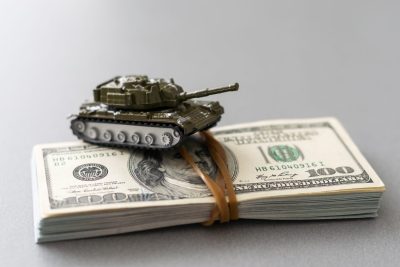
It’s hard to underestimate the importance of the Middle East to the U.S. arms industry. It helps account for roughly half of all U.S. arms sales. So the calls for peace and democracy in the Middle East may be making thousands of defense industry workers and investors nervous.
–Jonathan Berr







 Top Gaining Stocks
 Top Losing Stocks