


 Air pollution can pose a serious health risk. Respiratory conditions, cancer, heart disease and other ailments are linked to air pollution. The World Health Organization estimates 1.34 million people died in 2008 from breathing in the tiny particles present in polluted outdoor air. In some parts of the world, air pollution is not only many times that of the recommended amount, but is getting worse. In some cities, air pollution is the worst it has ever been. 24/7 Wall St. looked at new data from the WHO to find the most polluted cities in the world.
Read The Cities With The Worst Air Pollution In The World
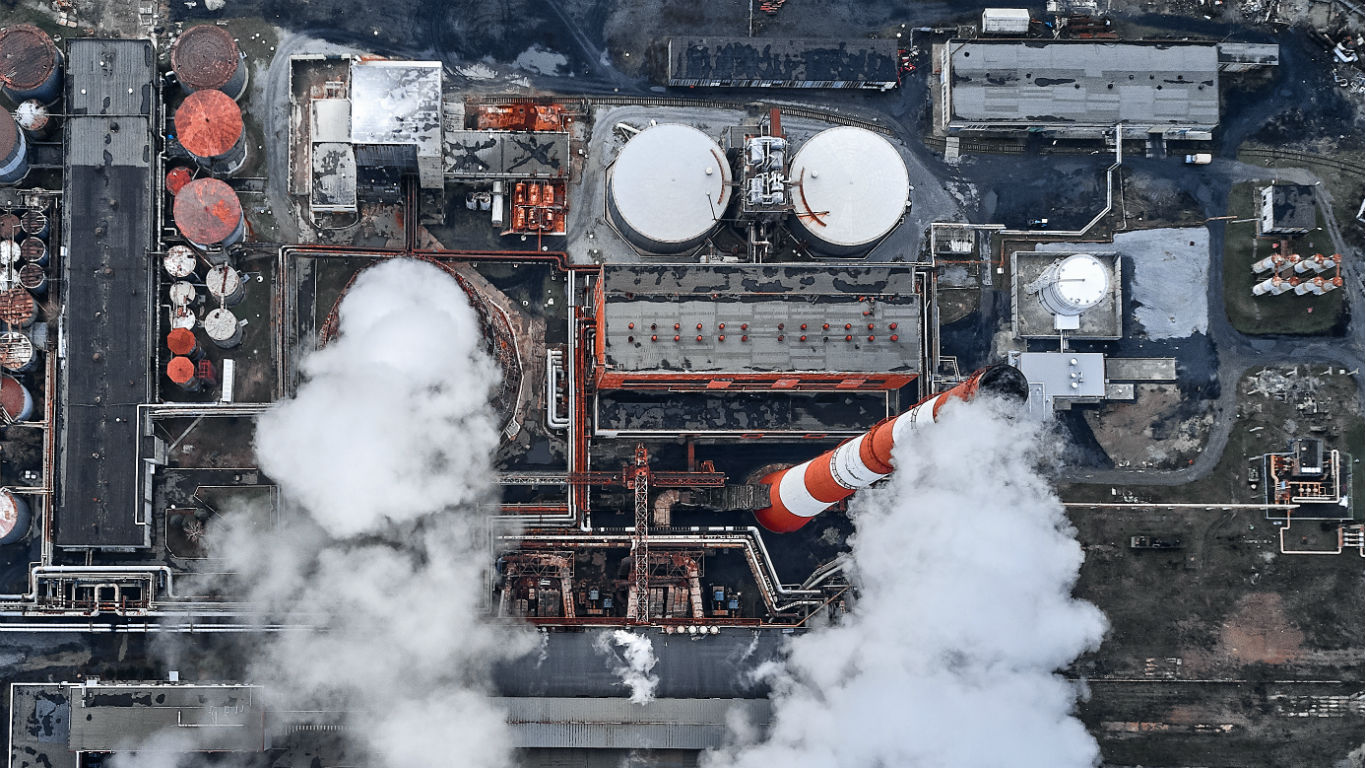
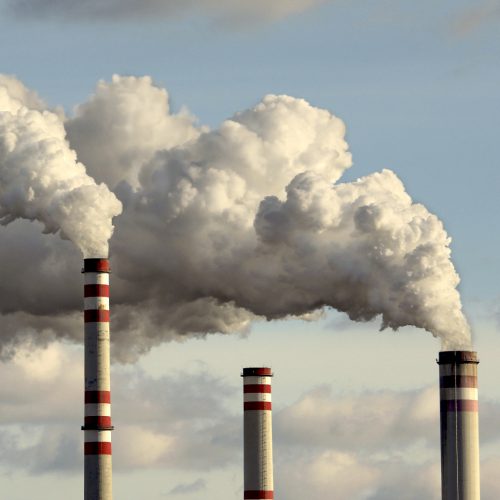
According to the WHO, cities in Iran, India, Mongolia and Pakistan are among those with the highest levels of air pollution in the world. The sources of air pollution in those cities are fairly consistent. Industrial factories and power plants frequently emit large amounts of particles into the air. Similarly, the growing use of automobiles in many of the cities also adds to pollution. And with the vehicles used often being cheap, second-hand and poorly maintained, they emit greater amounts of toxic emissions than those in the U.S. or Canada, further worsening the air quality. High levels of pollution also result from combustion of wood and municipal waste, and, in some cases, airborne dust is caused by a combination of unpaved roads and dry weather.
There are serious health consequences to air pollution. PM10 particles, or particles of 10 micrometers or less, enter the air and are breathed in by people. These particles eventually enter the bloodstream, where they can cause heart disease, lung cancer, asthma and acute lower respiratory infections. The WHO estimates 1.34 million people died in 2008 from breathing in tiny particles present in polluted outdoor air. This is up from 1.15 million deaths in 2004.
24/7 Wall St. has analyzed the ten international cities with the worst air pollution, according to the WHO data. In each case, the city has at least ten times the amount of air particles recommended by the WHO — 20 µg/m3. In most cases the air quality is even worse.
This is 24/7 Wall St.’s Cities With The Worst Air Pollution In The World.
10. Kanpur, India
> Annual mean PM10 (ug/m3): 209
> Population: 3,221,435
Kanpur is one of the largest cities in India and one of the most polluted in the world. Worst still, the levels of air pollution in the city are on the rise. According to the Indian Ministry of Environment and Forest, while vehicles, road dust and domestic cooking contribute to the city’s high pollution level, it is the industrial sector that is the main cause. Kanpur has a major leather industry, which uses many toxic chemicals. Many illegal glue factories also add to the air pollution. As a result, a majority of Kanpur residents report that levels of respiratory diseases, asthma and eye irritation among the city’s population are increasing.
9. Yasuj, Iran
> Annual mean PM10 (ug/m3): 215
> Population: 96,786
Yasuj’s air pollution results largely from the country’s manufacturing plants. These include a sugar processing plant and a coal-burning plant. These types of factories can release significant amounts of emissions into the air. The city has plans to open a refinery by 2014 that will produce gasoline, kerosene, gas oil, furnace oil, liquefied gas, asphalt and sulfur. This likely will make the pollution problem worse.
8. Gaborone, Botswana
> Annual mean PM10 (ug/m3): 216
> Population: 191,776
Gaborone’s low air quality stems from the growing use of vehicles, which are often poorly maintained, used cars that produce an exceptional amount of emissions. Air pollution is also caused by landfills where garbage is burned and by people who burn wood and even animal waste for cooking and heating. Air pollution is therefore worst in winter because of side effects of heating.
7. Peshawar, Pakistan
> Annual mean PM10 (ug/m3): 219
> Population: 3,625,000
Peshawar is another city that suffers greatly from its vehicle use. Few, if any, of the vehicles in the city have catalytic converters, which transform toxic exhaust emissions into nontoxic emissions. Burning of municipal solid wastes is also a contributing factor, as are smoke emissions from brick kilns, of which Peshawar has approximately 350.
6. Kermanshah, Iran
> Annual mean PM10 (ug/m3): 229
> Population: 822,921
The industrialization of western Iran has had significant environmental impact on the city of Kermanshah. Even worse is the city’s dust problem. Kermanshah’s meteorology expert Ali-Mohammad Zouravand told Mehr News Agency that “It is not possible to see anything in a distance of over 100 meters in the city of Kermanshah and in some of the other cities the field of vision has become less than 50 meters.” The dust has caused a number of people to be taken to hospitals for respiratory and heart problems.
5. Quetta, Pakistan
> Annual mean PM10 (ug/m3): 251
> Population: 896,090
Quetta’s air is extremely polluted due to recent increases in construction activities and smoke emission from motor vehicles and industrial units. Iron mills that use lead, municipal wastes and the use of insecticides are also contributing factors. The death rate as a result of automobile pollution has increased greatly over the past few years.
4. Ludhiana, India
> Annual mean PM10 (ug/m3): 251
> Population: 1, 740, 247
Ludhiana is a highly industrial city with manufacturing plants that produce everything from textiles to auto parts. Unfortunately, this industry, paired with vehicular pollution, has made Ludhiana one of the most polluted cities in the world. There are approximately 200 premature deaths each year in the city due to air pollution. Additionally, incidence of asthma is on the rise.
3. Sanandaj, Iran
> Annual mean PM10 (ug/m3): 254
> Population: 311,446
Sanandaj is located in northwestern Iran, several hundred miles west of the Capital, Tehran. According to the Mehr News Agency in the Iranian capital, the region has recently suffered from crippling dust storms. In June, the particle pollution was so severe that flights were cancelled. The city’s reported annual large particle concentration is more than 12 times the WHO’s recommended upper limit.
2. Ulaanbaatar, Mongolia
> Annual mean PM10 (ug/m3): 279
> Population: 2,754,685
According to the WHO, “Emissions from motor vehicles, industries, and power stations as well as road dust and household garbage burning are increasing” in Mongolia. These factors, all of which cause pollution, are worst in Ulaanbaatar. The city has seen a spike in birth defects and unhealthy newborns over the past few years. “While a single risk factor cannot be isolated, maternal exposure to air pollution is suspected to play a major role,” Dambadarjaa Davaalkham, head of the Epidemiology and Biostatistics Department at the Health Science University of Mongolia is recorded as saying.
- IT’s technology review, blamed the “unusual development and growth of the city, heavy industrial growth, oil exploration, heavy traffic” for Ahwaz’s pollution problems.Charles Stockdale






 Top Gaining Stocks
 Top Losing Stocks