


 Japan’s GDP grew at 1.5% in the quarter that ended in September. It is an impressive figure and one that shows the Asia nation’s economy has rebounded faster than expected. To keep the momentum, however, Japan will need to step up the rate at which it repairs earthquake damage. Japan’s near-term future, economically, depends on the response to the worst disaster in its history.
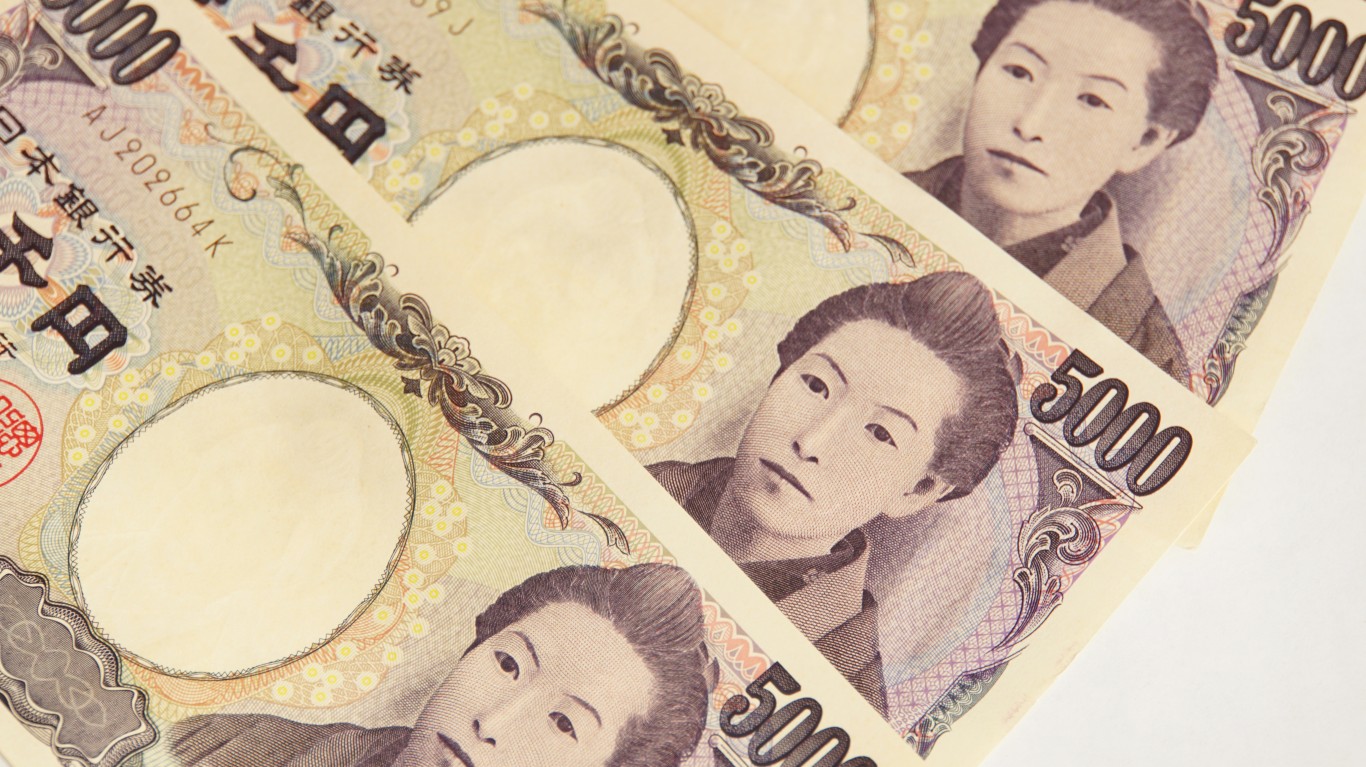
Japan faces challenges of a slow EU economy and the strength of the yen, which has made its exports expensive in other markets. There is no ready solution to either concern. The Bank of Japan has intermittently intervened to steady the yen’s value. Any benefits from that have been short-lived, though. Large exporters, including Sony (NYSE: SNE) and Toyota (NYSE: TM), say their earnings will be hurt badly by the value of the currency.
Japan also cannot control the demand for its exports in Europe. The U.S. faces a similar problem. High unemployment, increased taxes and austerity measures will hurt consumer and business economies alike. The EU’s GDP is the largest in the world. There is no way to offset a drop in demand there.
Ironically, the dual problems with exports can be offset only by the financial activity that comes as Japan recovers from the March earthquake. It was the most devastating catastrophe in Japan’s long history. The toll it took was tremendous. But Japan has to count on the rebuilding of infrastructure, homes and factories to continue to lift its GDP. Without the earthquake. Japan’s economy would have remained mired in the stagflation that has been its hallmark for so many years.
It would be hard to remember another national disaster that eventually became key to that nation’s financial recovery.
Douglas A. McIntyre






 Top Gaining Stocks
 Top Losing Stocks