


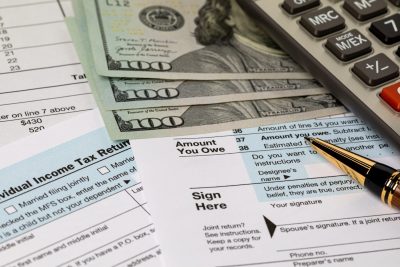
 New York governor Mario Cuomo has set a new system to tax high-income earners and give tax relief to middle-class state residents. The program looks quite a bit like a plan set by California governor Jerry Brown, although Brown will try to get a vote by the entire state in 2012 for approval.
The two states have managed to begin what Congress and the White House have not. That is to set a system to increase tax revenue and probably close budget gaps by taking a larger piece of the annual income of those who make the most money.
The state level trend will continue. It is politically popular to get additional revenue from the wealthiest citizens at a time when unemployment is high and middle and lower class families face financial difficulties. The rich population is not a large enough a portion of the electorate to block these plans, although they do have the money to support lobbying efforts to curtail the taxes.
The plans do, in most cases, make sense. States have suffered as tax receipts have fallen from both individuals and corporations that have struggled due to the recession. Budget gaps have become so big in some states that they have cut relatively essential services. Some nonessential services have been eliminated entirely in states, which includes California. Another byproduct of low tax receipts is faltering contributions to public employee pension plans. Many public employees also have had their wages frozen.
The risk to a “rich tax” is that it is regressive. Well-to-do people will cut their productivity because they keep too little of the financial fruits of their labor, some economists argue. This, in turn, cuts consumer spending. It may also hurt the process of adding jobs to the economy because so many of the highest earners run small businesses.
The “rich tax” movement has gone from the federal level to the states. If the action is successful, it will move beyond New York and California.
Douglas A. McIntyre





 Top Gaining Stocks
 Top Losing Stocks