The Domino Theory in Europe

Photo of Douglas A. McIntyre
By Douglas A. McIntyre Published
This post may contain links from our sponsors and affiliates, and Flywheel Publishing may receive compensation for actions taken through them.

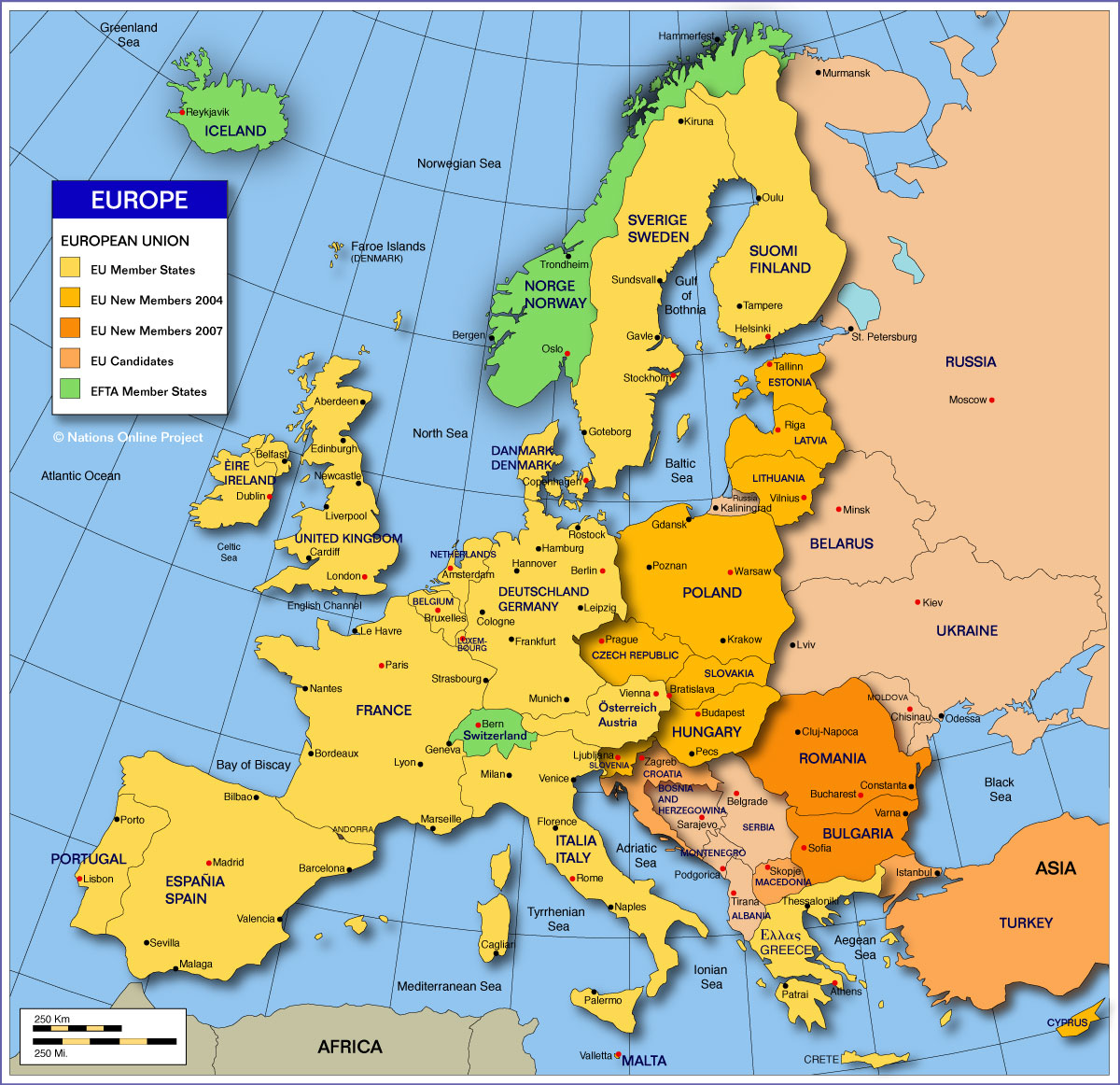
One reason the United States remained active in the politics and war in Southeast Asia in the 1960s was the so-called domino theory: if one nation in the region fell to communism, it was only a matter of time until its neighbors would too. The same can be said, perhaps, about some of the impetus behind U.S. involvement and troop presence in the Middle East. A similar, but less militaristic philosophy might apply to the financial health of some parts of the world. The theory is clearly active in Europe as one reason the European Union must hold on to Greece as a member. But the economic version of the theory probably does not hold true there at all.

A default of Greek debt could cause a cascade of the failure of $500 billion of bonds. Greece has obligations of roughly that size. However, a default on one portion of those obligations does not necessarily mean a default on all of it, particularly paper that is not due for a number of years. Some negotiated settlement is likely. Greece cannot afford to become completely financially isolated from the rest of the world, although it must be acknowledged that there is a small chance of that.

When it comes to Europe’s finances, the domino theory suggests that a rejection of austerity by Greece and a partial default on its obligations means similar problems in Spain, Portugal, Ireland and maybe eventually Italy. But EU leaders and the International Monetary Fund have a great deal of say in whether that will happen. A facility of nearly $1 trillion soon will be in place for bailouts, in addition to IMF funds. Some of this money might be lent to troubled governments on favorable terms to show that the region is serious about rescuing weak members. And there is discussion of taking the pressure off of Spain and Portugal as they wrestle with deficits and unemployment. So far, Germany has rejected this kind of plan. That could change if it sees Europe falling apart financially, which would jeopardize much of its ability to trade in the region on favorable terms.

It probably will take only a few short months for EU leadership to decide whether it can cordon off what might be a Greek disaster. If the leadership decides to aggressively provide aid to weak nations and give them some modest ground on which to bring down unemployment and cut government costs more slowly than they have to now, the domino theory can be proven wrong.

Douglas A. McIntyre

Photo of Douglas A. McIntyre
About the Author Douglas A. McIntyre →

Douglas A. McIntyre is the co-founder, chief executive officer and editor in chief of 24/7 Wall St. and 24/7 Tempo. He has held these jobs since 2006.

McIntyre has written thousands of articles for 24/7 Wall St. He is an expert on corporate finance, the automotive industry, media companies and international finance. He has edited articles on national demographics, sports, personal income and travel.

His work has been quoted or mentioned in The New York Times, The Wall Street Journal, Los Angeles Times, The Washington Post, NBC News, Time, The New Yorker, HuffPost USA Today, Business Insider, Yahoo, AOL, MarketWatch, The Atlantic, Bloomberg, New York Post, Chicago Tribune, Forbes, The Guardian and many other major publications. McIntyre has been a guest on CNBC, the BBC and television and radio stations across the country.

A magna cum laude graduate of Harvard College, McIntyre also was president of The Harvard Advocate. Founded in 1866, the Advocate is the oldest college publication in the United States.

TheStreet.com, Comps.com and Edgar Online are some of the public companies for which McIntyre served on the board of directors. He was a Vicinity Corporation board member when the company was sold to Microsoft in 2002. He served on the audit committees of some of these companies.

McIntyre has been the CEO of FutureSource, a provider of trading terminals and news to commodities and futures traders. He was president of Switchboard, the online phone directory company. He served as chairman and CEO of On2 Technologies, the video compression company that provided video compression software for Adobe’s Flash. Google bought On2 in 2009.

Featured Reads

Our top personal finance-related articles today. Your wallet will thank you later.

Continue Reading

Top Gaining Stocks

CBOE Vol: 1,568,143
PSKY Vol: 12,285,993
STX Vol: 7,378,346
ORCL Vol: 26,317,675
DDOG Vol: 6,247,779

Top Losing Stocks

LKQ
LKQ Vol: 4,367,433
CLX Vol: 13,260,523
SYK Vol: 4,519,455
MHK Vol: 1,859,865
AMGN Vol: 3,818,618



