


Experts were quick to point out that the Treasury can stretch out the period when the ceiling is actually reached, perhaps until March. It can take money from government employ pension funds — temporarily. Like any other organization with financial issues, it can delay payments of some money the federal government owes. In other words, year’s end is not a hard stop, but the Treasury wants it to appear that way to hurry a decision on a new ceiling
Congress and the Administration have these two critical financially driven events to bicker about over the course of the next two months. Many experts believe that neither party will give in and lose a key political advantage over how much the government should spend. Whether a new president or the old one, he will want to make a mark and signal plans about budget philosophy for the next four years. Positions on both sides probably will harden.
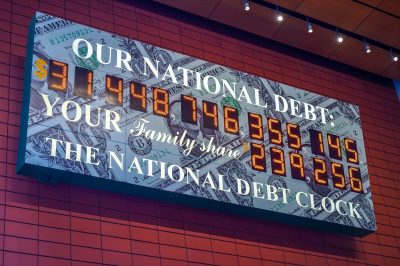
The public does not need to see much more than the headlines about the ceiling and fiscal cliff to judge that year’s end brings greater and greater risks to the economy. If business spending, hiring and consumer confidence already have been hit by worry about new taxes, it is easy to imagine a reaction to the idea that the government may run out of money. There may be no other nation in the world that faces exactly the same set of problems.
Whatever comfort the results of the election may bring — which could be nearly nil — will be trampled by the notion that the United States cannot even manage its budget. It is easy to think, even if it is naive, that higher taxes must be part of the debt ceiling solution, particularly if Congress and the Administration are not quick to raise it.
Most of these fears and the specter of financial trouble at year’s end may be nothing more than anxiety about what people cannot predict. But anxiety will be all it takes to bring the economy down.
Douglas A. McIntyre







 Top Gaining Stocks
 Top Losing Stocks