


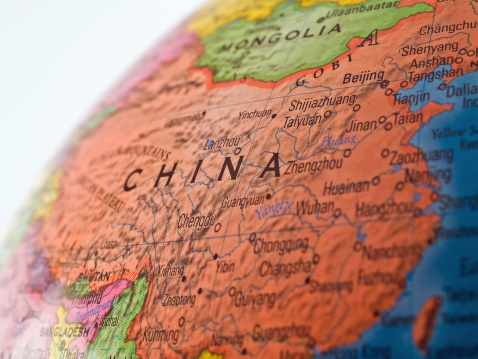
The president has told China that the behavior will not be tolerated, but he and most parts of the federal government cannot retreat to safe cyber-bunkers any more than Lockheed Martin Corp. (NYSE: LMT) or J.P. Morgan Chase & Co. (NYSE: JPM) can. That is not true for American businesses in China, which find themselves the victims of aggressive robbery of intellectual property and other critical secrets.
AmChamChina, the American Chamber of Commerce in China, polled its members and found that many of them believe that Chinese business, or the government, will or already has engaged in the theft of sensitive data by one means of another. In its 2013 poll of its members, the group made this statement about theft:
This poses a substantial obstacle for business in China, especially when considered alongside the concerns over IPR (intellectual property rights) enforcement and de facto technology transfer requirements.
More particularly:
In the latest survey, the percentage of respondents who described IPR enforcement as ineffective jumped to 58 percent, from 48 percent a year ago. Also, just over one quarter of respondents report that proprietary data or trade secrets have been breached or stolen from their China operations.
China may not care if U.S. companies move their operations out of the country. Some private and public enterprises there might even favor this because American corporations are direct competitors of theirs. If so, China is willing to show a disregard for foreign interests set up within its borders, and that will prompt some portion of the companies to leave, even if it is not in their best interests from an immediate economic or earnings standpoint.
Some companies will not worry about China’s data theft — maybe ever. McDonald’s Corp. (NYSE: MCD) and Wal-Mart Stores Inc. (NYSE: WMT) fall into that category. Other companies will have their intellectual property stolen whether or not they have offices in China. Microsoft Corp. (NASDAQ: MSFT) and all the American movie studios are part of this group. That leaves companies like General Motors Co. (NYSE: GM) and other manufacturers that have operations more sophisticated than their Chinese competitors, and every other company that competes with Chinese interests based on something more than selling hamburgers.
China has almost assured that some American business cannot afford to stay there. And it has a reason in many cases to actually drive competition out.






 Top Gaining Stocks
 Top Losing Stocks