


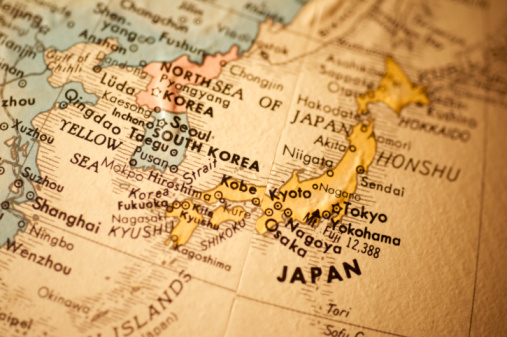
Singapore’s South China Morning Post reported over the weekend that some PBOC economists are “livid” over the BOJ’s plan to double its monetary base by 2015 by adding liquidity to the Japanese economy in the hopes of ending more than 20 years of deflation.
To the Chinese economists, the threat to the country’s export-driven economy must be countered by devaluing the yuan. These economists want the PBOC to sell (flood?) the market with yuan and purchase U.S. dollars.
If China does not devalue, it risks a flood of new “hot money” inflows that take advantage of the carry trade between the yen and the yuan. That is, borrowing in low-interest yen and investing in higher interest markets, such as China. If that happens, not only are Chinese exports threatened, but the specter of inflation rises again in China.
Another country that stands to be hard hit by Japan’s asset purchases is South Korea, where exports account for nearly 60% of gross domestic products. Complaints, and perhaps some Korean counter to Japan’s asset buying, are likely to appear fairly soon.






 Top Gaining Stocks
 Top Losing Stocks