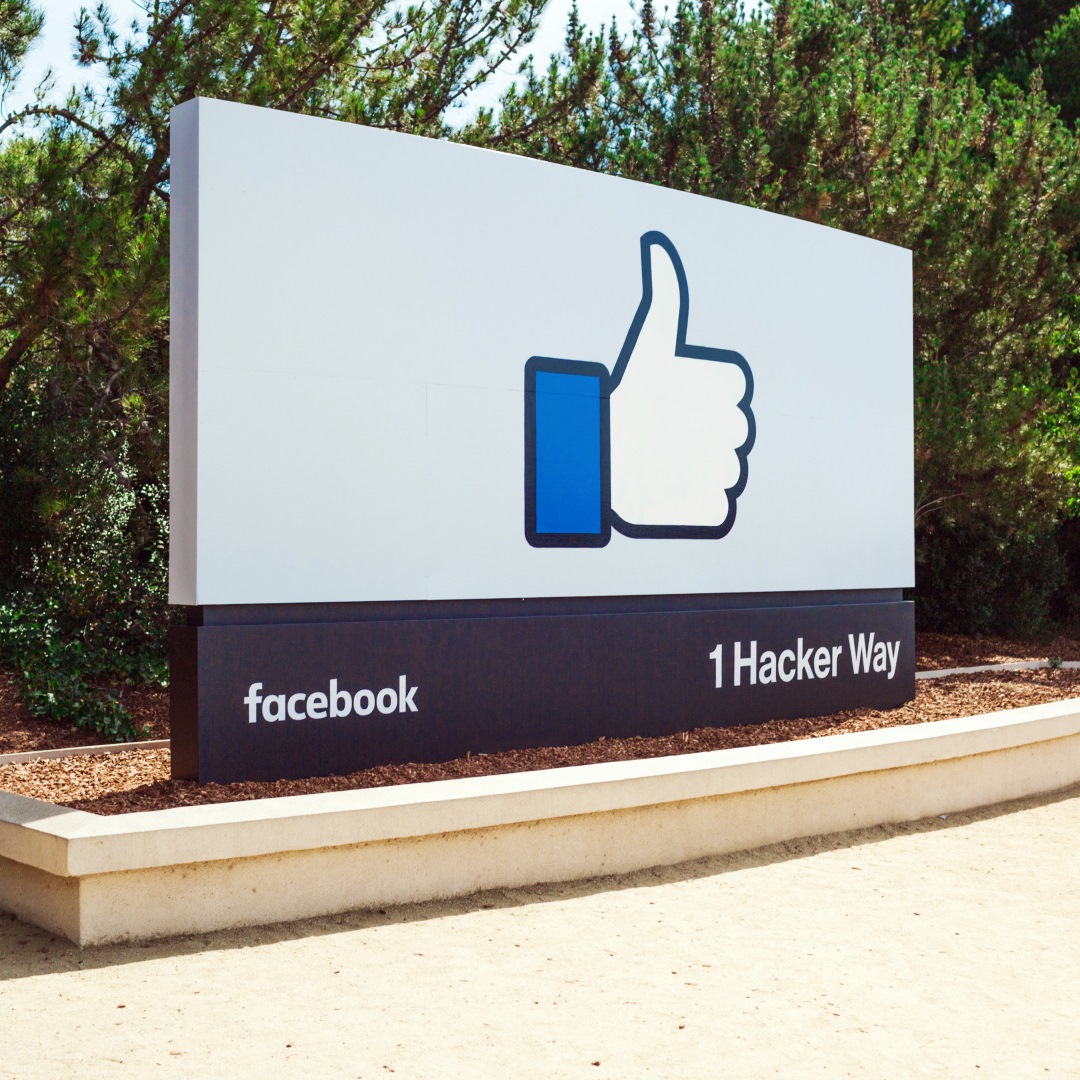
Facebook Earnings: Are Shareholder Conference Calls Fair?

Photo of Douglas A. McIntyre
By Douglas A. McIntyre Published
This post may contain links from our sponsors and affiliates, and Flywheel Publishing may receive compensation for actions taken through them.

Anyone who bought stock in Facebook Inc. (NASDAQ: FB) immediately after it released its earnings got a momentary 14% return. A few minutes later, that return evaporated, and the gain became a loss. The action in Facebook’s shares after hours fairly raises the issue of whether public companies should put all important and material information about what happened during their most recent quarter into earnings releases, or whether they can save some of them for the earnings calls, which often come minutes or even hours later.

Facebook reported that revenue rose to $2 billion from $1.3 billion in the same period the year before. Net income was $425 million, compared to a loss of $59 million. The financial results were not all that lifted investor sentiment. Facebook’s key operational statistics were extraordinary:

•Daily active users (DAUs) were 728 million on average for September 2013, an increase of 25% year-over-year.
•Monthly active users (MAUs) were 1.19 billion as of September 30, 2013, an increase of 18% year-over-year.
•Mobile MAUs were 874 million as of September 30, 2013, an increase of 45% year-over-year.
•Mobile DAUs were 507 million on average for September 2013.

The only comment the company management had about the figures was unabashedly positive:

“For nearly ten years, Facebook has been on a mission to connect the world,” said Mark Zuckerberg, Facebook founder and CEO. “The strong results we achieved this quarter show that we’re prepared for the next phase of our company, as we work to bring the next five billion people online and into the knowledge economy.”

On the earnings call, CFO David Ebersman remarked that “We did see a decrease in daily users partly among younger teens. This is of questionable significance.” The news was not of questionable significance to investors, who immediately sold off the stock. Then Ebersman said Facebook would not increase the number of ads it puts into member newsfeeds. There is a risk, apparently, of alienating some of Facebook’s 1.2 billion members if those feeds are overloaded. Facebook shares dropped again. By the end of the call, the stock was down a fraction.

A good deal of what goes into earnings calls is scripted, and much is a review of data already in the earnings release. Facebook management was well aware that at least two pieces of information they had would trouble investors. But they held onto them and sprung them on investors later, maybe because questions asked on the call gave them little choice.

Facebook should have mentioned the “teen user” and “newsfeed ad problem” in its earnings release. Because it did not, some portion of investors lost a great deal of money.


Photo of Douglas A. McIntyre
About the Author Douglas A. McIntyre →

Douglas A. McIntyre is the co-founder, chief executive officer and editor in chief of 24/7 Wall St. and 24/7 Tempo. He has held these jobs since 2006.

McIntyre has written thousands of articles for 24/7 Wall St. He is an expert on corporate finance, the automotive industry, media companies and international finance. He has edited articles on national demographics, sports, personal income and travel.

His work has been quoted or mentioned in The New York Times, The Wall Street Journal, Los Angeles Times, The Washington Post, NBC News, Time, The New Yorker, HuffPost USA Today, Business Insider, Yahoo, AOL, MarketWatch, The Atlantic, Bloomberg, New York Post, Chicago Tribune, Forbes, The Guardian and many other major publications. McIntyre has been a guest on CNBC, the BBC and television and radio stations across the country.

A magna cum laude graduate of Harvard College, McIntyre also was president of The Harvard Advocate. Founded in 1866, the Advocate is the oldest college publication in the United States.

TheStreet.com, Comps.com and Edgar Online are some of the public companies for which McIntyre served on the board of directors. He was a Vicinity Corporation board member when the company was sold to Microsoft in 2002. He served on the audit committees of some of these companies.

McIntyre has been the CEO of FutureSource, a provider of trading terminals and news to commodities and futures traders. He was president of Switchboard, the online phone directory company. He served as chairman and CEO of On2 Technologies, the video compression company that provided video compression software for Adobe’s Flash. Google bought On2 in 2009.

Featured Reads

Our top personal finance-related articles today. Your wallet will thank you later.

Continue Reading

Top Gaining Stocks

CBOE Vol: 1,568,143
PSKY Vol: 12,285,993
STX Vol: 7,378,346
ORCL Vol: 26,317,675
DDOG Vol: 6,247,779

Top Losing Stocks

LKQ
LKQ Vol: 4,367,433
CLX Vol: 13,260,523
SYK Vol: 4,519,455
MHK Vol: 1,859,865
AMGN Vol: 3,818,618