


The holiday season is when shipping companies and the U.S. Postal Service (USPS) have their busiest period. As the season starts, the USPS is struggling with huge losses for the year that ended Sept. 30. It is also up against the challenge of whether it can effectively compete with private operations like UPS and FedEx.
For the fiscal year that ended Sept. 30, the USPS lost just over $3.9 billion, compared with a loss of $2.7 billion in the same period the year before. Revenue inched up from $69.6 billion to $70.6 billion. By contrast, FedEx made $4.6 billion on $65.6 billion last year.
The USPS continues to experience attrition of first-class mail. Last year, its volume dropped 3.6%, which drove revenue down from $25.7 billion to $25.0 billion. Package shipments partly made up for that as revenue moved up from $19.5 billion to $21.5 billion. Management said the switch in the way people use its services is “continuing a multi-year trend of declining mail volumes and increasing package volumes.” But the trend has also cut USPS volumes, by 3.2 billion pieces year over previous year.
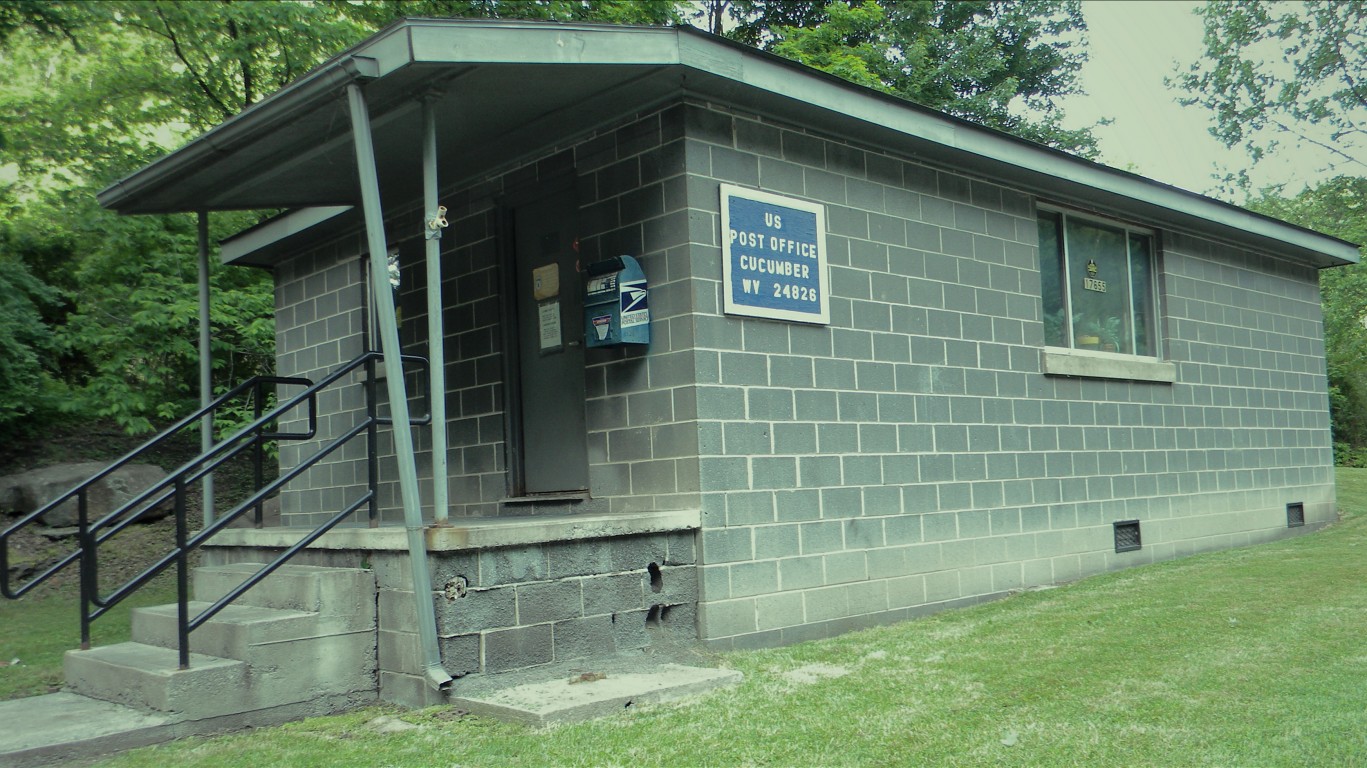
As the USPS released its results, Postmaster General and CEO Megan J. Brennan said, “The secular mail volume trends continue largely due to electronic diversion and transaction alternatives. We compete for business in every product line, every day from the first mile to last mile.” Many outside observers believe that this effort to be “all things to all people” is the USPS’s Achilles’ heel. Its six-day a week door to door operation is extremely costly. As of 2017, the USPS had 503,103 career employees, the fewest since 1966, and a non-career employees count of 141,021. It also has 30,825 Postal Service-managed retail post offices. For years, critics of the USPS have argued both that this it too many locations and that the number of delivery days a week should be cut to five or even fewer.
[nativounit]
UPS and FedEx each make billions of dollars in profits per year. Neither is tied to a system that requires six-day service, which gives them flexibility in operations. Neither is required to keep locations open if they are not profitable. Even the mail volume of the holidays will not continue the multiyear problems of the USPS, which will continue to fall further and further behind the private sector. The motto of the USPS is still “Neither snow nor rain nor heat nor gloom of night stays these couriers from the swift completion of their appointed rounds.” That is no longer practical.
[wallst_email_signup]








 Top Gaining Stocks
 Top Losing Stocks