



The Dow Jones industrial average has dropped over 3,000 points this month, and on single days it has traded down 700 points before partial recoveries. Many analysts see no end in sight. Investors who want to move to safe stocks — those that are unlikely to be financially damaged by a sell-off or recession as much as the balance of market, that have rock solid businesses, high dividends and vaultlike balance sheets — have a handful of options they can turn to.
1. Verizon Communications Inc. (NYSE: VZ) is not the growth company it was during the wireless boom of a decade ago. However, it still owns the wireless market in the United States, along with rival AT&T. As Apple and Samsung launch new smartphones and subscribers upgrade, Verizon has the chance to renew two-year contracts of tens of millions of subscribers. It will have an even better chance to do so as super-fast wireless 5G becomes the new standard. Verizon also has a boring but steady traditional wireline business. The company carries a dividend yield of 4.4%.
2. McDonald’s Corp. (NYSE: MCD) does not own the fast-food business in the United States, but it is close. With $8 billion in U.S. sales and a global store count over 37,000, its sales risk is spread across dozens of countries. Major rivals Burger King and Wendy’s have store footprints that are tiny by comparison. McDonald’s has returned much of its profits to shareholders. This includes $30 billion in board-approved share buybacks and dividend increases over the past three years. The McDonald’s dividend yield is 2.7%.
[nativounit]
3. Amazon.com Inc. (NASDAQ: AMZN) is the most diversified of the mega tech companies, which makes it less dependent on one business like search or social media users. It basically controls e-commerce in the United States, a position it solidifies each year as brick-and-mortar companies go out of business. It has its own consumer electronics line, which runs from Fire TV to Alexa-powered home management systems. Its Prime subscription service has over 100 million members worldwide that bring it recurring revenue. And it has the largest cloud operation in the world, called Amazon Web Services. Each of these businesses is proliferating, and Amazon is big enough to have created a “moat” around them.
4. Walt Disney Co. (NYSE: DIS) has been around since 1923, and management is making the biggest bet in its history as media consumption shifts from theaters and the TV screen to streaming to homes and phones. At the same time, Disney maintains the most stable part of its portfolio in its theme parks, which contributed $20 billion of Disney’s $59 billion in revenue last year. Disney’s buyout of most of the assets of 21st Century Fox moves it further into the movie, cable and sports businesses. CEO Bob Iger has started to build a vast streaming business via the new Disney+ service, set to take on Netflix. Disney’s yield is 1.6%.
[recirclink id=512008]
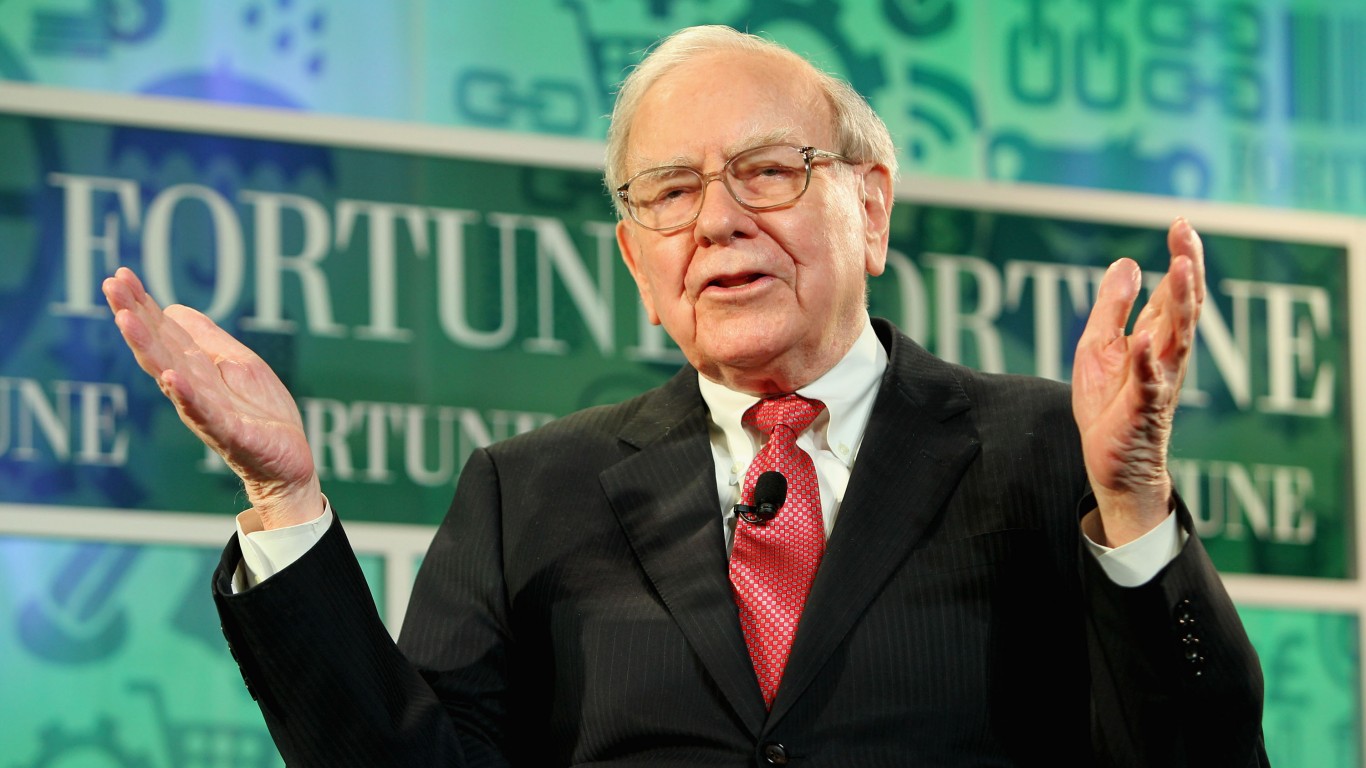
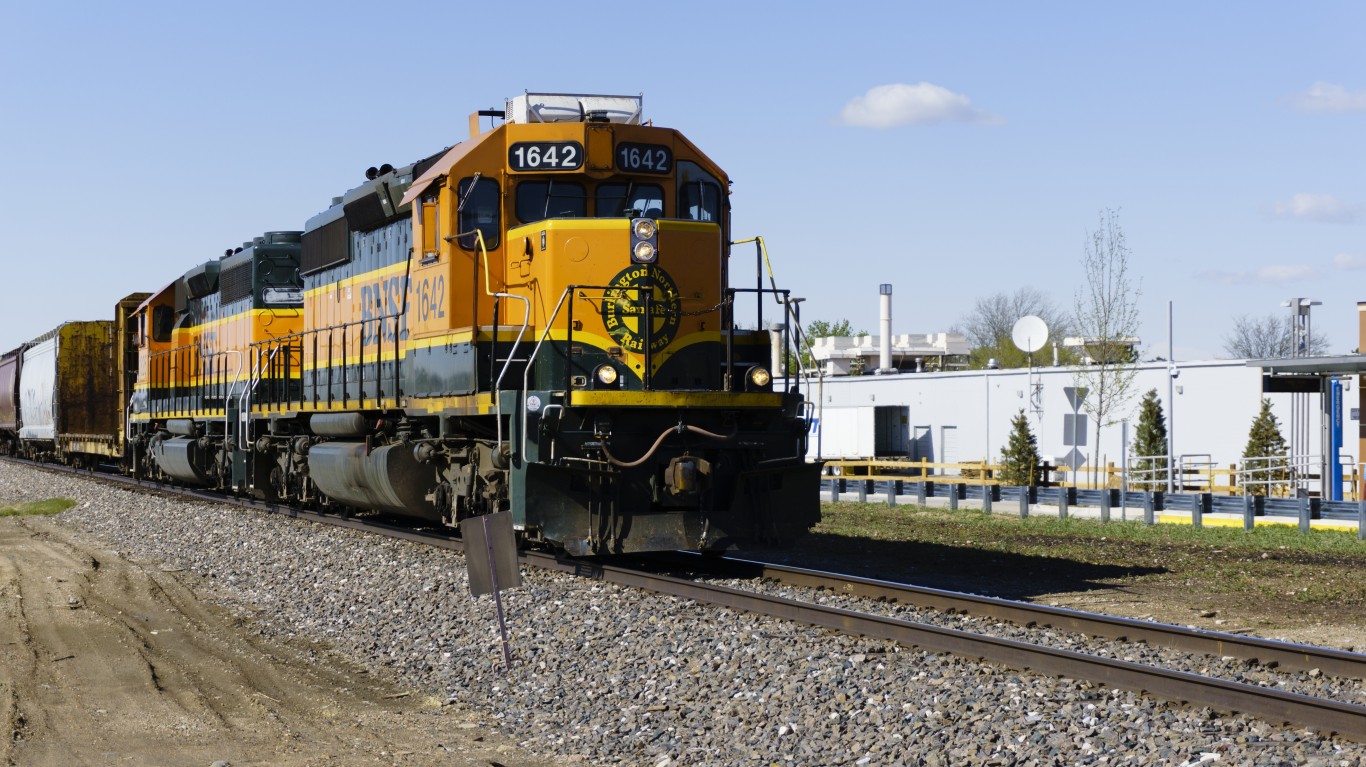
5. Berkshire Hathaway Inc. (NYSE: BRK-B), Warren Buffett’s holding company, is in dozens of businesses via investments or direct ownership. This means its revenue is spread across a broad swath of the economy. Buffet has bought corporations with operations as diverse as railroads, fractional jet ownership, furniture and food. He also has a stake in public companies as varied as Apple, Coca-Cola, JPMorgan and Delta Air Lines. And he is Warren Buffett, arguably the greatest investor of the past century. Berkshire Hathaway does not pay a dividend. Buffett may think the 57% run-up in Berkshire’s share price over the previous five years is enough.
[wallst_email_signup]









 Top Gaining Stocks
 Top Losing Stocks