


By David Callaway, Callaway Climate Insights
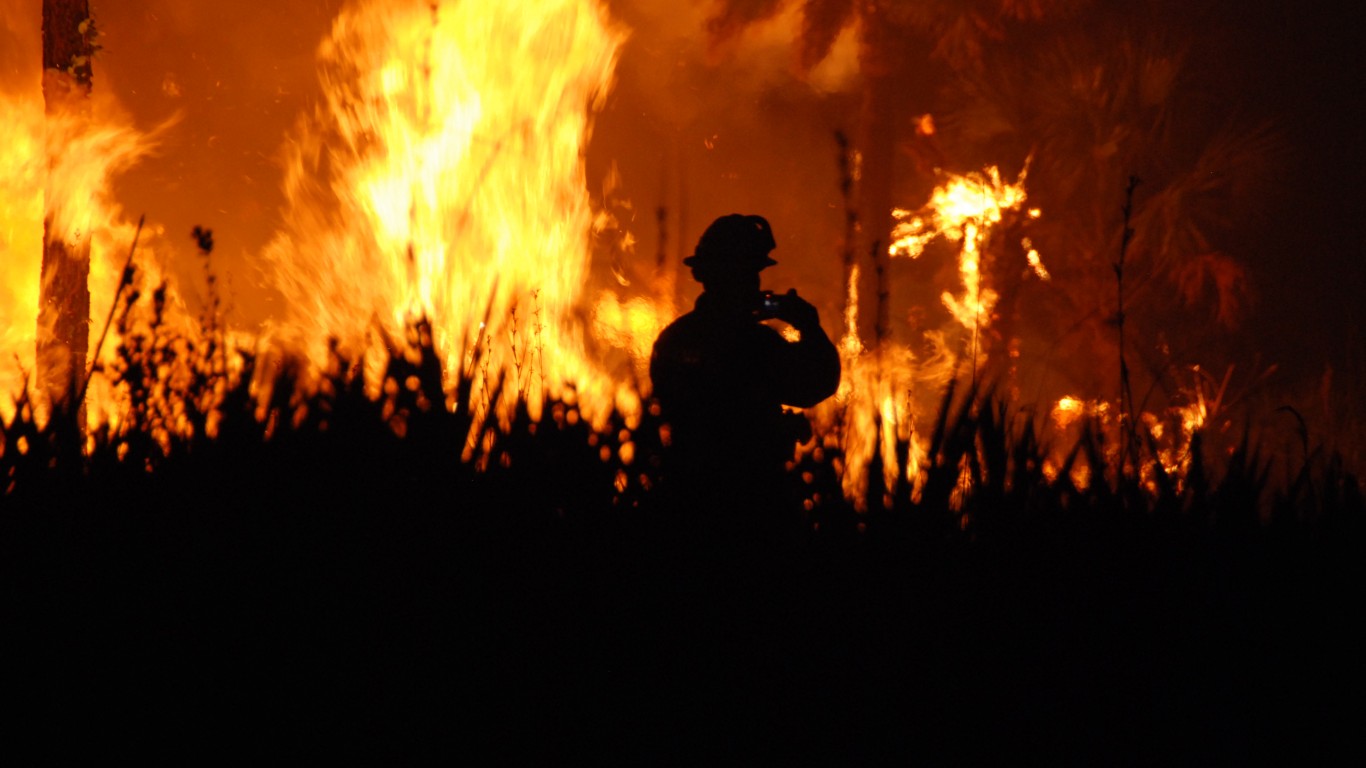
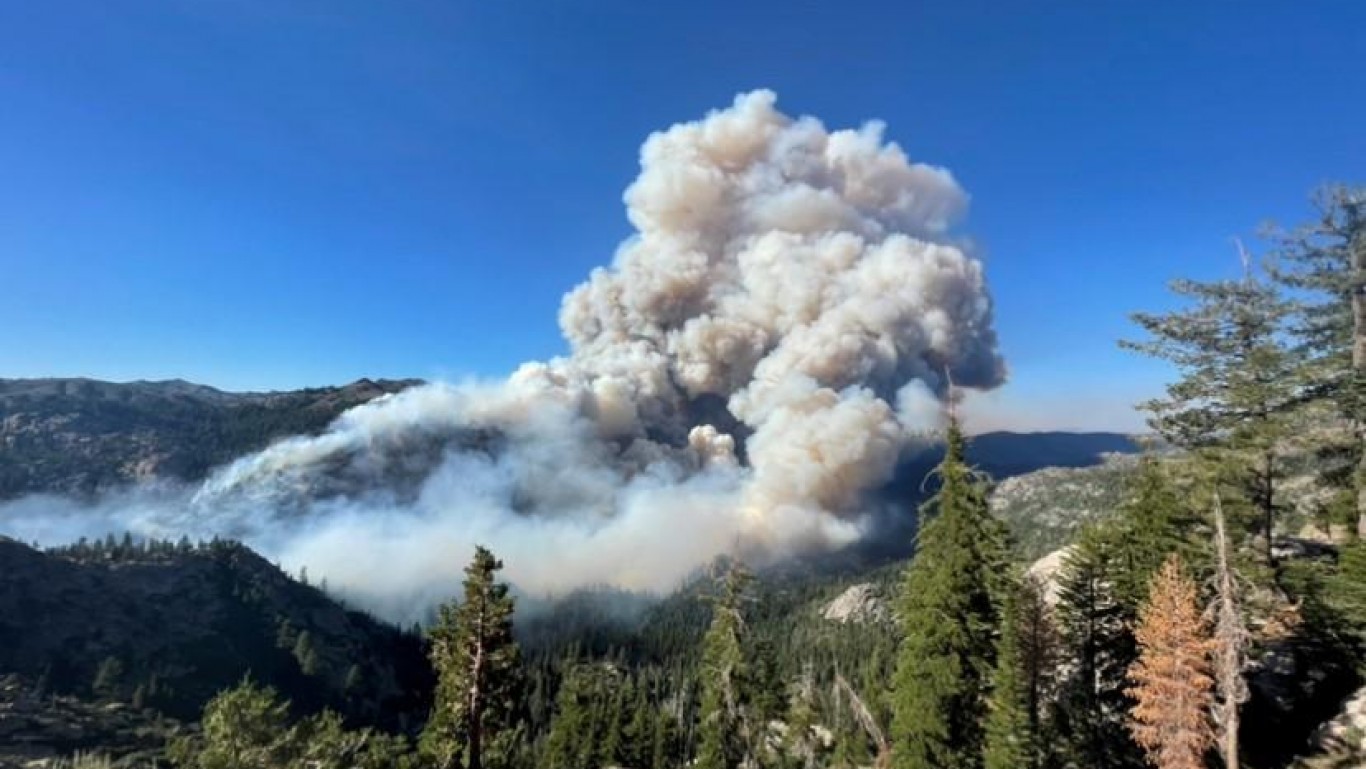
As fire season gets underway here in the American West, firefighters must contend with more than the hazards of smoke, rapid wind change, and soaring flames this year. Covid-19 is now a large part of the danger.
Fires already are raging in Arizona near Phoenix, in Southern California near San Diego, and just this week, in Northern California near Modesto, where the Walker Fire in Calaveras County has burned more than 1,000 acres and at least two buildings. Scientists estimate fires pump eight billion tons of carbon into the atmosphere each year, on par with the fossil fuel industry.
As firefighters mobilize to contain the blazes, they’ll need to contend with wearing masks, virus testing every few days, social distancing in temporary housing and at meal times, and even with changing sets of tools to keep them safe. And that’s just before they face the flames. Gizmodo did a fabulous piece this week on how firefighters in Florida adapted during that state’s fire season this past spring. I encourage you to check it out:
Gizmodo: This is how firefighters are preparing to battle wildfires during a pandemic
You will be hearing more from the Wild West here in coming weeks, particularly in relation to how bankrupt utility PG&E (PCG) handles the season with forced blackouts for millions firmly on the agenda. And new innovations in keeping communities protected with firebreaks.
But this isn’t a local story. On the other side of the world, scientists are alarmed as parts of Siberia have experienced temperatures of almost 30°C. (almost 90°F.), vs. the usual freezing at this time of year. In South America, our correspondent Mike Molinski reports on a very different ski season shaping up in Chile and Argentina, boding poorly for winter tourism in Europe and North America after an expected lousy summer.
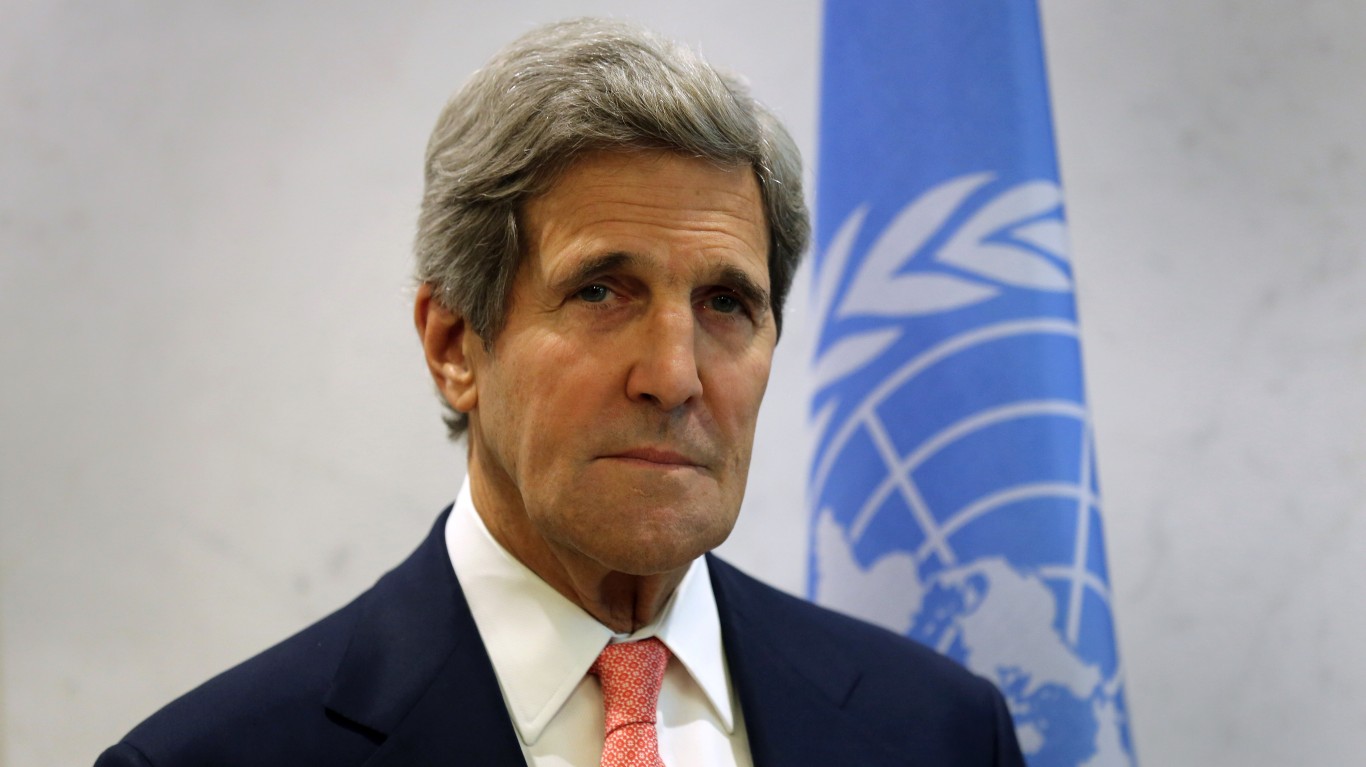
A UN official said this week that Covid-19 pandemic is just a “fire drill” for climate change. An apt choice of words, indeed.
Europe to consider hydrogen trading market, priced in euros
. . . . As the European Union coalesces around hydrogen as the fuel for its green revolution, Climate Commissioner Frans Timmermans plans to propose a hydrogen trading market, priced in euros, just as oil markets are priced in dollars, writes Stephen Rae in his European notebook.
Two of the biggest supporters of the hydrogen idea — Germany and France — are already working on plans to convert existing gas lines to a hydrogen transmission network that would cross borders, and several projects to upgrade passenger trains to hydrogen fuel from gas, or a hybrid of both, are underway. . . .
Read this week’s European notebook
Can investors really change corporate behavior?
. . . . For all the hubbub over ESG funds and the demand from investors to hold stocks of companies seeking to make an environmental or social difference or have good governance, the ability for investors to change corporate behavior is quite limited, writes Mark Hulbert.
The types of engagement we see from activist investors can sometimes help, though it can take years. Simply divesting of shares such as fossil fuel companies, which is all the rage on Wall Street — especially with oil in the dumps — doesn’t have much of a record, either. Even worse than engagement, in fact.
You may find it discouraging that investing is not an overwhelmingly effective way in which to encourage companies to engage in more climate-friendly practices. But investing wasn’t designed to be an agent for social change. It was us who had the hope that we could make lots of money while also changing the world.
Hulbert suggests there might be a middle way, though. . . .







 Top Gaining Stocks
 Top Losing Stocks