



By David Callaway, Callaway Climate Insights
With snow storms on the East Coast and winter temperatures rising, ‘tis the season for gas heating. But a fascinating new study on gas leaks around America has me reconsidering my fireplace this Christmas.
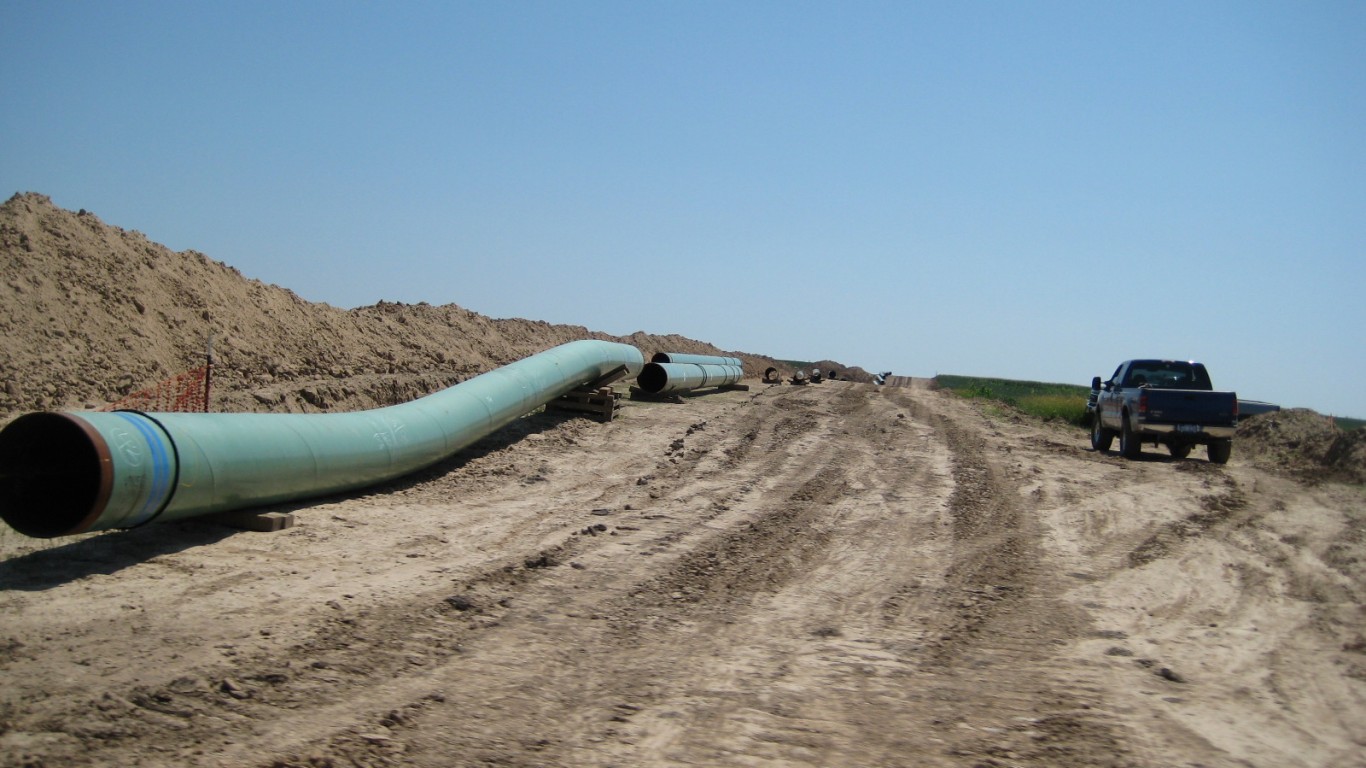
Global Energy Monitor, a non-profit based on energy infrastructure, released a study called The Gas Index this week that suggests leakage of harmful methane gas into the atmosphere from production plants, pipelines, buildings, and residences was as much as 2.3% of the almost 10 billion cubic feet of gas produced and pumped nationwide each day.
That’s a lot of leakage, and might help explain why on average we see gas fires or explosions almost 300 times a year around the country. Most are small, but sometimes entire neighborhoods go up, as we saw here in the San Francisco Bay Area about a decade ago. Forgetting explosions, that methane leakage is more harmful to the atmosphere than CO₂, and is something we can fix with a little effort.
The Gas Index project was notable for ranking American cities in terms of their leaking problems, with Indianapolis being the worst, followed by Los Angeles and Phoenix. New York and Philadelphia had the least leaks, which is somewhat surprising given their 250-year-old infrastructures.
As we take on vast challenges to rid the oceans of plastic and pull carbon from the skies to save the world, it’s helpful to remember that sometimes a little patchwork on our existing infrastructure could go a long way as well.
ZEUS: Eight insights for 2021 as climate change threat overtakes Covid
. . . . 2020 will forever be known as the year Covid stopped the world, despite many significant things to be proud of — not the least of which was science’s ability to create a handful of vaccines in under a year. As we approach 2021, David Callaway provides eight insights into how the battle of climate change will take center stage and who the main players will be.
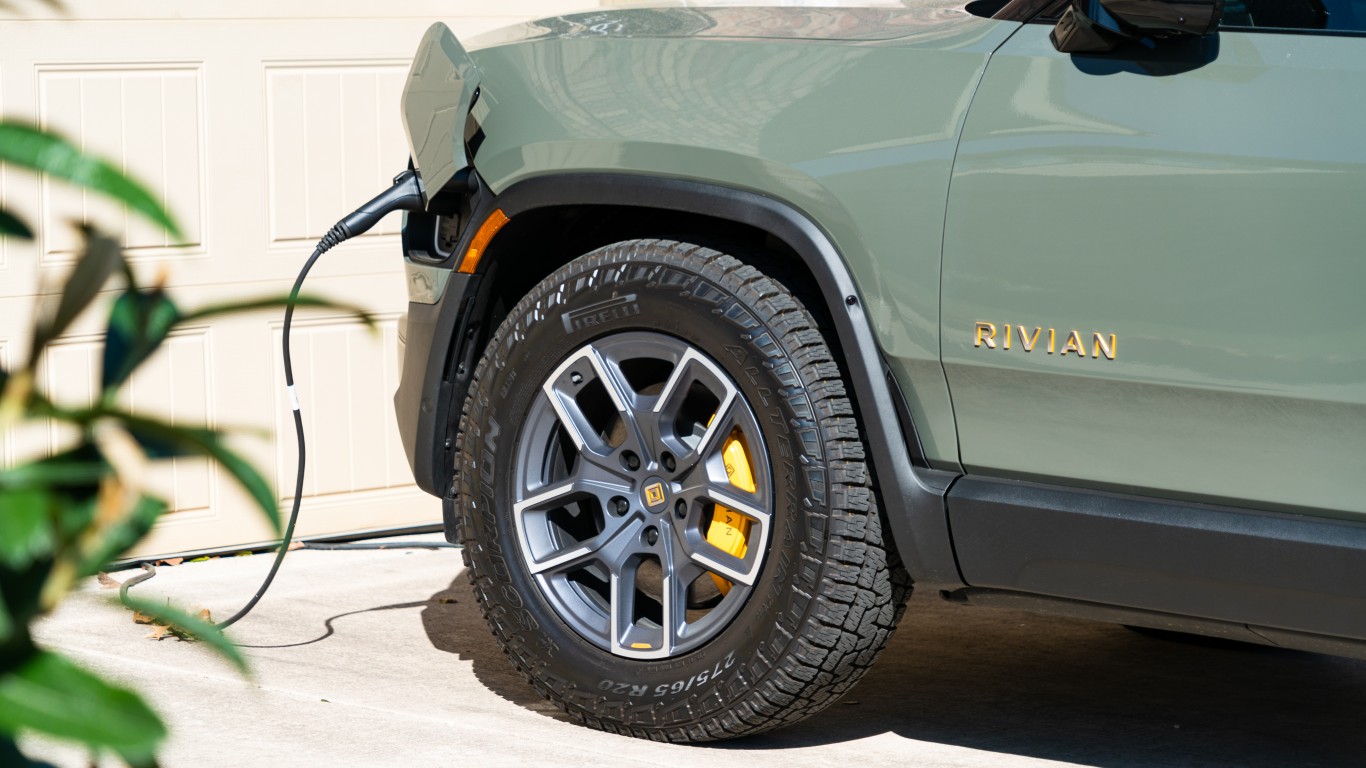
- The mobilization of Wall Street, and investor funds into ESG strategies, will combine to speed the transition from fossil fuels, creating great opportunities in assets such as renewable energy and electric vehicles. However, the speed will also cause major dislocations, lead to more stranded assets, and create systemic risk as the financing of everything from home insurance to real estate and corporate bonds shifts away from climate dangers. Regulators and central bankers are already pointing to these risks, which become more apparent with each hurricane or wildfire. . . .
Read ZEUS and the other 7 insights
Biden rounds out climate team with two notable environmental justice picks
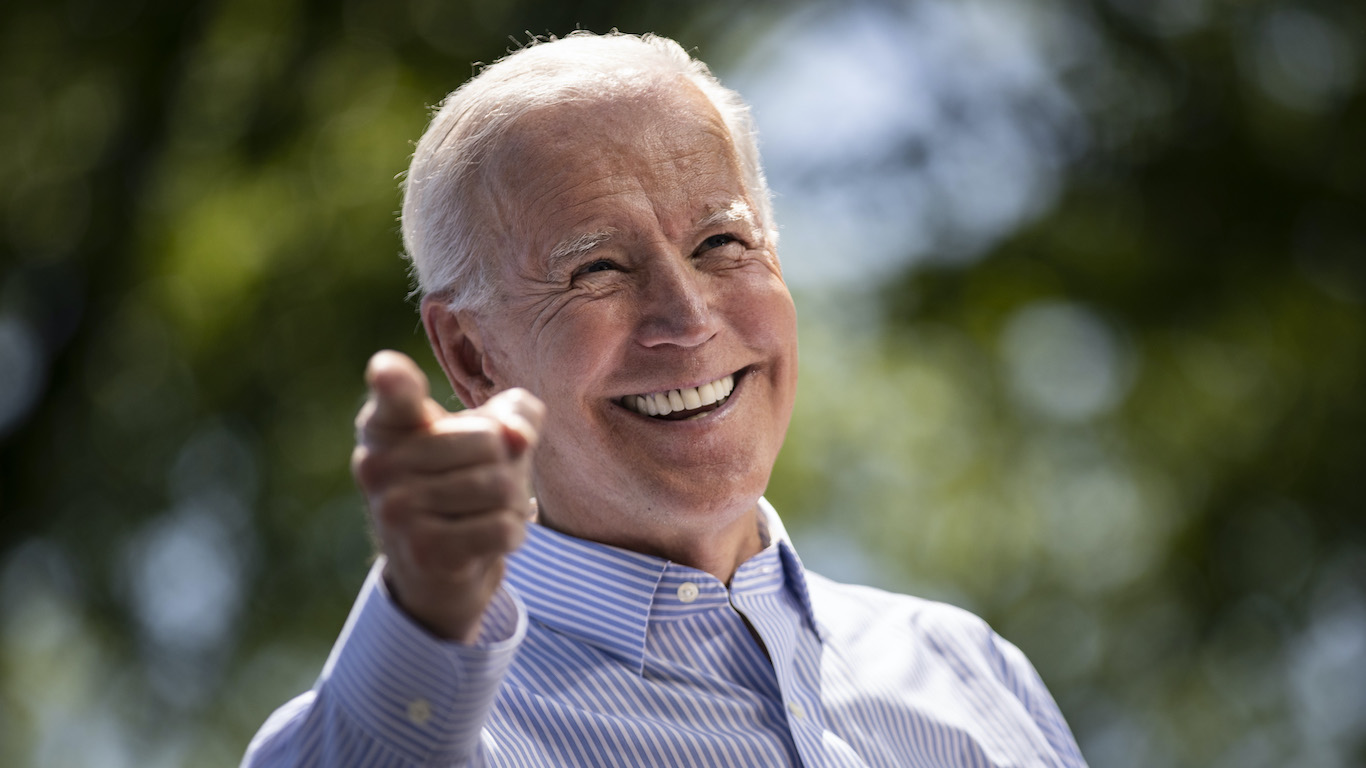
. . . . President-elect Joe Biden completed the major portion of his climate team on Thursday with two picks who will no doubt please progressives looking to make environmental justice a key part of the administration’s clean energy transition policy. Michael Regan, North Carolina’s top environmental leader, was named EPA chief, becoming the second Black to hold the position. Rep. Deb Haaland (D-NM) was named the first native American to run the Department of the Interior, which oversees among other things, tribal lands. Regan and Haaland give the Biden team a much more-rounded appeal after he had named John Kerry, a long-time Washington insider and global diplomat as his climate czar and Gina McCarthy, another insider and former EPA chief under Obama, as his domestic climate head. Brian Deese, the former head of sustainability at BlackRock, brings the Wall Street angle to the party as Biden’s top economic aide. Something for everyone. Whether they can all work together is another story. . . .
Where oil be trading in January, 2032
. . . . The current long-dated futures contract for oil suggests that oil traders believe prices will be as much as 20% lower in 11 years time than they are today, writes Mark Hulbert. While that may be good news for those hoping to cut fossil fuel production and transition to a renewable energy market, it could portend hard times ahead for some alternative energy companies and, in fact, prolong the transition.
This has profound consequences for the petroleum industry, needless to say. Less obvious is that it will also greatly affect the market for alternative energy, much of which is competitive only if oil’s price is far higher. That suggests that, for alternative energy companies, things may become a lot worse before they get better. . . .
EU notebook: Why the math in Europe’s climate deal doesn’t add up for some
. . . . The ink was barely dry on Europe’s new climate action plan to cut 55% of emissions within a decade when it was attacked from all sides, including from young activists such as Greta Thunberg, writes Vish Gain. Celebrated as a glass-half-full target, the activists claim it’s not even that.
But there’s a bigger problem with EU leaders celebrating the glass-half-full target. Apart from being not enough, the 55% figure is also based on 1990 emission levels and not on current levels. Because emissions have reduced since 1990, the actual reduction between now and 2030 will be significantly lower — with Thunberg’s article estimating the real figure at 42%. . . .











 Top Gaining Stocks
 Top Losing Stocks