



By David Callaway, Callaway Climate Insights
President Biden’s calls for an unprecedented national effort to cut greenhouse gas emissions at least 52% by the end of the decade were still ringing through global capitals this past weekend when the results of the U.S. 2020 census came out and abruptly ended his honeymoon period before its first 100 days.
Suddenly, the deadline for efforts to transform the U.S. economy into a renewable-energy using, electric-vehicle driving, carbon-burying new world was not 2030, nor even 2024 when Biden seeks re-election, but the midterm elections of 2022.
The GOP promptly seized on the census results, which will shift a net three seats to red states, to begin plotting a campaign strategy; one heavily focused on diffusing the climate initiatives and the increased taxes that go with them. The result means the president needs to push his infrastructure bill through in some form – or forms – by September at the latest to have the opportunity to show it can create jobs and improve racial justice by the midterms (See Wednesday’s insights below).
Any delays into next year would be difficult to swallow, and place the U.S. bid for climate leadership at risk on the global stage even before it’s had a chance to prove its worth. The incentive for Biden to quickly push through the parts of the plan that have bipartisan appeal, such as the transportation portion and the conversion of homes and buildings to renewable energy, is suddenly laser-focused.
The efforts to mitigate climate change will always be hampered by politics. The growing acceptance of an economic transition by business and finance in the past 12 months will certainly help push Biden’s plans along, but the timeline to show results has just shrunk to 18 months.
More insights below. . . .
Wednesday’s subscriber insights: A sample of our best offerings
. . . . The shift in seats in the House of Representatives from blue to red states puts President Biden’s climate plans squarely in the crosshairs of GOP campaign strategists for 2022, and it’s not hard to see that the battle will be over jobs. Read more here. . . .
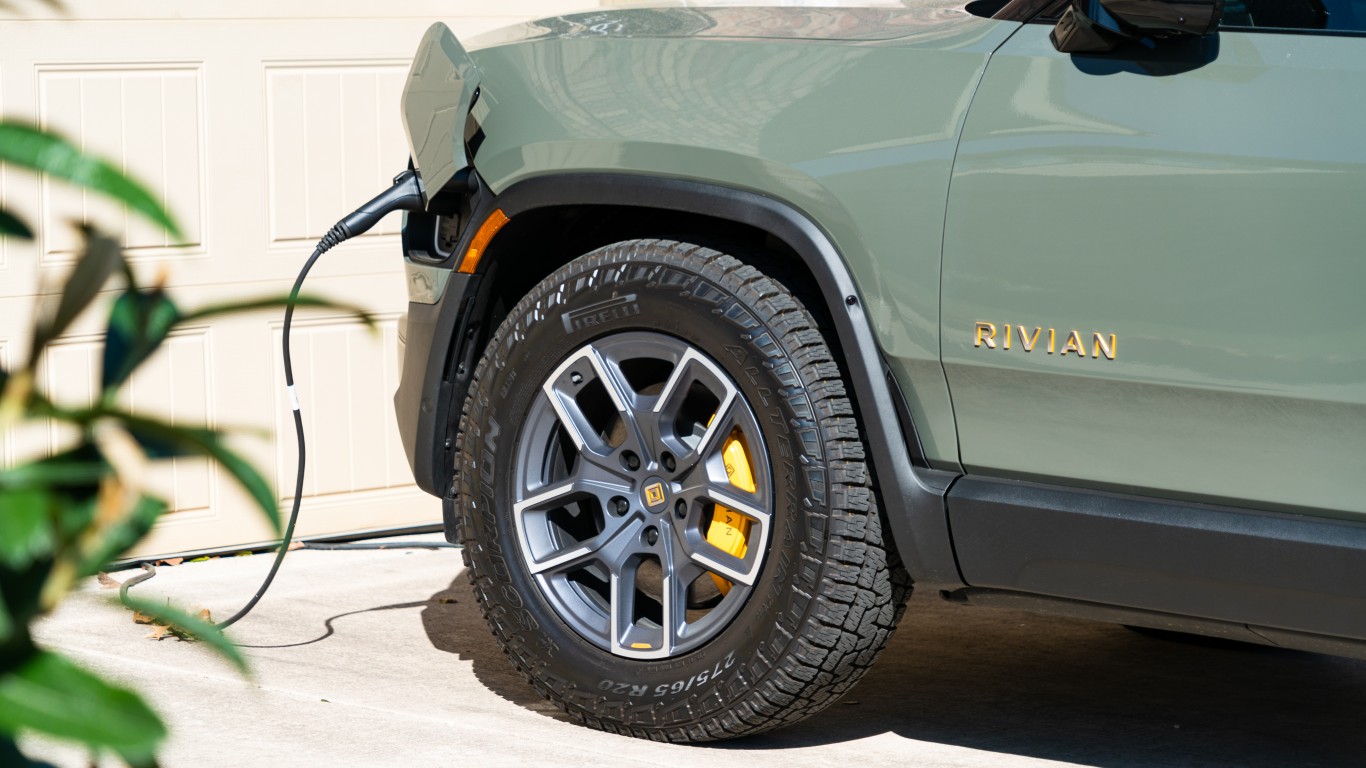
. . . . Expectations for a boom in electric vehicles in the next decade are starting to make some car manufacturers think about the flip side of all those new lithium-ion batteries on the road — how to dispose of them. Read more here. . . .
. . . . QuantumScape’s performance over the past six months can be compared to a Kentucky Derby horse who broke from the gate strong, then got bumped on the first turn. Its comeback in the past few days shows there is still a lot of race left for the future of electric vehicle batteries, as far as investors are concerned. Read more here. . . .
Data driven: Bitcoin’s electric bill
. . . . Bitcoin mining currently consumes electricity equal to an annualized rate of roughly 120 terawatt hours (TWh) of electricity a year, according to analysis completed by the University of Cambridge, nearly double what it consumed at the beginning of 2020. Last year, the same university released a report detailing that just 39% of energy used for Bitcoin mining came from renewables, meaning that bitcoin mining usage of fossil-fuel-powered electricity is about the same as the country of Chile’s entire electricity consumption total in 2019. All told, bitcoin’s power consumption is about the same as the United Arab Emirates and half of Spain.
Bitcoin mining is what maintains the currency and keeps it viable, both by processing transactions completed by bitcoin users and solving computationally-intensive puzzles that get arbitrarily more difficult to solve each year, essentially to prevent inflation. The bulk of mining happens in China, with its 65.08% mining share blowing the U.S. and Russia’s shares of about 7% out of the water. About 65% of miners in the Asia-Pacific surveyed by the University of Cambridge use coal as a power source. The University of Cambridge cites lower hardware costs for miners in China due to their proximity to hardware manufacturers. — George Barker . . . .











 Top Gaining Stocks
 Top Losing Stocks