


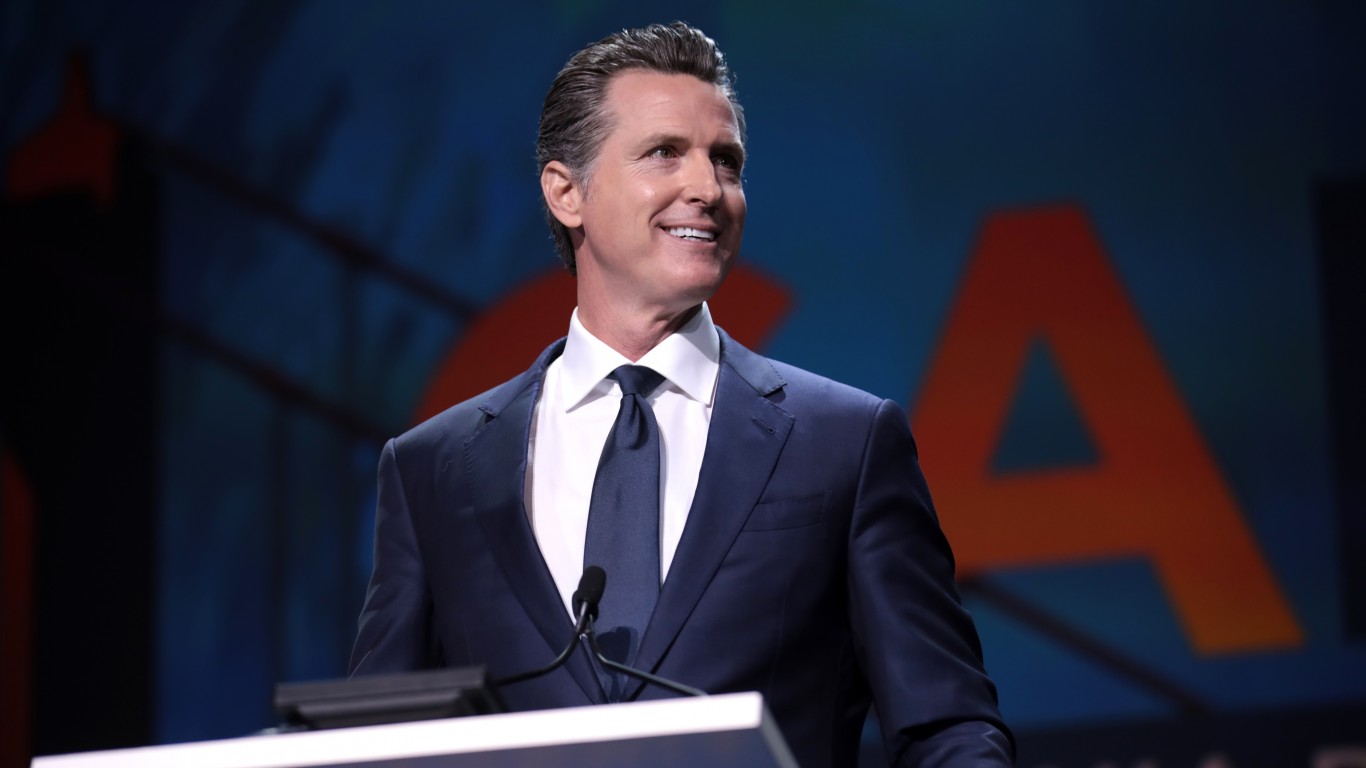
California Gov. Gavin Newsom took another big step this week toward locking himself in as the climate candidate in the 2024 presidential election, pushing $54 billion through the statehouse in new spending on climate initiatives tied to electric vehicles and transit, fighting wildfires and shoring up the state electricity grid.
But even those admirable goals — meant to reduce the state’s emissions by 85% in the next two decades and following a landmark plan last week to stop sales of new gas-powered cars by 2035 — look dicey in the face of the state’s desperate need for more power right now.
As the dreaded heat dome settles in on us here in California this weekend, with temperatures expected to hit 110°F. in some places near Los Angeles, everyone is being asked to conserve electricity to avoid blackouts. Including, and get this, not charging electric vehicles.
It is an odd conundrum of our climate battle that even as we race to transition to electric-powered everything, we don’t have enough electricity to even start that migration. As part of Newsom’s climate plan, authorities agreed to keep the state’s only remaining nuclear power plant, Diablo Canyon, open another five years past its original closure date of 2024 or 2025.
Newsom’s bet that climate will emerge in the midterms this year as a real election issue and be even bigger in 2024 looks increasingly smart as political calculus. Climate has already emerged in elections in Australia, Germany, and in northern Europe. But as California’s energy crisis demonstrates, the transition itself is going to be as messy as any election ever was.
More insights below . . . .
This is the real value of greenhouse gas emission estimates
. . . . Investors looking for stocks of companies that plan to reduce their emissions to net zero over the next 20 or 30 years are barking up the wrong environmental, social and governance (ESG) tree, according to Mark Hulbert. Citing a new European study on corporate disclosure and intentions, Hulbert reports that neither forward-looking intentions nor past estimates have any relevance at all as far as useful data is concerned, and that only past corporate disclosures — which the SEC is fighting to expand — have any productive potential for investors looking to see how serious companies are about decarbonizing. . . .
A selection of this week’s subscriber-only insights
. . . . Out of sight, out of mind? Like tidal energy, geothermal power is often forgotten in the race for renewables. But it has a lot of positives: Constancy. Mostly visually non-polluting. But it’s very expensive to get it started. A new tool, though, may help with that issue. Read more here. . . .
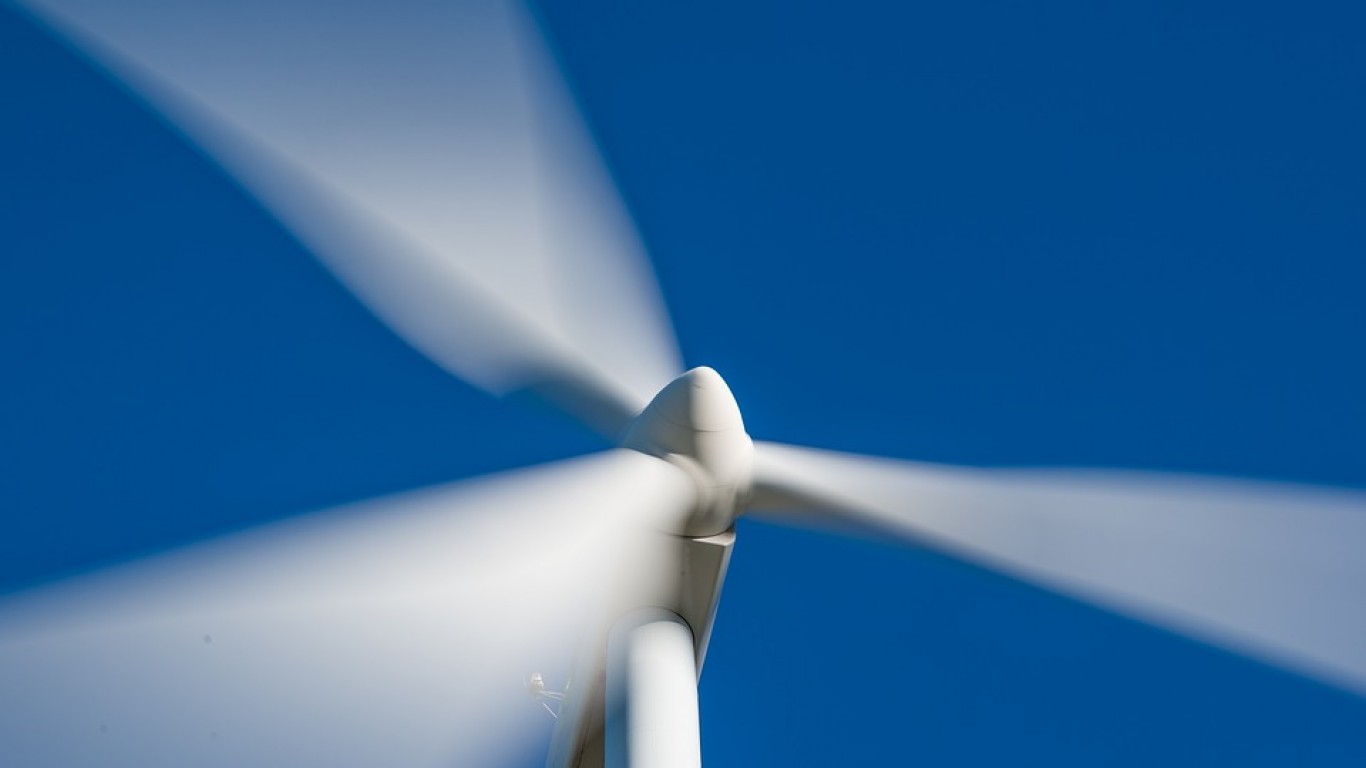
. . . . Wind turbines have pretty much been the same as when they first were invented: a propeller-like appendage on a tower. But there are big issues with this ancient technology, especially when it comes to floating offshore wind power, vital to areas, like the West Coast, where the continental shelf drops away near the shore. A fascinating new invention, contra-rotating turbines, could solve that. Read more here. . . .
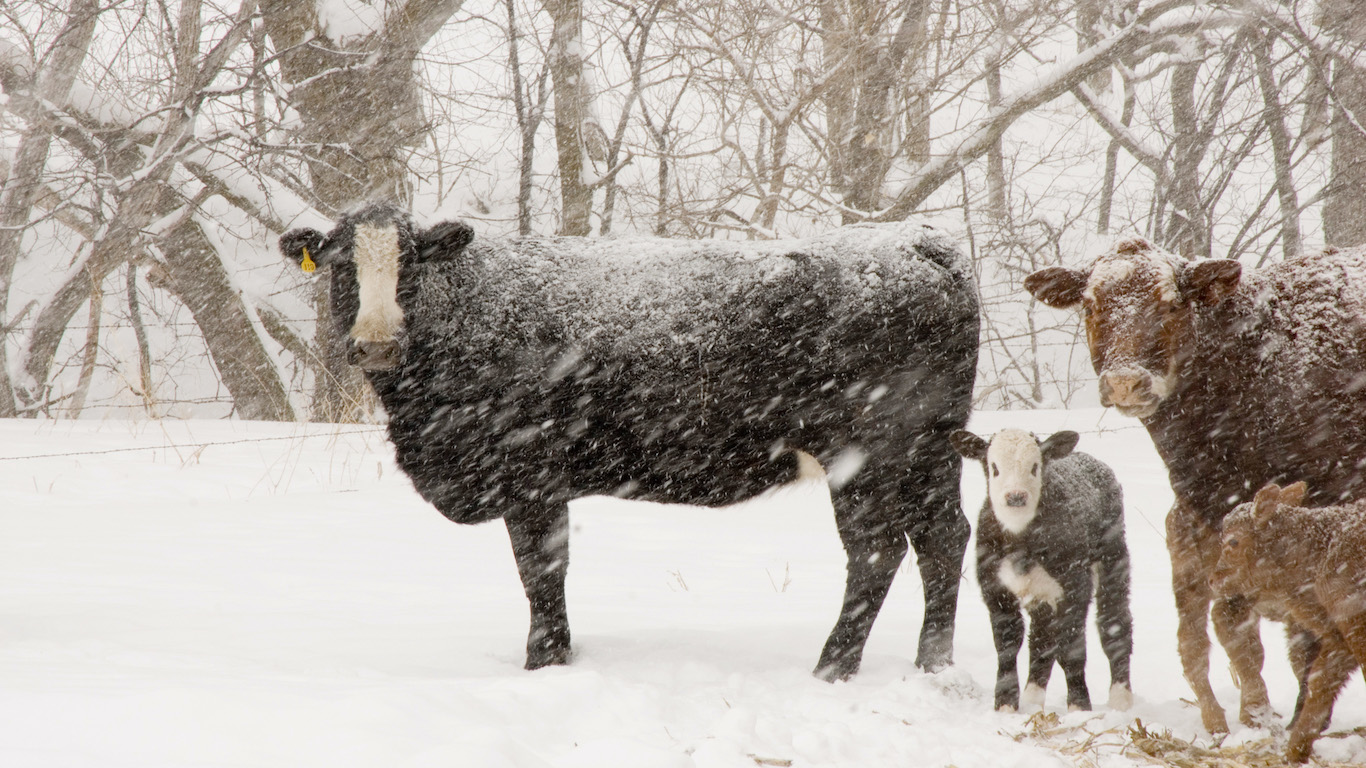
. . . . Did you know that agriculture is responsible for more greenhouse gasses in the U.S. than the whole of the transportation sector? Yes, those cattle and pig belches — and other agriculture emissions — are a serious cause of pollution. Though way behind developments in EVs and renewables, things are beginning to be done. Read more here. . . .
Editor’s picks: Rare ‘triple-dip’ La Niña predicted, IRA Act bucks for green banks
WMO sees rare ‘triple-dip’ La Niña in 2022
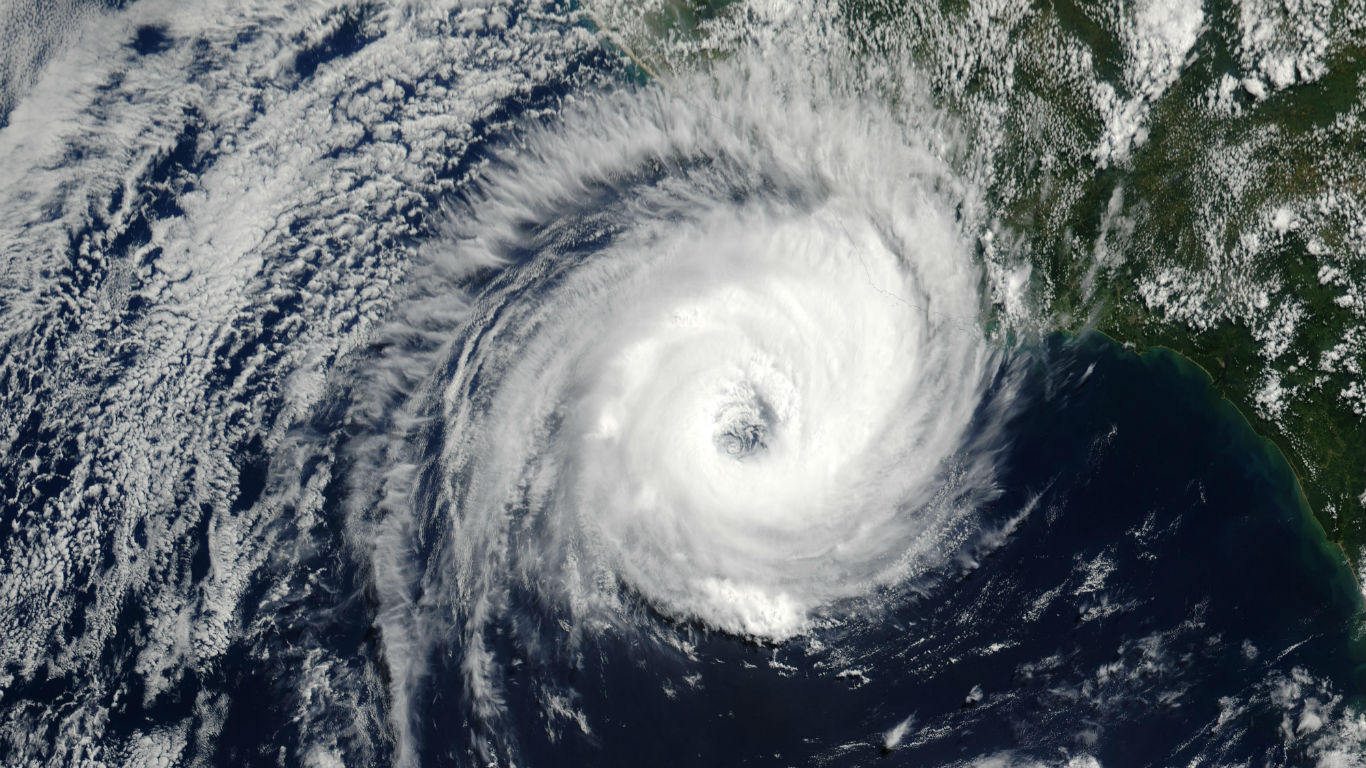
The World Meteorological Organization says the current “protracted” La Niña event will last until at least the end of the year, becoming this century’s first “triple-dip“ La Niña, spanning three consecutive northern hemisphere winters/southern hemisphere summers. The UN’s weather agency said in an update this week, “La Niña conditions in the tropical Pacific have strengthened as trade winds intensified during mid-July to mid-August 2022, affecting temperature and precipitation patterns and exacerbating drought and flooding in different parts of the world.” The WMO notes that La Niña refers to the large-scale cooling of the ocean surface temperatures in the central and eastern equatorial Pacific Ocean, coupled with changes in the tropical atmospheric circulation, namely winds, pressure and rainfall. It usually has the opposite impacts on weather and climate as El Niño, which is the warm phase of the so-called El Niño Southern Oscillation. “However, all naturally occurring climate events now take place in the context of human-induced climate change, which is increasing global temperatures, exacerbating extreme weather and climate, and impacting seasonal rainfall and temperature patterns,” the WMO said.
Green banking advocates eye federal support
Members of the financial industry are seeking federal funding for green banks to create a national nonprofit that could “jumpstart the clean energy market and help state and local banks,” Alison Bennett writes in a post for S&P Global Market Intelligence. The recent Inflation Reduction Act legislation included $27 billion for green banks through the Greenhouse Gas Reduction Fund. Bennett notes in her post that “debate remains about whether that funding should be directed toward individual green banks, or should be used to create a national bank that could leverage capital and create financial products to generate more money for green banks nationwide.” The Green Bank Coalition and the American Green Bank Consortium, as well as some lawmakers, are pushing for the latter option, saying that direct grants would not be enough to help the industry provide funding across the board.
Words to live by . . . .
“In the years ahead, the only sustainable growth will be green growth. It’s a guarantee of jobs and prosperity for generations to come. It’s a massive opportunity.” — Nick Clegg, former UK deputy prime minister, now president for global affairs at Meta Platforms.






 Top Gaining Stocks
 Top Losing Stocks