



In today’s issue:
— Turns out the best climate news of the week didn’t come from Egypt; behind Biden’s Indonesia deal
— For all its bluster, China is the only major polluter actually cutting emissions
— A big battery acquisition by BlackRock shows renewables M&A is picking up
— International Energy Agency’s new coal emissions report shows 9,000 plants still need to be closed
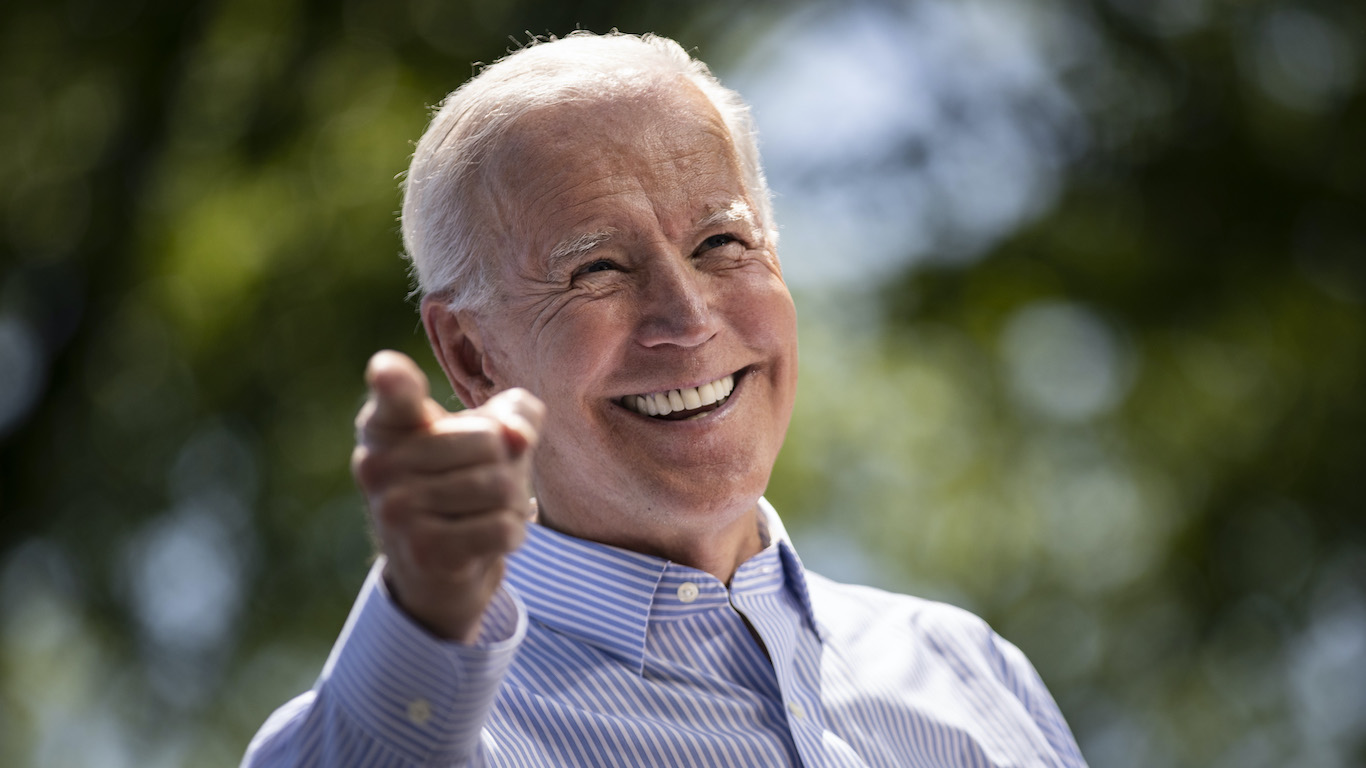
Turns out the biggest climate news of the week didn’t come from Egypt. President Joe Biden took the climate mojo with him from the United Nations climate summit to Asia over the weekend, first thawing relations with China and now sealing a big investment in Indonesia’s transition from coal.
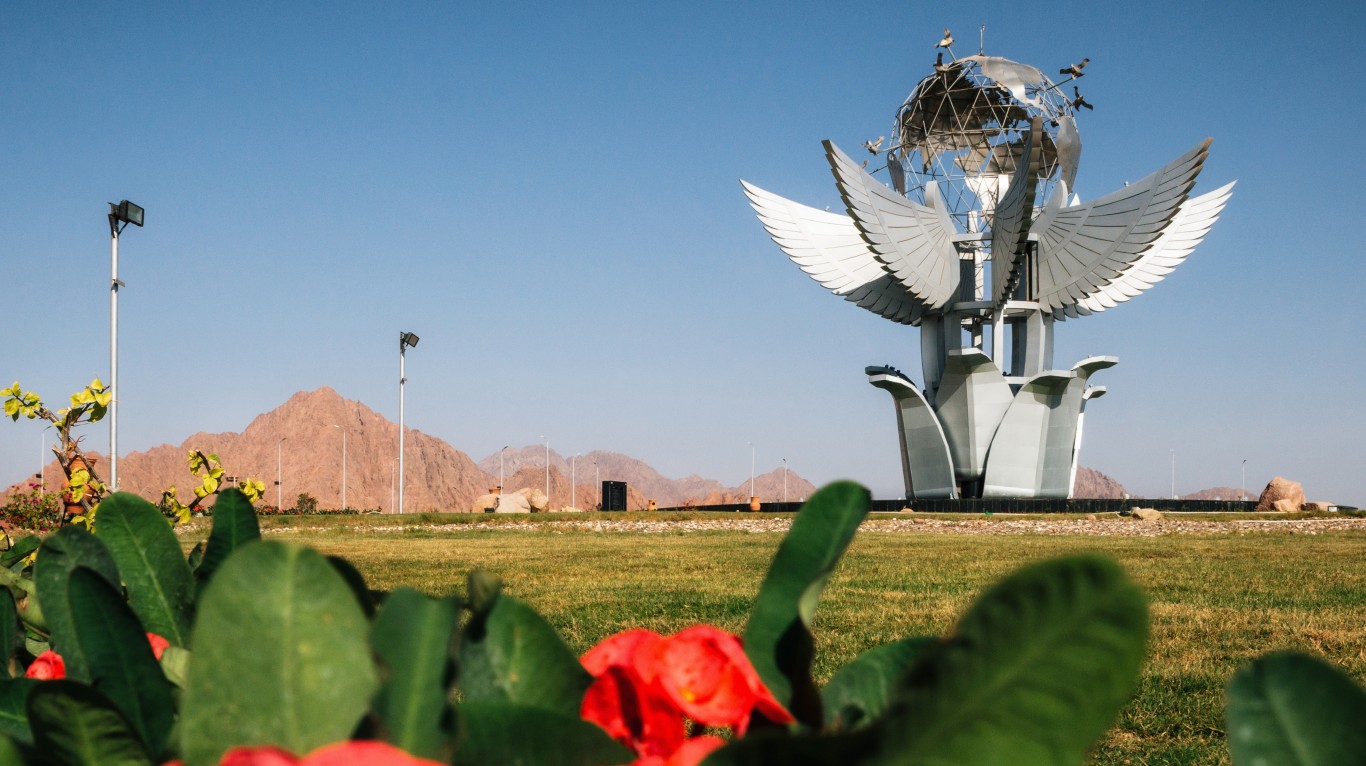
The $20 billion deal for the U.S., Japan, Canada, and the European Union to invest in Indonesia’s shift to renewable energy from coal is far superior to the “loss and damages” reparations African nations are pushing for at COP27 in Sharm El-Sheikh, Egypt in that it involves profit, opportunity, and financial deadlines.
A similar deal was done in South Africa last year and the Indonesia deal will serve as a template for other reported discussions tied to countries such as India and Vietnam. While a chunk of the money will come from loans and grants, which will likely not have returns of any kind, there is equity involved, too — which is why some of the $20 billion will be coming from financial institutions and not government treasuries.
Critics were quick to jump on the deal as being woefully insufficient to handle the true cost of retiring Indonesia’s coal plants, which is likely to be closer to $600 billion. But that is not the point. The world is stuck on how to find a funding mechanism for wealthy countries to help smaller and poorer ones deal with the ravages of global warming, particularly around reducing coal power. The International Energy Agency said today that more than 9,000 coal plants remain open worldwide, including more than 1,900 in the Asia Pacific region not including China. Reparations are not viable. Investing is the answer.
From what we can tell, Biden’s success in Bali with both Indonesia and China is reverberating loudly around Sharm El-Sheikh. Whether it will influence negotiations there remains to be seen. But more public-private deals like this, which measure and reward progress in reducing emissions and shifting to renewables, are the answer.
More insights below . . . .
Subscribe to Callaway Climate Insights to keep reading this post and get 7 days of free access to the full post archives.









 Top Gaining Stocks
 Top Losing Stocks