Offshore wind projects in Eastern U.S. face new obstacle

Photo of Trey Thoelcke
By Trey Thoelcke Updated Published
This post may contain links from our sponsors and affiliates, and Flywheel Publishing may receive compensation for actions taken through them.
Offshore wind projects in Eastern U.S. face new obstacle

© criminalintent / Flickr

In today’s edition:

— The Biden Administration’s ambitious offshore wind strategy faces new pressure, this time from the government itself
— A heartbreaking reminder of why Germany has rejected nuclear power
— Winners and losers in the race for EV subsidies
— Here’s a country-by-country breakdown of per capita emissions
— Corporate annual meeting season begins with a climate resolution against Exxon

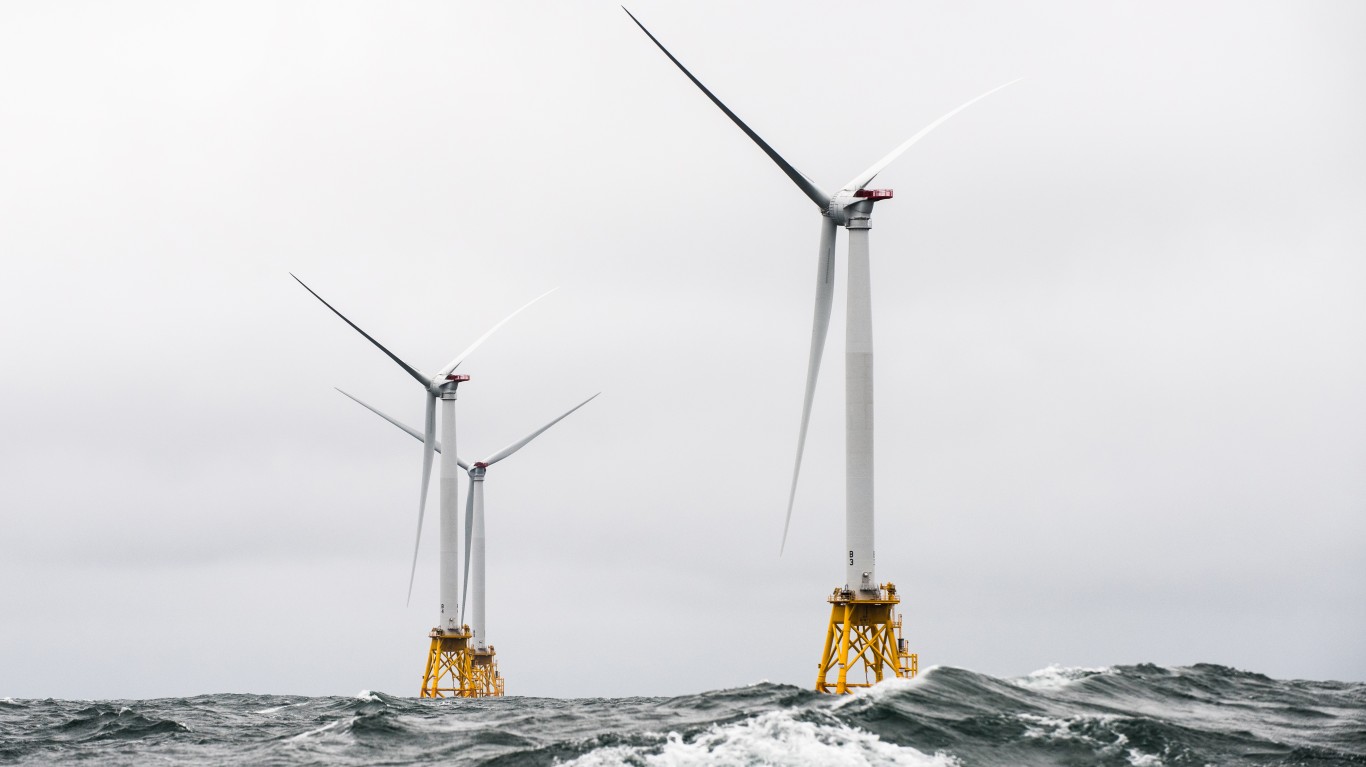
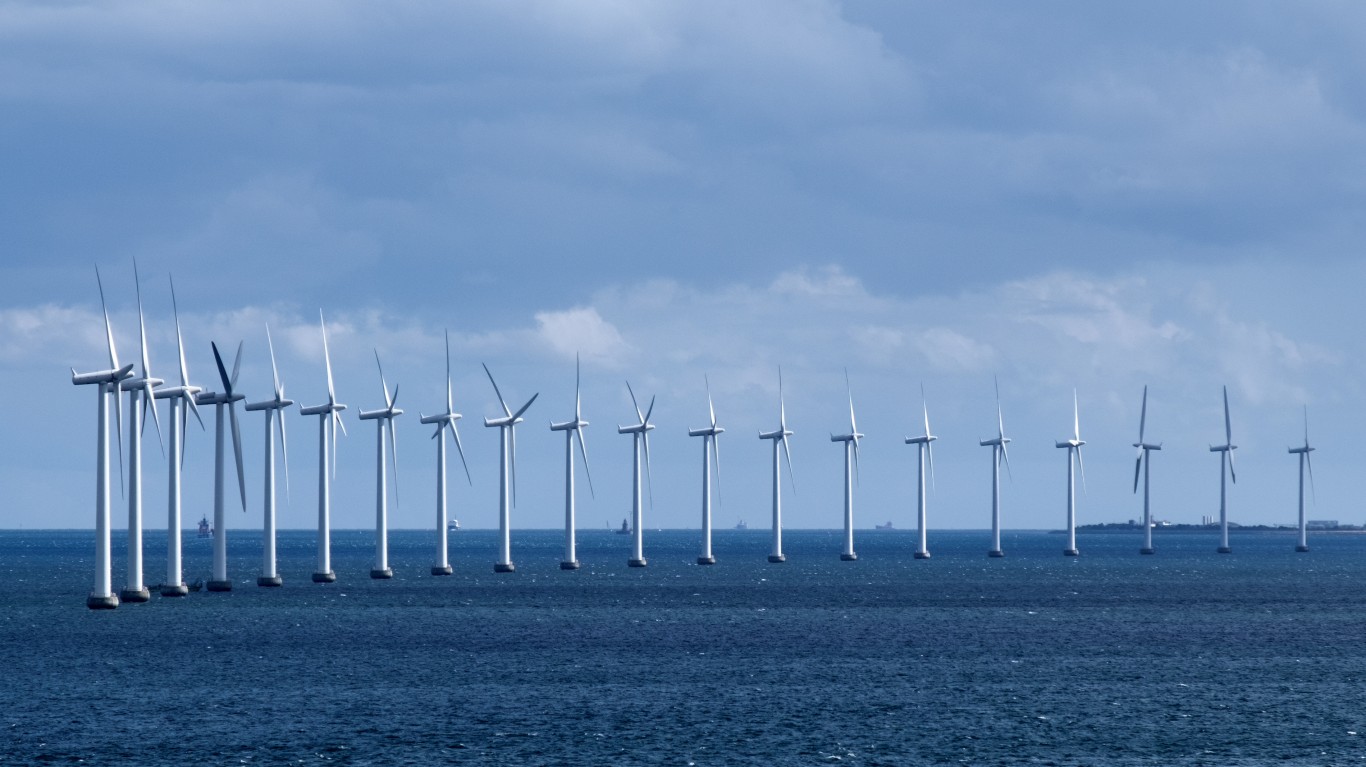
The Biden Administration’s ambitious plans to build a wall of offshore wind projects along the mid-Atlantic coast, already besieged by opposition from coastal communities and the fishing industry, faces a new challenger — the government itself.

Specifically, the Pentagon, which warned this week that almost all of the areas targeted by the plan for up to 30 gigawatts of new wind power by the end of the decade are in sensitive areas for military operation. The military has opposed oil rigs in certain offshore areas in the past, as well as West Coast wind leases in Southern California.

We’ve no doubt the government will find a way to appease the military and find different areas for it to conduct operations, including bombing training runs. But any big delays will be bad news for the international renewable power companies investing in the projects, which will cost billions of dollars.

Like nuclear power plants and oil drilling operations, wind power turbines are incredibly expensive and involve long-term investment, especially when we’re talking dozens of miles offshore in the volatile Atlantic Ocean. While the benefits to the country — and the military — from developing this important renewable power source, are enormous, it will be harder to raise funds for these projects if costly delays become a reality.

This challenge needs to be resolved in quick order.

Subscribe to Callaway Climate Insights to keep reading this post and get 7 days of free access to the full post archives.


Photo of Trey Thoelcke
About the Author Trey Thoelcke →

Trey has been an editor and author at 24/7 Wall St. for more than a decade, where he has published thousands of articles analyzing corporate earnings, dividend stocks, short interest, insider buying, private equity, and market trends. His comprehensive coverage spans the full spectrum of financial markets, from blue-chip stalwarts to emerging growth companies.

Beyond 24/7 Wall St., Trey has created and edited financial content for Benzinga and AOL's BloggingStocks, contributing additional hundreds of articles to the investment community. He previously oversaw the 24/7 Climate Insights site, managing editorial operations and content strategy, and currently oversees and creates content for My Investing News.

Trey's editorial expertise extends across multiple publishing environments. He served as production editor at Dearborn Financial Publishing and development editor at Kaplan, where he helped shape financial education materials. Earlier in his career, he worked as a writer-producer at SVE. His freelance editing portfolio includes work for prestigious clients such as Sage Publications, Rand McNally, the Institute for Supply Management, the American Library Association, Eggplant Literary Productions, and Spiegel.

Outside of financial journalism, Trey writes fiction and has been an active member of the writing community for years, overseeing a long-running critique group and moderating workshop sessions at regional conventions. He lives with his family in an old house in the Midwest.

Continue Reading

Top Gaining Stocks

CBOE Vol: 1,568,143
PSKY Vol: 12,285,993
STX Vol: 7,378,346
ORCL Vol: 26,317,675
DDOG Vol: 6,247,779

Top Losing Stocks

LKQ
LKQ Vol: 4,367,433
CLX Vol: 13,260,523
SYK Vol: 4,519,455
MHK Vol: 1,859,865
AMGN Vol: 3,818,618