


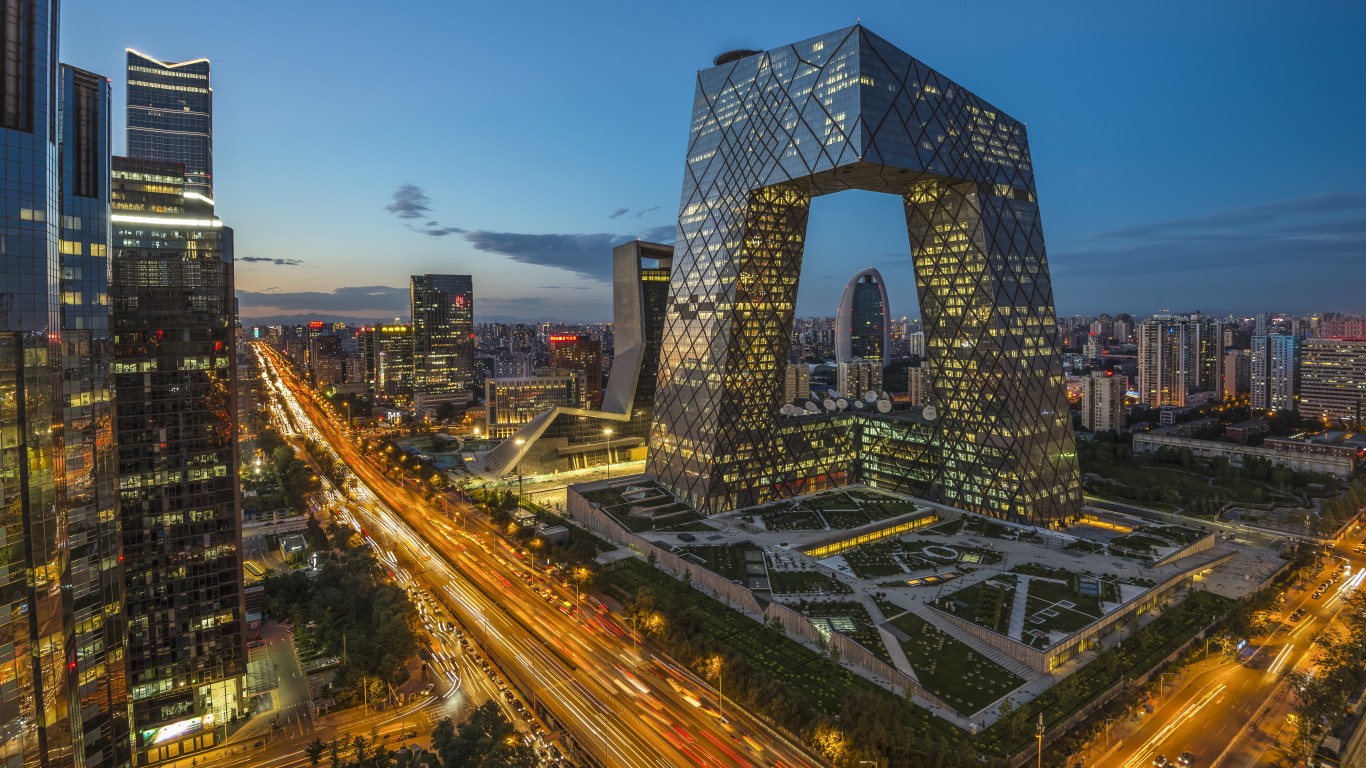
Apple has removed multiple generative AI apps from its China App Store as the country is set to enact new regulations for the technology this month. AI apps operating in China must obtain an administrative license as part of the new rules.
China’s AI Regulations Set to Become Effective Soon
In July, China introduced a series of measures to regulate generative AI services, including API providers. One essential requirement is the need for AI apps operating in China to obtain an administrative license.
As the August 15 deadline for China’s new generative AI regulations comes closer, Apple has proactively removed multiple generative AI apps from its China App Store. Chinese developers received notifications from Apple informing them of their apps’ removal.
In its letter to OpenCat, a native ChatGPT client, the tech giant cited “content that is illegal in China” as the reason behind the app removals. “As you may know, the government has been tightening regulations associated with deep synthesis technologies (DST) and generative AI services, including ChatGPT,” Apple said, adding:
“DST must fulfill permitting requirements to operate in China, including securing a license from the Ministry of Industry and Information Technology (MIIT). Based on our review, your app is associated with ChatGPT, which does not have requisite permits to operate in China.”
According to screenshots shared by tech blogger @foxshuo, the tech giant has already removed over 100 AI apps from the China App Store. “It should be that Apple has done batch operations in response to compliance requirements,” the user wrote in a recent tweet.
China Leads Efforts to Regulate AI
China has been at the forefront of regulating the thriving generative AI space, mainly due to the proliferation of apps using large language models like ChatGPT. The opaque nature of these language models has caused concerns for China’s cyberspace censors, the country’s top internet regulator.
The regulator, which aims to ensure that no illegal or politically sensitive information slips through the cracks, might find it challenging to address risks coming from AI tools. Therefore, they are pushing for licensing requirements like those imposed on other internet sectors, such as video games.
It is worth noting that China’s new regulations could deter many AI developers, especially independent ones with limited resources, from entering the market. Consequently, deep-pocketed internet giants may dominate the generative AI sector, as they possess the necessary resources to navigate the compliance landscape.
Cyberspace Administration of China Says AI Rules to Promote Healthy Businesses
The criteria for obtaining a generative AI license remains unknown. However, in a statement back in July, the Cyberspace Administration of China (CAC) said that the new provisions aim to promote the healthy growth of businesses while reducing potential risks from platforms leveraging deep learning or virtual reality to modify online content.
China’s proposed restrictions cover various aspects, including produced text, picture augmentation, virtual sceneries, and deepfakes. This demonstrates China’s consideration of the broader impact of emerging technologies on system stability.
“The draft regulations had untenable standards for the quality of training data and output accuracy, essentially demanding perfection. The final version walks this way back, obliging companies to take ‘effective measures’ towards these goals,” Tom Nunlist, a technology analyst at research firm Trivium China, said at the time.
In addition to safeguarding its domestic environment, China’s regulatory approach may serve as a blueprint for other countries grappling with similar challenges. The effectiveness of China’s measures can potentially establish a framework that other nations, particularly the public sector, can adopt to detect, flag, and regulate deepfakes.
This article originally appeared on The Tokenist









 Top Gaining Stocks
 Top Losing Stocks