


Before PepsiCo Inc. (NYSE: PEP | PEP Price Prediction) reported quarterly earnings on Tuesday, analysts and others worried that the impact of weight-loss drugs like Ozempic would cut into the company’s sales. Before Delta Air Lines Inc. (NYSE: DAL) reported quarterly earnings on Wednesday, analysts wondered if skinnier passengers would benefit the airlines.
Weight-loss drugs like Ozempic and Wegovy work by mimicking the hormone that tells people’s brains that they are not hungry. It also slows digestion. For companies like PepsiCo that make soft drinks and snack foods, that is not going to increase sales and profits. For airlines, though, thinner passengers can slim down the company’s fuel costs.
The Impact on PepsiCo
The effect of weight-loss drugs on PepsiCo’s third-quarter results was not mentioned. Not in the quarterly report nor in the conference call that followed. The company reported a sequential revenue increase of 7% and a year-over-year increase of 9%. Operating profit was up 20% compared to the second quarter but down 4% year over year. Operating margin rose 1.8% quarter over quarter but dropped 2.1% compared to last year’s third quarter.
If weight-loss drugs had any effect at all on performance, it was hidden. PepsiCo said its profit growth was “primarily driven by effective net pricing and productivity savings.” That meant they were able to raise prices and that the layoffs announced in December were cutting labor costs. Lower labor costs and higher consumer prices were even given credit for partially offsetting a 17 percentage-point increase in commodity costs. Sugar water is not cheap to make.
[nativounit]
The Impact at Delta Air Lines
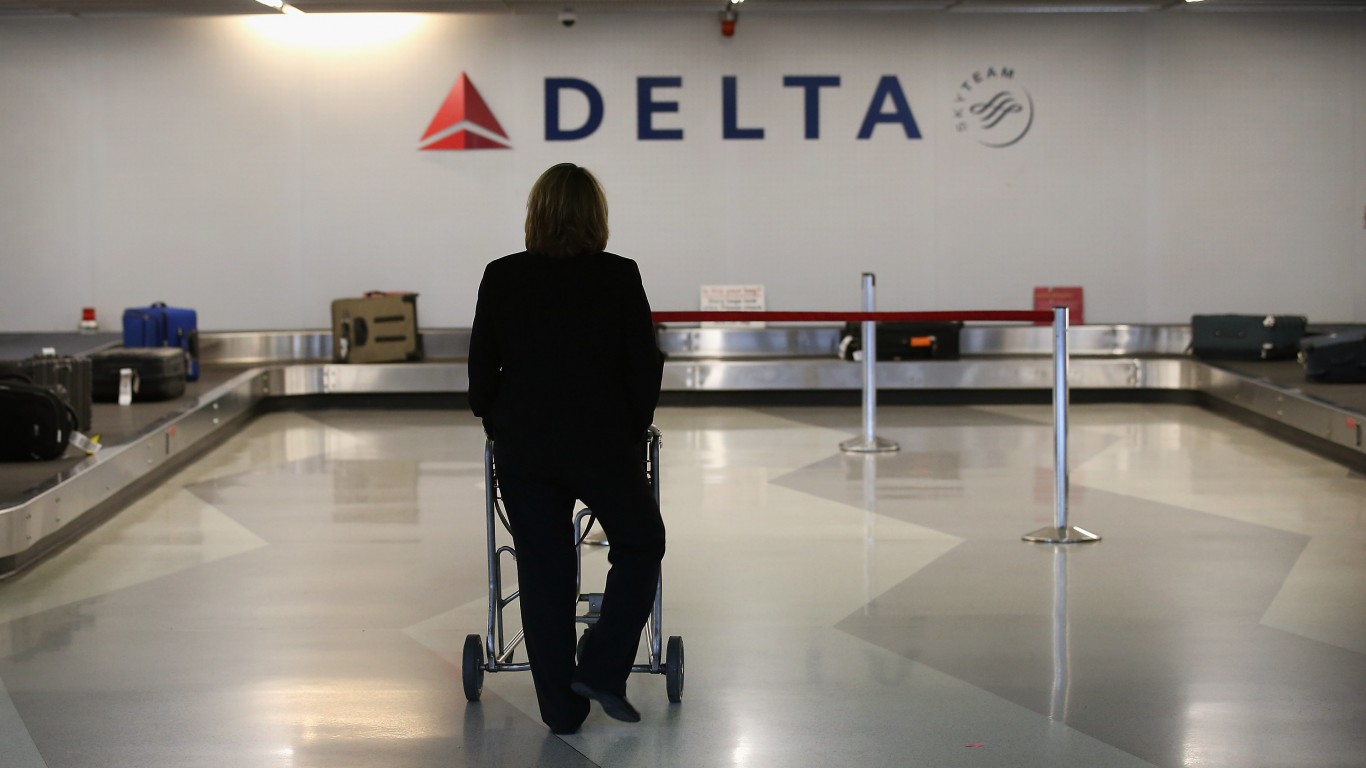
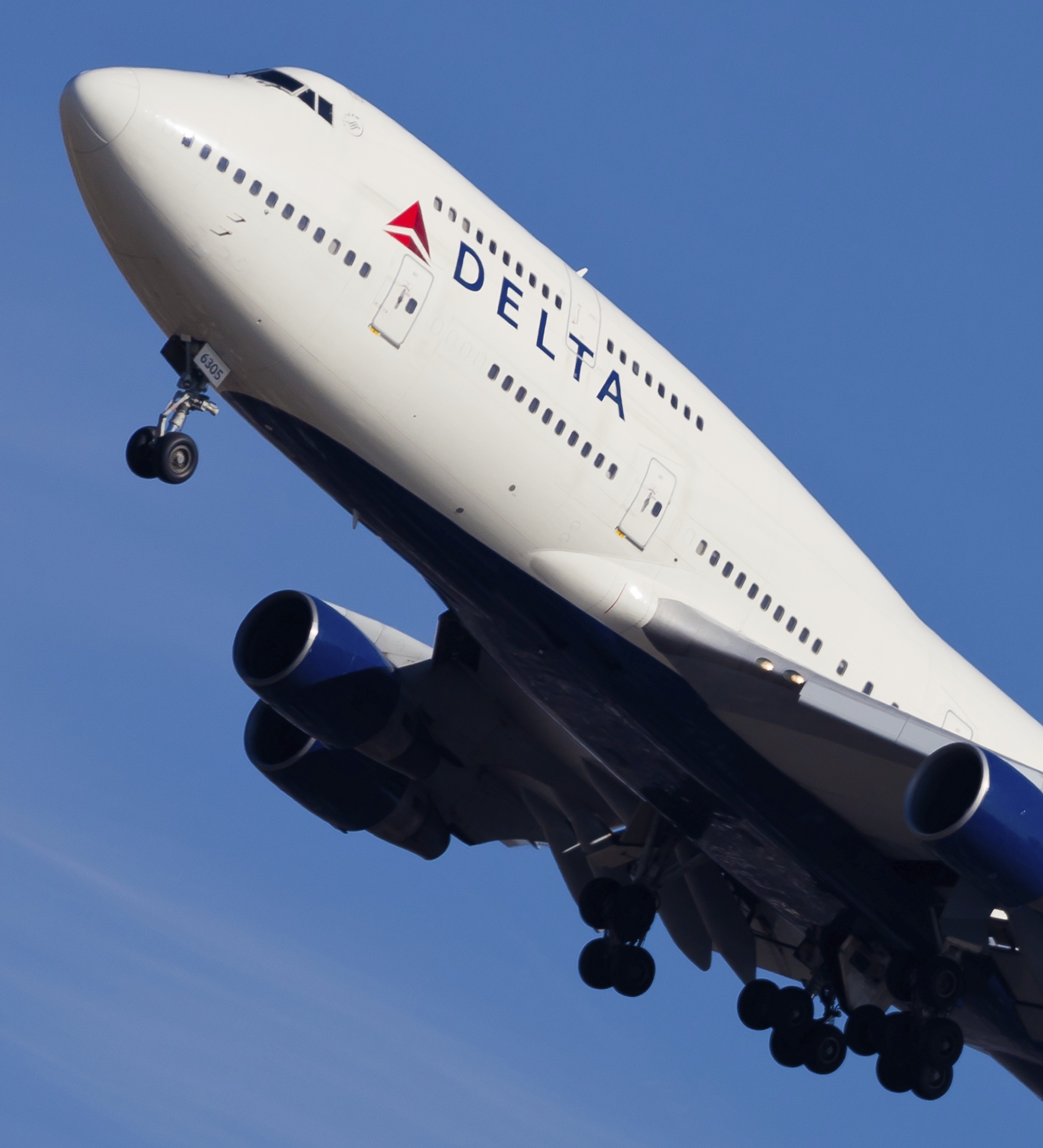
In its quarterly report released Thursday morning, Delta reported that adjusted operating income rose 32% compared to the third quarter of last year. Adjusted operating margin rose 1.9 points, an increase of 19%. Fuel costs fell 10% year over year in the third quarter, largely due to a 21% drop in the average price per gallon.
Delta also raised its guidance for the fourth quarter and the full 2023 fiscal year. The airline expects revenue to rise by 9% to 12% in the quarter and by about 20% compared to fiscal 2022. Delta also expects earnings per share of $1.05 to $1.30 in the fourth quarter and $6.00 to $6.25 for the fiscal year. The fourth-quarter and full-year earnings estimates are near the low end of analysts’ consensus. Even at the low end, Delta’s fiscal year earnings will improve by about 88% compared to fiscal 2022.
The airlines’ conference call does not occur until later Thursday morning. Will analysts even ask about the impact of thinner passengers on fuel costs after Delta posted such a solid report? The airline even set a low bar for the fourth quarter and the fiscal year. That could magnify the impact of weight-loss drugs on its results.
[recirclink id=1322924]
Ozempic’s Impact on Other Companies
Walmart Inc. (NYSE: WMT) U.S. CEO John Furner said last week that sales of these drugs are leading to people buying “slightly less calories.” At the same time, Walmart’s chief financial officer said that customers who take weight-loss drugs “tend to spend more with us overall” even though their food purchases may be lower. Maybe that’s because Ozempic costs around $1,000 for a month’s supply and Doritos cost less than $5 a bag. Revenue from every Ozempic prescription filled is equal to 200 bags of Doritos.
Walmart CEO Doug McMillon said in August that the company expects sales of “food, consumables, and health and wellness” products to rise due to the popularity of weight-loss drugs like Ozempic. Walmart reports quarterly results on November 16.
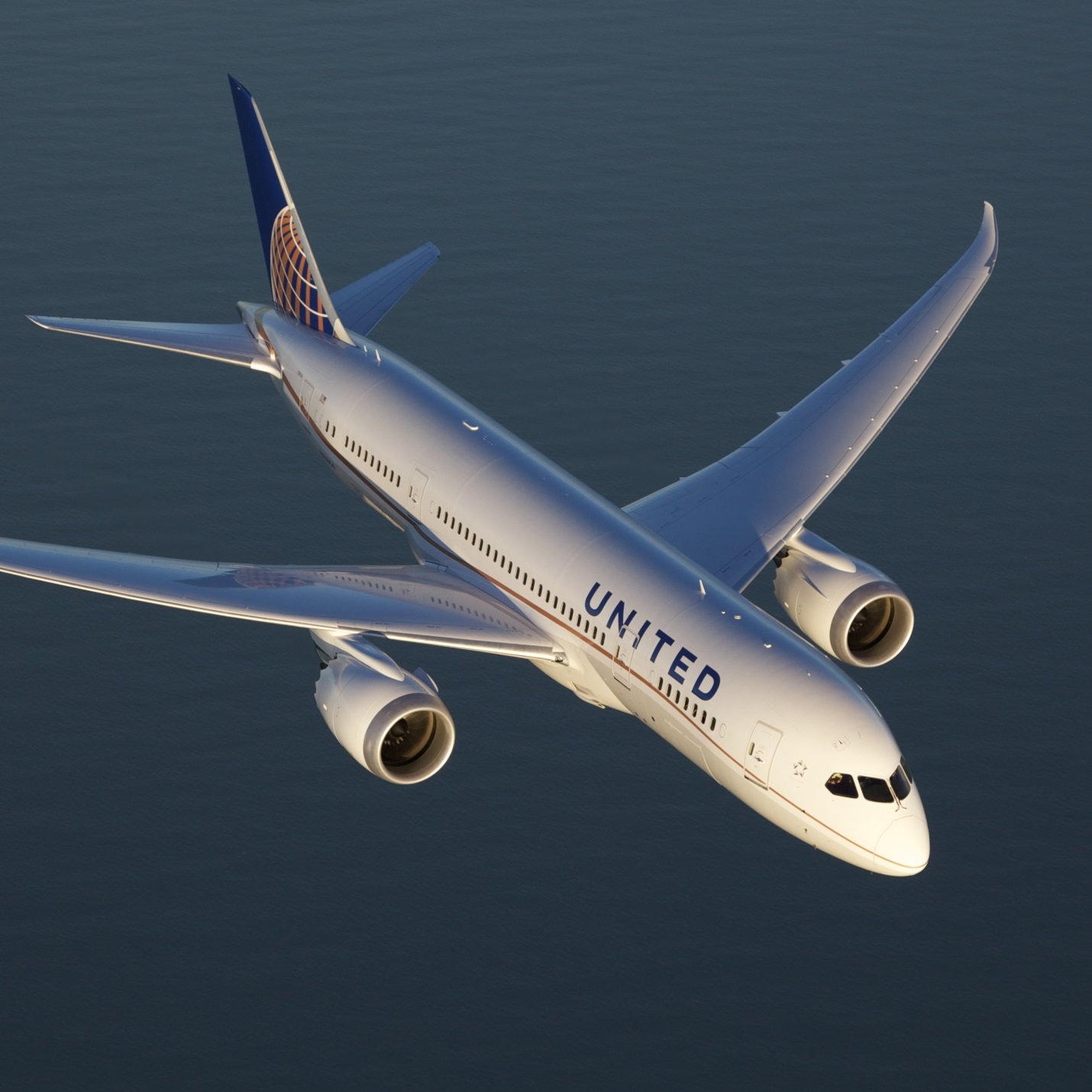
Jefferies analyst Sheila Kahyaoglu told Barrons that United Airlines Holdings Inc. (NASDAQ: UAL) could save $80 million a year (about 1% of total fuel expenses) if every passenger were 10 pounds lighter. Presumably, the rest of the airline industry could see similar savings.
The chances that every airline passenger will lose 10 pounds are slim. Linking weight-loss drugs to non-pharmaceutical profits is unlikely to move the needle much in either direction. It is also worth noting that Ozempic is not always effective and is addictive.
The focus should be on obesity and how to combat the second-most preventable cause of death among Americans. Only smoking is worse.






 Top Gaining Stocks
 Top Losing Stocks