



The Johnson brothers started Johnson & Johnson in 1886
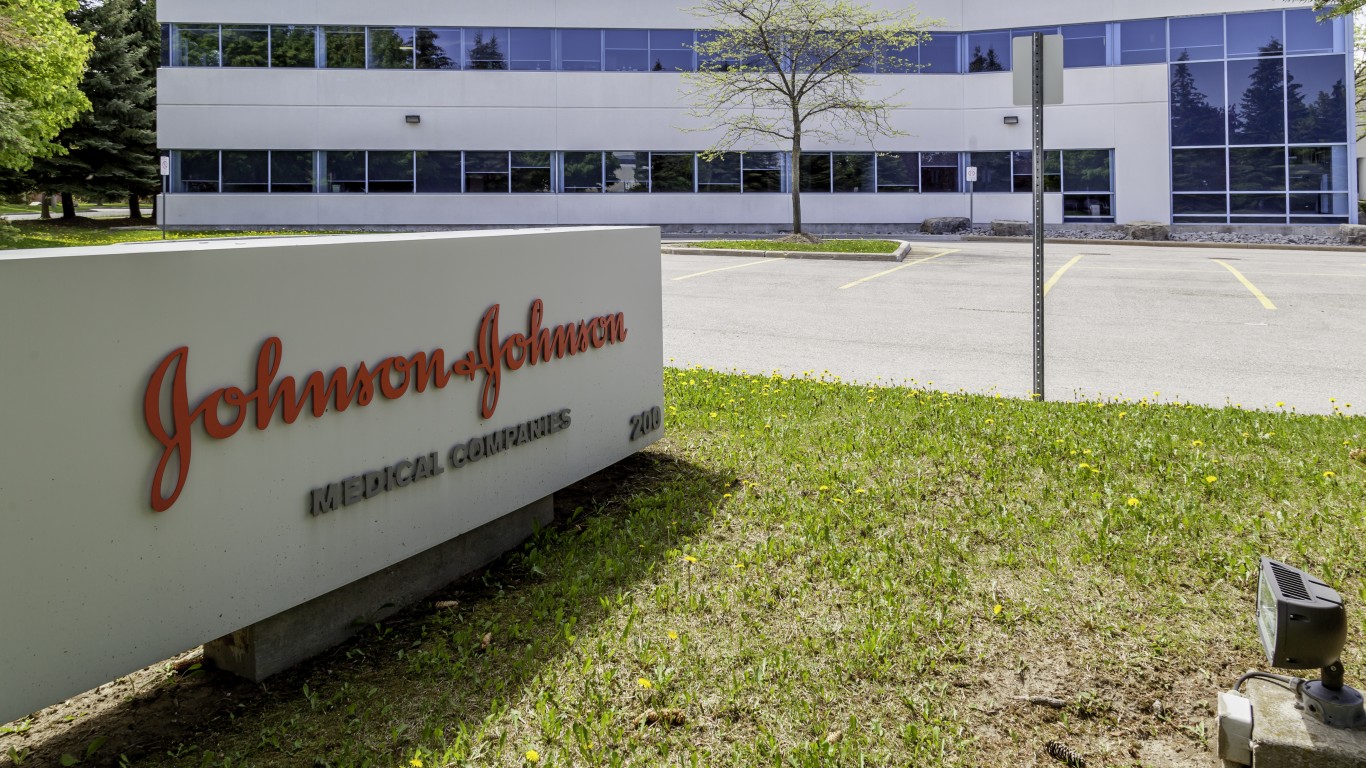
The iconic healthcare giant was started by Robert, James, and Edward Johnson in 1886 after they created a line of ready-to-use sterile surgical dressings. The company’s first factory was in New Brunswick, New Jersey.
The company surged during World War 1
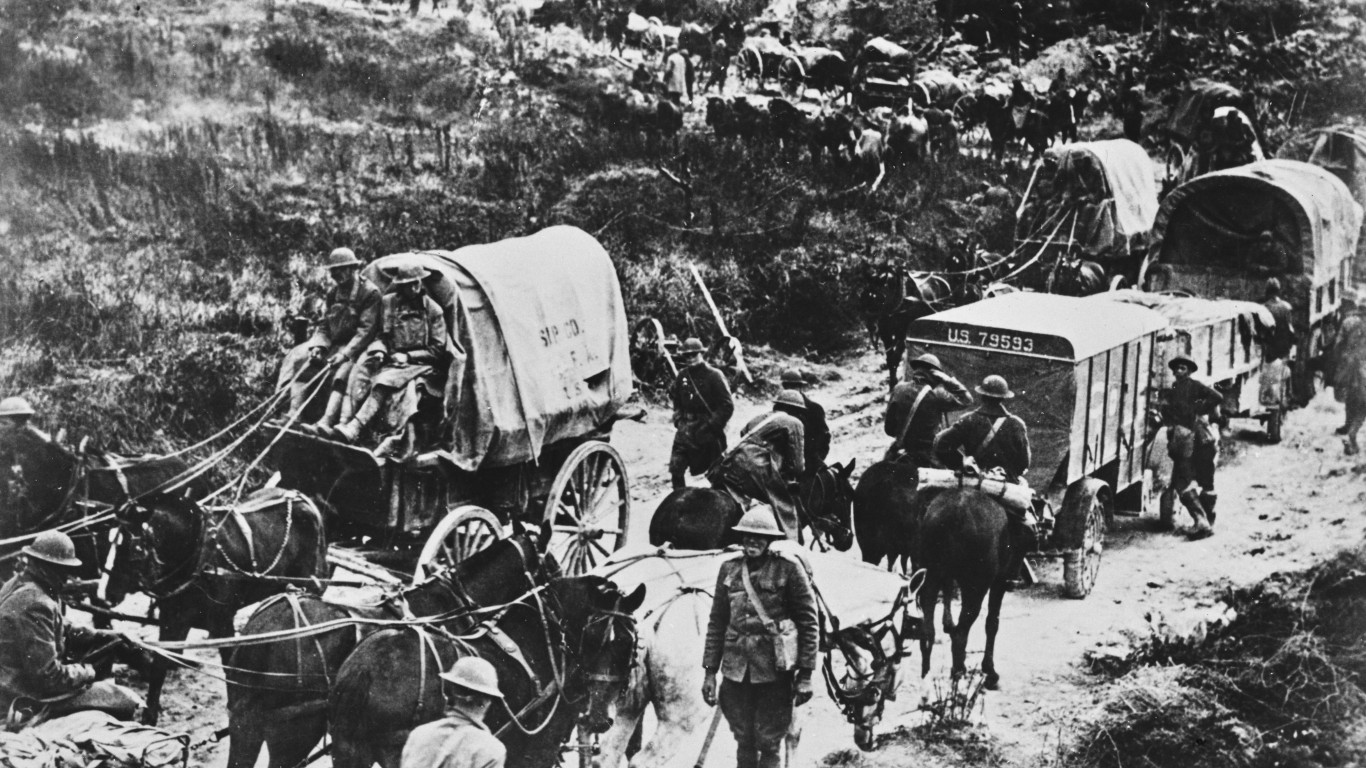
The company expanded rapidly to fill the need for sterile surgical products during the war. When the 1918 flu pandemic broke out, Johnson & Johnson (NYSE: JNJ | JNJ Price Prediction) invented and distributed an epidemic mask that helped to contain the flu.
Johnson & Johnson went public in 1943 and never looked back
Combining bandages with baby oil and a host of additional medical, medical devices and over-the-counter products, the company expanded rapidly, many times acquiring other companies to increase their product silo and capabilities.
Warren Buffett sold all of his Johnson & Johnson
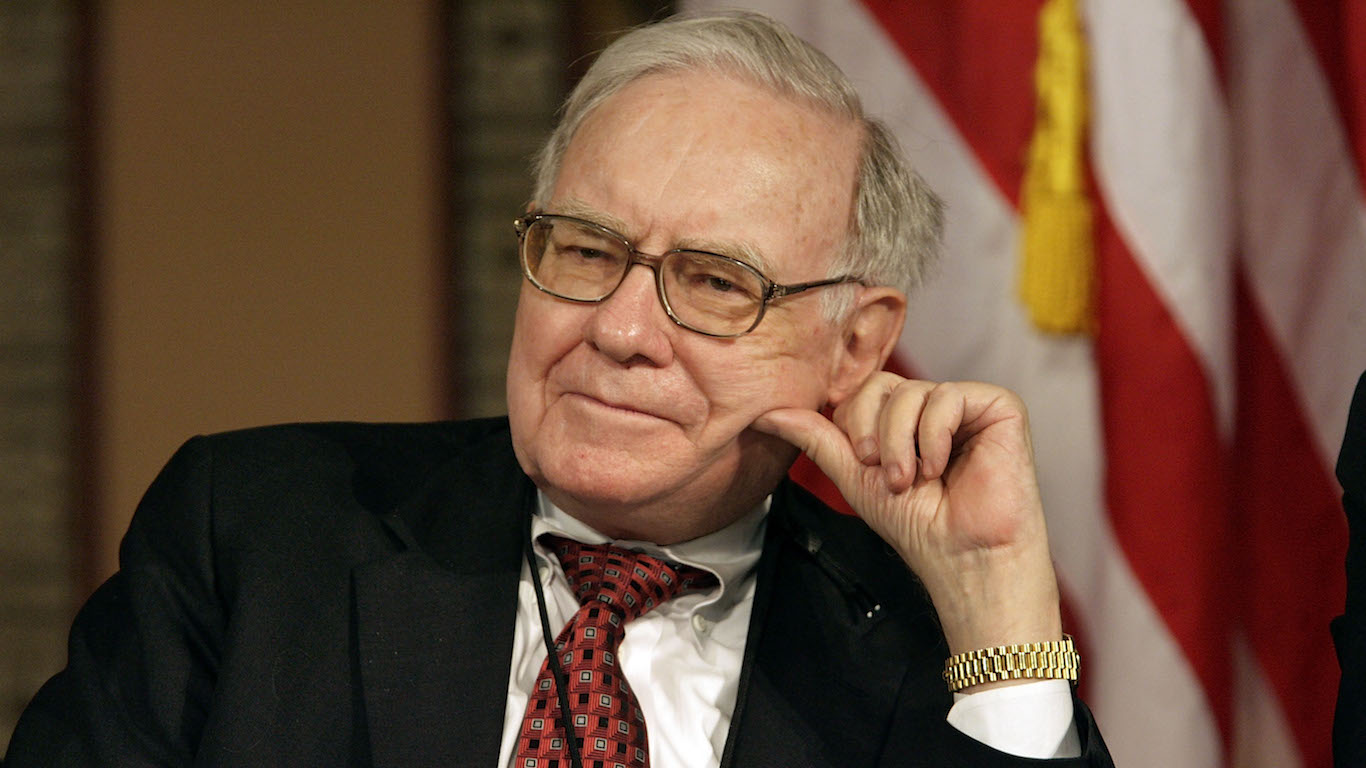
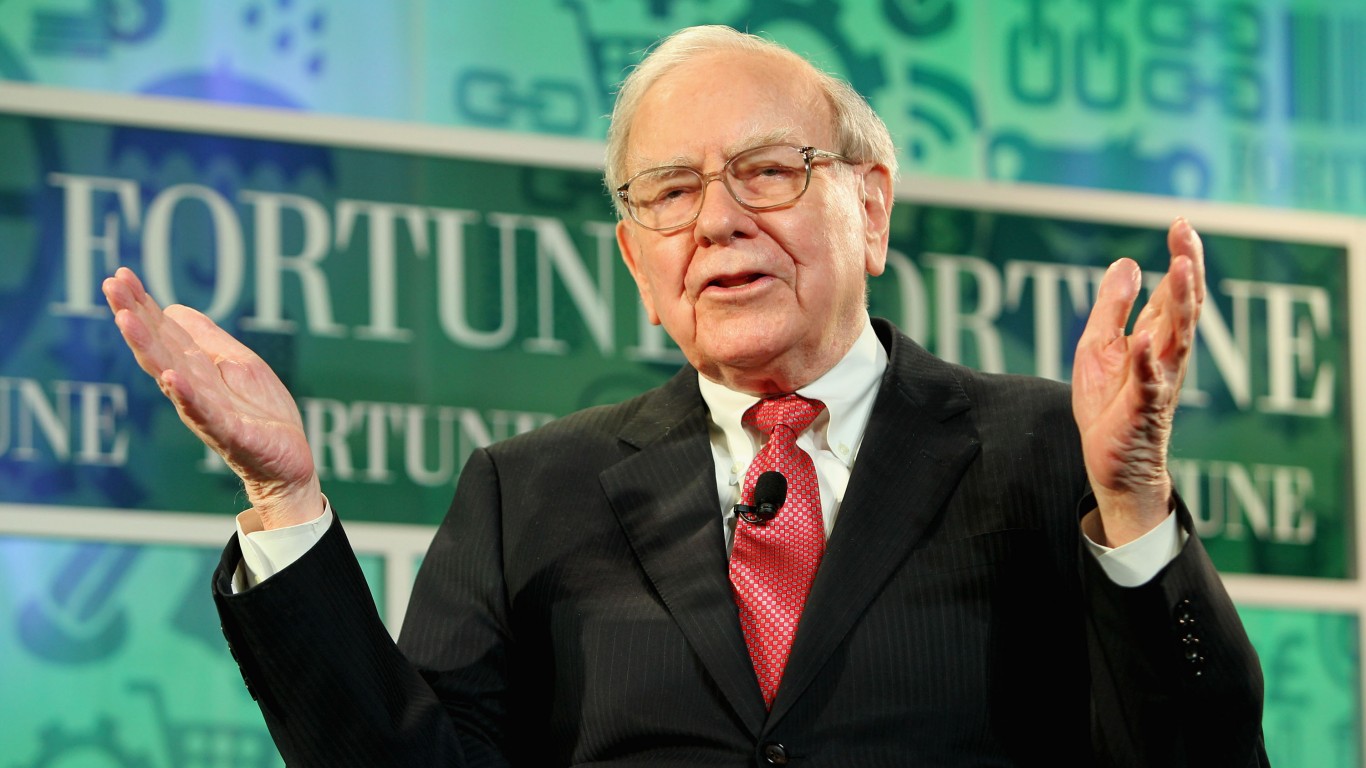
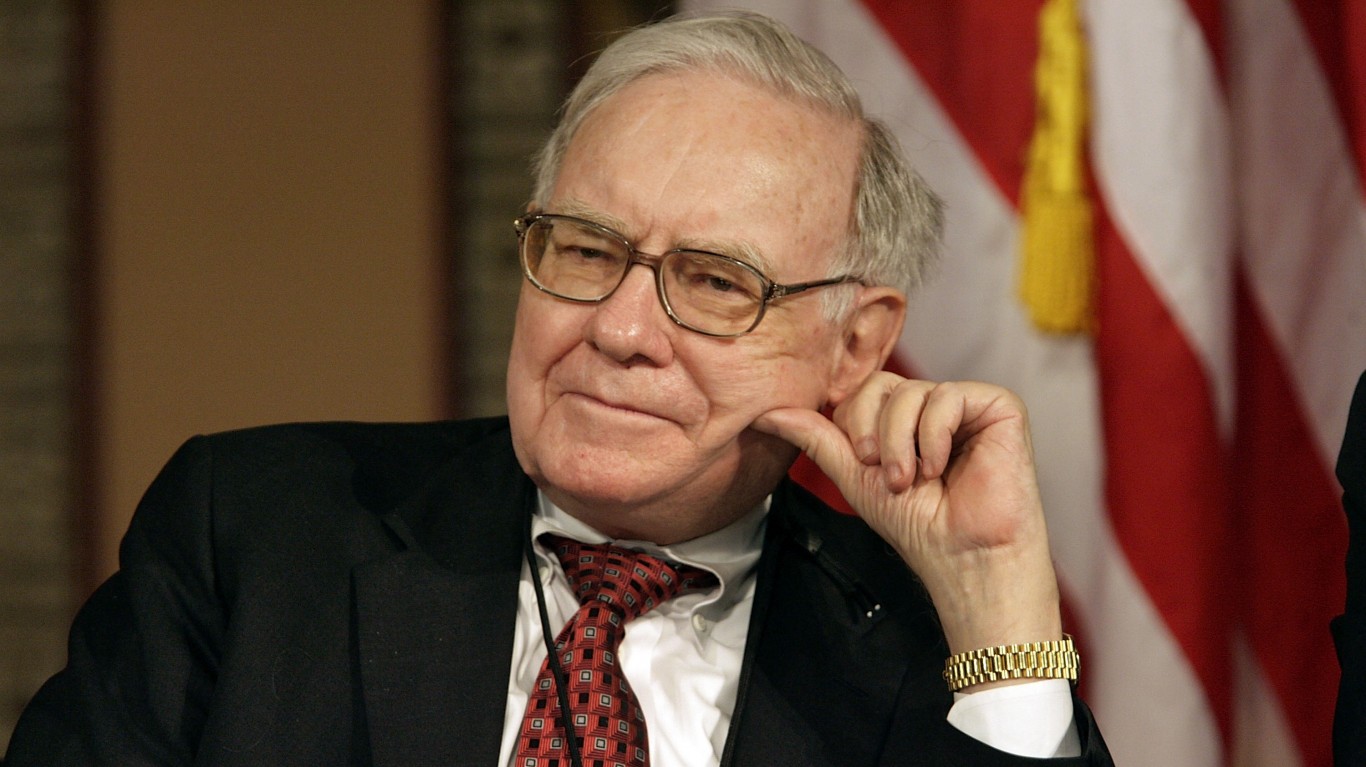
While the venerable company always has a place for conservative investors, Warren Buffett owned the shares for years, but in November, Berkshire Hathaway sold their entire position.
With Mr. Buffett out of the stock, Wall Street decidedly mixed on the company. We did a deep dive into the stock and found six reasons investors should avoid the shares now.
The stock is costly at current trading levels

Trading at a whopping 29.10 times trailing earnings, the shares are fully priced at current levels. That is almost double Pfizer Inc. (NYSE: PFE), which is 15.2 times trailing earnings and is twice as high as Bristol-Myers Squibb Company (NYSE: BMY), which trades at 13.13 times trailing earnings.
Did we mention Warren Buffett sold the stock?
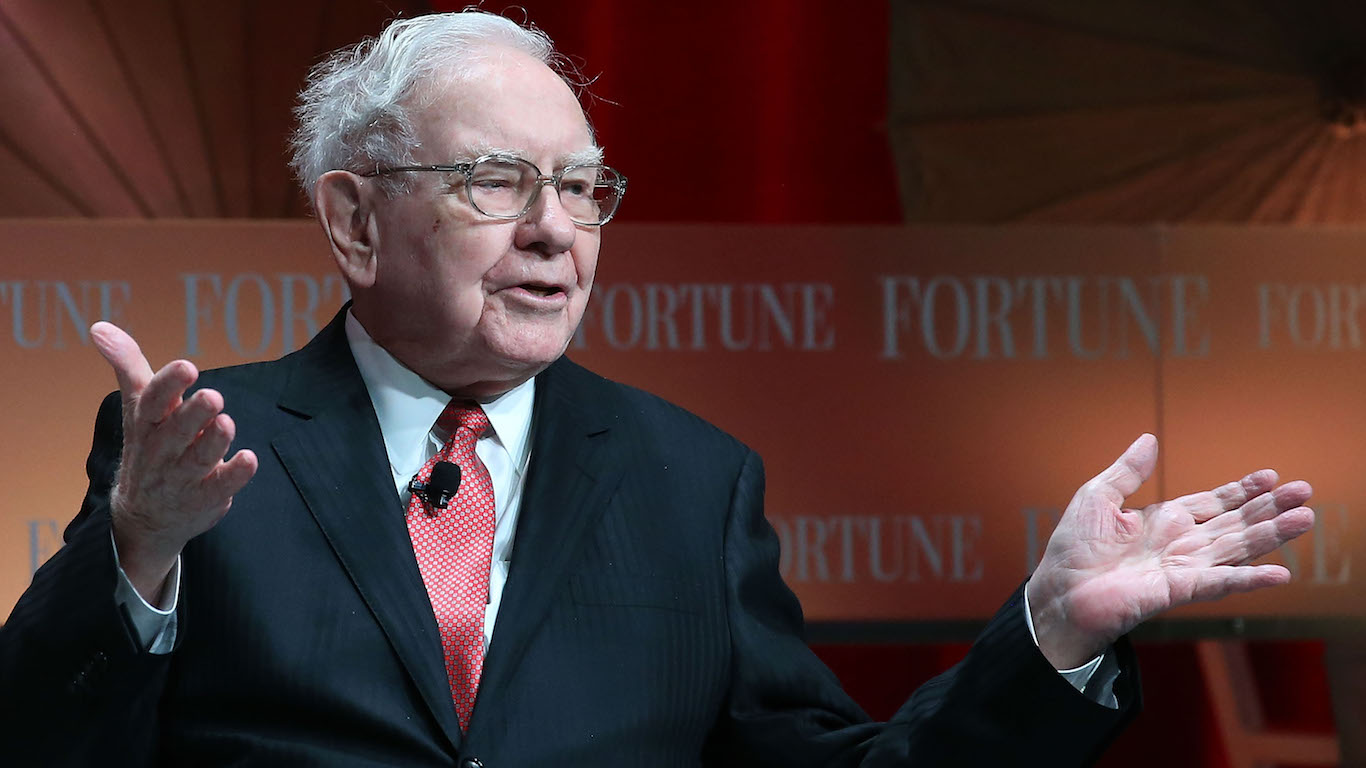
In November, Berkshire Hathaway sold out of the firm’s $50 million position. It should be noted that Mr. Buffett also sold much of his stock back in 2012. However, new investors should notice when a portfolio manager who has owned the shares for 17 years exits the holdings.
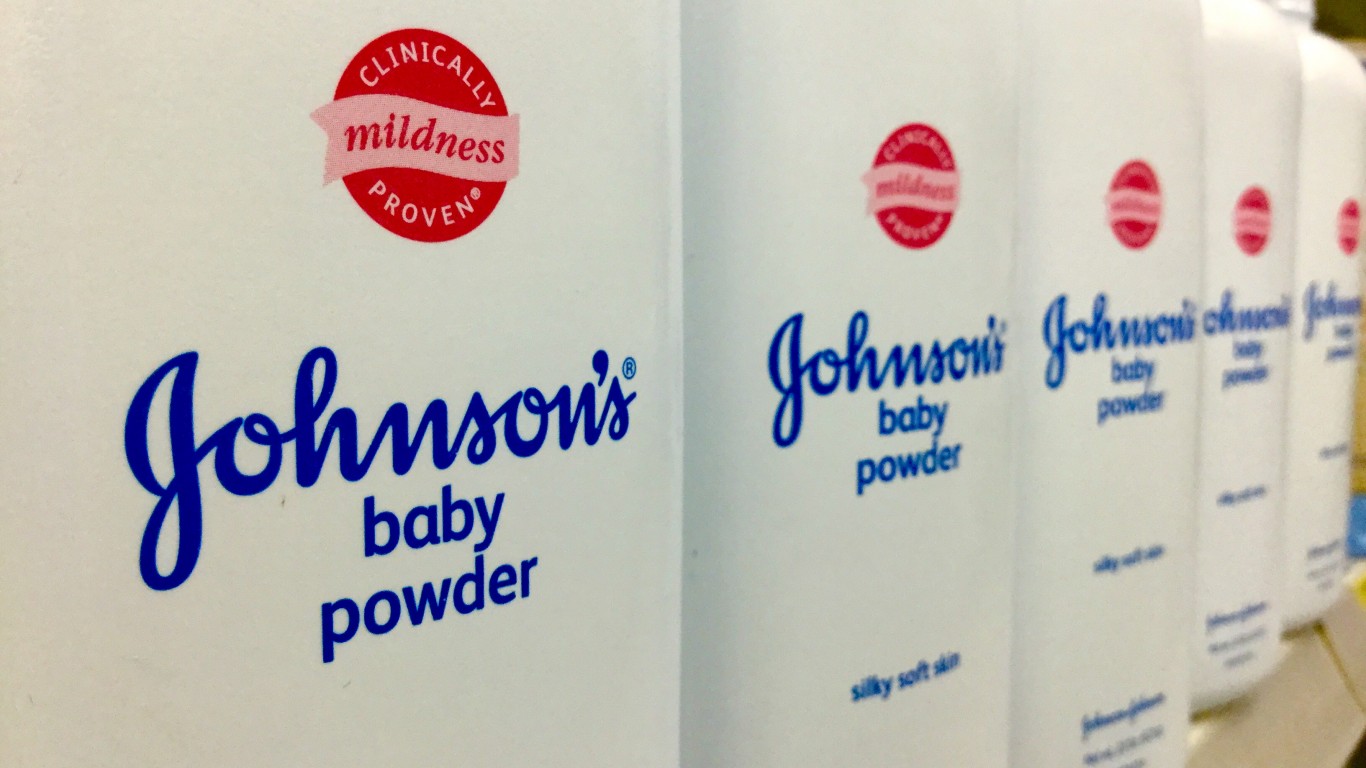
The baby powder lawsuit still hangs over the company
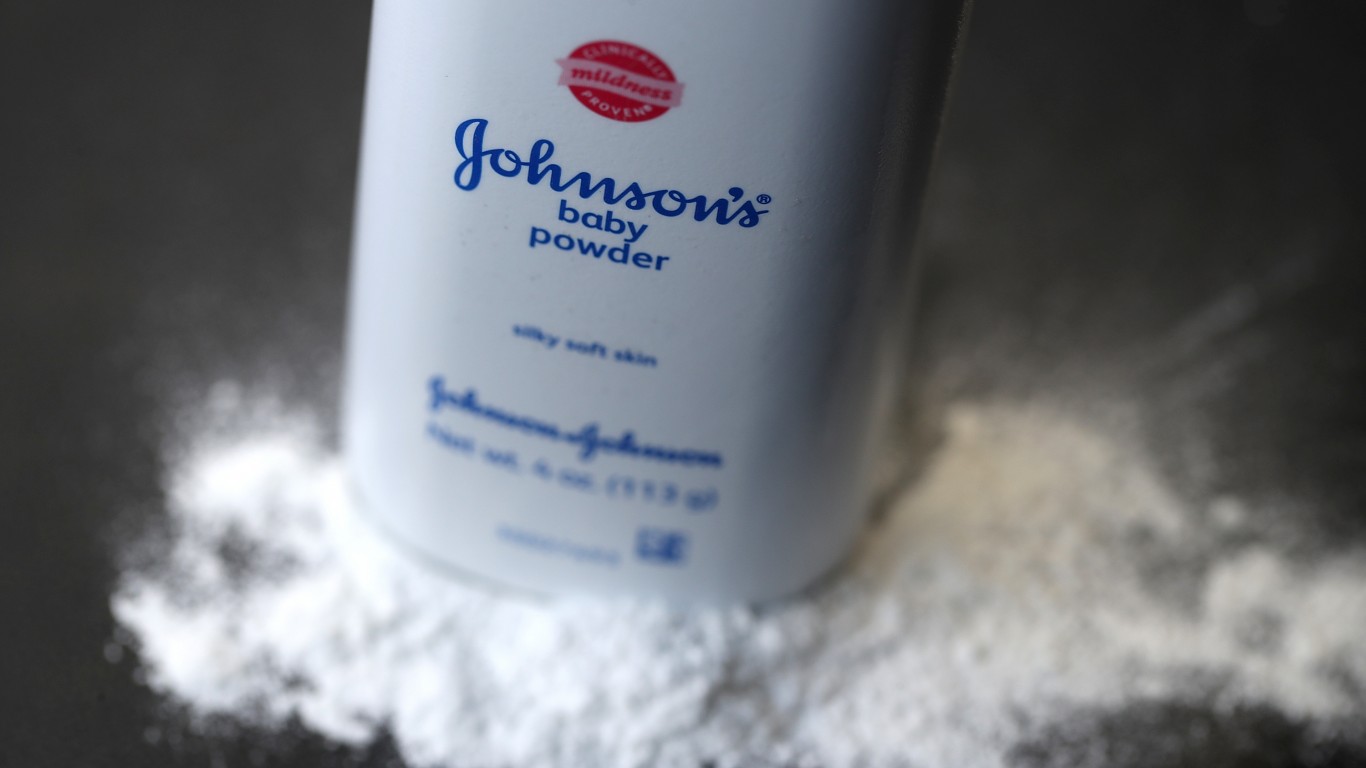
While the company has settled two of the baby powder lawsuits, a federal court rejected a plan by the company to put the liabilities from the talc powder into bankruptcy court. Accusations of asbestos in the baby powder remain the basis for more than 38.000 lawsuits, most by women with ovarian cancer. The company denies that asbestos has ever been in the product, which has been used for decades. According to reports, the company has proposed a $8.9 billion settlement.
The Johnson & Johnson brand has taken a beating

The lawsuits over the baby powder combined with brutal press from places like the Huffington Post, which once called the company “America’s most admired lawbreaker,” have seriously damaged what was once one of Wall Street’s most respected and admired companies.
Patent expirations and competition loom big

Wall Street often cites a perceived lack of diversity among the company’s products as one of the drawbacks to owning shares of the stock. Competition for some of the company’s products, like Tylenol, means limited market share growth for that product and others.
Opioids were also a problem for the company
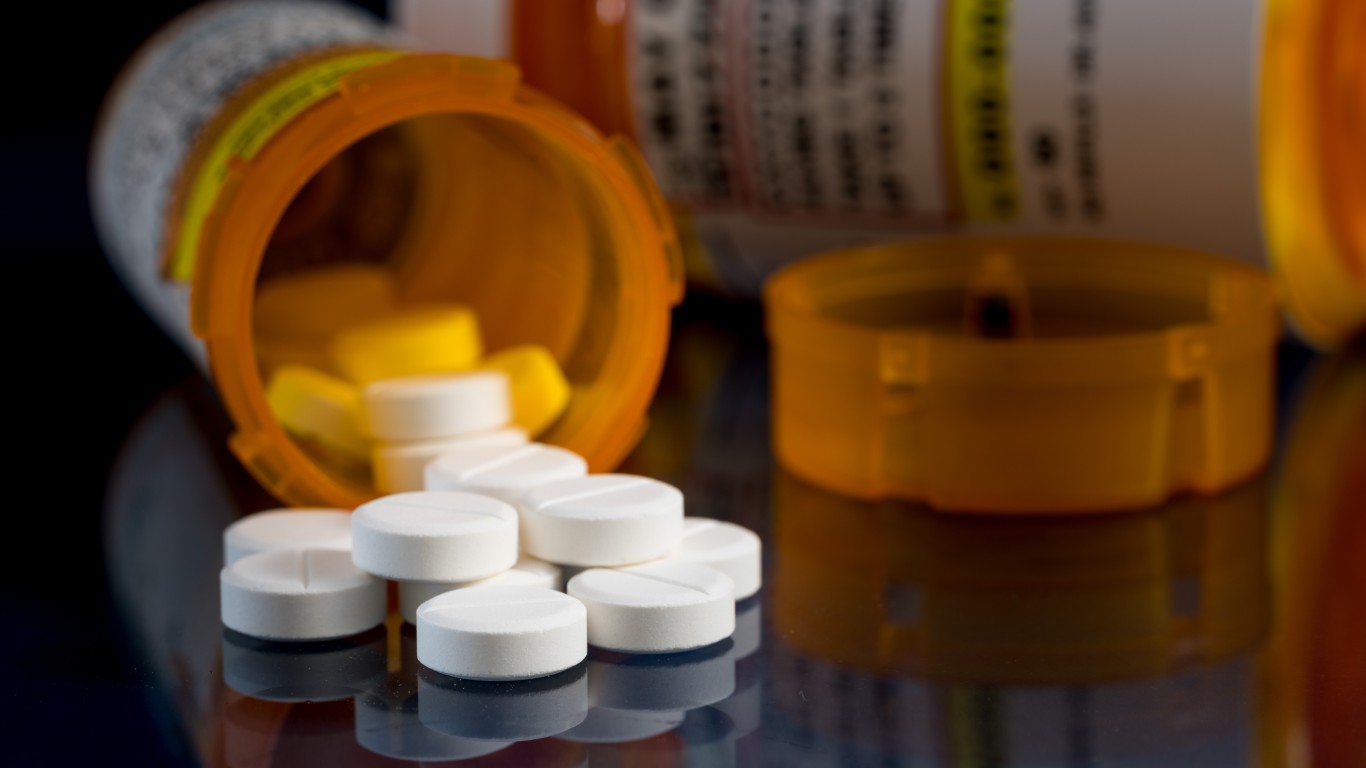
A judge in Oklahoma found the company guilty of distributing “false, misleading, and dangerous marketing campaigns” for opioids. In 2021, the company announced it would contribute up to $5 billion for the nationwide settlement of the drug crisis. According to published reports through its subsidiaries, Johnson & Johnson supplied opium-based ingredients for a range of drugs, including hydrocodone, morphine, codeine, and buprenorphine.
Trading well below a 52-week high and offering shareholders a tempting 3.04% dividend, on the surface, the stock seems like a conservative investor’s dream. But given the problems with the company and the fact that other major pharmaceutical companies are cheaper on a price-to-earnings metric and pay a higher dividend, it makes sense for investors to avoid Johnson & Johnson now.









 Top Gaining Stocks
 Top Losing Stocks