


In the US, there is concern about Lake Powell in Arizona drying up due to a 20-year drought and climate change. But has a lake ever dried up before? About 60 years ago the list of the 5 largest lakes in the world looked a little different. In 1960, the 4th largest lake was the Aral Sea. Now it is nearly drained. Read on to discover how humans destroyed the world’s 4th largest lake.
Where is the Aral Sea?
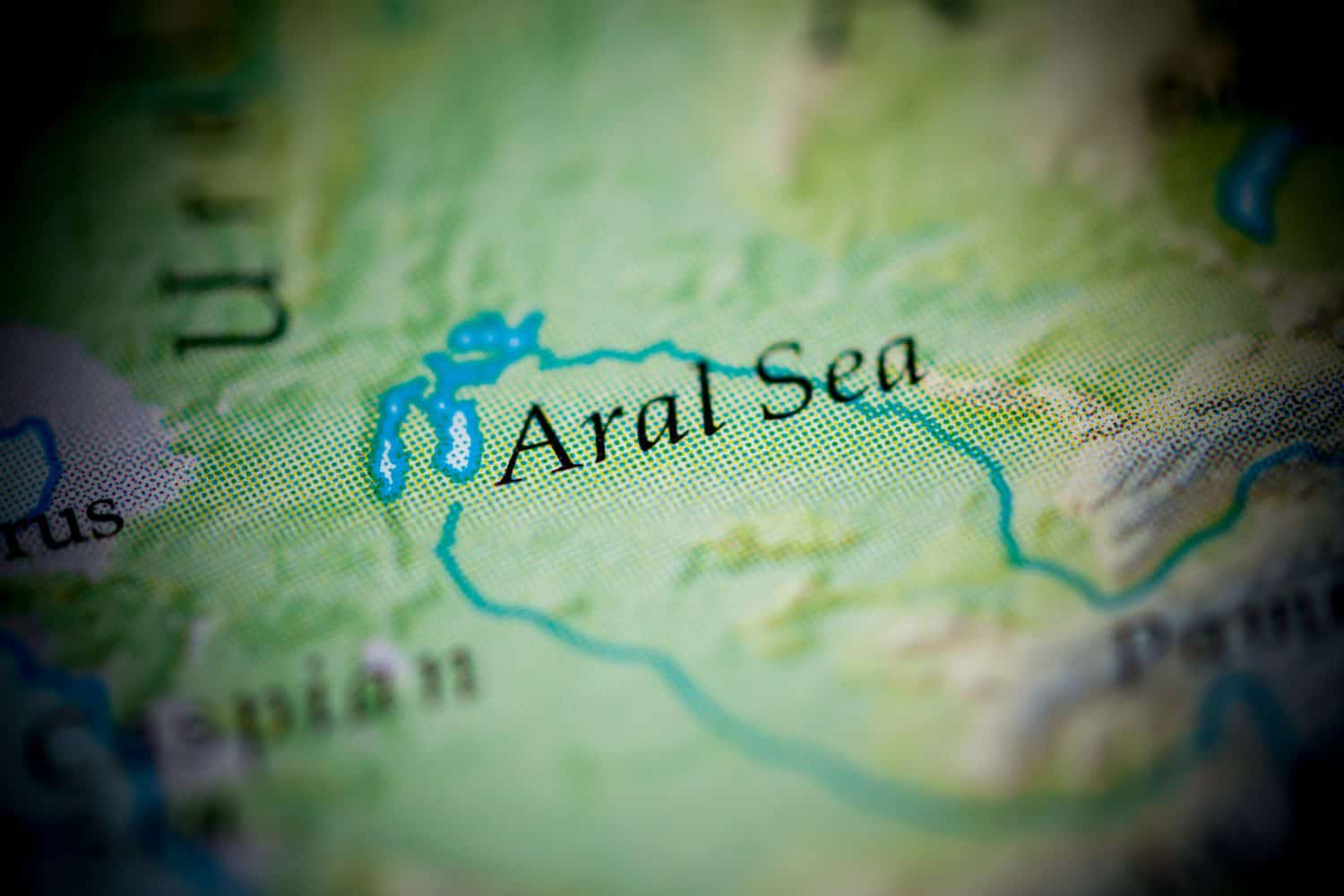
The Aral Sea, or what is left of it, is on the border of Uzbekistan and Kazakhstan. Both countries are in Central Asia with Russia to the north and China to the east. The Caspian Sea is about 200 miles west of the Aral Sea.
How Did Humans Destroy the World’s 4th Largest Lake?
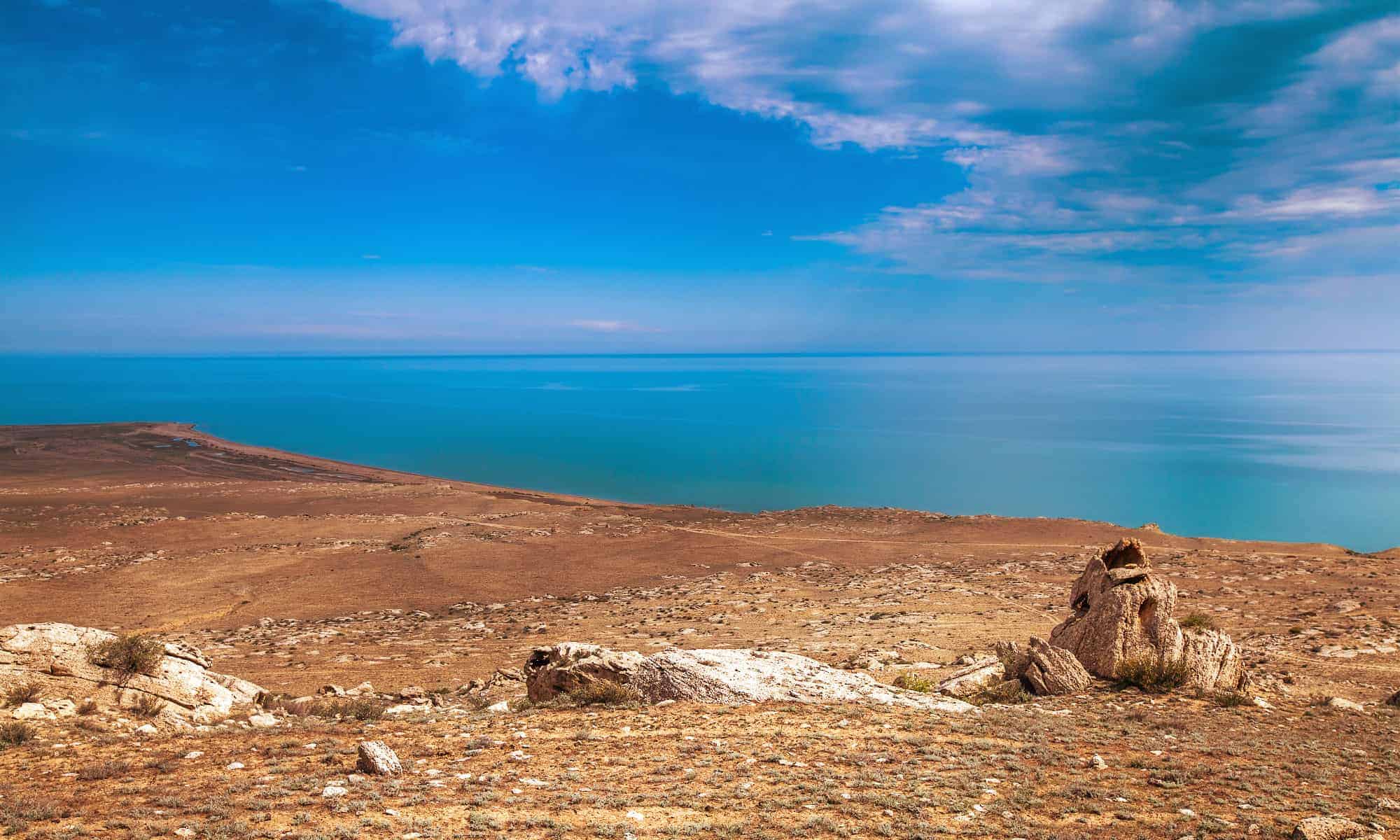
The Aral Sea was the world’s 4th largest lake back in 1960 and before. But a decision by the Soviet leader, Stalin, changed the face of the landscape and the fate of the lake forever. Stalin decided he wanted to take over the cotton industry and thought the area around the Aral Sea would be the best place for the cotton fields. However, the fields needed enormous amounts of water to be productive so the water from the two rivers that feed the Aral Sea were diverted.
What were the two rivers that fed the Aral Sea?
The two rivers were the Amu Darya to the south and the Syr Darya to the east.
Did the Aral Sea Dry Up Right Away?
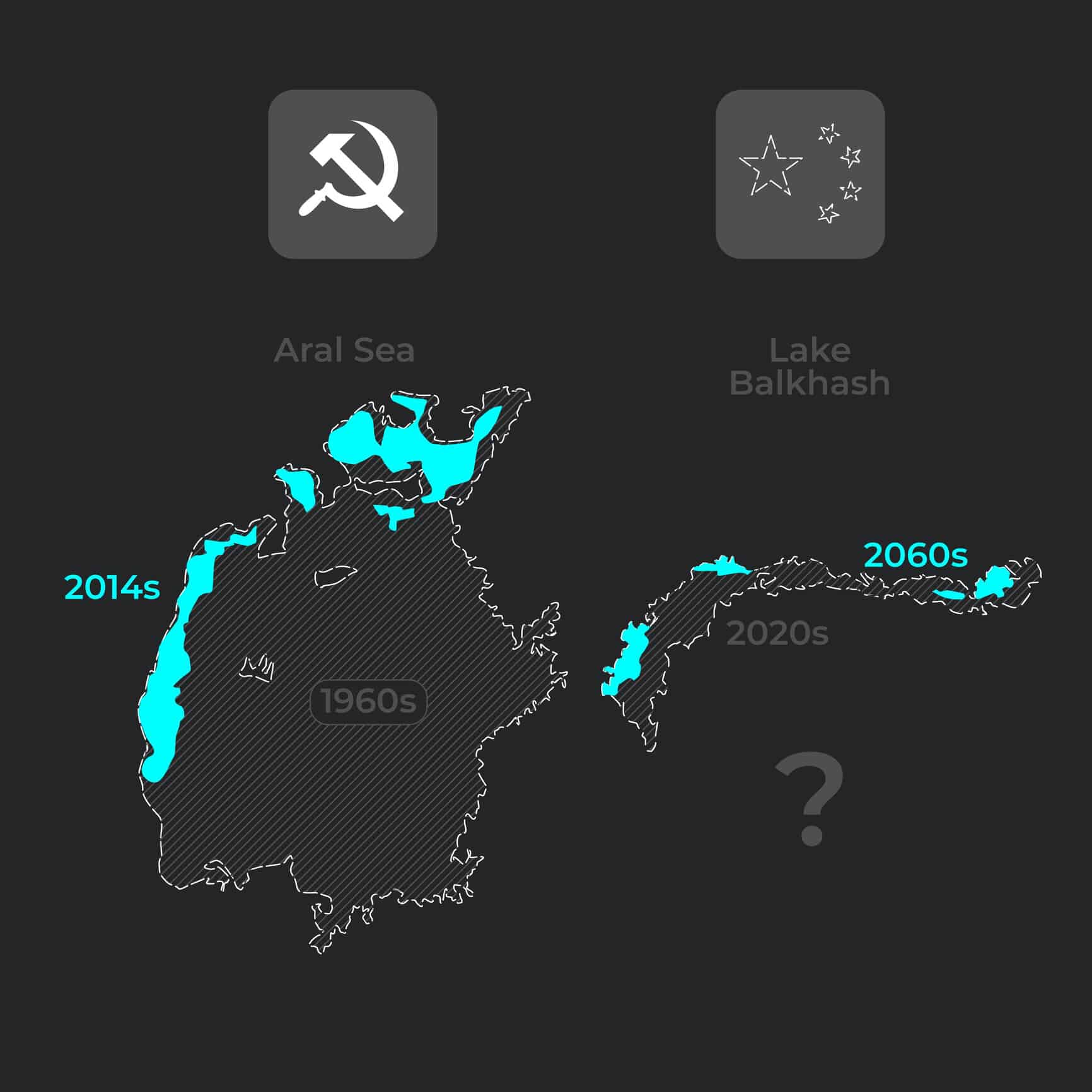
Over time the Aral Sea gradually dried up. It started to shrink in 1960 when the rivers were diverted. Satellite images show that by 1998 it was 60% of its original size. By 2004 it was 25% of its original size. Now it is only about 10% of its original size with a sliver of the NW half left.
Did Anyone Ever Live By the Aral Sea?
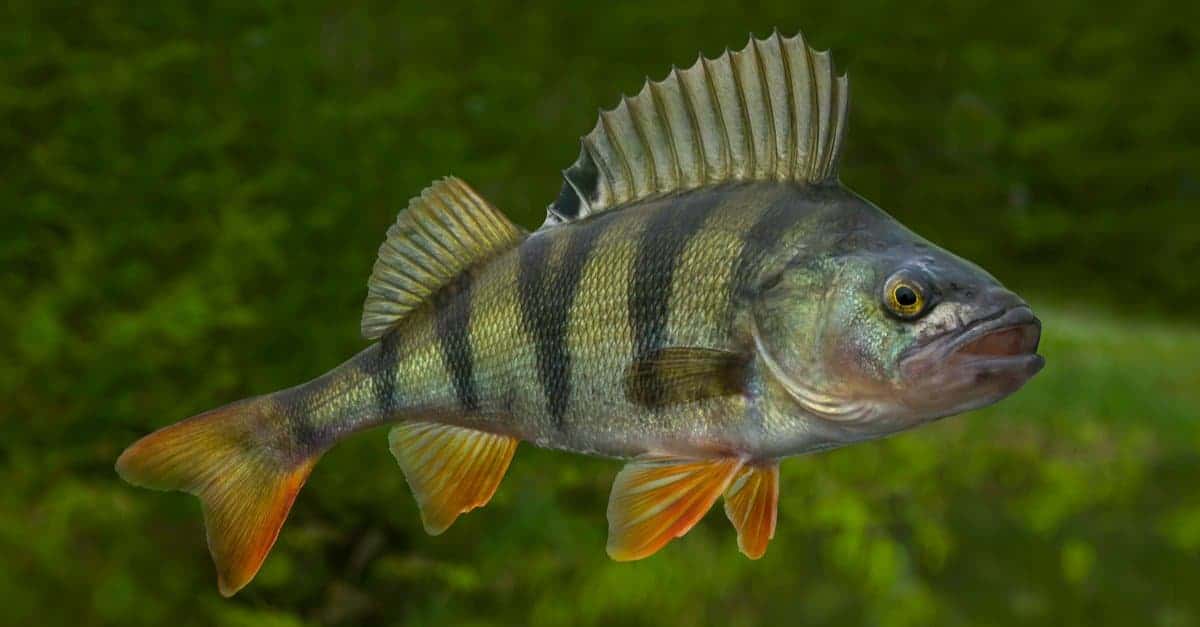
Yes! It was actually a thriving fishing community that lived all along the shores of the Aral Sea. The fishing industry in that area employed 40,000 people. It is reported that 1/6th of all the fish for the country were from the Aral Sea. So when the lake started to shrink fewer and fewer fish were available. There used to be 30 different species of fish including perch, sturgeon, and zander and today it no longer can support any kind of fish.
How Far Did the Towns Get Away From the Edge of the Shoreline?
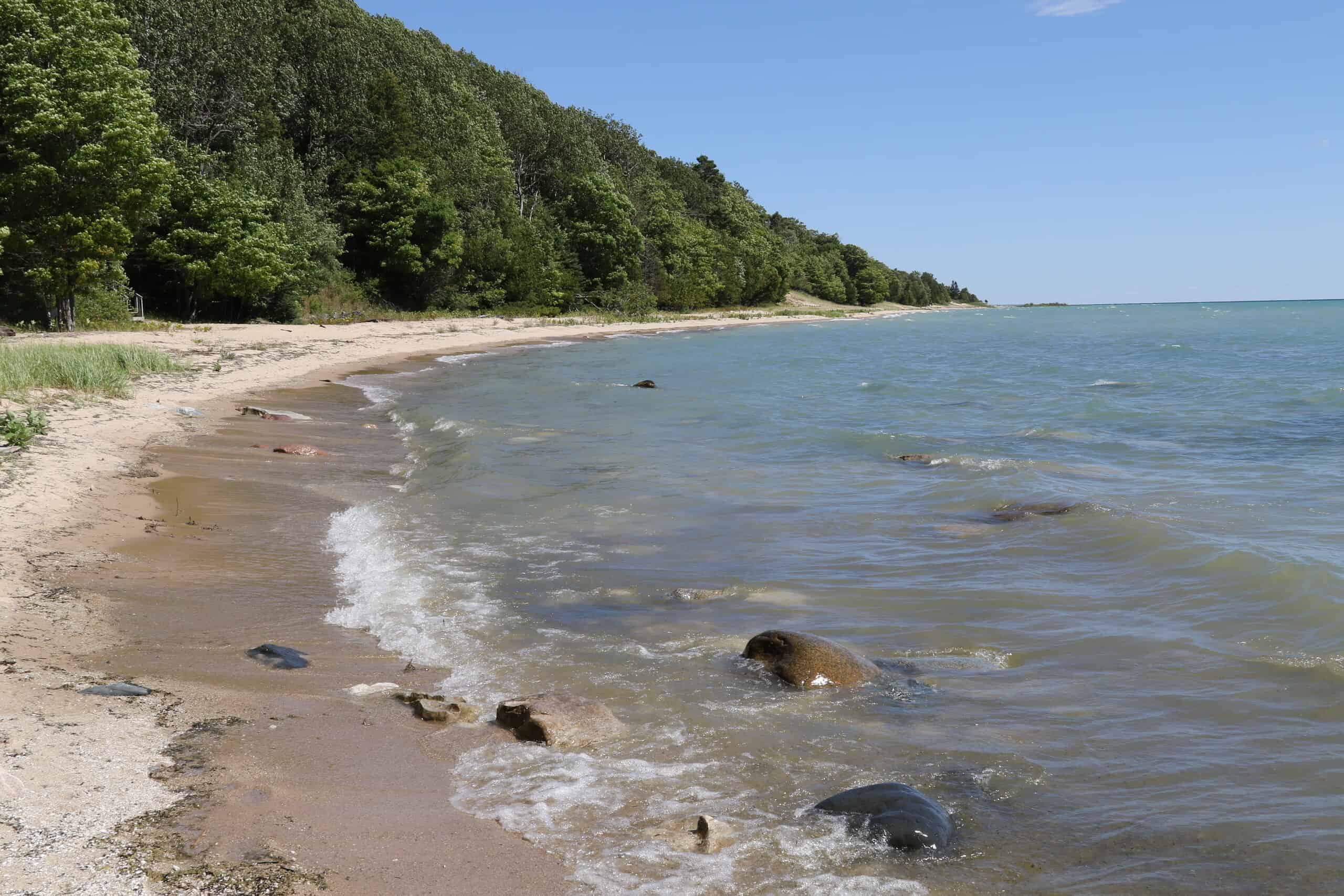
The port towns started getting further and further from the shoreline. The town of Muynak which used to be a port town is now 75 miles away from the shore of what is left of the Aral Sea. Heralsk ended up being 60 miles from the nearest water. Soon, many of the businesses had to close and thousands of people lost their jobs. The fishing industry was eventually completely shut down.
What Happened to the Area Where the Aral Sea Used to be After Humans Destroyed the World’s 4th Largest Lake?
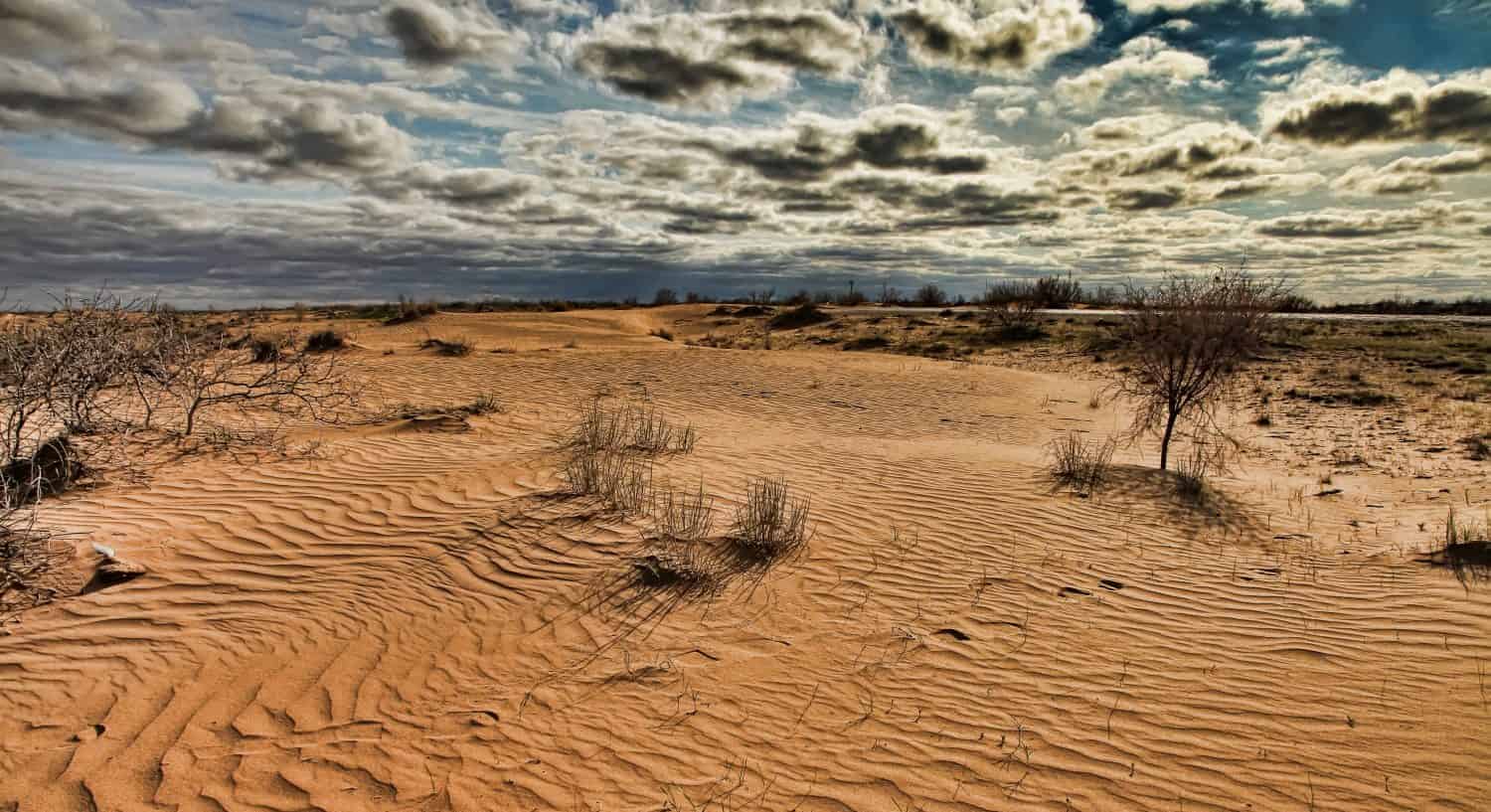
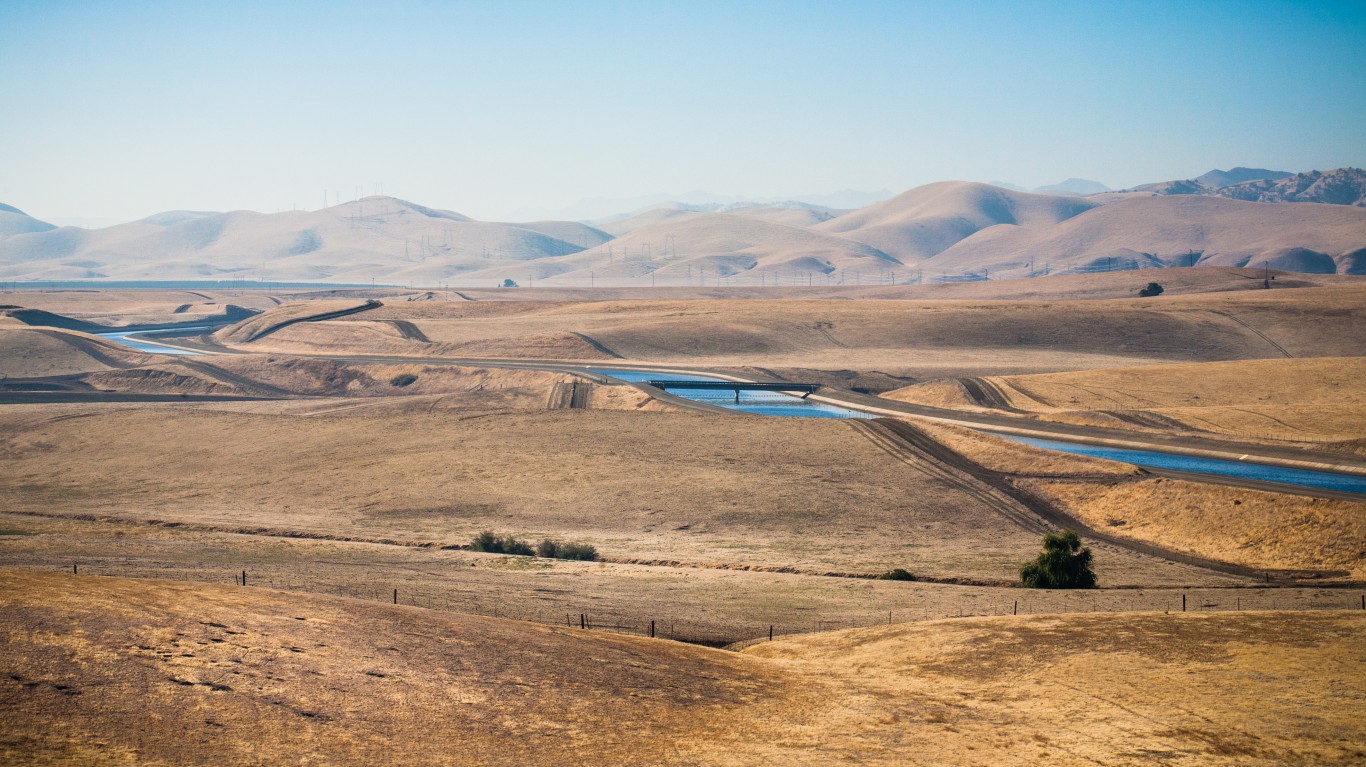
As the Aral Sea dried up a desert was left. There are several problems with this. The salt levels in the sea continued to get saltier and by 2004 the sea was 5 times saltier than it was in 1960. So when the water dried up it left a salt-covered desert.
Another huge issue is that people used to use the Aral Sea as a dumping ground for toxins and weapons. When the sea dried up all those toxins got mixed into the dry soil. When wind storms occur the toxins are blown into the air and exposed to the people living downwind.
Are There Still Toxins in the Wind Storms Around the Aral Sea?
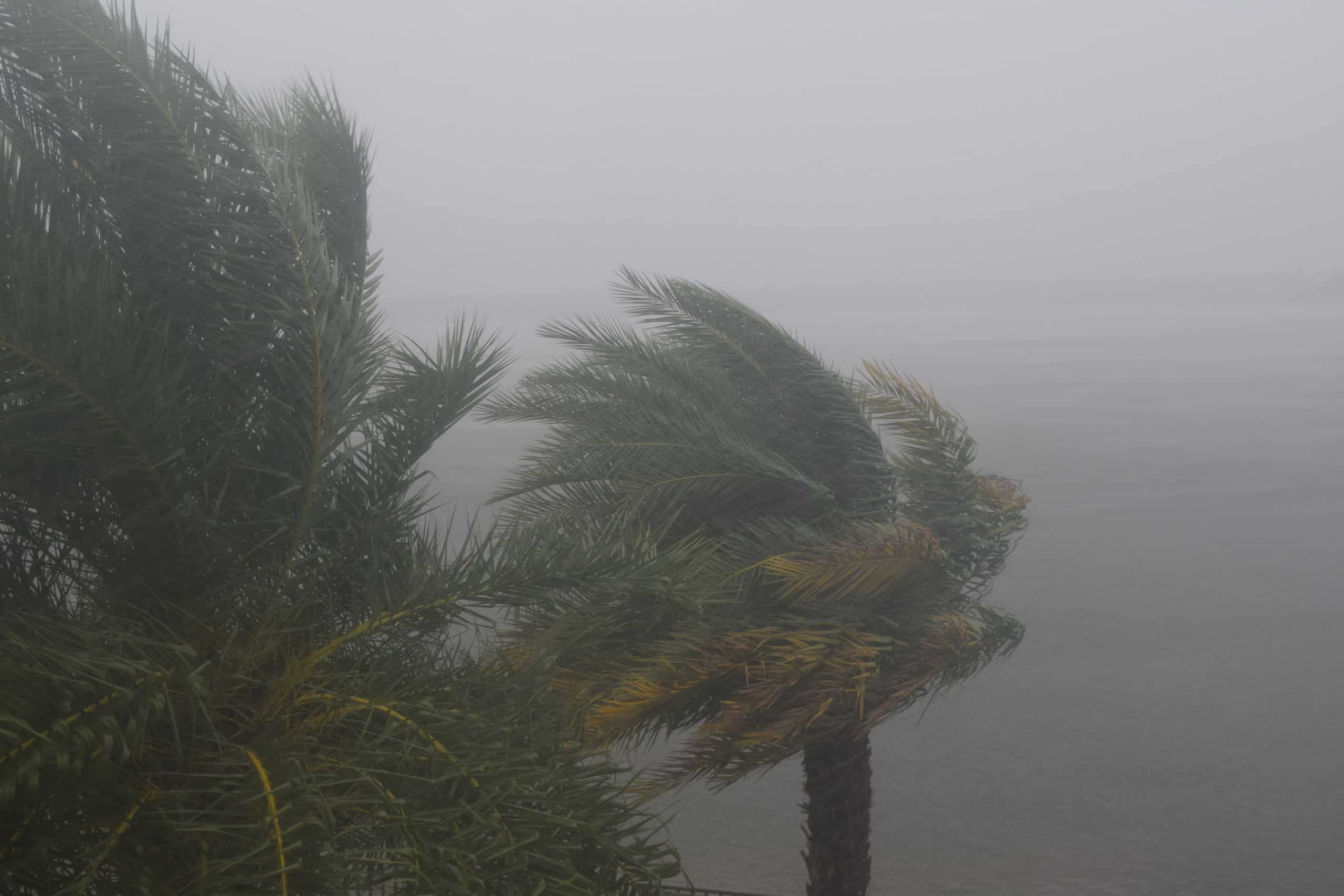
Yes. In 2018 the New York Times did a piece on the town of Muynak which still suffers from the windstorms. One of the townspeople described a recent windstorm that stirred up so much salt that it stuck to your body and was hard to even wash off. When it rained, there was so much salt in the air that the rain turned to salt water and farmers were concerned for their crops.
The toxins in the air are thought to be contributing to an unusually high infant mortality rate in the area as well. The infant mortality rate is 75 per 1,000 births which is incredibly high. There is a higher rate of lung and kidney disease in the area around the Aral Sea as well, due to the toxins.
What is Left of the Aral Sea Today?
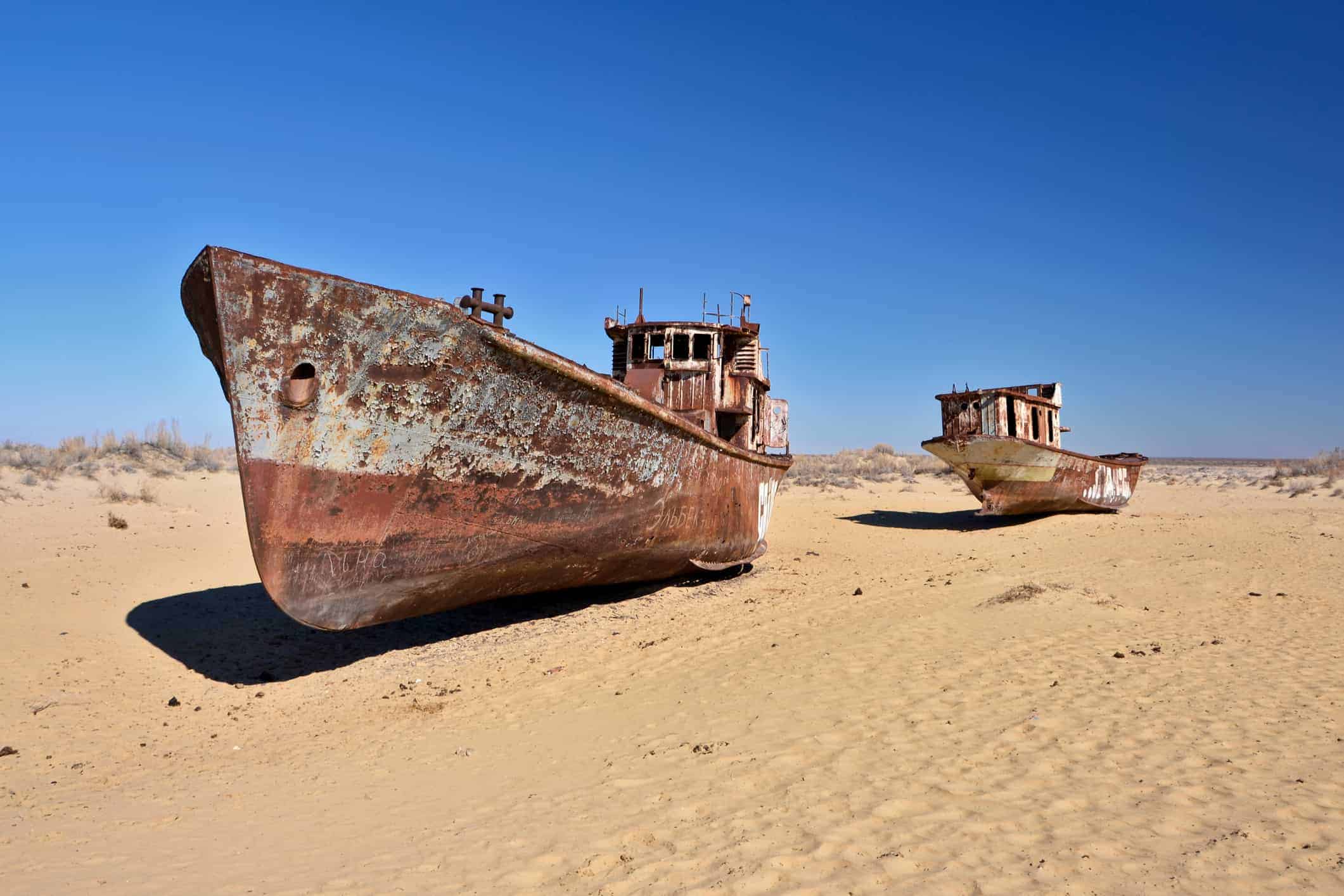
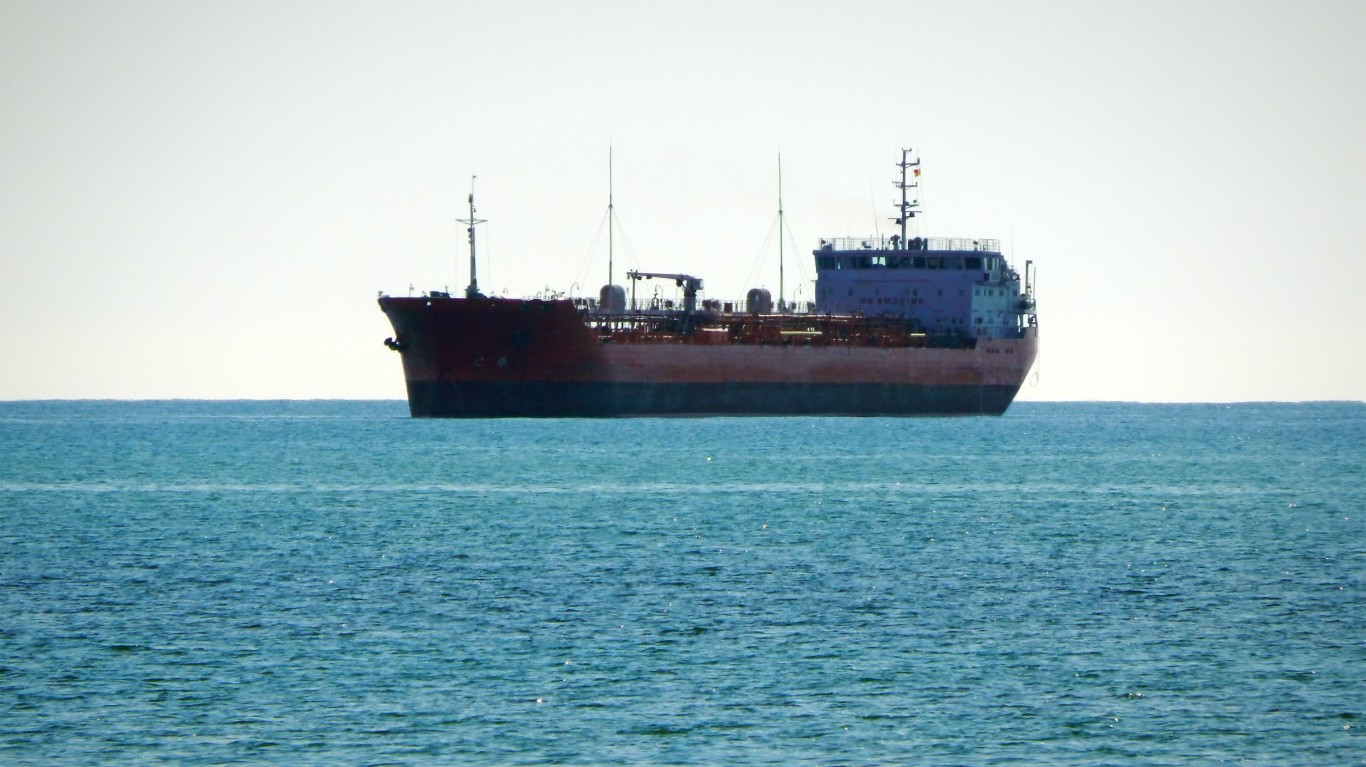
There are ship graveyards with rows of large rusted ships lined up. Looking out across the salt-covered desert looks almost like it is covered in dirty snow. There are old docks with rusted ships still docked and old lighthouses. The town of Muynak is now a tourist attraction as people come to see the ecological crisis. They even had to build a few hotels and add restaurants to support the tourist activity.
How is Kazakhstan Helping Restore the Aral Sea?
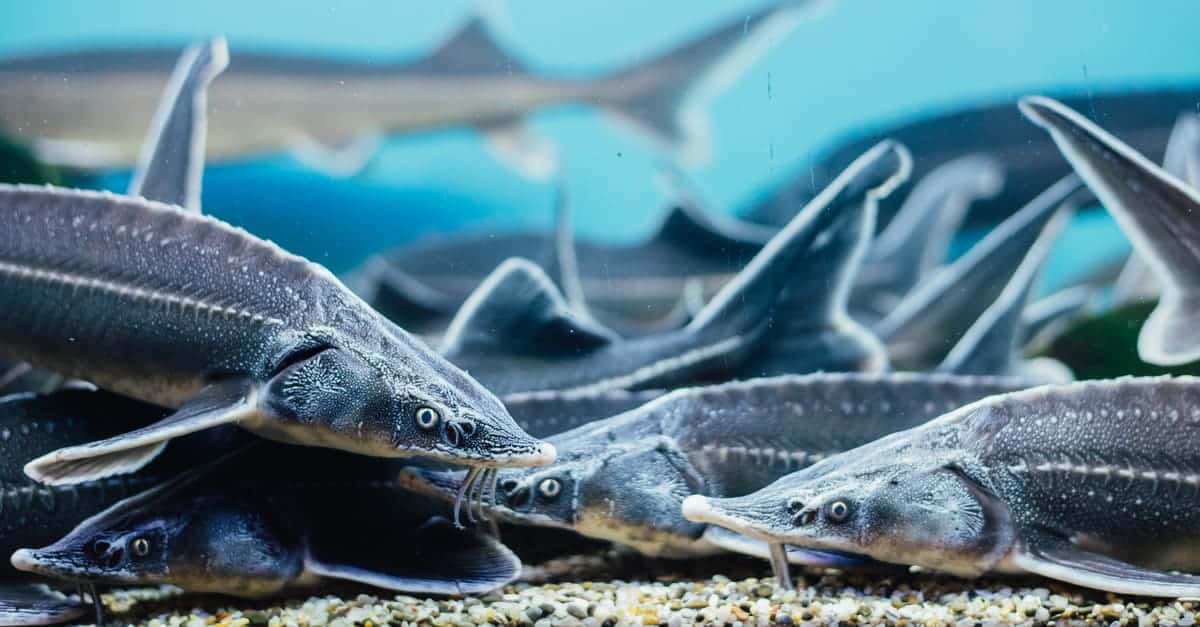
In 2005 Kazakhstan built a dam to hold the water of the remaining Syr Darya river. This has been successful in restoring water in the North Aral Sea area with some areas having 100 feet of water. The best news is that fish have returned to this area and brought with it new fishing opportunities including the Syr Darya sturgeon.
What More Needs to be Done to Save the Aral Sea?
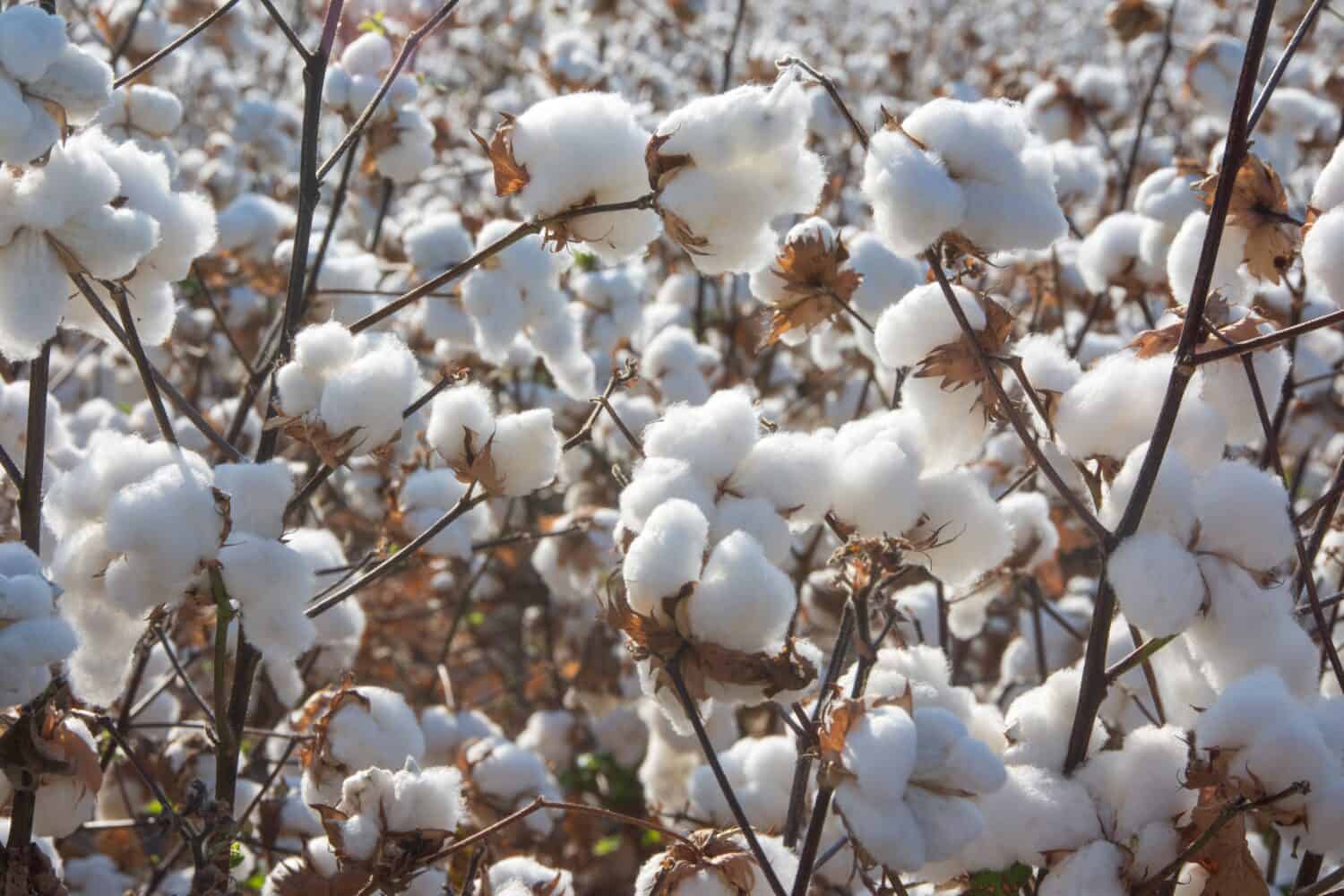
The countries in the area are still growing crops like rice and cotton that need enormous amounts of water. Farmers and some local governments disregard the conservation efforts to cut back water use and switch to less water-dependent crops. In Turkmenistan and Kyrgyzstan, the glaciers that feed the two main rivers are shrinking and the rivers are getting smaller as well.
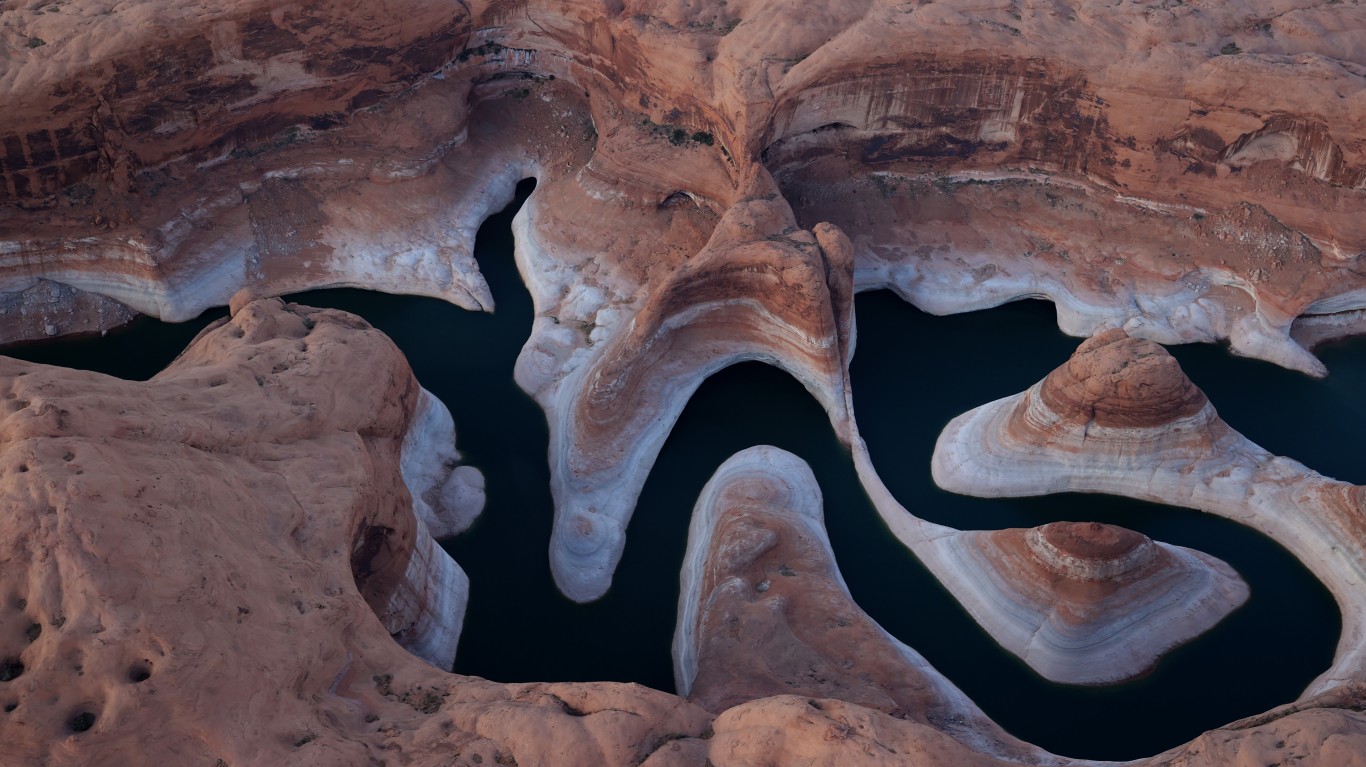
It is difficult for cultures to change habits. In the US the southwest states are getting a taste of some of the water conservation issues as they deal with the shrinking Lake Powell. Hopefully, we can make a change so that humans do not destroy other large lakes in the world!






 Top Gaining Stocks
 Top Losing Stocks