


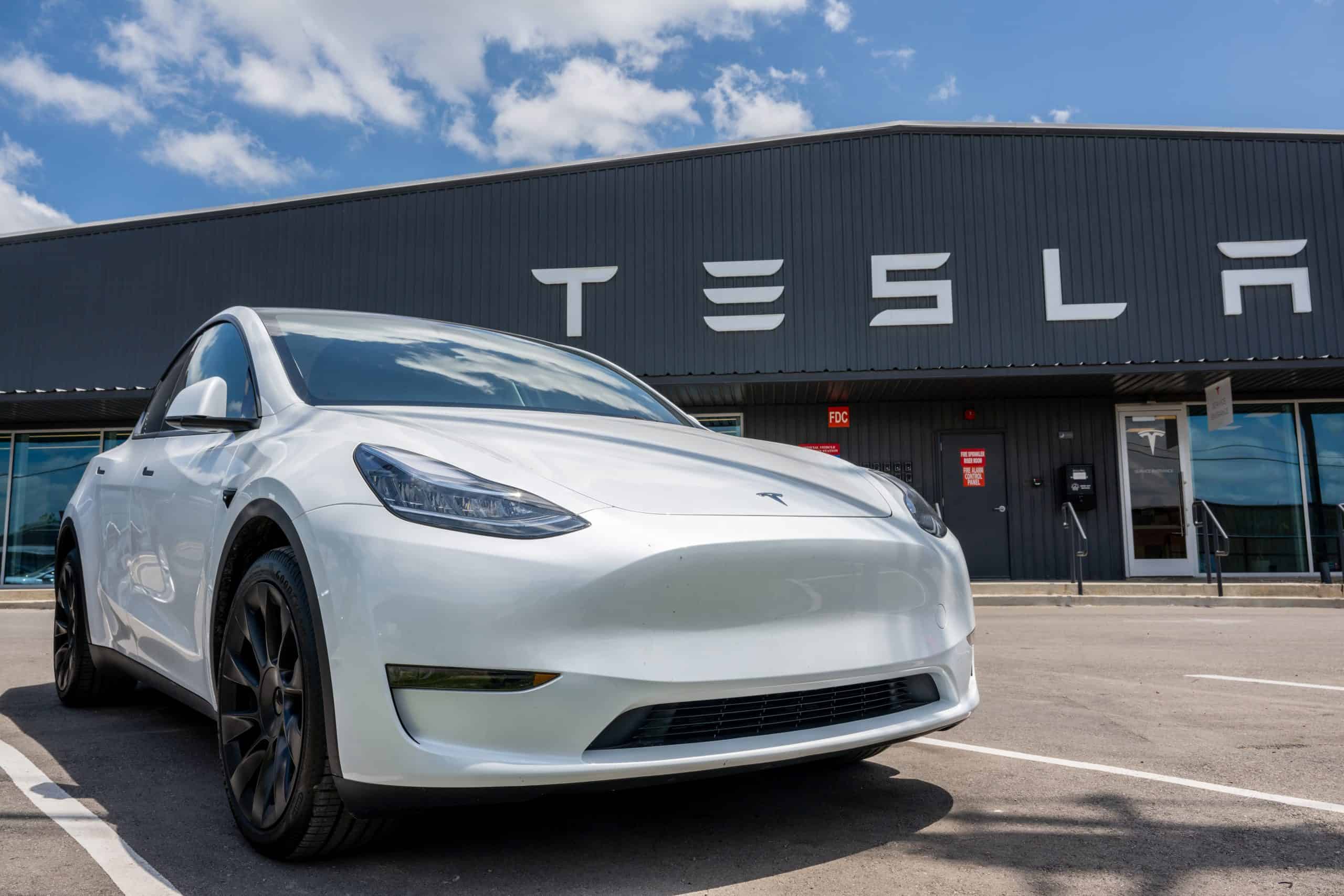
Tesla (NASDAQ:TSLA | TSLA Price Prediction) is a resurrected stock. While shares have nearly doubled over the past year, it was only after the presidential election that the stock took off, gaining more than 64%. Because of CEO Elon Musk’s close association with President Trump, investors suspect Tesla will be a big beneficiary from his administration.
On the surface it wouldn’t appear so. Within days of taking office, Trump signed an executive order that reverses a number of electric vehicle policies, including the “EV mandate,” ending state emissions waivers that limit sales of gas-powered vehicles, and possibly eliminating subsidies that favor EVs over other technologies by making them unaffordable.
However, Musk has said he supports a level playing field for the industry. Wall Street apparently isn’t so sure about the effect this will have on EV sales and they have a hold rating on TSLA stock with a one-year price target of $314 per share, implying 24% downside risk.
With Tesla due to report fourth quarter results on Wednesday, Jan. 29 after the stock market closes, should investors buy TSLA stock before the release or hold off and wait for the stock to plunge? Let’s find out below.
A big wake-up call
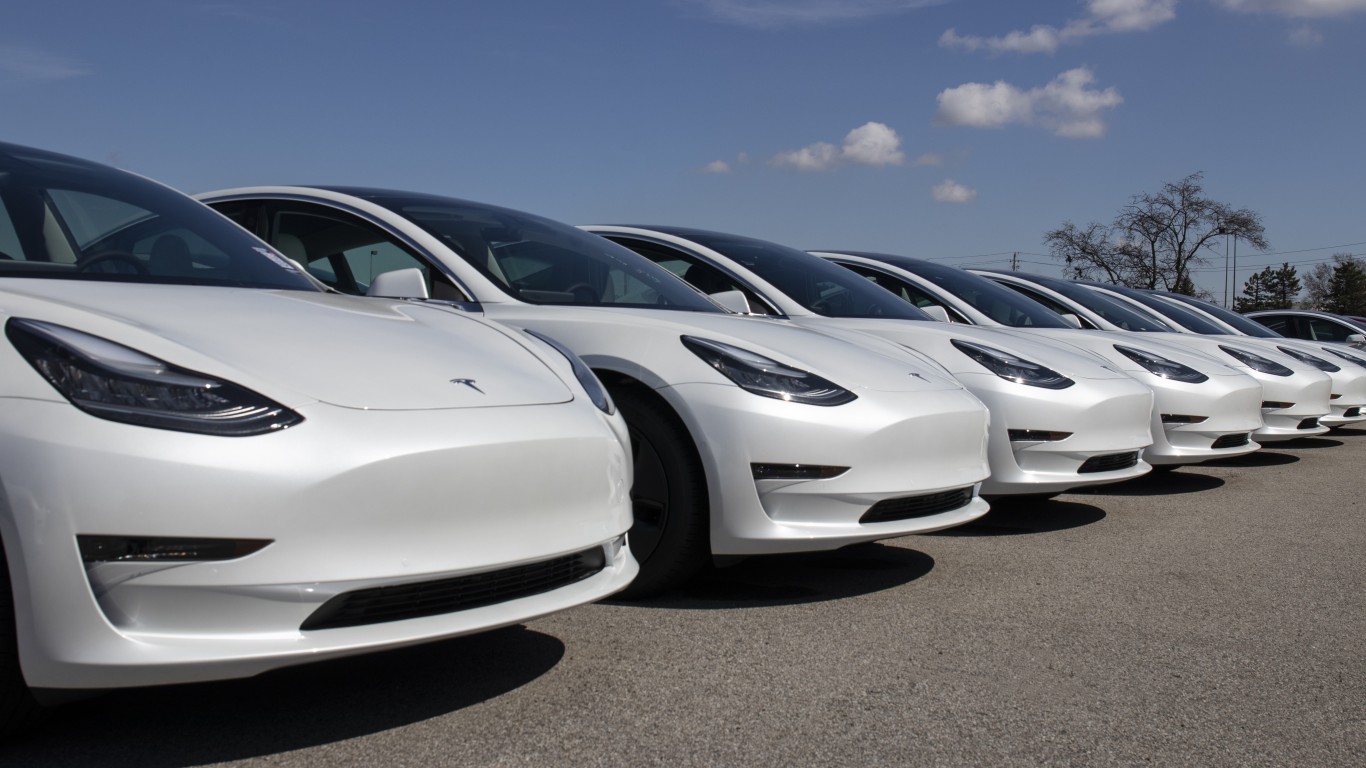
Tesla sales declined for the first time ever in 2024
On Jan. 2, Tesla released its fourth-quarter production and delivery update showing the EV maker produced 459,445 total EVs, or 5.5% fewer than the year ago period and 2.2% fewer sequentially. Deliveries, though, were 2.3% and 7.1% higher, respectively. The figures were markedly below analyst expectations of 504,770 deliveries.
For the full year, production was down 3.9% to 1.77 million vehicles while deliveries were off 1% at 1.79 million. It was the first time Tesla had ever seen a drop in deliveries, underscoring a severe scaling back of consumer demand for EVs.
Musk had earlier in the year predicted sales to exceed 2023’s level, despite a disastrous first-quarter result. It was an industry-wide phenomenon that suggested most of the early-adopting car buyers that wanted EVs had already bought them. It would be a tougher battle to win the hearts of the mass market that EVs were a viable alternative as not even price cuts and incentives brought buyers to dealer lots.
A changing competitive landscape
Tesla faces much more competition now than it has in the past. Not only from industry peers such as Rivian (NASDAQ:RIVN) and Lucid Motors (NASDAQ:LCID), but also legacy automakers like Ford (NYSE:F), General Motors (NYSE:GM), and Toyota (NYSE:TM).
Although Ford and GM have significantly scaled back their investments in EVs as demand evaporated, both sold record numbers of their electrified fleet in 2024 with sales up 38% and 50%, respectively.
Toyota seems to have found the sweet spot of buyer demand in hybrid vehicles, allowing the Japanese automaker to sell more than 1 million EVs last year, up 53% from 2023. Other automakers are changing lanes to produce more hybrids themselves.
It suggests the EV market is more nuanced and demand more intense, which will weigh on Tesla. Europe is also proving more challenging for Tesla sales as competitors steal market share.
A new kind of car company
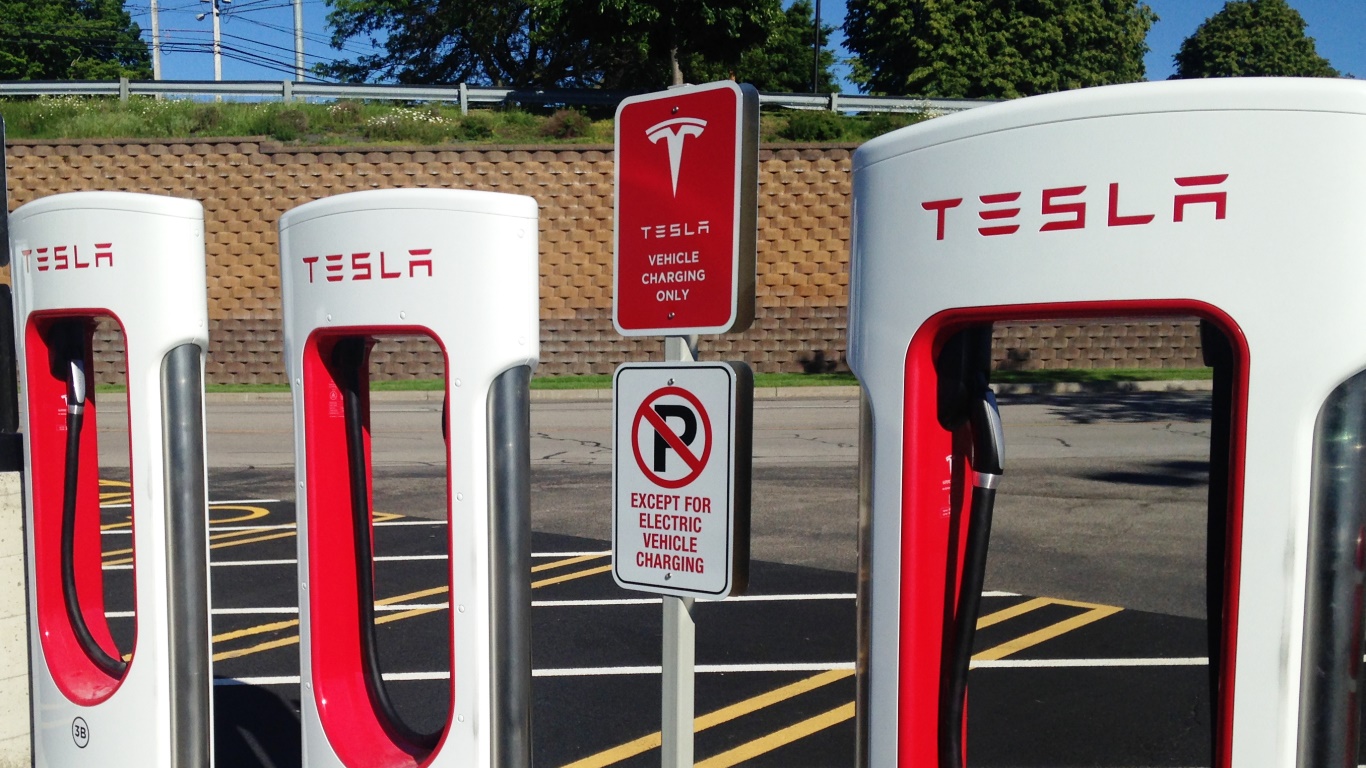
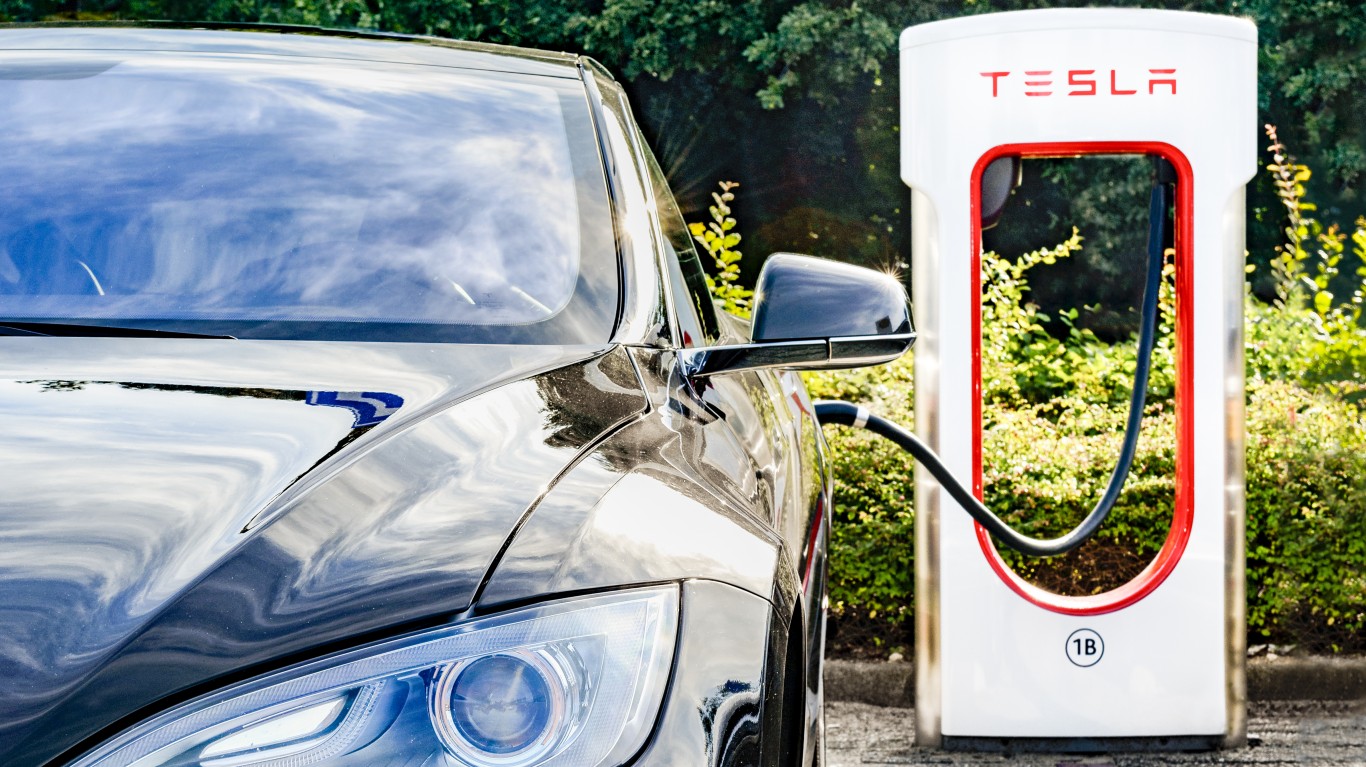
Tesla has a competitive advantage through its extensive Supercharger network of charging stations
It does have the advantage of benefiting from favorable government EV policies early on. Now that Tesla has established itself as the leading EV maker, eliminating subsidies and tax credits for electrified vehicles will hurt the competition more. It helps explain Musk’s support for a level playing field now.
Yet Tesla has other organic advantages, too. As of the end of the third quarter, its charging station network is extensive, with 2,550 Tesla Supercharger stations in the U.S. possessing 29,083 ports.
It also has advanced technology, including its Full Self-Driving autonomous vehicle capabilities, robotics, and artificial intelligence. Tesla intends to unveil its robotaxi service in 2026.
Key takeaway
Arguably, the biggest anchor on Tesla’s future stock price and it tumbling 24% is the consensus price target is skewed by an extremely low-ball price target from GLJ Research of $23.53 per share. It implies TSLA stock will crater 94% from current levels.
Analyst Gordon Johnson says because EV demand is evaporating, even a low-cost Tesla model won’t reverse the trend. He believes the “collapse” in Tesla’s Q4 production numbers warrant the lower price point. Without that outlier, though, analysts who updated their outlooks since the production release have a $428 per share target, suggesting 4% upside in the stock.
Because Trump’s executive order may benefit Tesla, a lower cost model could spur new demand, and its advances in AI and robotics make it more of a technology company than an automotive one, the likelihood of TSLA stock losing a quarter of its value seems remote.
It might not remain on the same upward trajectory that electoral euphoria ignited, but it’s not in danger of wiping out trillions of dollars in valuation either.









 Top Gaining Stocks
 Top Losing Stocks