


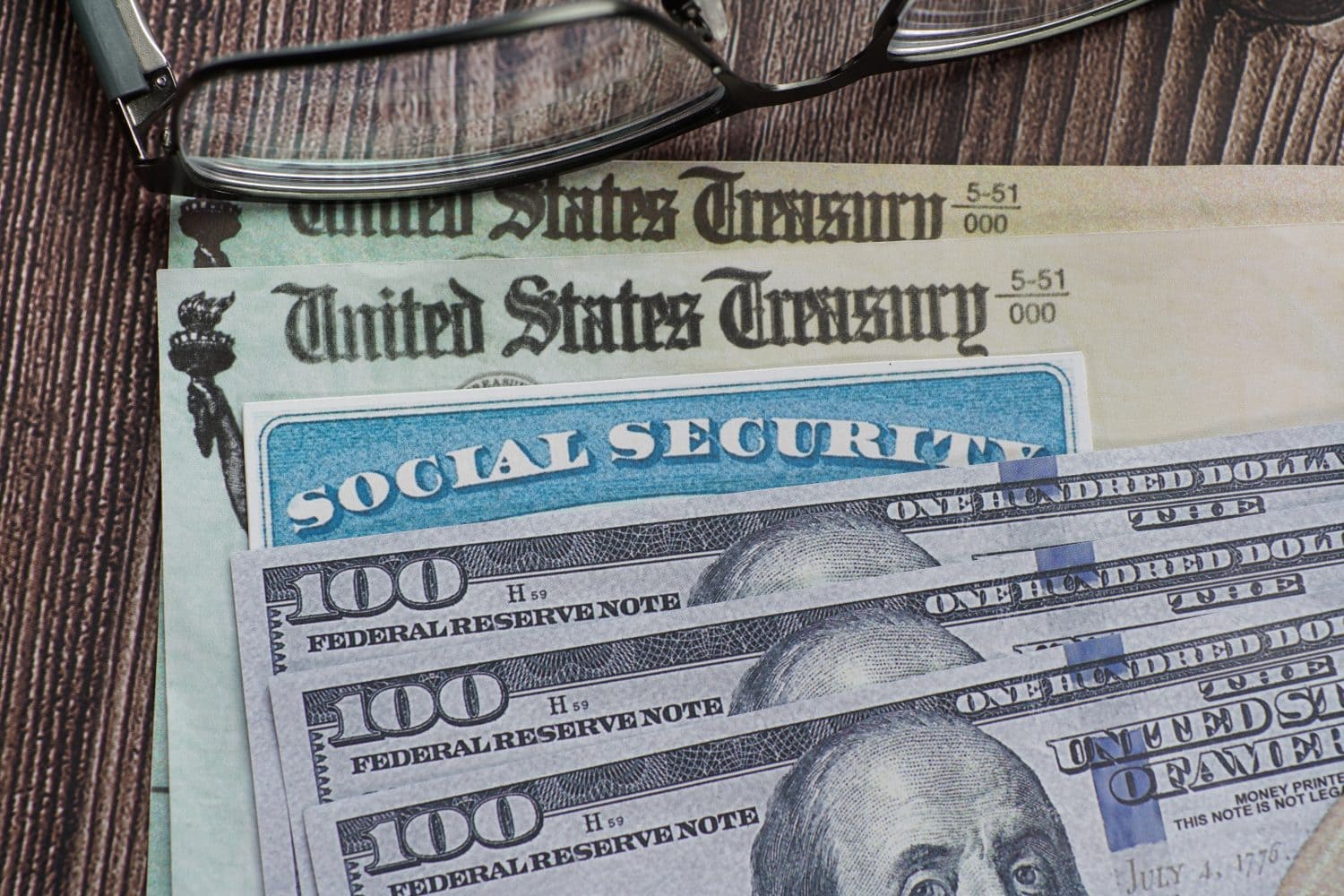
If you’ve been following the news, you may be aware that the Federal Reserve is set to meet later this week to discuss interest rates and broad monetary policy. And there’s a lot of pressure on the Fed to move forward with an interest rate cut.
In fact, President Trump has been calling on the Fed to lower interest rates for weeks. He even went so far as to suggest that the Fed lower its benchmark interest rate by as much as three percentage points, which would be an extremely drastic cut. (For context, the Fed typically moves interest rates in quarter-point increments.)
While the general consensus is that the Fed will not be lowering interest rates this week, technically, anything can happen. And the events of this week could have an impact on Social Security recipients.
What interest rate cuts mean for seniors on Social Security
Interest rate cuts could make living costs cheaper for retirees on a fixed income who rely on credit to make ends meet. When credit card rates and loan rates are elevated, it becomes more expensive to borrow.
Many seniors on Social Security have a lot of home equity due to having bought their homes years ago. Tapping home equity is expensive right now because interest rates are up, so a rate cut on the part of the Fed could spell relief for retirees looking at this option.
If you’re wondering if the Fed’s actions could affect Social Security benefits themselves, the fact of the matter is that the Fed’s rates don’t dictate what the program’s cost-of-living adjustments (COLAs) look like, since they’re tied directly to inflation. However, lower interest rates can motivate consumers to increase their spending, leading to higher prices, an uptick in inflation, and larger Social Security COLAs.
Would a near-term rate cut have a significant impact on next year’s COLA? Maybe. COLAs are based on third quarter inflation data, so August and September are important months in the context of Social Security.
Interest rate cuts could also hurt Social Security recipients
Some seniors on Social Security may be hoping for a near-term rate cut. Social Security depends on the interest generated by its invested trust funds to help keep up with benefits. If interest rates fall, that income stream could decline.
That’s a problem, because as it is, Social Security is at risk of having to cut benefits in less than 10 years due to an impending financial shortfall. So in some ways, elevated interest rates could be considered a positive thing for Social Security.
It’s also worth noting that many retirees who rely on Social Security do have some money invested in portfolios that consist largely of bonds. If interest rates are cut and bond yields drop, it could leave people in that boat with less retirement income.
We’ll need to wait and see
Based on recent economic data, the Fed does not seem eager to move forward with a rate cut in late July. Could rate cuts happen later in the year? That’s possible.
President Trump cannot compel the Fed to lower rates. The only way the Fed is going to want to lower rates is if it’s confident that inflation is cooling and that economic conditions are stable.
With tariffs looming, there’s a lot of general uncertainty right now. The Fed may decide to leave things status quo beyond its July meeting until things settle down.










 Top Gaining Stocks
 Top Losing Stocks