


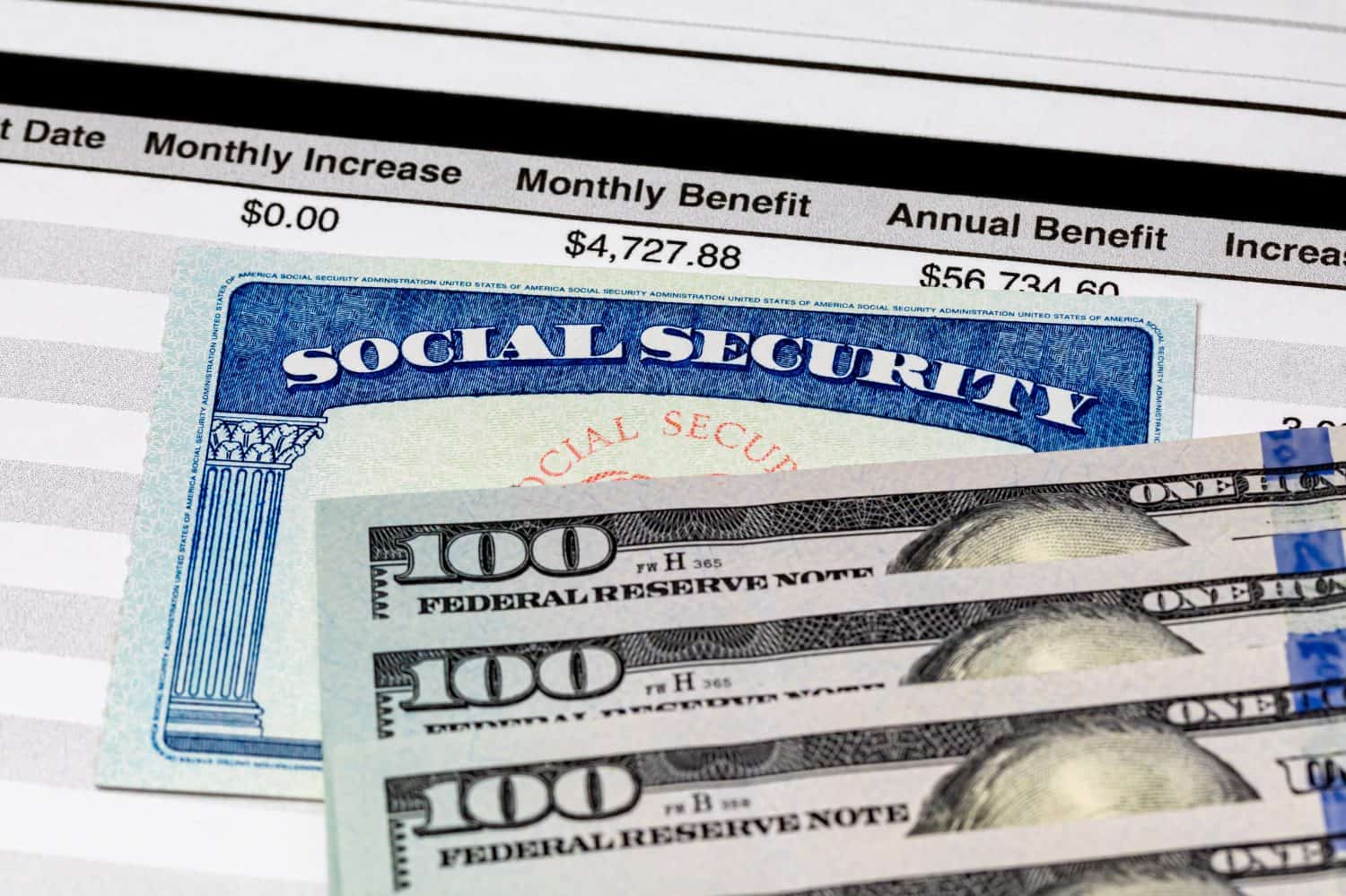
Seniors on Social Security have really been struggling in recent years. And it’s not because their benefits haven’t increased.
Rather, the last year Social Security benefits did not get a cost-of-living adjustment (COLA) was 2016. Since then, there’s been a COLA every year — sometimes a generous one.
In 2022, for example, benefits rose 5.9%. A year later, they got a whopping 8.7% COLA. And earlier this year, Social Security benefits increased 2.8%. That’s not a historically notable raise. But it’s also not a particularly stingy one.
Still, Social Security recipients are having a hard time making ends meet due to rising costs that COLAs can’t keep up with. And they, like younger consumers, may be hoping for good news when the Federal Reserve gathers to meet this week.
Unfortunately, the Fed’s upcoming interest rate decision isn’t likely to be super helpful to Social Security recipients.
A rate cut is not looking likely
The Federal Reserve’s job is to oversee monetary policy. And the Fed can raise, lower, or pause interest rates as it sees fit to lend to economic stability.
The Fed raised interest rates many times in 2022 and 2023 to slow rampant inflation. And last year, it made several rate cuts to reverse its previous hikes.
Many seniors and younger consumers alike may be hoping that the Fed will decide to cut rates this week. That could lead to lower borrowing costs — and some much-needed financial relief.
But due to current economic conditions, the Fed isn’t expected to cut rates anytime soon. Rather, the general consensus is that the central bank will leave rates unchanged at its March meeting.
This doesn’t mean interest rate cuts won’t be possible later in the year. But based on recent inflation and unemployment data, it’s unlikely that the Fed will take action this month.
How the Fed’s decisions impact Social Security benefits
The Fed’s interest rates decisions do not directly affect Social Security benefits or COLAs. COLAs are based on inflation data from the Consumer Price Index for Urban Wage Earners and Clerical Workers — not Fed actions.
But the Fed’s actions can have an impact on seniors’ buying power. If the Fed lowers rates, it could lead to less expensive borrowing costs.
For seniors who owe money on credit cards, rate cuts could spell relief, leading to lower monthly payments. The same holds true for Social Security recipients who need money and are looking to tap their home equity to get it. Rate cuts could mean lower interest rates on loans and lines of credit.
The Fed’s actions could also indirectly influence Social Security COLAs. If the Fed raises interest rates to cool inflation, it could lead to a slowdown in consumer spending, resulting in a smaller COLA. If the Fed lowers interest rates, it could cause spending to pick up, leading to more inflation and a larger COLA.
However, the Fed’s likely interest rate pause probably won’t have much of an impact on next year’s Social Security COLA. The bigger impact has to do with near-term spending. And unfortunately, there may not be much relief from still-elevated borrowing costs anytime soon.







 Top Gaining Stocks
 Top Losing Stocks